Vegetarianism has become more than just a dietary choice; it’s a lifestyle that many people embrace for various reasons.
While it’s often seen as a simple decision not to eat meat, the reality is far more complex and diverse. From unexpected dietary habits to the inner conflict many vegetarians face, there’s a world of surprises hidden in the vegetarian community.
Let’s dive into some fascinating and lesser-known facts about vegetarians.
The Evolution of Vegetarianism

Did you know that the word “vegetarian” itself is a relatively modern term? Before it became widely used in the 19th century, the diet was known as “Pythagorean.” This term was inspired by the ancient Greek philosopher Pythagoras, best known for his famous theorem.
Interestingly, Pythagoras wasn’t driven by health concerns but by his belief in reincarnation. He believed that the souls of dead humans could be reborn into animals, and therefore, killing an animal for food could be akin to killing a human.
While his philosophical views on reincarnation may seem odd to us today, Pythagoras’s diet was based on his ethical beliefs about animal rights. Even though his ideas were not widely accepted in his time, they set the stage for the vegetarianism we know today.
The Emergence of Ethical and Health-Based Motivations
Vegetarians generally adopt their diet for one of two main reasons: health or ethics. Ethical vegetarians believe that animals have inherent rights and should not be exploited for food.
They often adopt a vegan lifestyle, avoiding not only meat but also animal by-products like milk, eggs, and leather. On the other hand, health-focused vegetarians are typically motivated by the potential benefits of reducing cholesterol or weight loss.
For them, the decision to adopt a plant-based diet is rooted in personal well-being rather than philosophical or ethical concerns.
This duality, ethical versus health motivations, defines the spectrum of vegetarianism today, but there is also a middle ground, where individuals may reduce meat consumption without completely cutting it out.
The Vegetarian Experience
One of the most surprising facts about vegetarians is that many do not stick with the diet long-term. Research from the US Humane Research Council reveals that 84% of vegetarians abandon their meatless lifestyle within a year.
It’s not just a phase; life circumstances, relationships, and personal health reasons often drive them back to eating meat. A third of vegetarians, for example, return to eating meat after entering a relationship with a non-vegetarian.
And while they may still avoid some forms of animal products, the allure of eating meat again often proves too strong to resist for many.
The Return to Meat
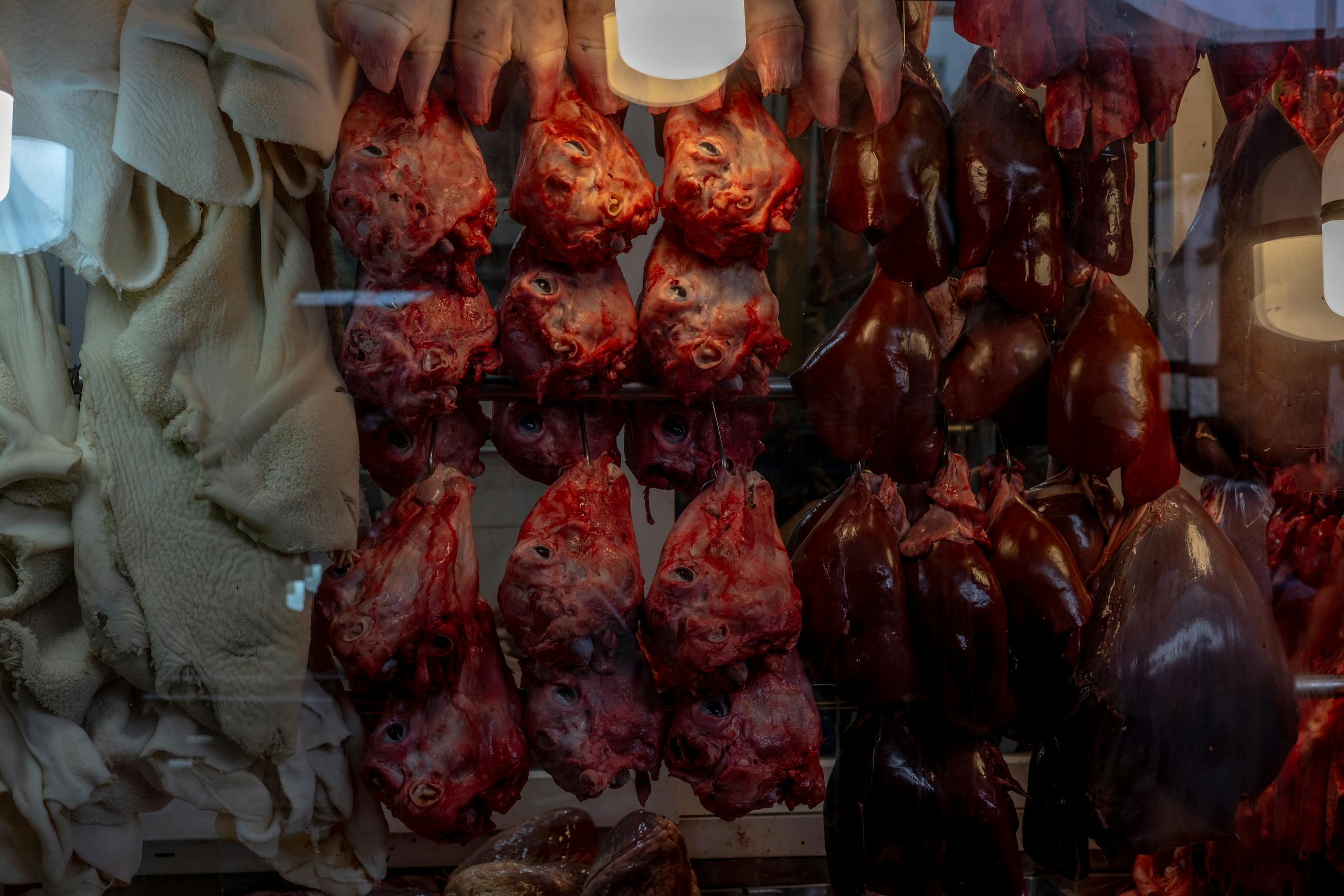
Several factors contribute to the decision to return to eating meat. Health reasons, such as protein deficiencies or difficulty in maintaining a balanced diet, are common.
Social and cultural influences also play a role, especially for individuals living in environments where meat consumption is a significant part of the food culture.
For some, eating meat again is easier than sticking to a plant-based diet, especially when traveling or socializing.
Despite returning to meat, most former vegetarians report eating less meat than they did before transitioning to a vegetarian diet, suggesting that once you’ve tasted the benefits of plant-based eating, it’s hard to go back to a full-on meat-heavy lifestyle.
Types of Vegetarians
Vegetarianism is not a one-size-fits-all concept. There are various types of vegetarians, and some even eat meat in limited forms. Here are the most common types:
- Vegan: The strictest form, avoiding all animal products, including meat, dairy, eggs, and honey. They also tend to avoid products made from animals, such as silk and leather.
- Lacto-vegetarian: These individuals avoid meat and eggs but continue to consume dairy products like milk, cheese, and yogurt.
- Ovo-vegetarian: They avoid meat and dairy but still consume eggs.
- Lacto-ovo-vegetarian: The most common type, these vegetarians eat both dairy products and eggs but avoid all forms of meat and fish.
- Flexitarian: People who primarily eat a plant-based diet but occasionally consume meat. They are often considered part-time vegetarians.
- Pollotarian: someone who eats only poultry and avoids other types of meat.
- Pescatarian: A pescatarian diet consists primarily of fish and seafood while avoiding other types of meat.
In some cases, the boundaries can blur. For instance, “Kangatarians” in Australia have emerged, vegetarians who eat kangaroo meat.
The reason behind this surprising dietary choice lies in the ethical stance on factory farming, kangaroos are wild animals, and consuming them doesn’t contribute to the unethical treatment of animals in farming systems.
The Nutritional Side
A significant challenge for vegetarians, especially vegans, is ensuring they get enough Vitamin B12. This essential nutrient, primarily found in animal products, plays a vital role in maintaining nerve function and red blood cell production.
Without it, vegetarians risk developing anemia, fatigue, depression, and other health issues. While fortified foods and supplements can help, many vegetarians still struggle to meet their B12 needs. According to studies, 92% of vegans and 67% of lacto-ovo vegetarians suffer from B12 deficiency.
The Risk of Imbalanced Diets

Fruitarianism is an extreme form of vegetarianism in which individuals consume only fruits, along with a few seeds and nuts.
While this diet may sound healthy, it lacks essential nutrients like protein, calcium, and iron, which can lead to weakened bones, impaired immune function, and long-term health complications.
A diet consisting mostly of fruit is also difficult to sustain and can lead to excessive weight gain once abandoned. Despite the health risks, some people, such as Steve Jobs, have attempted fruitarian diets, only to face severe health repercussions.
The Social Impact of Vegetarianism
Tensions between vegetarians and non-vegetarians are nothing new, but they seem to be more pronounced among vegans and those who consume meat. Many vegans view non-vegetarians as morally inferior due to their consumption of animal products.
This has led to criticism from vegetarians who view meat-eaters as insensitive to animal rights. However, the divide doesn’t end with non-vegetarians. There is often a rift within the vegetarian community itself, particularly between vegans and other vegetarians who consume dairy or eggs.
Vegans, in particular, are known for being critical of those who continue to use animal products, even if they don’t eat meat. This ideological divide can create friction among those who are otherwise united by a shared commitment to reducing animal suffering.
The Role of Social Media and Activism

Social media has become a double-edged sword for vegetarians and vegans. While platforms like Instagram, YouTube, and Twitter have allowed for the spread of vegetarian and vegan activism, they have also fostered extreme views.
Many vegans are vocal in their criticisms of animal products and often use graphic imagery to drive their message home.
However, such aggressive campaigns have been criticized for alienating potential supporters and creating an “us vs. them” mentality. As a result, some people are put off by the negativity and are less likely to adopt a vegetarian lifestyle.
Conclusion
Vegetarianism is not just a dietary choice; it’s a complex movement shaped by ethical, health, and environmental motivations. From the historical roots of vegetarianism in ancient Greek philosophy to the modern-day variety of dietary practices, there’s more to this lifestyle than meets the eye.
While it’s clear that vegetarianism can be an effective way to promote animal welfare and improve health, it’s also apparent that many vegetarians struggle with consistency and face nutritional challenges.
Whether you adopt a full vegetarian lifestyle or reduce your meat consumption, understanding the nuances of this movement is crucial in making an informed, sustainable dietary decision.