Sugar, while undeniably delicious, has earned a reputation as one of the most harmful substances to our health.
We consume it in various forms, from the obvious sugars in desserts to the hidden sugars lurking in seemingly innocent foods.
Yet, the true story behind sugar’s dominance goes far beyond health risks. Here, we explore the darker side of the sugar industry and how it has shaped our world, often at the expense of both people and the planet.
Sugar’s Slavery-Fueled Roots

Sugar’s history is deeply intertwined with the brutal realities of slavery. Originally grown in the West Indies and Brazil, sugar cane became a symbol of wealth and power during the colonial era.
European settlers, particularly the British, discovered the massive profitability of sugar production and turned it into a booming industry. However, the success of sugar came at an inhumane cost: the exploitation of slave labor.
Millions of enslaved Africans were forced to toil on sugar plantations under grueling conditions, often in fatal heat and long working hours.
The industry relied heavily on this exploitation to maximize profits, leading to widespread human suffering and an enduring legacy of inequality.
Today, as we reach for that sweet snack, we must remember the dark past that helped the sugar industry succeed.
The Birth of a Political Powerhouse
By the early 19th century, sugar had become so entrenched in global trade that it began influencing political decisions.
In 1816, the U.S. imposed tariffs on imported sugar, creating an artificial boost to domestic sugar production, often harvested by enslaved people. This move solidified the sugar industry’s power in the U.S., tying it to the slave economy.
Banks in Louisiana, a major sugar-producing region, played a key role in sustaining this system by providing financial support to plantation owners. They used slaves as collateral to back loans, essentially using human lives as financial assets.
By the 1820s, the sugar trade was booming, and so was the systematic oppression of African people, with slavery growing by a staggering 86% in the region.
Modern-Day Slavery in Sugar Fields
Despite the abolition of slavery, the exploitation of workers in sugar production continues today. One of the most notorious examples is the use of forced labor in the Dominican Republic, where Haitian workers are lured into labor camps known as “bateyes.”
These workers, often indebted and without identification papers, are subjected to 12-14-hour workdays for less than a dollar a day. They are paid in company scrip, which is essentially worthless outside the camp.
While efforts have been made to raise awareness of these practices, including the implementation of the UK’s Modern Slavery Act in 2017, the sugar industry still thrives on unethical labor practices.
Consumers around the world may unknowingly purchase products that are the result of this forced labor, continuing a cycle of exploitation that has lasted for centuries.
Deceptive Health Claims
For decades, the sugar industry has waged a covert campaign to distract the public from the harmful effects of sugar. In the 1960s, the Sugar Research Foundation (SRF), funded by the sugar industry, commissioned research that shifted the blame for heart disease away from sugar and onto fats.
Harvard scientists, under the SRF’s influence, published a review in the New England Journal of Medicine that falsely claimed fat and cholesterol were the main culprits in coronary heart disease.
This research, heavily funded by the sugar industry, significantly shaped the scientific narrative on heart health for decades.
This manipulation of scientific data has contributed to widespread public confusion and delayed efforts to address the real dangers of excessive sugar consumption.
Despite mounting evidence linking sugar to obesity, diabetes, and heart disease, the sugar industry continues to downplay its role in these health crises.
Sugar

Sugar may be delicious, but it’s also dangerously addictive. The pleasure derived from consuming sugar is linked to the brain’s reward system, triggering the release of dopamine, a neurotransmitter responsible for feelings of pleasure.
This creates a cycle of cravings, making it difficult for many individuals to control their sugar intake.
Research has shown that sugar can be more addictive than cocaine, with animals in studies choosing sugar over the drug.
The sugar industry capitalizes on this addiction, designing products that are engineered to be “hyperpalatable,” ensuring that consumers continue to buy more.
As a result, many people struggle to curb their sugar consumption, leading to widespread health issues like obesity, diabetes, and insulin resistance.
The Global Climate Crisis and Sugar Production
Sugar’s environmental impact is also a pressing concern. The cultivation of sugarcane requires vast amounts of land, water, and pesticides, and has a significant impact on the environment.
One of the major contributors to environmental damage is the use of nitrous oxide as a fertilizer, a potent greenhouse gas with a warming potential 300 times thatof carbon dioxide.
Moreover, sugar production is closely linked to deforestation and habitat destruction, particularly in tropical regions.
The sugar industry’s contribution to global warming cannot be ignored, and the effects of climate change, such as higher temperatures and erratic weather patterns, are already threatening sugar crops.
These environmental issues highlight the unsustainable nature of the sugar industry and its contribution to the ongoing climate crisis.
The Hidden Sugar in Everyday Foods

Many of the foods we consume daily contain far more sugar than we realize. Products marketed as “low-fat” or “diet” often contain added sugars to compensate for the flavor lost when fat is removed.
This is true for items like yogurt, cereals, granola bars, and even salad dressings. In addition, sugary drinks like sodas, sports drinks, and fruit juices are marketed as healthy, despite their high sugar content.
The problem is compounded by the ubiquity of sugar in processed foods. Sugar is added to canned fruits, soups, sauces, and even savory dishes like ketchup and barbecue sauce. The average person is consuming far more sugar than they realize.
This makes it difficult to maintain a balanced diet and avoid the health risks associated with excessive sugar intake.
The Sugar Industry’s Power Over Government Policy
The sugar industry’s influence extends far beyond the marketplace. In the U.S., the industry has successfully lobbied Congress to protect its interests, even at the cost of public health.
For example, the Sugar Association has pushed for the removal of World Health Organization (WHO) guidelines that recommend limiting sugar intake to no more than 10% of daily calories.
The industry has also fought against policies requiring clearer labeling of added sugars in food products.
This political power is not limited to the U.S. The sugar industry has lobbied governments worldwide to protect its profits, often preventing meaningful reforms that could reduce sugar consumption and improve public health. As a result, sugar remains a pervasive part of our diets, despite its known health risks.
The Environmental Toll of Sugar Production
Sugar production has a significant environmental toll, from the massive deforestation required for sugar cane plantations to the heavy use of water and pesticides.
The industry is also responsible for significant greenhouse gas emissions, particularly from fertilizers used in sugarcane farming.
As sugar production continues to grow, so does its environmental impact. Climate change, in particular, poses a serious threat to the future of sugar production, with rising temperatures and extreme weather patterns threatening crop yields.
The environmental costs of sugar production are only likely to increase as demand for sugar continues to rise globally.
A Sweet Alternative
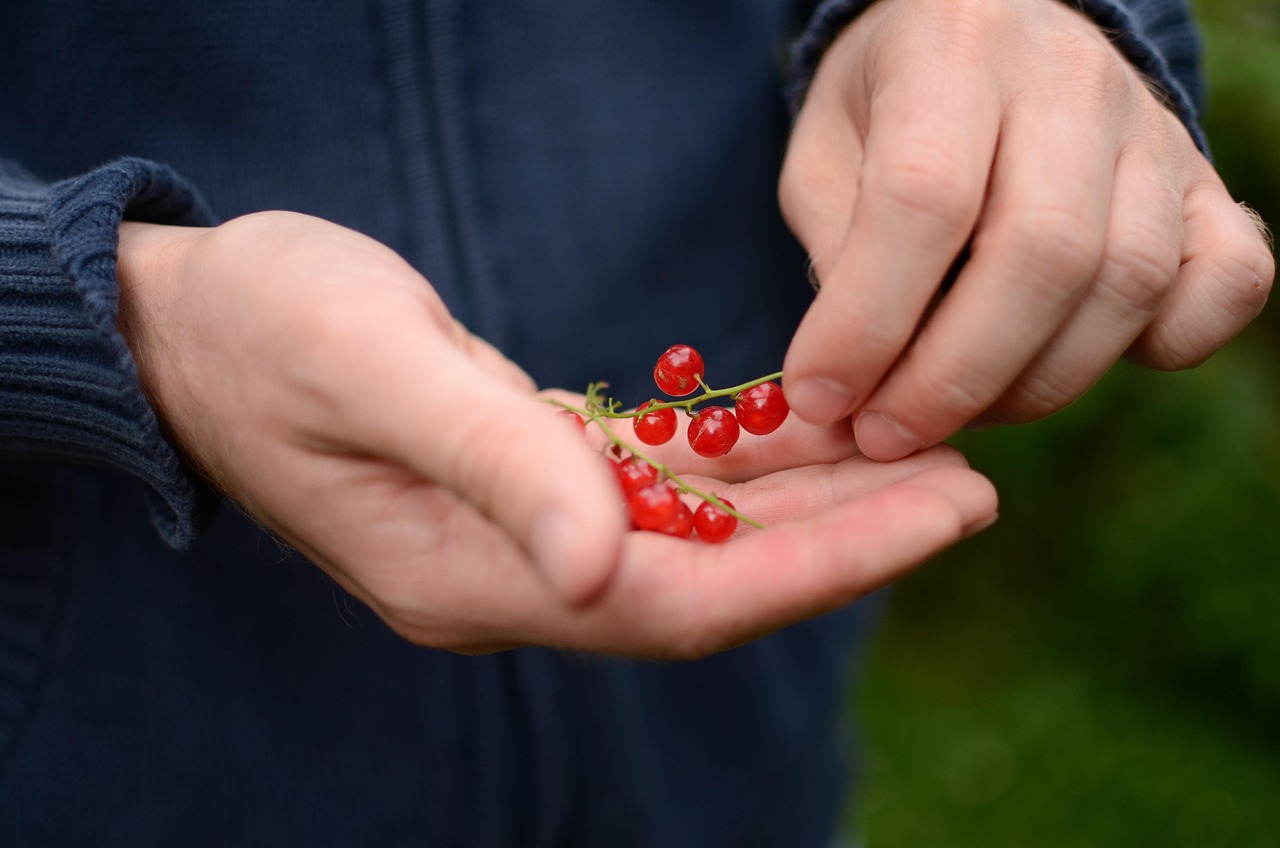
While sugar continues to dominate the global market, there is a natural, healthier alternative that has largely been ignored: the Miracle Fruit.
This small berry, native to West Africa, contains a glycoprotein called miraculin that alters taste perception, making sour foods taste sweet.
After consuming the fruit, even lemons and limes taste as sweet as sugar, without any of the harmful effects.
Unfortunately, the sugar industry has worked hard to suppress the widespread use of Miracle Fruit. In the 1970s, the U.S. Food and Drug Administration banned the fruit, fearing that it could disrupt the sugar market.
While this ban has since been lifted, the fruit remains relatively unknown to most consumers. However, as more people become aware of its potential, Miracle Fruit may emerge as a safer, healthier alternative to sugar.
Conclusion
The sugar industry has left an indelible mark on our world, from its history of exploitation and environmental degradation to its ongoing manipulation of public health data.
As consumers, we have the power to change this narrative by making informed choices about the food we consume.
By educating ourselves about the hidden costs of sugar and supporting more ethical, sustainable alternatives, we can help pave the way for a healthier, more equitable future.