Sugar lurks in the most unsuspecting places, often disguised as something “healthy” or “innocent.” Whether it’s a quick snack or a seemingly balanced meal, many individuals’ daily sugar intake is far higher than they realize.
These hidden sugar bombs can wreak havoc on our health, contributing to weight gain, insulin resistance, and even long-term conditions like heart disease. It’s crucial to identify these sneaky sugar sources in your diet and take control of your health. Let’s take a closer look at 10 common culprits that might be sabotaging your efforts to stay sugar-conscious.
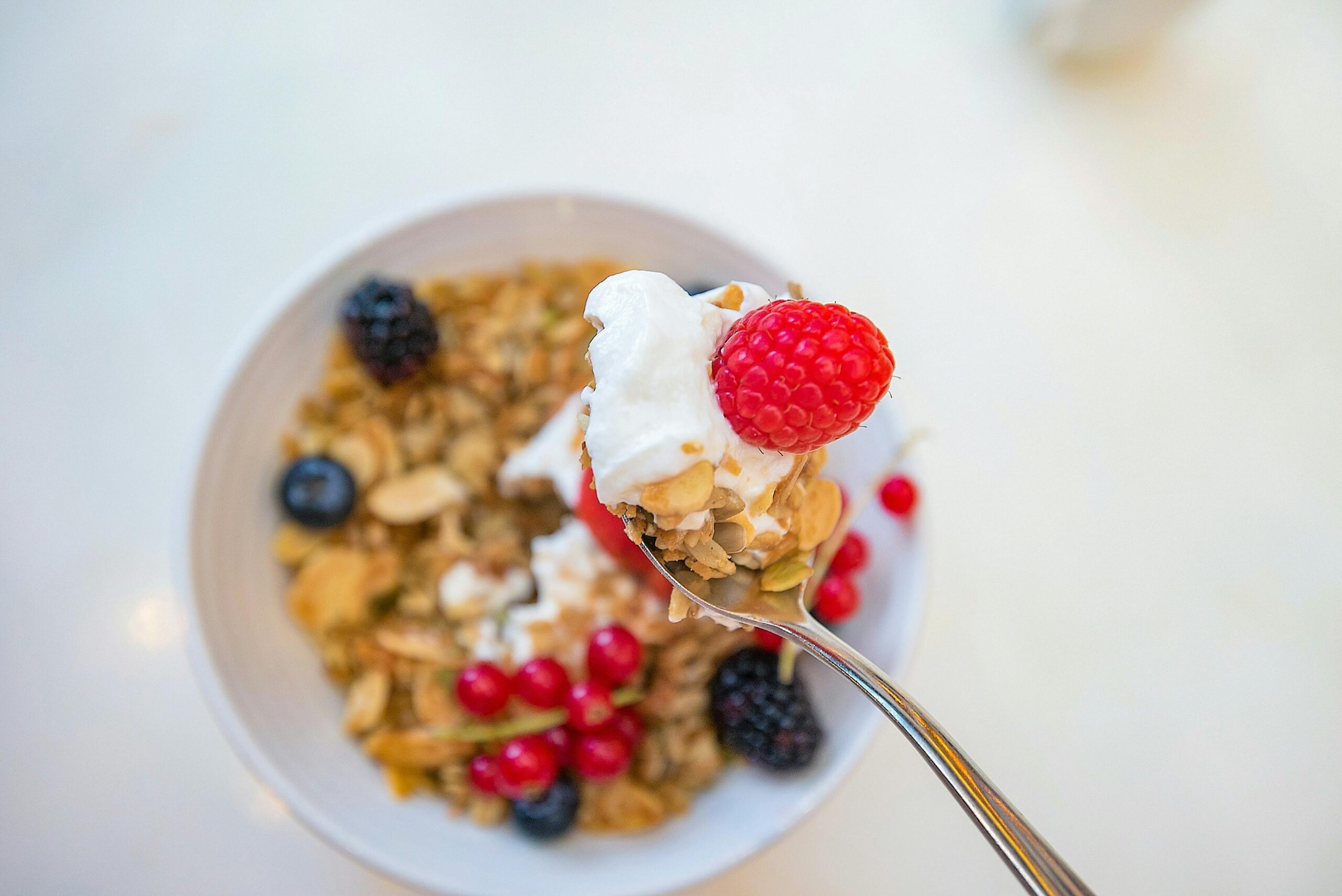
Yogurt Parfaits

While yogurt is often considered a nutritious breakfast or snack, many store-bought parfaits are packed with sugar. These can contain added sweeteners, syrups, and granola layers that inflate the sugar content well beyond what you expect.
For instance, a seemingly innocent serving of flavored yogurt with fruit can contain up to 20 grams of sugar. Choose plain yogurt and add your own fresh fruit to control the sweetness.
Granola Bars
Granola bars are marketed as a quick, wholesome snack. However, many of them are loaded with high-fructose corn syrup, honey, or refined sugars to enhance flavor.
Despite their healthy appearance, these bars often contain more sugar than a candy bar, leaving you with a false sense of satisfaction. Make sure to read the ingredient list carefully—opt for bars with minimal sugar and whole, natural ingredients.
Smoothies
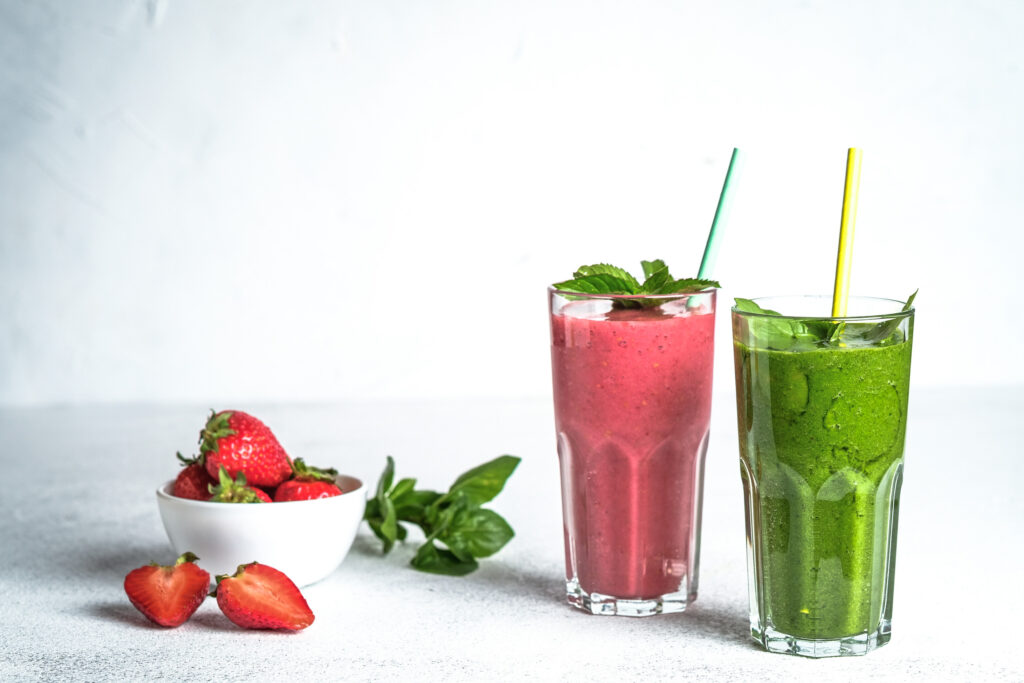
Smoothies are often seen as a healthy food choice, but many commercially prepared versions are loaded with sugar. Pre-packaged smoothie mixes, juice bars, and even some homemade recipes can include syrups, fruit juices, or sweetened yogurt, all of which add extra sugar.
A large smoothie from a popular chain can contain up to 50 grams of sugar! To avoid this, make your smoothies with whole fruits, leafy greens, and a base like unsweetened almond milk.
Canned Soups

Canned soups are a staple in many households, offering a quick and easy meal. However, many processed soups contain added sugar to enhance flavor and balance acidity.
This includes tomato-based soups, which can have added sugar to offset their tartness. A typical serving of canned soup can pack in up to 8 grams of sugar—enough to impact your daily intake. When possible, opt for homemade soups or carefully read labels to find sugar-free alternatives.
Salad Dressings
What might seem like a healthy salad can quickly turn into a sugar trap thanks to the dressing. Many store-bought salad dressings, especially creamy varieties like ranch or vinaigrette, contain added sugars to improve taste and texture.
Even “low-fat” versions often make up for lost flavor by adding sugar. Look for dressings labeled as “sugar-free” or make your own with olive oil, lemon, and a splash of vinegar.
Condiments
Ketchup, barbecue sauce, and even mustard can contain surprising amounts of sugar. While these condiments are essential to the flavor of many fast foods and home-cooked meals, their sugar content can add up quickly.
For example, a single tablespoon of ketchup can contain 4 grams of sugar. Opt for sugar-free versions or use these condiments sparingly to avoid excess sugar.
Bottled Iced Tea
Iced tea may seem like a refreshing alternative to sugary sodas, but many bottled versions are packed with added sugar. These drinks often contain more sugar than you would find in a soda, and the combination of caffeine and sugar makes them even more addictive.
A typical bottled iced tea can have up to 40 grams of sugar per serving. Try brewing your own iced tea at home and sweeten it with natural alternatives like stevia or honey.
Processed Breakfast Cereals
Breakfast cereals are a classic breakfast choice for many, but many popular brands contain massive amounts of sugar. Even some cereals that are marketed as “healthy” are often packed with sugar and preservatives.
A single serving of sweetened cereal can have anywhere from 10 to 20 grams of sugar, and that’s before you add milk. Choose whole-grain, low-sugar cereals, or switch to oatmeal for a healthier alternative.
Frozen Foods
Frozen meals are a go-to for convenience, but many frozen dinners, especially those labeled as “comfort food” or “family favorites,” contain added sugars. Sauces, gravies, and even frozen pizzas often contain hidden sugar to improve taste and extend shelf life.
These sugar bombs can easily add up over time, contributing to unwanted weight gain. Check labels and opt for low-sodium, low-sugar options whenever possible.
Dried Fruit
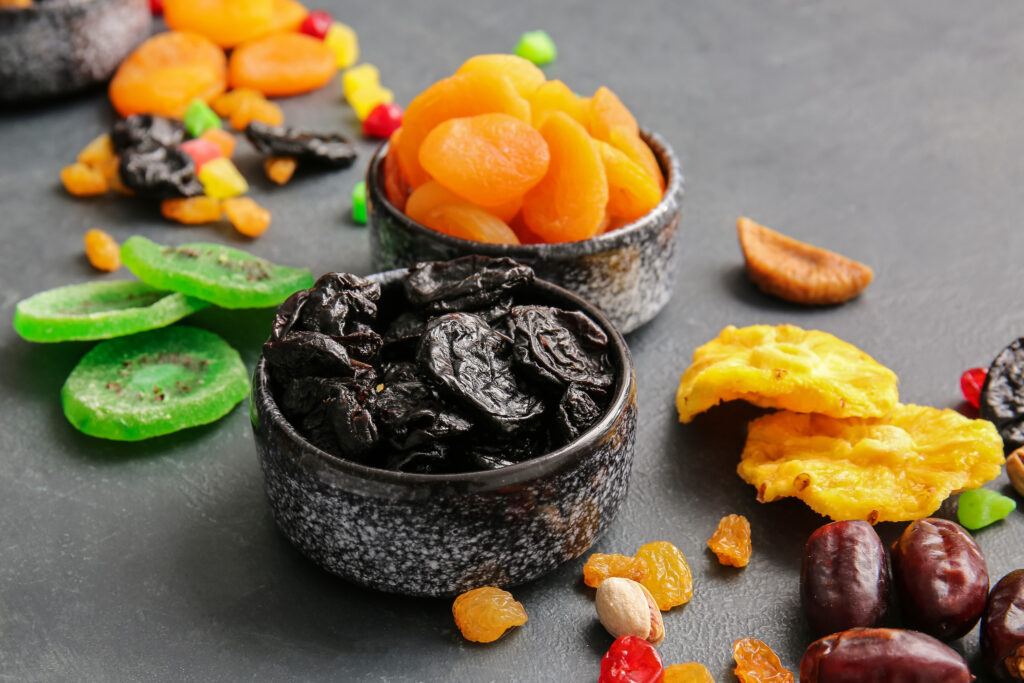
Dried fruit is often seen as a healthy, nutrient-packed snack. However, many brands add sugar to the fruit during the drying process to enhance its sweetness and preserve its shelf life.
As a result, dried fruits like raisins, cranberries, and apricots can contain more sugar than fresh fruit. Instead, choose unsweetened dried fruits or stick to fresh, whole fruits for a natural sweetness that’s far lower in sugar.