When you live in a small home, every square foot counts. While it’s tempting to pack every corner with decor, certain design choices can actually make your space feel even more cramped.
Let’s take a look at 10 common decorating mistakes that make small homes look even smaller—and how to avoid them.
Using Dark Colors on Walls
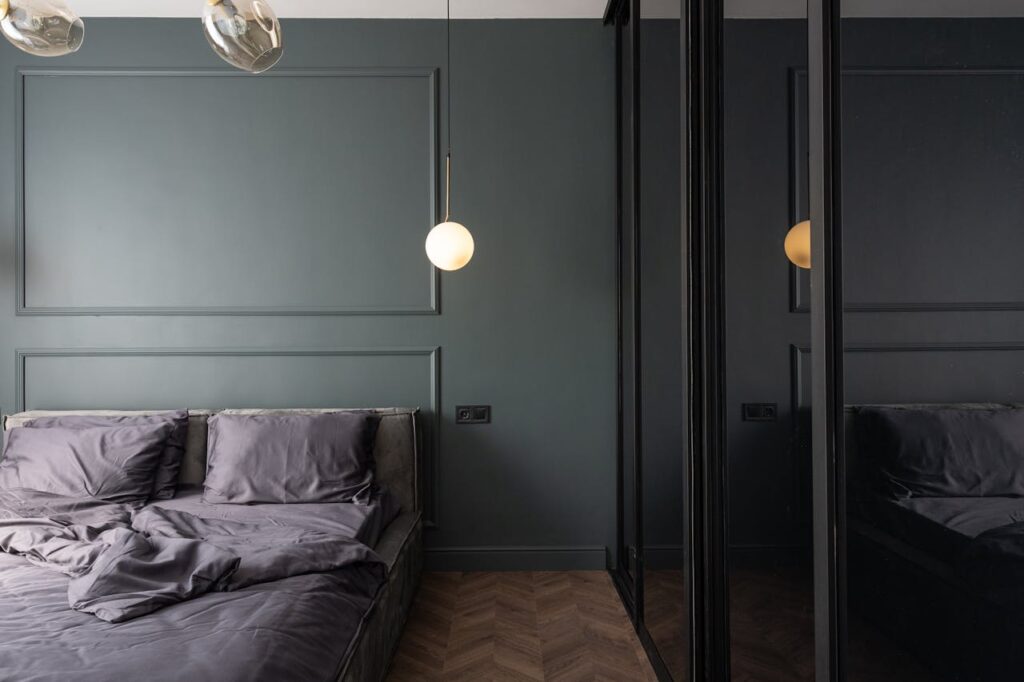
It’s no secret that dark colors are dramatic and cozy, but they can also make a space feel closed in. In small rooms, deep shades like navy or charcoal can absorb light, making the room feel smaller than it is.
Instead, go for lighter, neutral tones like soft whites, pastels, or light greys to brighten the room and create an airy, open feel.
Overcrowding with Furniture
More furniture doesn’t always mean more comfort. It’s easy to fall into the trap of buying more pieces to fill up your space, but overstuffing your rooms with bulky furniture can make your home feel suffocating.
Instead, opt for minimalist furniture that fits well without crowding. Choose multi-functional pieces like storage ottomans or sofa beds to maximize utility without the visual clutter.
Neglecting Vertical Space
In a small home, floor space is precious. If you neglect your vertical space, you’re missing out on valuable opportunities to store, display, and even draw the eye upward. Install shelves or floating cabinets to make use of wall space and keep your floor area free.
Not only will this help with organization, but it will also create the illusion of a taller, more expansive room.
Using Too Many Small Pieces of Furniture
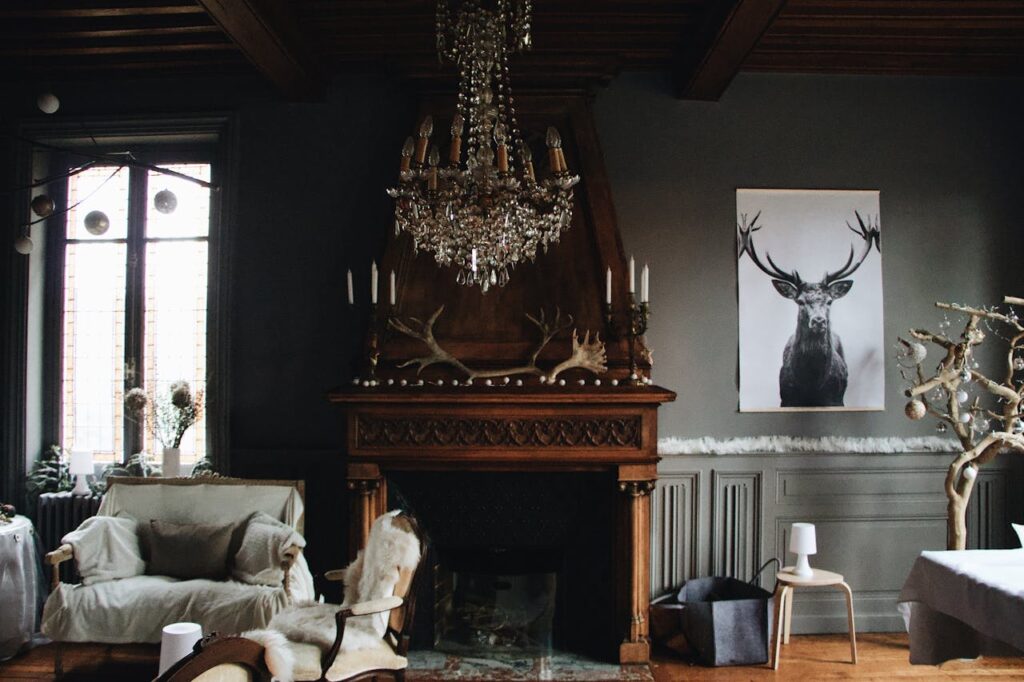
While small furniture may seem like a good idea, too many little pieces can clutter the room and disrupt the flow.
Instead, go for fewer, larger pieces of furniture. A well-chosen, oversized sofa or a larger dining table can be more effective in creating a sense of cohesion and spaciousness.
Lack of Mirrors
Mirrors are a small home’s best friend. They reflect light, making the room feel bigger by creating depth.
Without them, rooms can seem one-dimensional and confined. Place mirrors opposite windows or in areas that don’t receive direct light to maximize natural light and visually expand the space.
Too Many Patterns and Prints
It’s tempting to mix and match various patterns in a small space, but doing so can overwhelm the eyes and make the room appear chaotic. Instead, stick to a few simple patterns and focus on color cohesion.
Use stripes, florals, or geometric patterns sparingly, so the room feels unified and open rather than visually cluttered.
Using Heavy Drapes
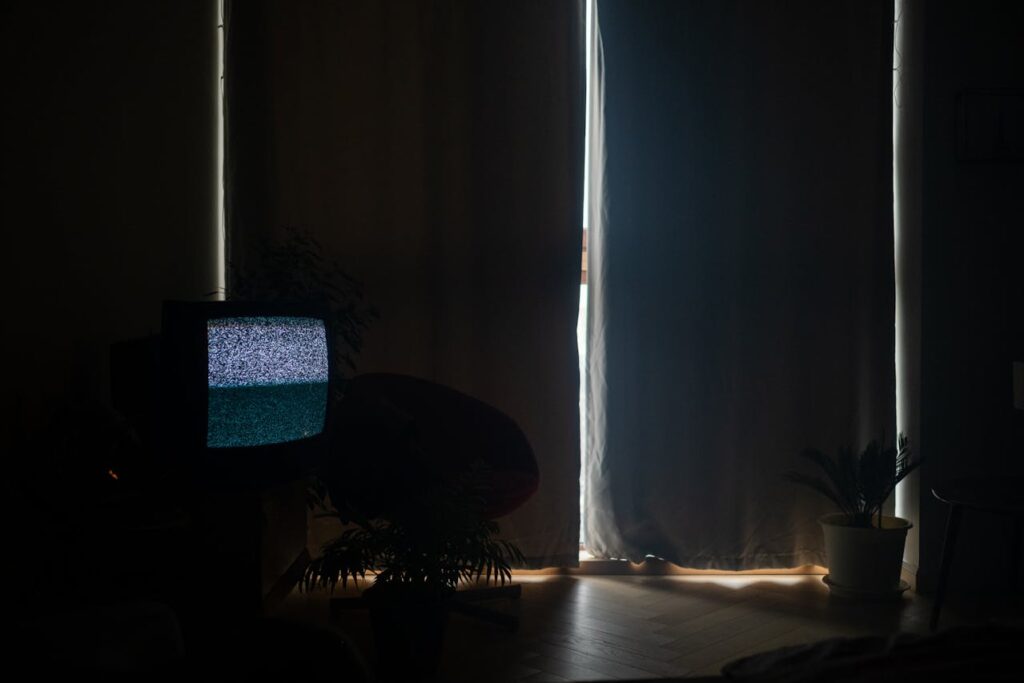
While heavy, dark curtains might offer privacy and insulation, they can also make your space feel heavier and more confined.
Instead, opt for light, airy window treatments like sheer curtains or Roman shades. These allow more natural light to enter, making the room feel breezier and more expansive.
Ignoring the Power of Light
Lighting is everything in small spaces. Relying on just one overhead light can create harsh shadows and make your home feel even more boxed in.
Layer different types of lighting—ambient, task, and accent lights—to add depth and warmth to your rooms. Wall sconces, pendant lights, and table lamps can help create a cozy, inviting atmosphere.
Cluttering Countertops and Surfaces
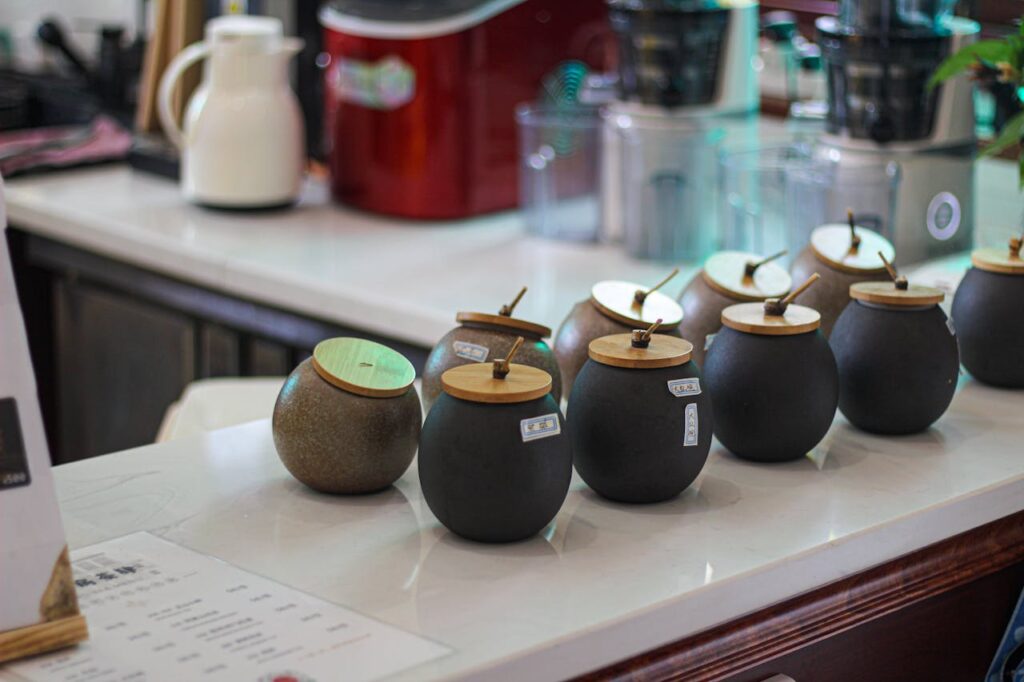
In a small home, clutter is a silent space killer. Piled-up knick-knacks and scattered kitchen items can make any room feel chaotic and cramped.
Keep surfaces clear and only display a few select items that add personality without contributing to visual clutter. Storage baskets, trays, and decorative bowls are great ways to keep things organized while maintaining a clean aesthetic.
Failing to Scale Furniture to the Room
It’s all too easy to get drawn to oversized furniture or design features, but these can dominate a small space and make it feel squished.
Avoid bulky sofas, towering bookshelves, and oversized armchairs in cramped rooms. Instead, choose furniture that’s appropriately sized for the space. A well-scaled couch or a slim, elegant coffee table will enhance the sense of space without overwhelming the room.