Gender stereotypes have always played a pivotal role in shaping societal norms and expectations. However, many of the gender norms we hold today were once completely different, reflecting societal shifts and changes in values.
This article takes a deeper look at how gender stereotypes have evolved over the centuries and explores the surprising transformations they have undergone.
Color Preferences
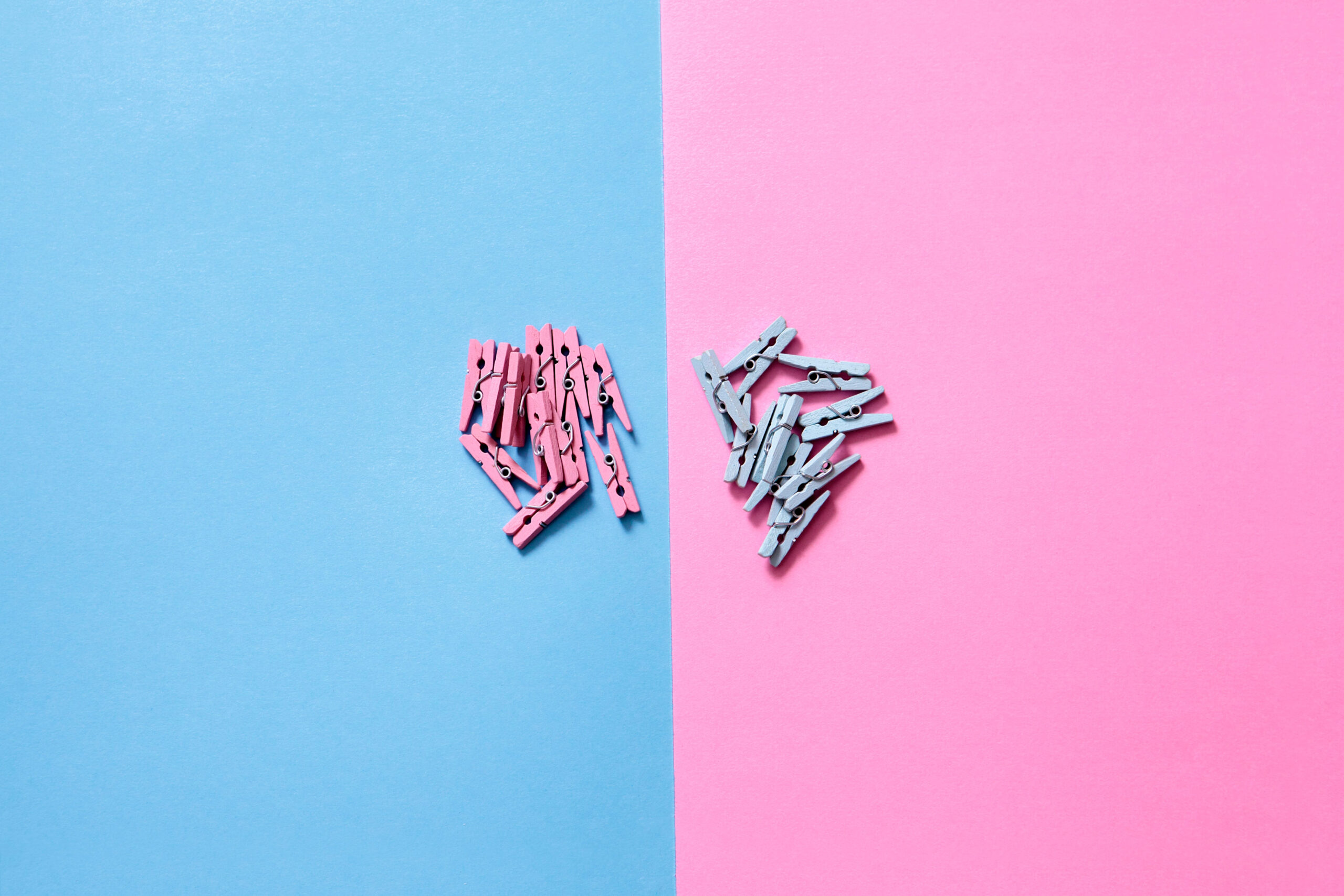
In modern society, pink is often associated with femininity, while blue is linked with masculinity. This might seem like an absolute truth, but historically, the color associations were quite different.
Back in the early 20th century, pink was considered a strong, bold color suitable for boys, while blue, associated with calmness and serenity, was deemed more appropriate for girls. The shift toward associating pink with girls occurred post-World War II.
It solidified in the 1980s, especially with the rise of gender-revealing parties and baby products that reinforced a clear gender division.
The Fashion Revolution
Dresses, as gendered fashion, are relatively recent constructs. Throughout much of the 16th to early 20th centuries, young children, regardless of gender, wore dresses. For boys, it was a normal part of growing up, and they were only “breeched” (introduced to pants) around age 8.
This was an important ritual marking their entry into boyhood. However, as the 20th century progressed and the Industrial Revolution took hold, pants became more practical, and the division between boys’ and girls’ clothing was further cemented, with dresses becoming firmly associated with girls.
Cheerleading
Cheerleading, which began as a highly masculine activity in the mid-19th century, was a prestigious position for young men, often associated with athleticism, leadership, and competitiveness.
But during World War I, when men were sent to fight, women took over this traditionally male role. Post-war, male cheerleaders were less than thrilled with the new dynamic and attempted to push women out.
Despite this resistance, women solidified their dominance in the sport by World War II, and the image of a cheerleader evolved from that of a strong athlete to one of a woman who embodied femininity, cheerfulness, and charm.
Knitting

Knitting, which today is often associated with grandmothers or women, was once a male-dominated profession.
During the Middle Ages, knitting guilds were exclusive to men. These guilds were serious businesses, and the men who participated in them were highly respected for their craftsmanship.
However, with the advent of the knitting machine in the late 16th century and the industrial revolution that followed, the practice shifted from a serious trade to a domestic hobby, gradually becoming associated with women.
Hot Chocolate
Hot chocolate, now commonly seen as a sweet treat for children and women, was once a beverage reserved for men, especially warriors.
The Aztecs considered chocolate a sacred drink, reserved for soldiers, nobles, and priests. In Spain and England, men enjoyed hot chocolate at elite gatherings, and it became the drink of choice for explorers and adventurers like Robert Falcon Scott, who drank it regularly during his expeditions to the South Pole.
It wasn’t until the late 19th century that hot chocolate became a drink predominantly associated with children and women.
Crying
In contrast to modern perceptions that expect men to suppress their emotions, historical figures such as Greek heroes and knights often wept openly. Public crying was seen as a sign of emotional depth and strength, especially in situations that warranted it.
In the Middle Ages, tears were not only a symbol of guilt but also a means of showing empathy and emotional sincerity.
However, societal changes, urbanization, and shifts in masculinity led to a decline in public displays of male emotion, a trend that became especially pronounced in the 20th century.
Computer Programming

While we often associate computer programming with young men today, the earliest computer programmers were actually women. In the 1940s, six women worked on the ENIAC machine, one of the first electronic computers.
At the time, programming was considered a clerical task, and hardware development was seen as the more prestigious field for men.
However, as personal computers became widespread and the tech industry grew, male programmers began to dominate the field, pushing women out despite their pivotal role in the industry’s origins.
Stockings
Before stockings were considered a female garment, they were an essential part of men’s fashion. During the Middle Ages, European men wore tights or hose, often with high heels, as a part of their everyday wardrobe.
The fashion was initially designed to enhance men’s legs, especially as shorter tunics became popular.
It wasn’t until the 19th century that stockings started to be associated with women, and the first pair of female pantyhose was invented in 1959, solidifying the gendered association of stockings.
Beer Brewing
Historically, beer brewing was a job largely reserved for women. In medieval Europe, women brewed beer for their families and even sold it in local markets.
In fact, during the 13th century, women made up the majority of brewers in England. Over time, however, with the rise of monasteries and the industrialization of brewing, the craft became dominated by men.
The association of beer brewing with men grew stronger, especially as 18th-century laws made it more difficult for women to engage in the trade.
Sexual Desire

For much of history, women were believed to possess stronger sexual desires than men. In ancient Greek mythology, Zeus and Hera debated who experienced greater pleasure from sex, with the prophet Tiresias stating that women derived nine parts of pleasure to every one part experienced by men.
This stereotype was prevalent throughout Europe, where women were seen as temptresses driven by sexual desire.
However, this stereotype shifted over time, largely due to the influence of Protestant ministers and the changing cultural norms of the 19th century, leading to a reversal of the sexual roles between the genders.
Conclusion
These historical shifts in gender stereotypes demonstrate how society’s understanding of gender roles has changed over time.
What was once considered “normal” has evolved dramatically, reflecting changes in cultural values, social movements, and technological advancements. While some stereotypes have been challenged and discarded, others continue to evolve.
The fluidity of gender norms highlights the importance of questioning long-held beliefs and adapting to new understandings of gender equality and inclusivity.