American cuisine is known for its bold flavors, but not all dishes are embraced worldwide. Some foods, although loved within the U.S., are often met with confusion or distaste from non-Americans. These dishes are often an acquired taste, and the combination of unique flavors and textures sometimes leaves international diners scratching their heads. Here, we explore the most disliked American foods that have failed to impress foreign palates.
Biscuits and Gravy
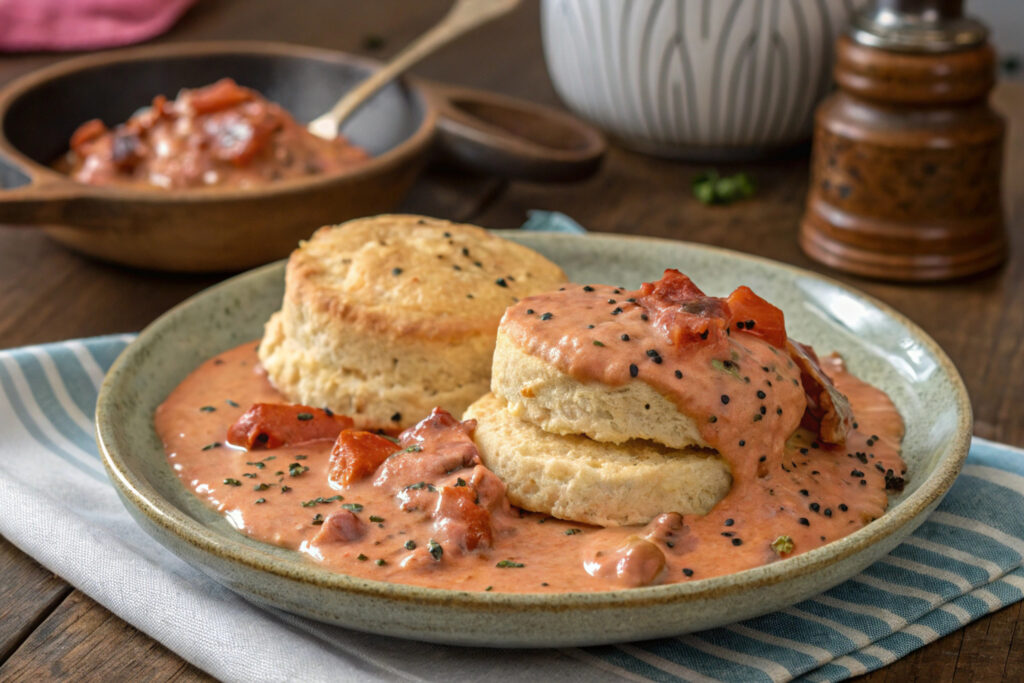
While biscuits and gravy are comfort food staples in the U.S., they don’t make sense to those outside the U.S. The American “biscuits” are actually savory pastries, not the sweet cookies most foreigners imagine. Combined with sausage gravy, which is a rich, creamy sauce, this dish clashes with international food traditions.
For people from the UK, where biscuits are typically eaten with tea, the combination of bread and gravy is simply baffling. The confusion often lies in the very definition of “biscuits,” making it hard for non-Americans to appreciate the comfort this dish provides to many Southerners. It’s a true American oddity that doesn’t translate well across the pond.
Cheez Whiz
Cheez Whiz is often regarded as one of the strangest American food creations. While it’s an iconic convenience food, many non-Americans simply cannot get past its artificial taste and texture. This processed, sprayable “cheese” is often described as plastic-like, with a flavor that has been mocked as unpleasant or even toxic.
Despite being an enduring part of American snack culture, especially when paired with crackers , Cheez Whiz remains a guilty pleasure that most foreigners don’t understand. Its origins in the Welsh dish, Welsh rarebit, show how it evolved into something quite different. Still, its status as a quick, convenience food doesn’t make it any more palatable internationally.
Chicken and Waffles
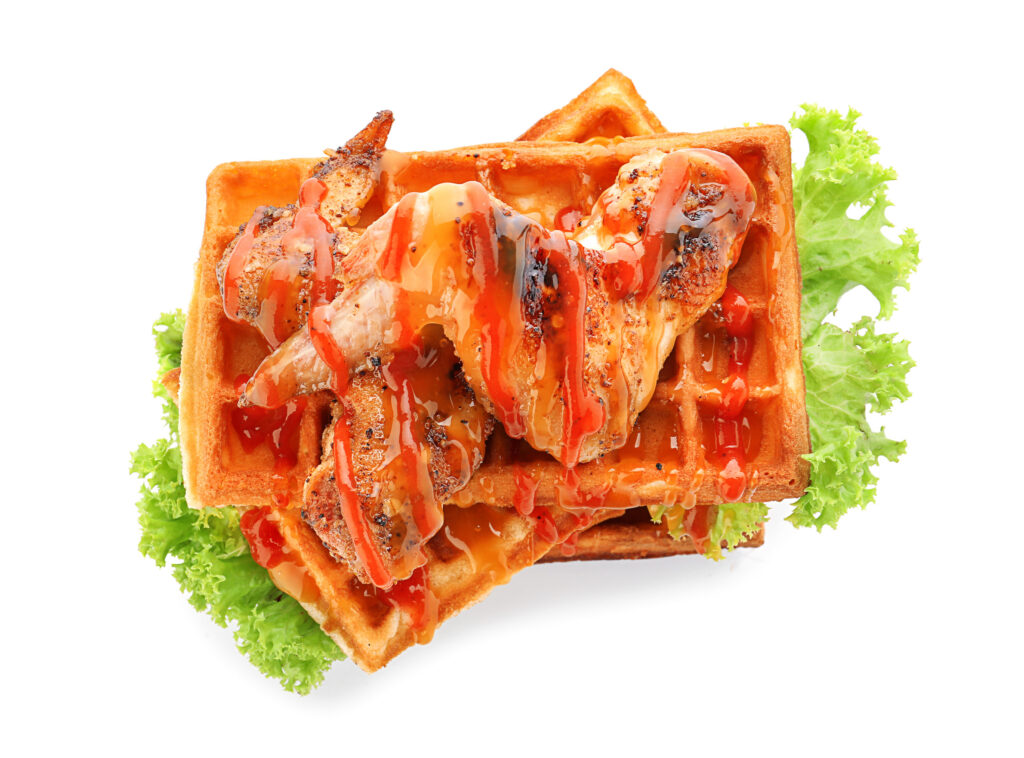
Chicken and waffles may be a beloved Southern dish, but it leaves many foreigners scratching their heads. The combination of crispy fried chicken with sweet, fluffy waffles and syrup is nothing short of controversial. In the U.S., it’s a comforting mix of sweet and savory, but for others, it’s a clash of flavors that seems unnatural.
This fusion of contrasting tastes, though cherished by many Americans, challenges the global norm of keeping sweet and savory dishes separate. Non-Americans often find the combination of crispy chicken and fluffy waffles clashing rather than harmonizing. It’s an American creation that continues to perplex anyone who wasn’t raised on it.
The American “Fruit Salad” Misunderstanding
In America, fruit salad can often mean something completely different than what the rest of the world expects. While international fruit salads typically consist of fresh, seasonal fruit, American versions often include Jell-O, marshmallows, and whipped cream. This mishmash of processed ingredients is a product of post-war convenience food culture.
For many foreigners, this hybrid fruit salad is unrecognizable. What’s supposed to be a refreshing, healthy dish turns into a sweet, processed concoction. It’s a quintessential example of how American food culture can sometimes take a simple concept and complicate it unnecessarily.
Grits
Grits, a beloved Southern breakfast dish, often confuses foreigners. Made from ground corn, they’re often described as a bland, mushy dish that’s difficult to enjoy. For foreigners, grits resemble wallpaper paste more than a comforting meal, and their texture is often a dealbreaker.
In the South, grits are served in various ways ,sometimes topped with cheese or shrimp, and other times served plain with butter. While Southerners consider them a comfort food, foreigners frequently find them off-putting. The dish’s simplicity and texture are major reasons why it remains a point of contention among international diners.
Hershey’s Chocolate
Hershey’s chocolate is a staple in American candy culture, but it’s often criticized by non-Americans for its peculiar taste. The presence of butyric acid, a compound found in rancid butter, gives Hershey’s chocolate a distinctive flavor that many foreigners describe as unpleasant. Some even compare it to the taste of vomit.
While it’s a beloved treat for many in the U.S., especially during holidays like Halloween, its flavor often shocks those who are accustomed to smoother, creamier chocolates. For many international consumers, Hershey’s chocolate simply doesn’t meet the global standard for high-quality sweets. The off-putting taste has earned it a hard-to-shake reputation abroad.
Corn Dogs
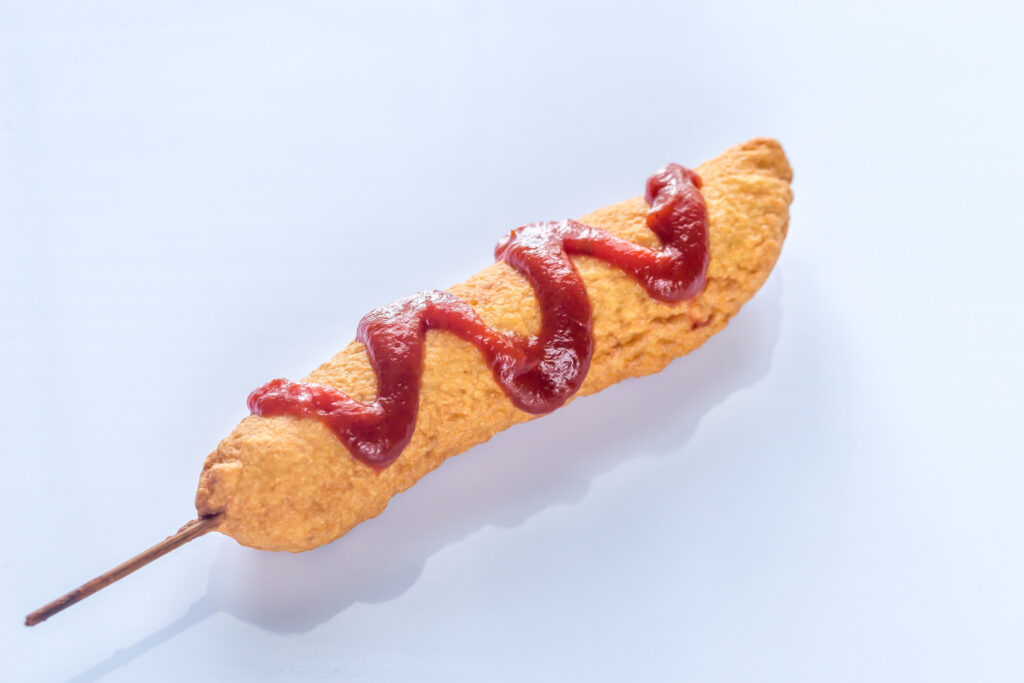
Corn dogs are a true American fair food, but they don’t have much international appeal. The combination of a hot dog on a stick, coated in cornmeal batter and deep-fried, is something that many non-Americans find strange. While it’s a common sight at carnivals and sporting events, it doesn’t translate well to other cultures.
The idea of deep-frying a hot dog may seem excessive to some, and the concept of a hot dog on a stick is perplexing for anyone unfamiliar with American fairgrounds. Corn dogs are an indulgence for sure, but for foreigners, they are often a perplexing oddity in American cuisine.
Twizzlers
Twizzlers are a candy that Americans love, but non-Americans often find bewildering. These chewy, licorice-like treats are a staple at American movie theaters. Still, many people from other countries find them rubbery and flavorless. The lack of sweetness and the strange chewiness make Twizzlers difficult for foreigners to enjoy.
While they remain a popular snack in the U.S., Twizzlers simply don’t resonate with global taste standards. The texture and lack of flavor leave many international consumers confused about why they are so popular. They’re quintessential American candy, but not one that travels easily beyond the U.S.
Sweet Potato Casserole
Sweet potato casserole is a dish that often confuses non-Americans, particularly because it’s a side dish that tastes like dessert. The dish is made by mashing sweet potatoes and baking them under a layer of gooey marshmallows. Many foreigners can’t fathom why such a sweet, sugary dish is considered a side rather than a dessert.
The combination of sweet potatoes and marshmallows doesn’t align with the typical eating habits of other countries. For those who didn’t grow up with this dish, it’s hard to understand why marshmallows would be added to something that’s already naturally sweet. Sweet potato casserole is just another example of how American cuisine can be an acquired taste for the rest of the world.
Pecan Pie
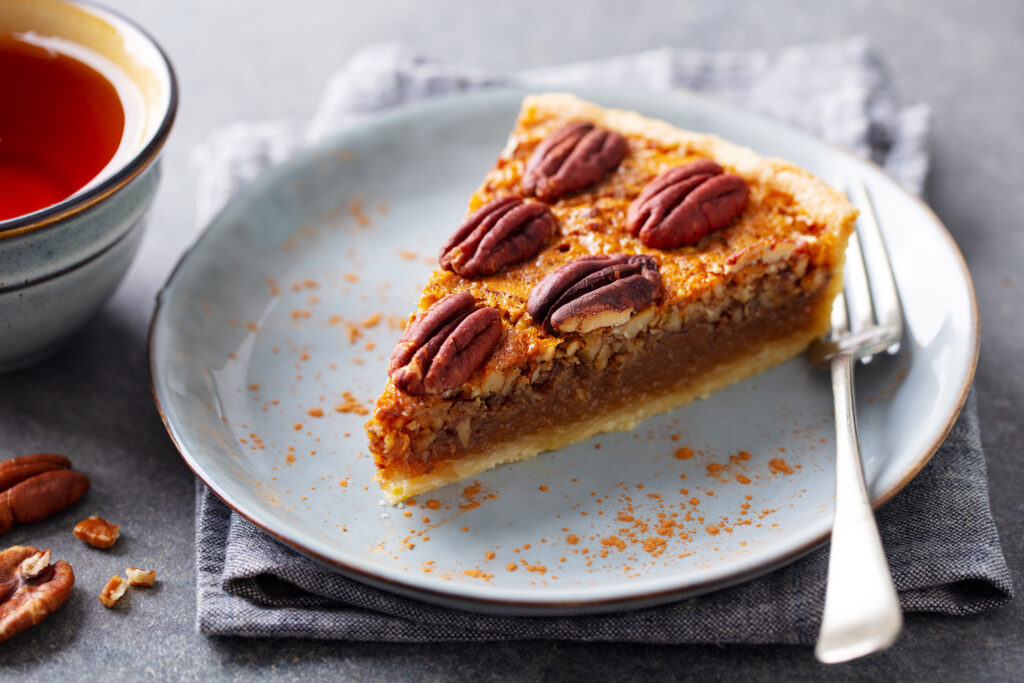
Pecan pie is a classic Southern dessert, often served during holidays like Thanksgiving. To many Americans, it’s the perfect balance of sweet and nutty, with a rich, caramelized filling. However, for non-Americans, the pie’s sweetness is overwhelming, and the combination of sugary filling and nuts can feel like a dessert overload.
While pecan pie has a dedicated following in the U.S., it’s too intense for those not accustomed to such intense sweetness. The rich, syrupy texture combined with the nuts can be a bridge too far for many who prefer lighter, more subtle desserts. This Southern classic is another example of how American food can be too indulgent for foreign taste buds.
Jell-O Salad
Jell-O salad is a strange concept that often leaves non-Americans scratching their heads. Made with gelatin, fruit, and sometimes even mayonnaise or cream cheese, this dish is meant to be a refreshing, quirky side dish. However, the idea of using gelatin as a savory ingredient is baffling to those unfamiliar with it.
For many, the texture of Jell-O is unappealing, especially when paired with fruit or other unexpected ingredients like vegetables or meat. This gelatin-based creation is a hallmark of mid-century American cuisine. Still, it has not won hearts beyond U.S. borders.