Vegetables are meant to be the cornerstone of a healthy diet, yet some have earned a reputation that even the most health-conscious person hesitates to embrace.
From bitter and earthy flavors to off-putting textures, certain vegetables are consistently ranked at the bottom of many people’s food lists. These veggies may have nutritional value, but their taste and texture often lead to avoidance.
Let’s dive into the seven worst vegetables that most people would gladly skip if given the choice.
Brussels Sprouts
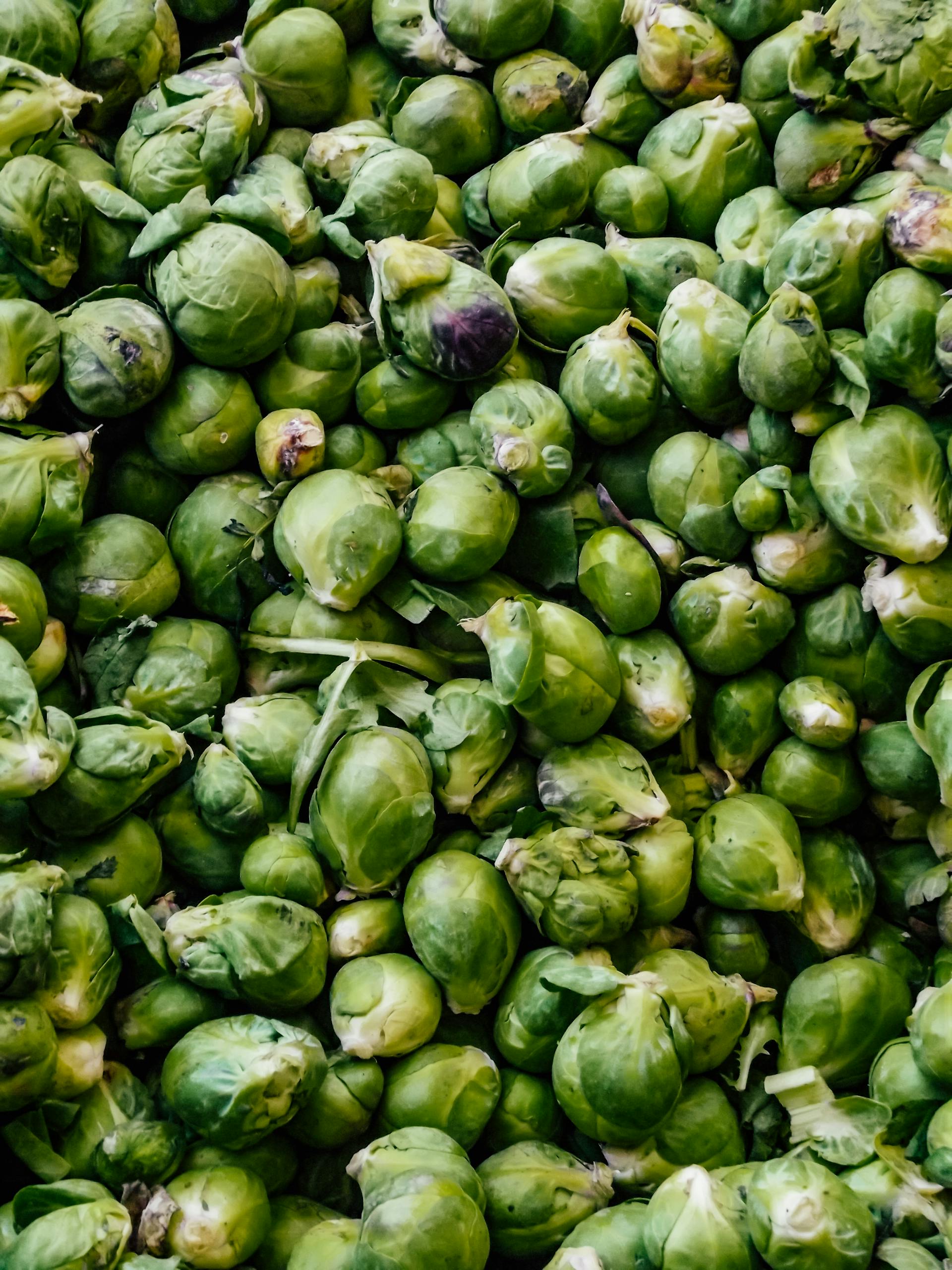
Brussels sprouts are infamous for their strong, bitter taste and unpleasant aroma when cooked, often leaving people with a bad memory of their childhood meals.
Overcooking them makes the bitterness worse and turns them into a soggy, unappetizing mess.
Despite their nutritional value, Brussels sprouts are often avoided because of their strong flavor and aroma. For many, they remain a vegetable to be left off the plate, no matter how many health benefits they offer.
Cauliflower
Cauliflower is a vegetable that often gets lost in the shuffle due to its bland taste and mushy texture when boiled or steamed. It’s often touted as a healthy substitute for grains, but its flavor falls flat compared to more flavorful vegetables.
The spongy texture, particularly when overcooked, makes it a tough sell for many. While it can be transformed into dishes like cauliflower rice or pizza crust, it’s still a vegetable that lacks excitement for most people.
Broccoli
Broccoli is one of those vegetables that divides people right down the middle. While some enjoy its crunchy texture and slightly bitter taste, others find it too tough and overwhelming, especially when overcooked.
Its bitter flavor intensifies when it’s not cooked properly, making it hard for many to love. Despite its numerous health benefits, broccoli’s taste and texture often make it a vegetable many would rather skip at mealtime.
Spinach
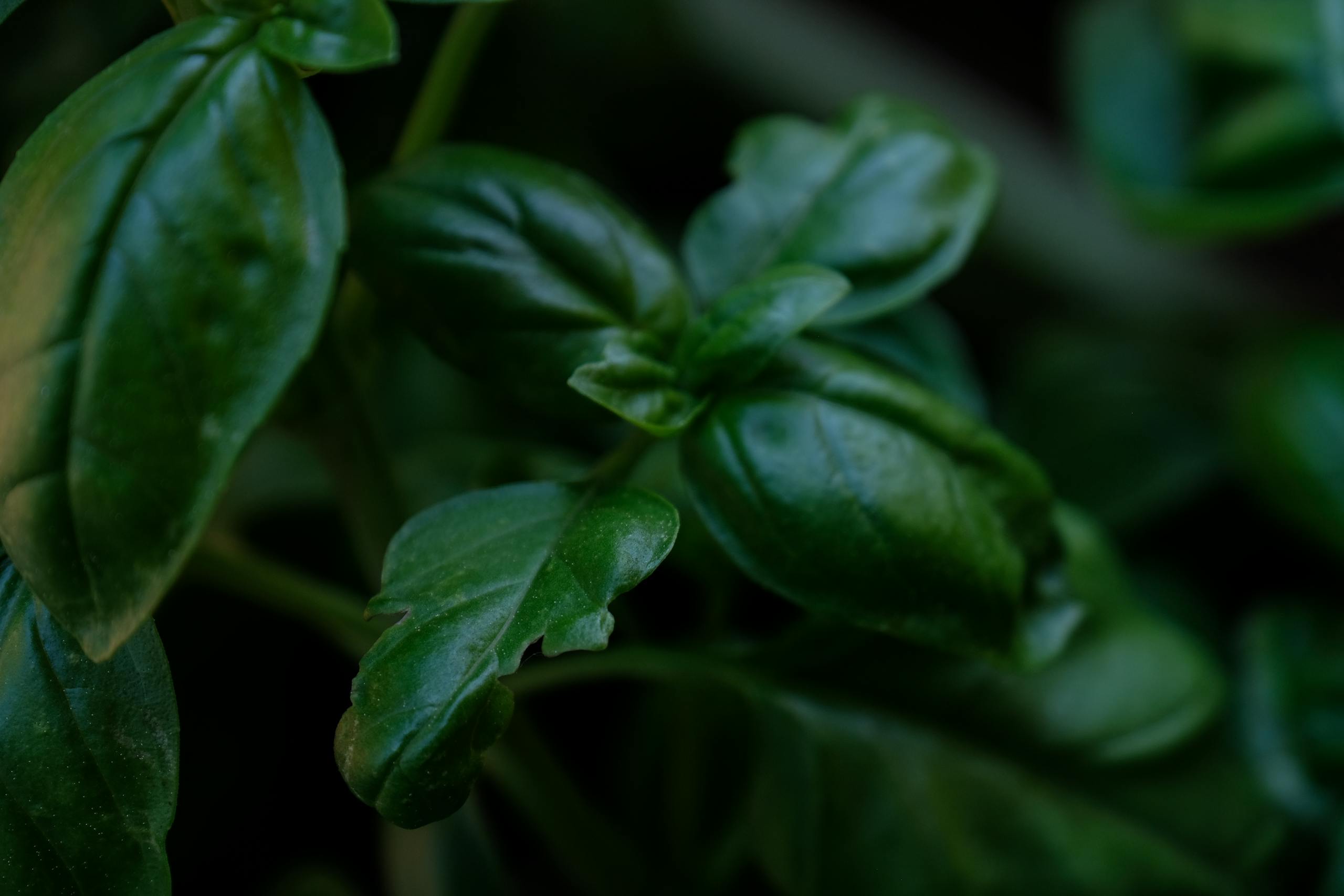
Spinach is nutrient-packed, but its texture makes it hard for many to enjoy. Cooked spinach can turn slimy, which is unappealing to most, while fresh spinach works better in salads.
Its health benefits are clear, but the slimy consistency leads many to avoid it.
Eggplant
Eggplant’s spongy texture and tendency to absorb oil like a sponge make it a challenging vegetable for many to enjoy. When fried or grilled, it often becomes greasy and mushy, taking on an unappetizing texture.
Its mild taste is easily overpowered by sauces or oils, making it a vegetable that fails to stand out on its own. While it can be delicious in Mediterranean dishes, eggplant’s texture and oiliness often turn people off.
Beets
Beets are known for their strong, earthy flavor, which many people find unpleasant. Their taste can be described as metallic or too sweet, and their dense, heavy texture can be off-putting for many.
Though they are packed with antioxidants and other nutrients, beets remain a vegetable that many people would rather avoid. Their overpowering flavor often overshadows other dishes, making them a vegetable that doesn’t reach everyone’s table.
Green Beans
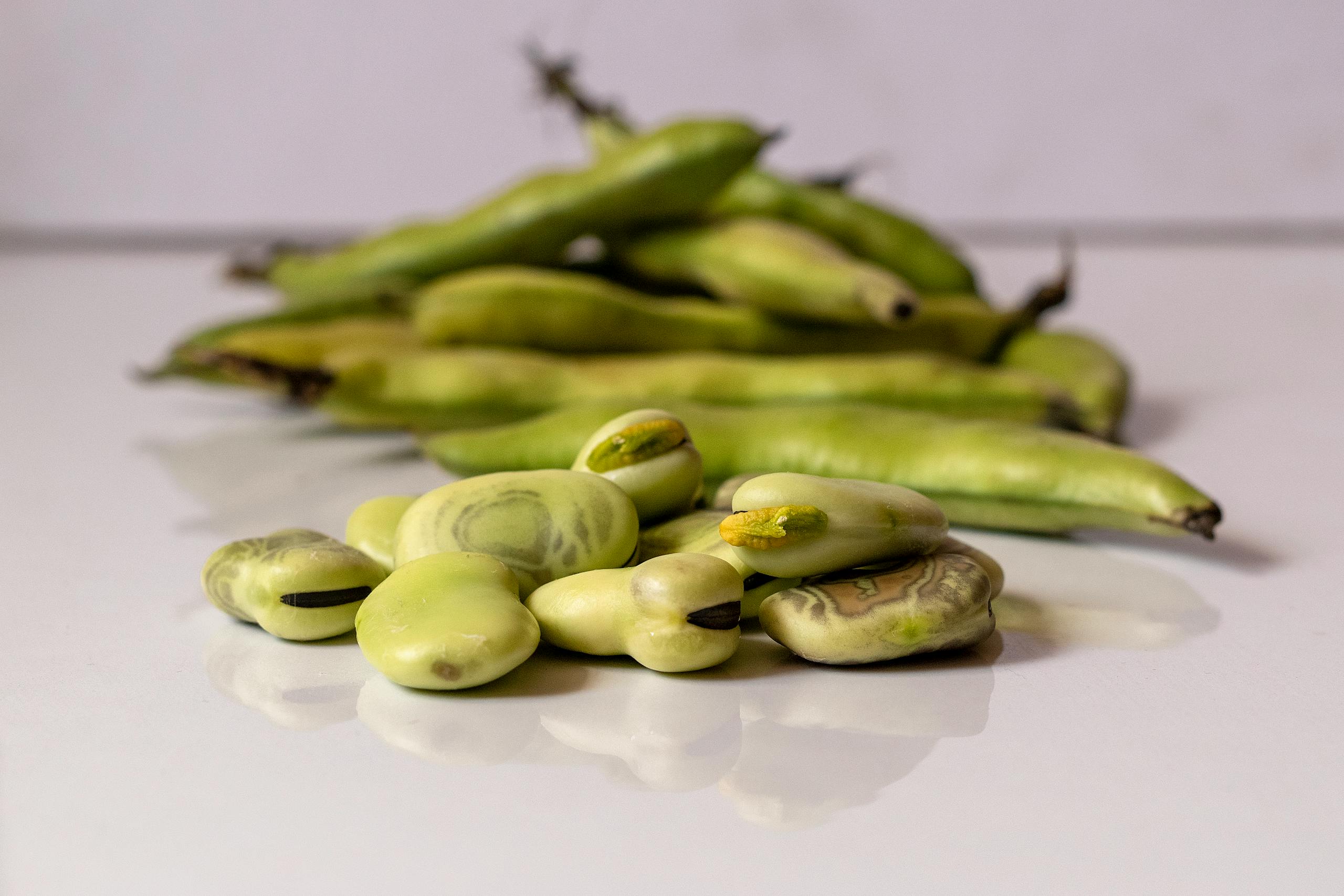
Green beans often fall into the ‘love it or hate it’ category. Overcooked, they become mushy and stringy, losing their crispness.
Their fibrous nature makes them less enjoyable than smoother vegetables, leading many to avoid them unless they are well prepared.
Conclusion
While vegetables are essential to a balanced diet, some are more divisive than others.
Brussels sprouts, cauliflower, broccoli, spinach, eggplant, beets, and green beans are often avoided due to strong flavors or off-putting textures.
Despite their nutritional value, personal preference keeps these vegetables out of many meals.