The quest to create a better world often drives people to pursue causes with good intentions. Yet, throughout history, certain social and political movements have strayed from their noble roots, evolving into platforms that perpetuate more harm than progress.
These movements, although born from dissatisfaction, often become deeply misguided, undermining the very freedoms and equality they claim to champion.
Here are ten such movements that have had an undeniably negative impact.
Men’s Rights Activism (MRA)
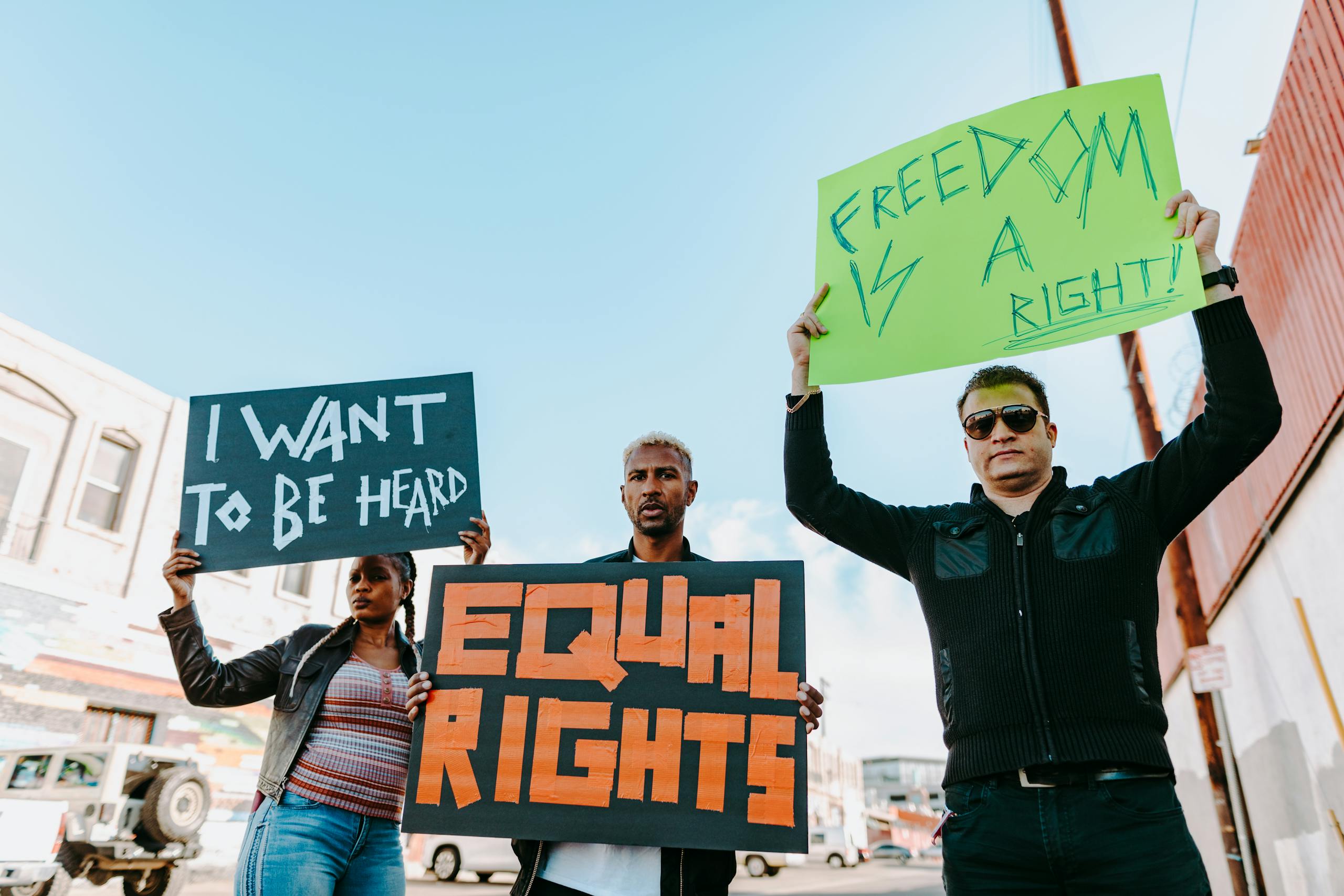
The Men’s Rights Movement (MRA) has gained considerable attention in recent years. Proponents of this movement, often associated with the term “meninism,” argue that modern society discriminates against men, highlighting issues such as male suicides, higher incarceration rates, and the stereotype of men as poor parents.
While some of these points have merit, the MRA’s rhetoric quickly devolves into a platform for misogyny and the rejection of feminism.
By dismissing the progress made for women and accusing them of misandry, the MRA risks alienating the very societal forces that could work towards equitable solutions for both genders.
Instead of acknowledging the damaging effects of traditional gender roles on both men and women, MRAs often cling to outdated stereotypes, portraying women as the enemy.
Their rhetoric sometimes spills into dangerous territory, overlapping with pick-up artist (PUA) culture, which encourages the manipulation of women.
In the most extreme cases, the movement has been linked to violent acts, with men like Elliot Rodger infamously taking their rage out on women in tragic shootings.
TERFs and SWERFs
Feminism has always been about fighting for the rights and equality of women, yet some factions within the movement have veered away from this original purpose.
Trans-Exclusionary Radical Feminists (TERFs) and Sex Worker-Exclusionary Radical Feminists (SWERFs) represent a problematic fringe of feminism.
TERFs reject the inclusion of trans women in the feminist conversation, denying the legitimacy of transgender women’s identities and creating divisions among those who should be allies.
Similarly, SWERFs, while ostensibly aiming to protect women, target those who choose to work in the sex industry, dismissing their agency and denying them the rights of other women.
Feminists who support the rights of sex workers argue that this exclusionary stance reinforces patriarchal structures and stifles the movement’s potential to empower all women, regardless of profession.
North Korea Apologists
Despite the widespread human rights abuses and systemic oppression within North Korea, there exists a small group of apologists who romanticize the regime as a bastion of resistance against Western imperialism.
These individuals, often motivated by anti-American sentiments, willfully ignore the suffering of the North Korean people under a totalitarian regime.
They view the country through a warped lens, asserting that the regime’s propaganda is merely a fight for national sovereignty.
However, their idealization of North Korea is nothing short of dangerous. The harsh truth is that millions of North Koreans live in abject poverty, endure indoctrination, and face extreme punishment for minor offenses.
Apologists fail to address the brutal reality of life in the country, including the existence of labor camps, widespread famine, and the complete lack of personal freedoms.
In their attempt to critique Western powers, they inadvertently perpetuate a system of oppression and tyranny.
Anti-Halal Movement

The rise of the anti-halal movement in Australia has shed light on a xenophobic undercurrent within certain segments of society. The controversy centers on halal certification, which signals to Muslim consumers that a product meets dietary restrictions.
While the certification process is purely religious, some critics have made unfounded claims that it supports terrorism and undermines national values.
In reality, there is no evidence to support these accusations. Halal certification has been a standard practice in many countries for decades, contributing significantly to Australia’s economy through exports to Muslim-majority countries.
Yet, the movement continues to sow division, targeting companies and individuals for their religious practices.
What began as a campaign for consumer transparency has spiraled into an unsubstantiated attack on a religious minority, fueled by fear rather than fact.
Freeman-On-The-Land Movement
The Freeman-on-the-Land movement encourages individuals to reject the authority of the state and its laws, claiming they are not bound by governmental jurisdiction.
This pseudo-legal ideology argues that people can disavow their legal identity and opt out of obligations such as paying taxes or obeying laws.
Though the movement presents itself as a form of legal rebellion, its foundation is built on misinterpretations of law and legal procedures. Those who follow this ideology often draft their own contracts and refuse to abide by basic civil laws.
In the end, these beliefs only harm individuals by preventing them from participating fully in society and enjoying the benefits of a stable legal framework.
Anti-Vaccination Movement
The anti-vaccination movement is one of the most significant threats to global public health in recent years.
Fueled by misinformation, social media, and pseudoscience, anti-vaxxers argue that vaccines cause harm, citing debunked studies and anecdotes rather than scientific evidence.
The consequences of this movement are severe. Vaccines have been responsible for the eradication or control of deadly diseases like smallpox, polio, and measles.
Yet, due to the growing reluctance to vaccinate, outbreaks of these preventable diseases are on the rise once again.
The movement not only jeopardizes the health of individuals but also endangers entire communities, especially those who cannot be vaccinated due to medical conditions.
Climate Change Denial
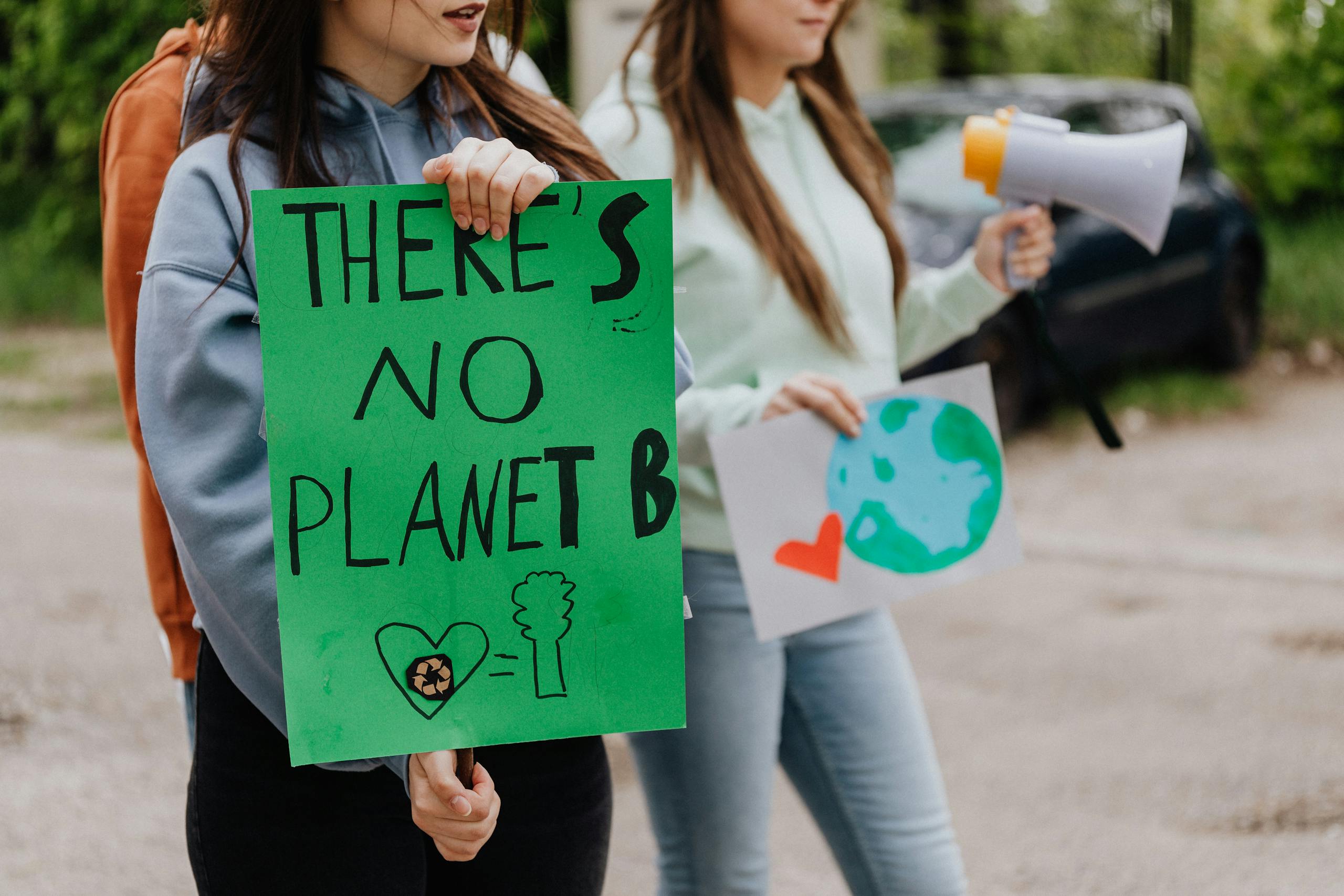
Despite overwhelming scientific evidence and the consensus of experts, the climate change denial movement continues to push back against the urgent need for action.
Denialists argue that climate change is either exaggerated or a natural occurrence, undermining global efforts to combat the environmental crisis.
This movement is harmful not only because it delays necessary action but also because it spreads misinformation that can affect policy and public perception.
The consequences of inaction on climate change are dire: rising sea levels, extreme weather events, biodiversity loss, and the displacement of millions of people. Ignoring these issues today will only result in more severe challenges for future generations.
9/11 Conspiracy Theories
The 9/11 conspiracy theories have persisted for nearly two decades, with various groups claiming that the terrorist attacks on the United States were an inside job orchestrated by the U.S. government.
These theories, despite being debunked numerous times by experts, continue to gain traction in certain circles.
By distorting facts and promoting unfounded ideas, these conspiracy theorists undermine trust in both government institutions and the media.
Worse, they detract from the real issues at hand, such as the global fight against terrorism, the protection of civil liberties, and the healing process for the victims of the attacks.
White Nationalism
White nationalism, or the belief in the superiority of the white race, has seen a resurgence in recent years, fueled by economic anxieties, political polarization, and growing immigration. This movement promotes a dangerous agenda of racial purity, exclusion, and violence.
White nationalists often frame themselves as defenders of their cultural identity, yet their rhetoric perpetuates division, hate, and violence.
By viewing diversity as a threat, this movement seeks to erase the progress made toward racial equality and social harmony. The rise of white nationalism has led to acts of domestic terrorism and increased racial tension worldwide.
Anti-LGBTQ+ Movements
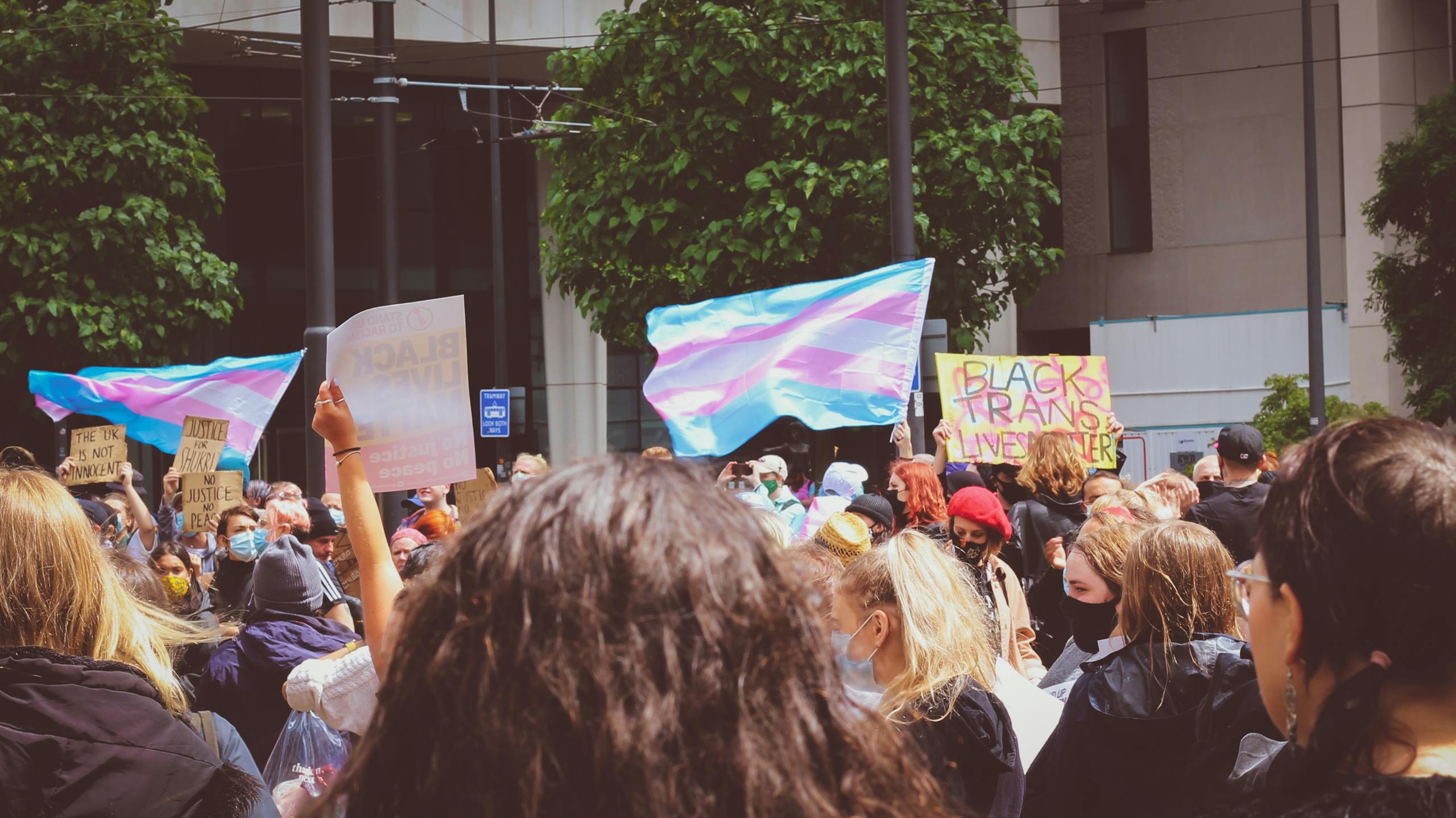
Anti-LGBTQ+ movements, which seek to deny equal rights and recognition to sexual and gender minorities, continue to be a pervasive force in many parts of the world.
These movements, often rooted in religious fundamentalism or cultural conservatism, promote harmful stereotypes and actively seek to criminalize LGBTQ+ identities.
By denying the humanity of LGBTQ+ individuals, these movements perpetuate discrimination, violence, and mental health crises.
The fight for LGBTQ+ rights is a fight for basic human dignity and equality, and movements that oppose these rights only contribute to further harm and division.
Conclusion
These movements, though varied in their origins and aims, share one common trait: they all stem from misunderstanding, misinformation, and, in some cases, deliberate malice.
Understanding their flaws and the harm they cause is the first step toward challenging these dangerous ideologies and advocating for a more inclusive, rational, and compassionate society.