We’ve all been there, entering a store with a shopping list and leaving with more than we intended. Whether it’s that irresistible “deal” or the clever tricks designed to make us part with our money, companies employ a variety of tactics to influence our buying decisions.
Here’s a breakdown of the most common sneaky strategies that businesses use to make us spend more, often without us even realizing it.
The Decoy Effect
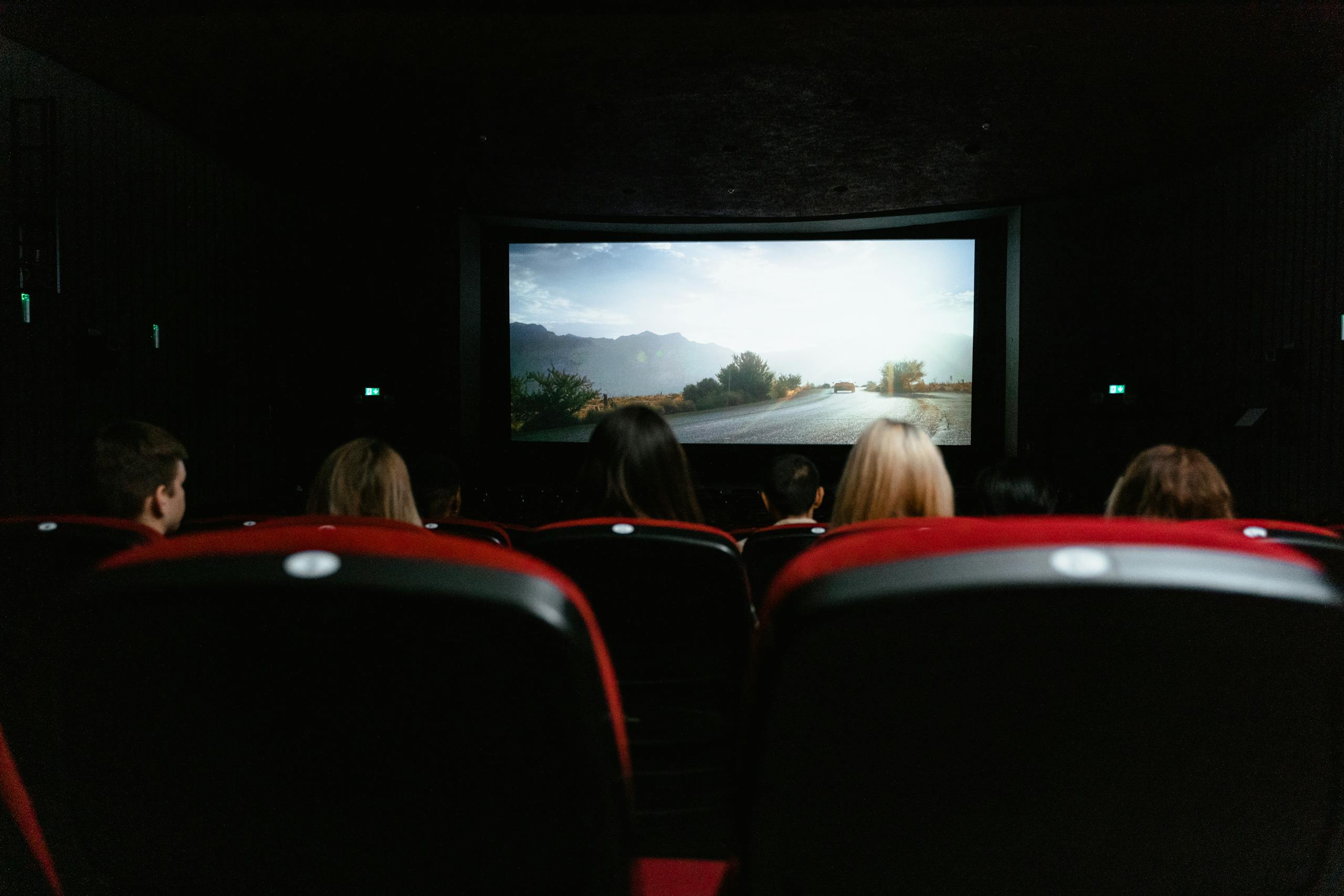
Next time you’re at a movie theater or restaurant and find yourself questioning why the medium-sized snack costs so much more than the small, think about the decoy effect.
Companies intentionally place a “decoy” item, usually something just slightly less expensive than the most expensive option, to make the more costly choice seem like a better deal.
For example, a $6 popcorn might seem like a steal when the large is just $7. The decoy trick plays on our perception of value, pushing us to spend more.
Dropping the Dollar Sign
Ever noticed that some upscale restaurants remove the dollar sign from their menu? This subtle move makes us less aware of the pain of paying.
Researchers have found that people tend to spend more in establishments that omit dollar signs because the prices seem less intimidating.
Without the dollar symbol, we’re less likely to associate the cost with money and more likely to treat it as an abstract value.
It’s a simple psychological hack that makes us feel like we’re spending less, leading us to order more or choose a more expensive item.
Tiny Tiles to Slow You Down
Retailers understand how to control shoppers’ pace. Research shows that when stores use small tiles on their floors, shoppers physically slow down, spend more time in the store, and are more likely to make a purchase.
A study by Professor Nico Heuvinck of the IESEG School of Management found that narrow gaps between floor tiles encouraged customers to take their time. Slowing down the shopping experience leads to more browsing and more buying.
The Alluring .99 Prices
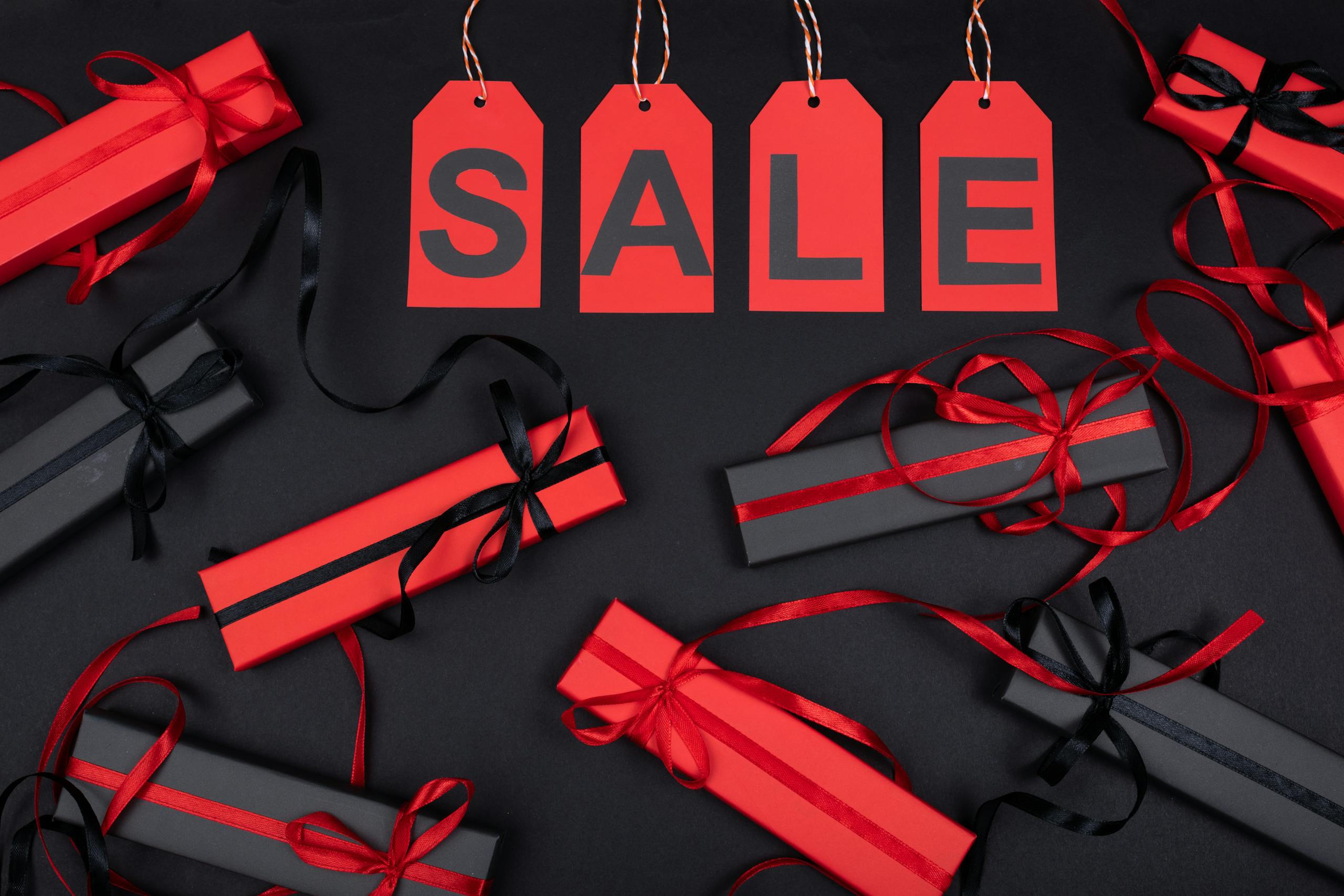
We’ve all seen the price tag: “$19.99” instead of “$20.” It’s not just a marketing gimmick; it’s based on psychological research.
The left-digit effect means that we perceive $19.99 as much closer to $19 than to $20, even though the difference is only 1 cent.
This small price change trickery leads us to believe we’re getting a better deal, which often results in us purchasing more.
10 for $10
Have you ever bought items on sale with a “10 for $10” sign, only to realize you don’t even need ten? Retailers use this technique to get us to buy more than we need.
The “10 for $10” sign may as well say “1 for $1” because that’s all you really need to spend. But we often purchase more, believing we’re getting an extraordinary deal.
This technique works particularly well for products we use regularly, like toiletries and snacks, convincing us to stock up when we might not have otherwise.
Rude Salespeople
Here’s an odd one: some luxury stores intentionally hire snobby or rude salespeople. Why? Because it makes shoppers feel like they need to fit in.
Luxury buyers often seek validation that they belong in that exclusive, high-end environment. When confronted with a rude salesperson, they believe purchasing the product will elevate their social status.
This phenomenon was demonstrated in a study by the University of British Columbia, which found that luxury shoppers were more likely to buy when staff treated them condescendingly. It taps into the desire for exclusivity and social belonging.
While Supplies Last
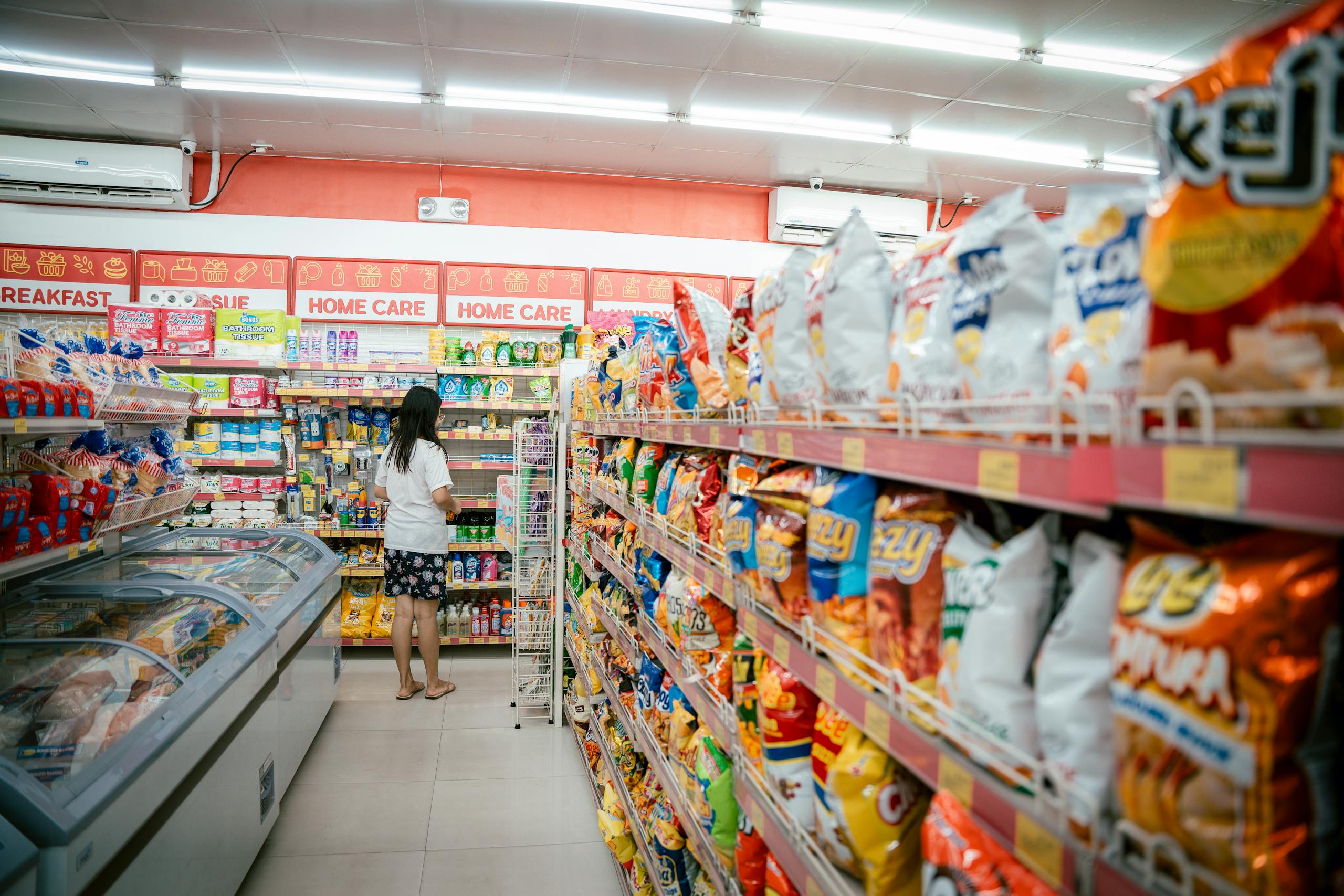
When a store tells you, “Only 5 items left at this price,” they’re not necessarily running low on stock. They’re using the scarcity principle, an age-old tactic to push you into buying quickly.
We’re hardwired to value things more when we believe they’re in limited supply. This illusion makes us act fast, sometimes buying more than we intended.
The psychological effect of scarcity was illustrated in an experiment where people rated cookies in a nearly empty jar as more valuable.
It’s the same concept used by retailers and airlines when they create urgency through limited-time offers or “few items left” notices.
Tiny Fonts for Sale Prices
Price tags often feature two prices: the original price and the sale price. But what if the sale price were written in a smaller font?
Researchers have found that when sale prices are written in smaller text, consumers are more likely to make a purchase.
The psychological reasoning is that a smaller font subconsciously signals that the sale price is “less important” than the original price, making us feel like we’re getting a real deal.
Descriptive Menus
Restaurants know that words matter, especially when it comes to menu descriptions. Think about the difference between “chicken sandwich” and “grilled chicken breast with fresh lettuce, tomatoes, and a tangy aioli sauce, served on a toasted artisan bun.”
The latter makes the meal sound much more appealing, leading diners to feel they’re getting more value and encouraging them to spend more.
Researchers found that detailed descriptions increased sales by 27%. Restaurants also boost revenue by listing the brand names of their ingredients, such as using “Jack Daniel’s sauce” instead of simply “whiskey sauce.” This practice taps into our perception of quality, pushing us to spend more.
Targeting Kids

If you’ve ever wondered why your kids are drawn to certain cereals, it might have something to do with where the cereal box is placed on the shelf.
A study from Cornell University found that cereal boxes marketed toward children were often positioned at a height just above their eye level.
Not only that, the characters on those boxes are designed to make direct eye contact with the children, making them feel as if the product is speaking directly to them.
This simple trick increases the likelihood that children will choose a product. When these characters “look” at kids, they’re significantly more likely to pick it off the shelf.
Conclusion
While many of these strategies are clever, they’re not invincible. By understanding the psychology behind these tricks, you can become a more informed consumer and make better purchasing decisions.
Whether it’s resisting the allure of decoy prices or staying calm when confronted with urgency tactics, being mindful of these hidden influences can help you avoid overspending.
When you’re aware of these psychological tactics, you’ll be better equipped to navigate the complex world of retail and make smarter, more deliberate choices in your shopping habits.