If you’ve ever left the grocery store feeling like your bank account is lighter than your cart, you’re not alone.
Whether it’s the allure of fancy packaging, the convenience of pre-packaged meals, or simply the habit of grabbing what’s familiar, many of us unknowingly spend more than necessary on items that can easily be swapped for smarter alternatives.
Let’s uncover the truth behind the 7 most common grocery items that might be costing you a pretty penny.
Bottled Water

It’s tempting, isn’t it? The crisp, clean bottles stare at you from every aisle. But let’s be real—water is free. Tap water, filtered or not, costs mere cents compared to bottled versions.
By using a reusable bottle and investing in a filter, you’ll not only save money but also reduce plastic waste. And guess what? Your body won’t even know the difference.
Pre-Packaged Salads
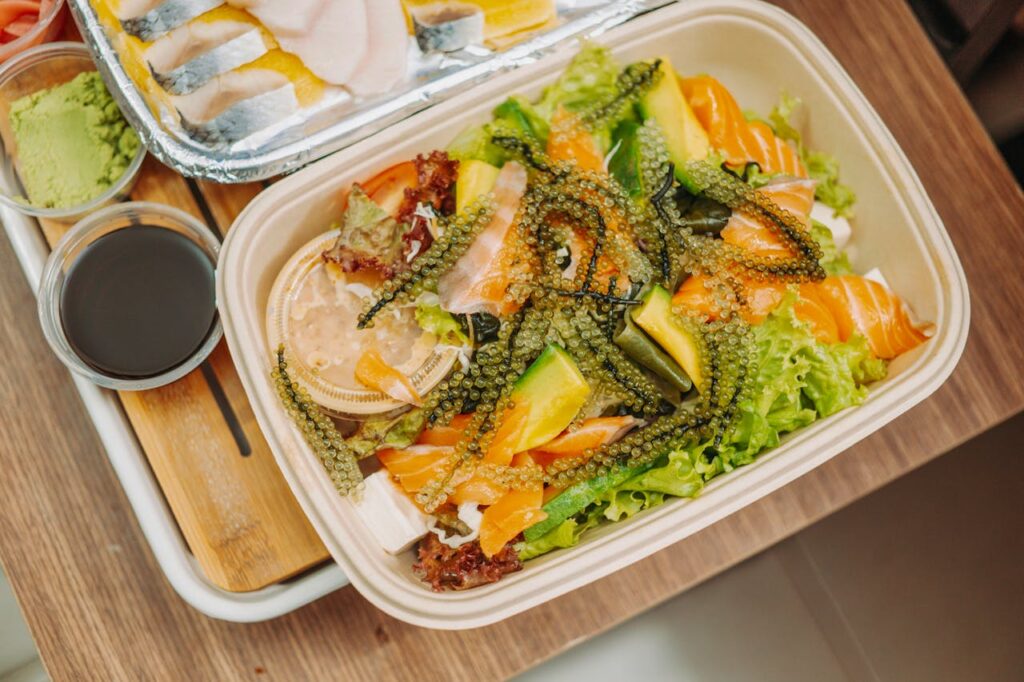
Who doesn’t love the convenience of grabbing a pre-packaged salad mix? But you’re paying for the convenience, not the quality.
A bag of washed lettuce and veggies may cost you three to four times as much as buying the fresh produce and chopping it yourself. With a little prep time, you can create multiple meals from a head of lettuce for a fraction of the cost.
Single-Serve Snacks

Single-serving snack packs are perfect for on-the-go days, but they’re often overpriced compared to bulk options.
Those small bags of chips, nuts, or crackers may seem like a time-saver, but in the long run, you’re better off buying larger packages and portioning them yourself. Your wallet will thank you.
Pre-Cut Fruit
Buying pre-cut fruit is all about convenience, but it’s also a massive markup. A whole watermelon or pineapple may take a bit of effort to slice, but it’s a far cheaper and more satisfying option than pre-cut fruit in plastic containers.
A few minutes of slicing could save you a significant amount of money—and you’ll get more servings from a whole piece.
Organic Products (Not Always What They Seem)
While organic produce often comes with the promise of higher quality, it’s not always worth the premium price. For some fruits and vegetables, the difference between organic and non-organic is negligible in terms of nutrition.
If you’re on a budget, focus on buying organic for the “Dirty Dozen”—those most heavily pesticide-laden produce—while skipping the organic label for items that are grown with fewer chemicals to begin with.
Packaged Spices
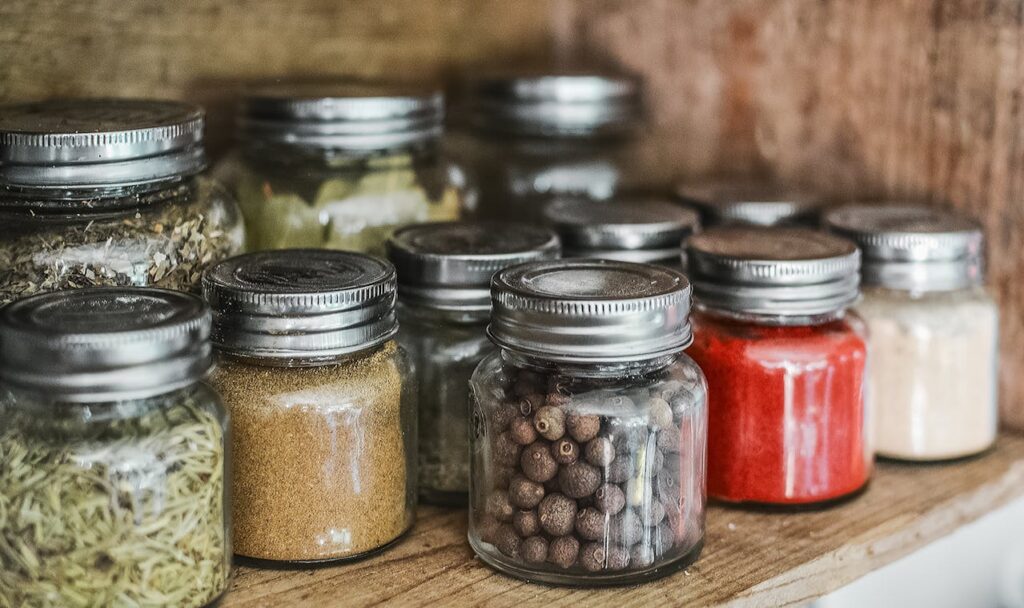
Spices are essential in any kitchen, but the tiny bottles sold at the store often come with a hefty price tag. Instead of buying pre-packaged spice bottles, consider buying spices in bulk.
You’ll get more for your money and likely find the flavor of bulk spices to be more intense and fresh.
Specialty Coffee Drinks
We’ve all been there—the temptation of the café down the street for a mid-morning pick-me-up. But let’s face it: those lattes and specialty coffee drinks come at a steep price.
Brewing your coffee at home, especially with a French press or pour-over method, can save you hundreds of dollars each year. All you need is some high-quality beans and a little time, and you’ll be sipping café-quality coffee at a fraction of the cost.