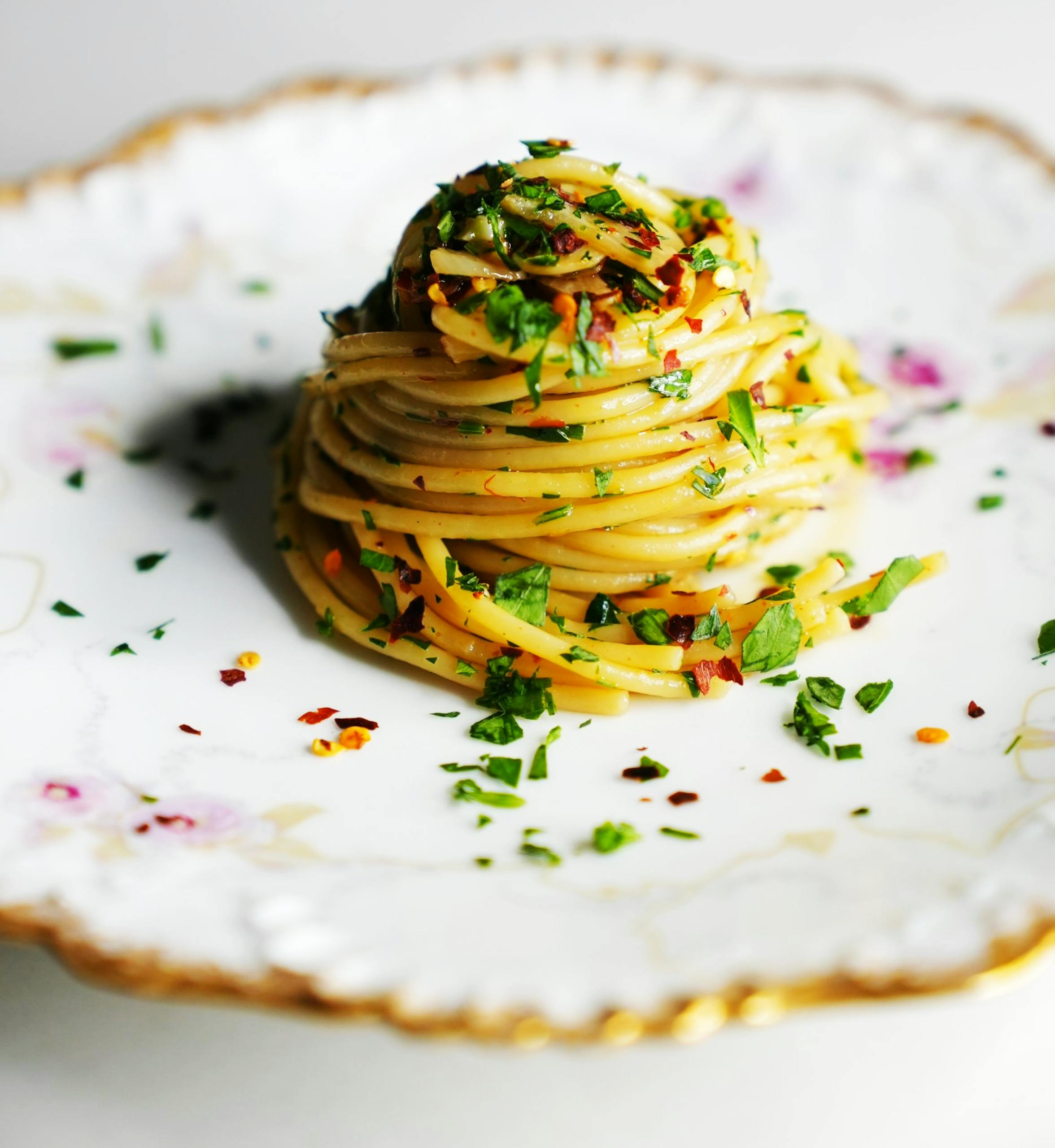
You’ve probably sat at an elegant restaurant, eyeing a pricey plate, and wondered, Why is this so expensive? Many foods now seen as luxuries—the kind served under cloches with tiny garnishes—began as garbage, cheap scraps, peasant fare, or leftovers.
The lowest foods have been repackaged to symbolize wealth, status, and culinary refinement. This isn’t just a gradual taste change. It’s about cultural bias, class, scarcity, and marketing turning trash into treasure. Here are ten foods that made this climb from garbage to gourmet.
Chicken Wings
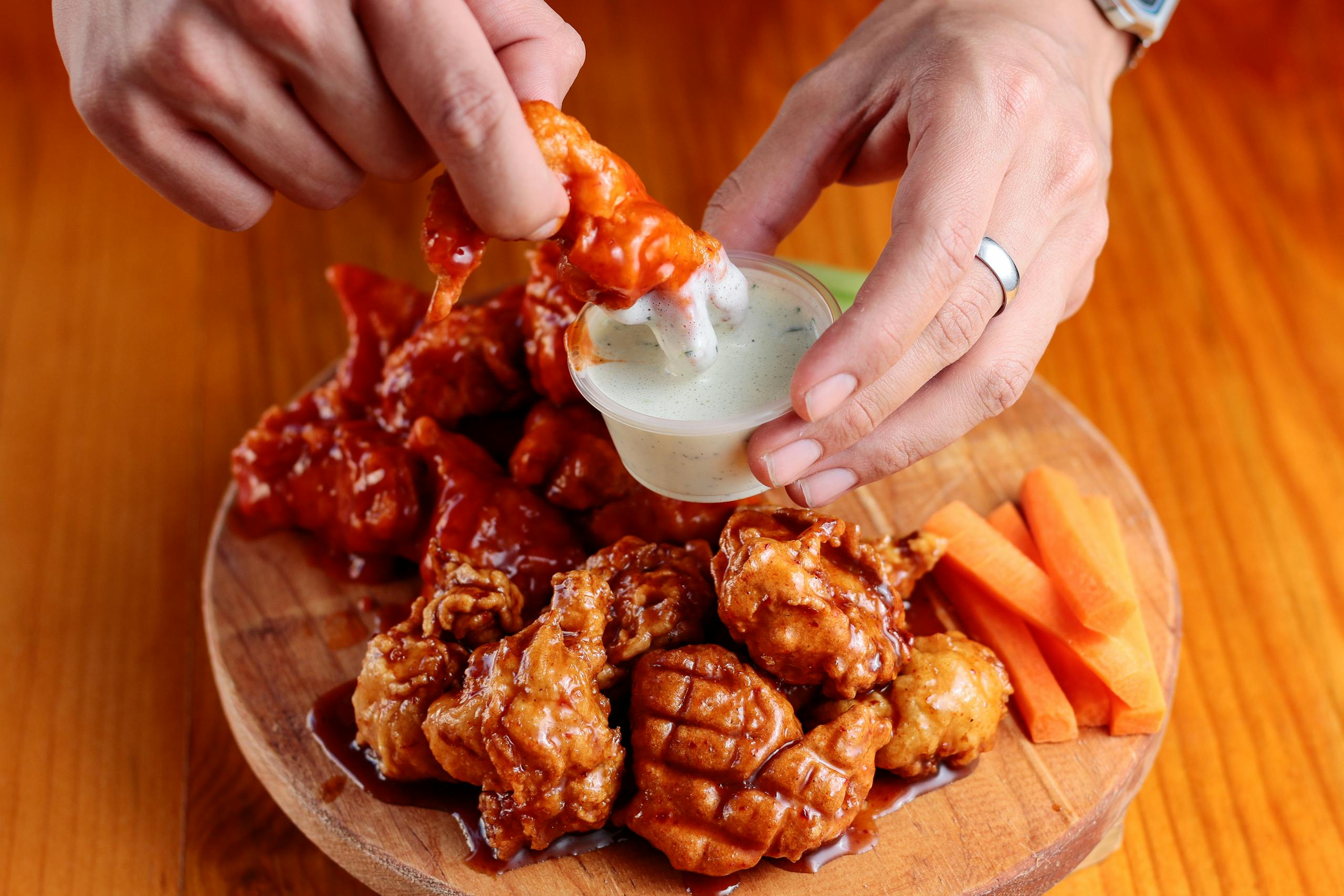
Chicken wings were once leftovers, saved for stock or discarded, rarely valued beyond regional uses.
That changed in the 1960s with Buffalo wings in New York, turning wings into a global bar snack. Today, they’re a celebrated menu item, sometimes sold as gourmet fare.
Portobello Mushrooms
Portobello mushrooms weren’t always a culinary darling. Farmers historically discarded these oddly shaped fungi because they didn’t fit consumer expectations and weren’t considered valuable.
In the 1980s, a clever marketing push renamed them portobellos and highlighted their hearty texture. Suddenly, restaurants were stuffing them, serving them as vegetarian “steaks,” and charging top dollar for dishes that used to be thrown in the compost.
Sushi
Sushi once served a practical purpose: preserving fish with rice. Over centuries, it evolved into nigiri and sashimi, finally becoming a luxurious specialty, especially in Western fine dining.
Caviar
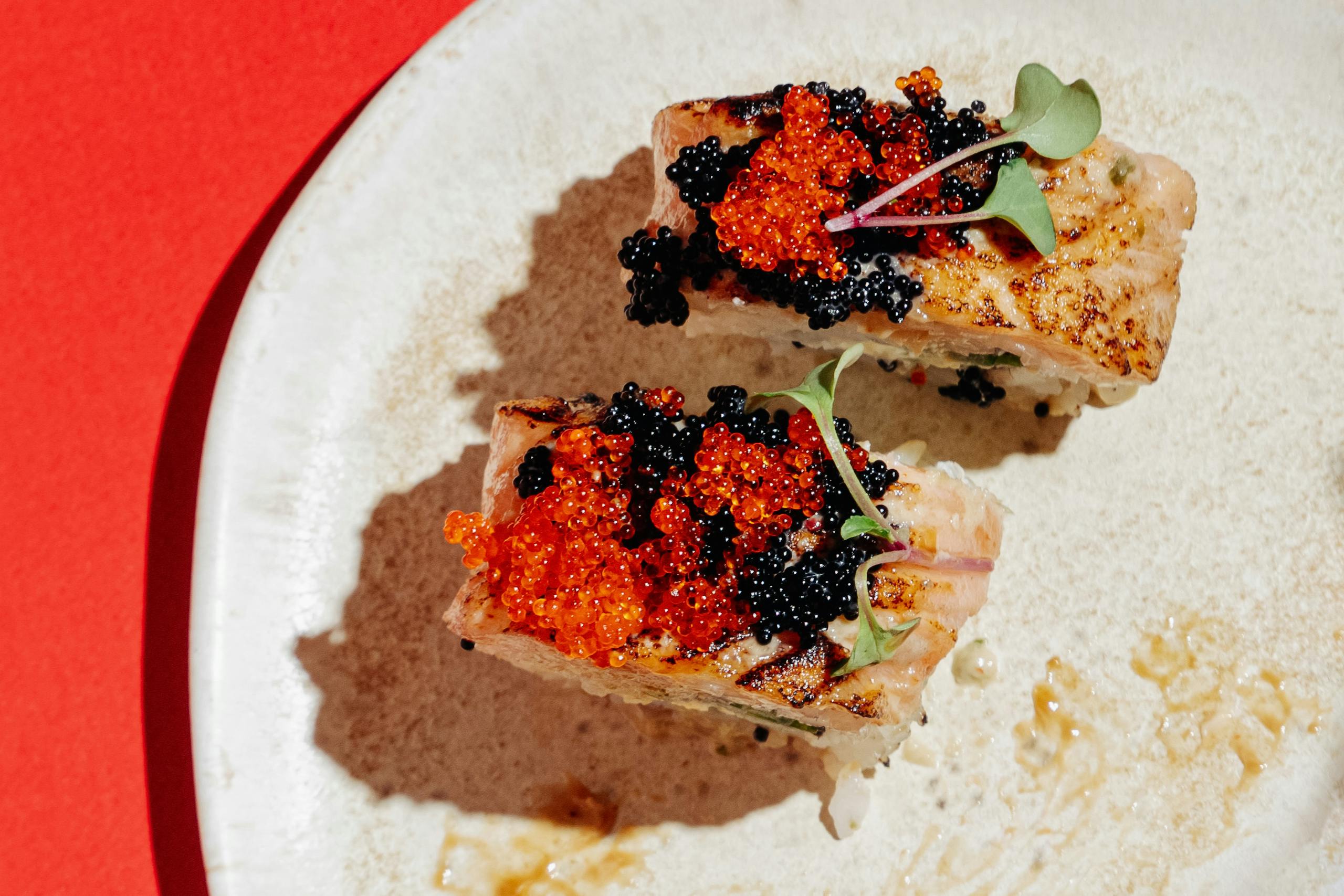
Caviar is perhaps the most extreme example of culinary ascension. Decades ago, fishermen on the Caspian and Black Seas often consumed sturgeon roe casually or even served it free in saloons to whet appetites.
As wild sturgeon became rarer due to overfishing and demand increased, caviar prices soared. Today, that once-ignored fish egg is one of the world’s most exclusive foods.
Snails
Snails were often considered a cheap protein, reserved for peasants in hard times.
Through French culinary refinement, they became escargot—a luxury starter in garlic butter. Their rise was both cultural and gastronomic.
Foie Gras
Foie gras now signals decadence and indulgence, justifying high prices. Its roots lie in simple force-feeding by farmers, and its fine-dining status emerged gradually and controversially as tastes and traditions changed.
Goat Cheese
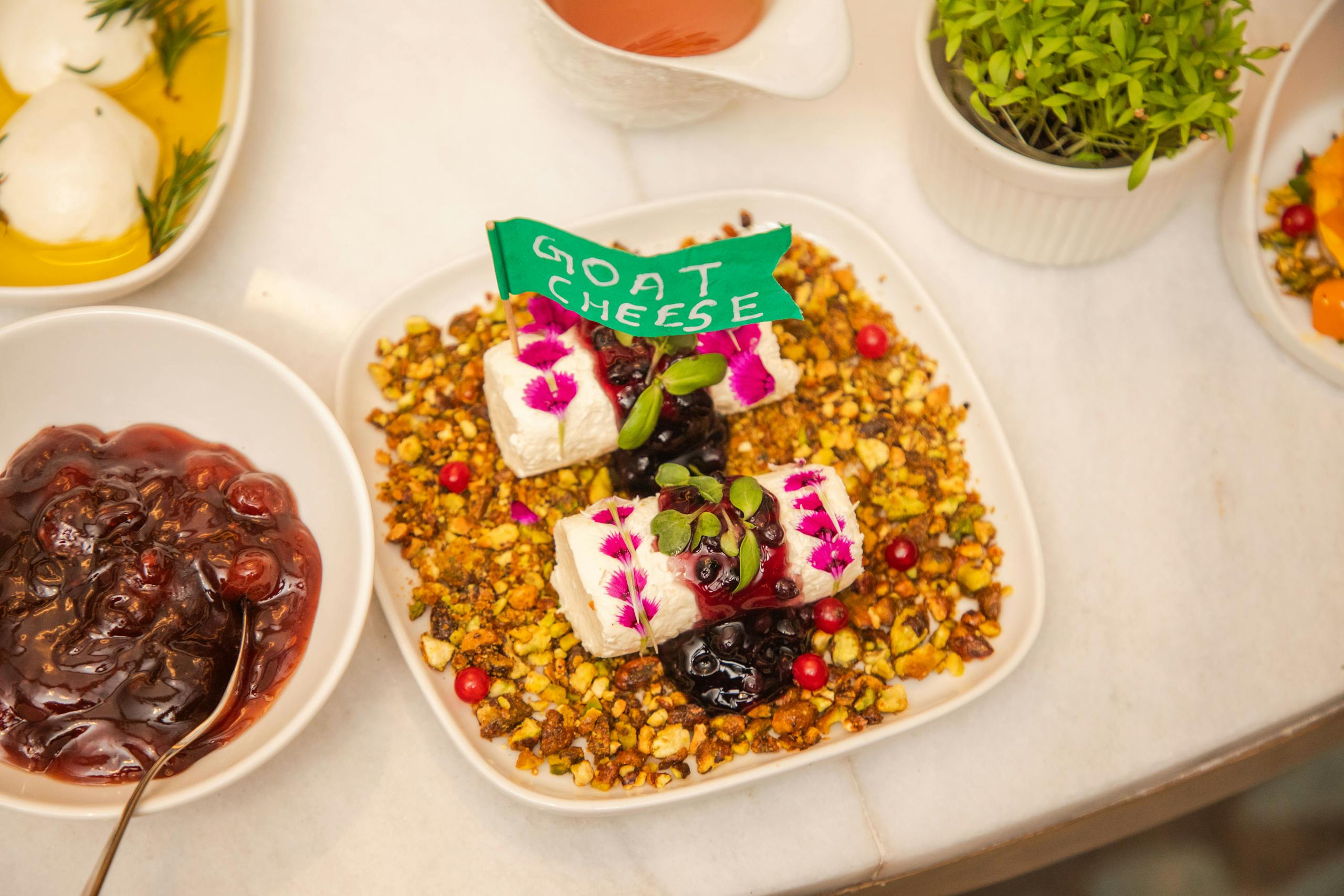
Goat cheese once signaled poverty, tied to its origins with low-income farmers. Its tangy flavor wasn’t always prized. Over time, particularly in Europe, it became a staple in markets and upscale restaurants worldwide.
Kale
Kale’s journey is recent. Once a hardy, cheap green for the needy, it now anchors pricey salads and smoothies, thanks to wellness trends and social media.
Lobster
Lobster may best show trash-to-treasure. Early colonial Americans saw lobster as cheap and plentiful, fit for prisoners and livestock. Now, it’s a global symbol of fine dining indulgence.
Budae-jjigae
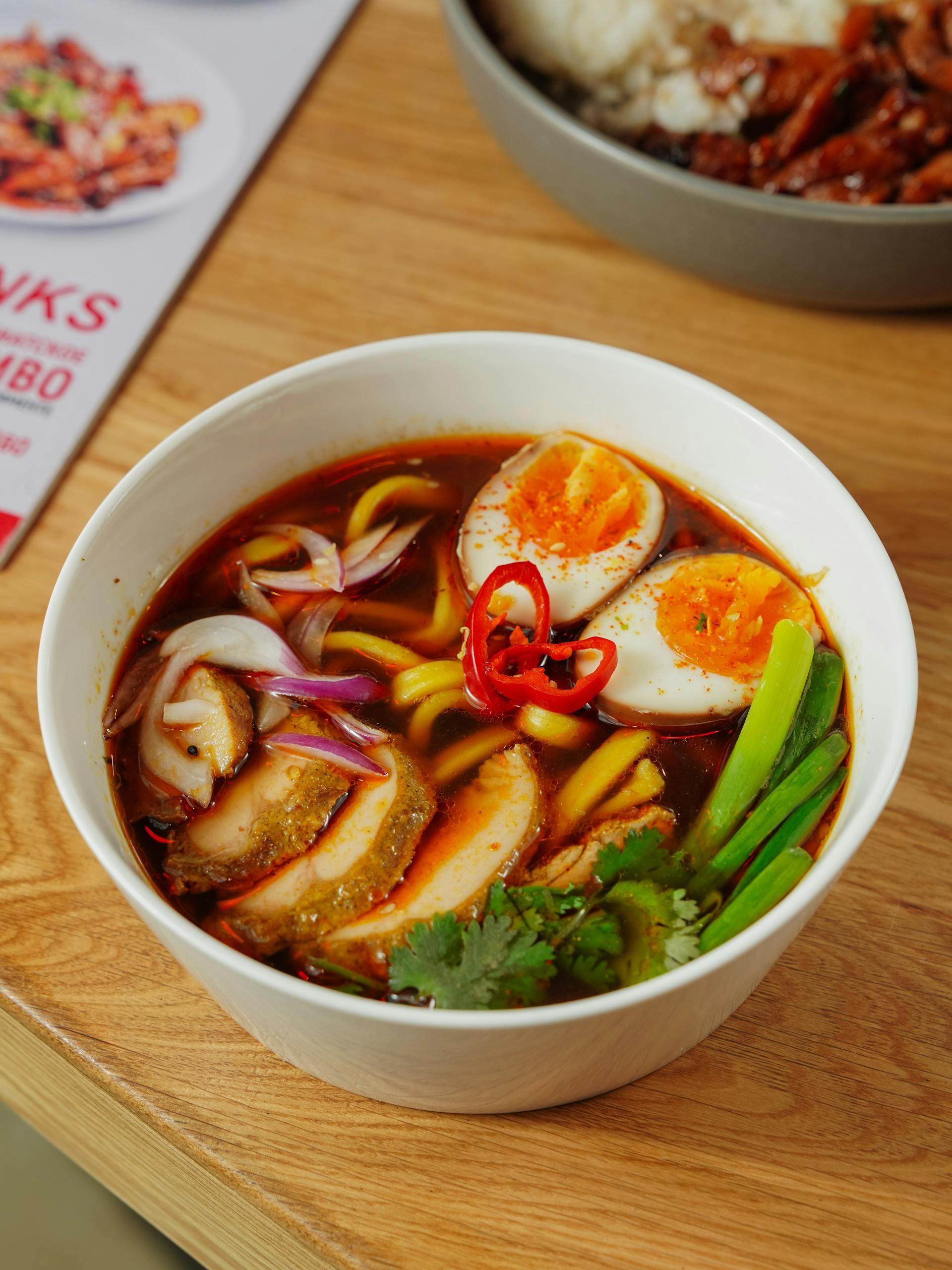
While not as universally known yet, budae-jjigae — literally called “army base stew” — illustrates how necessity can become culinary identity. Born out of post‑war scarcity, this dish combines leftover processed foods like canned meat, spam, and cheap noodles — remnants and rejects from U.S. army bases.
Though sometimes disparagingly nicknamed “gas pipe soup” or a “garbage stew” in some cultural discussions, it’s now celebrated in Korea as a comfort classic and even showcased in specialized restaurants.
Conclusion
Food evolves through culture, scarcity, economics, and storytelling—not just taste. What was once garbage can become high cuisine.
These transformations show culinary value is more than flavor; it’s about meaning and history.