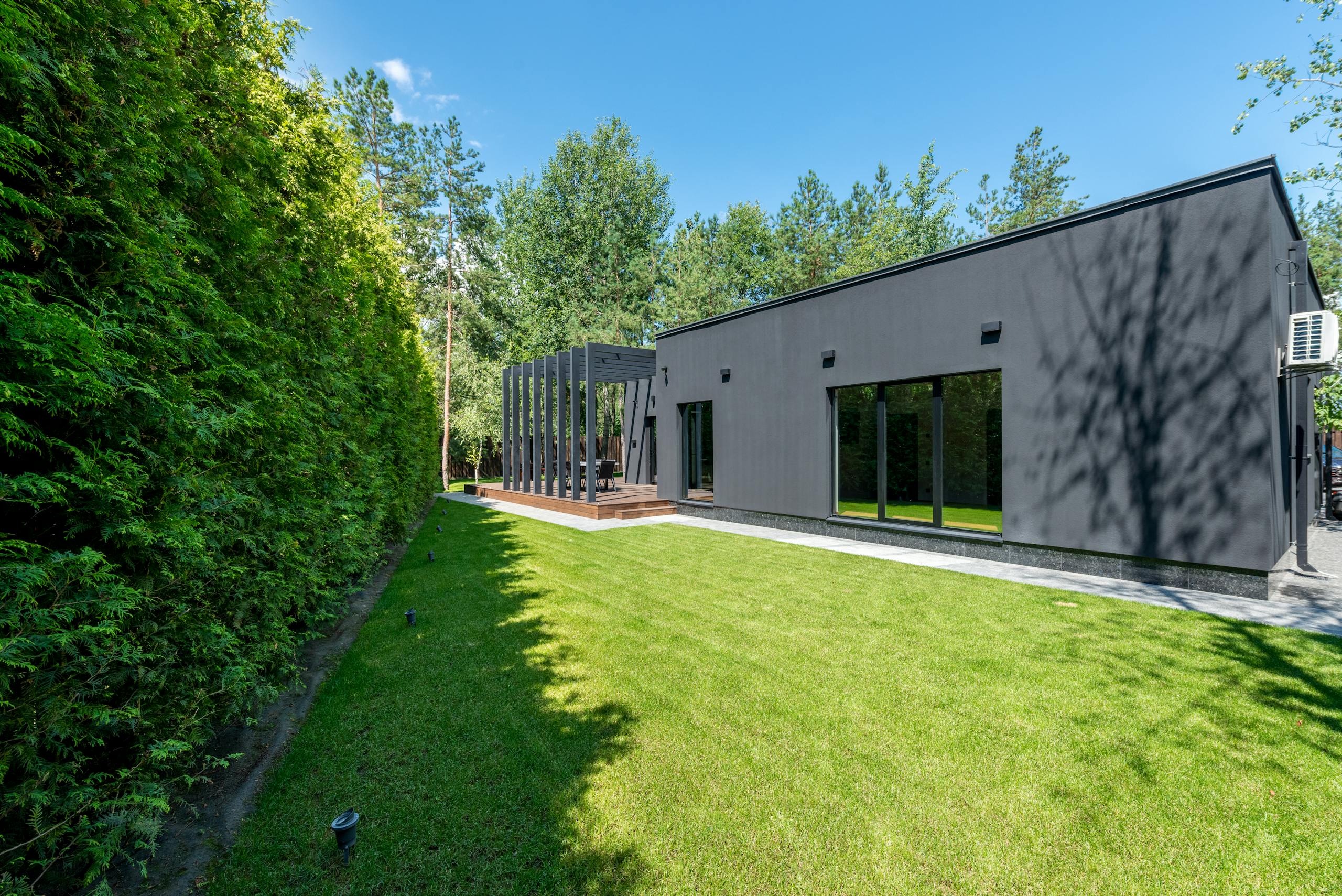
So you’ve fallen in love with that charming, centuries-old home. The squeaky floors, the high ceilings, the vintage details, it feels like stepping into history. But before you get swept away by nostalgia, there’s a hard truth lurking behind the wallpaper. Old homes, while full of character, come with a slew of hidden risks that can leave your wallet and sanity in tatters.
Here’s the real deal: if you don’t properly vet your old house, you’re opening yourself up to a world of headaches and hefty bills. Let’s break down the 9 often-overlooked dangers of living in an older property and what might happen if you ignore them.
Mold and Moisture Problems
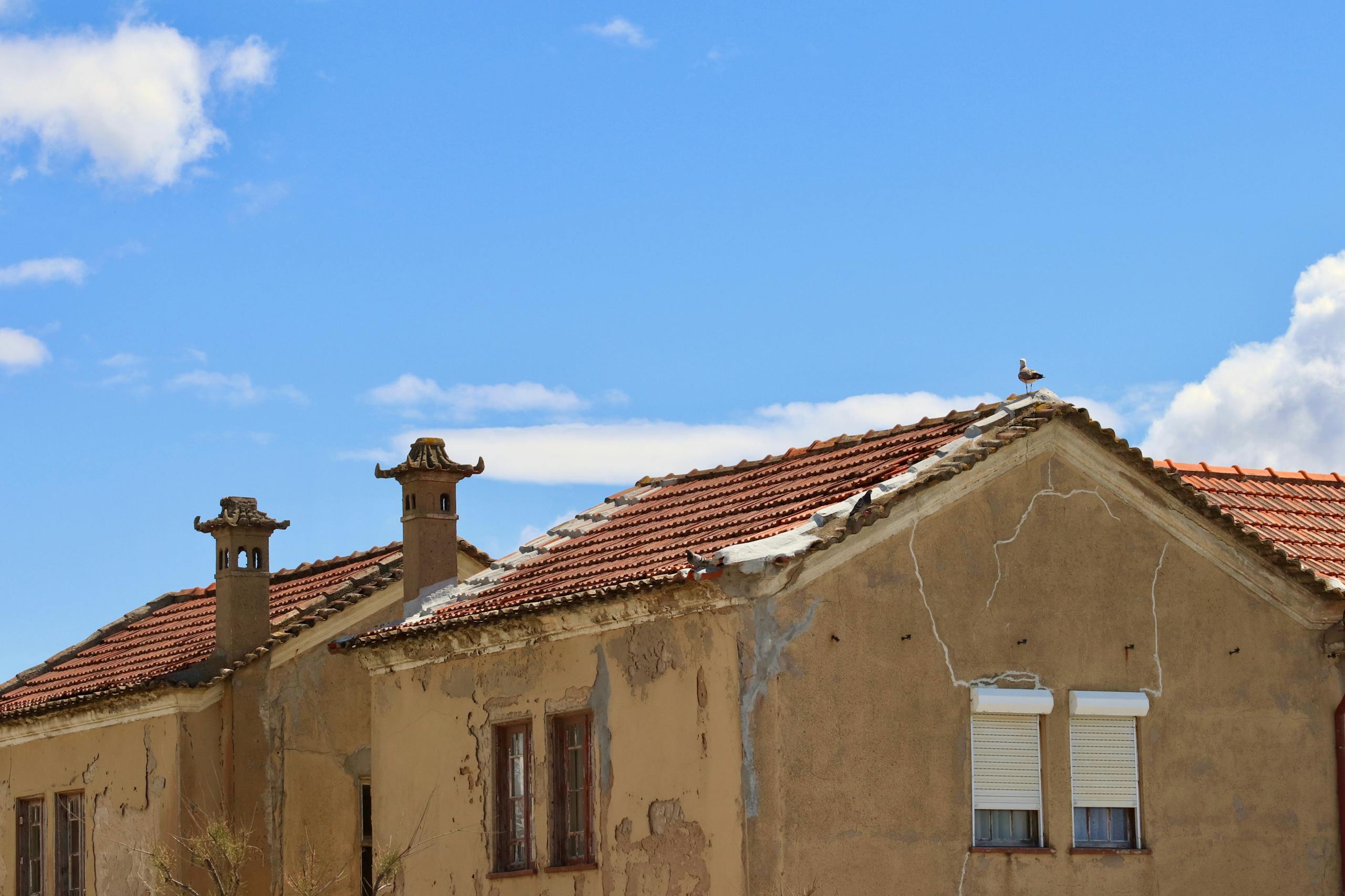
You’ve heard about the “charming” smell of an old house, but have you ever wondered where that musty scent is coming from? If your home is on the older side, there’s a high chance it has mold or moisture lurking behind the walls. It’s not just an unpleasant smell; it’s a health risk. Mold loves damp corners, leaking pipes, and dark spaces like attics and basements, where it thrives unnoticed.
The Risk: Mold exposure can cause serious health problems like respiratory issues, allergies, and even chronic conditions. Worst of all, it can spread quickly, turning a small cleanup into a full-blown disaster.
What Could Go Wrong: Mold remediation can cost you thousands of dollars, not to mention the potential long-term health consequences for you and your family.
The Fix: Take action now, regularly inspect for water damage and moisture, and address any signs of mold by hiring certified professionals. Don’t neglect remediation steps; protect your health and your home.
Outdated Wiring
That beautiful old chandelier you’re so proud of? It might be wired into a system that’s decades out of date. Old homes often come with electrical systems that were built for the needs of the 1920s, not the tech-heavy 2020s. And here’s the kicker: many of these systems can’t handle modern-day appliances or electronics.
The Risk: Old wiring is a fire waiting to happen. According to the National Fire Protection Association, faulty wiring is responsible for nearly 25% of home fires in the U.S.
What Could Go Wrong: If your home is using outdated or faulty wiring, you’re at a constant risk of electrical failure or a devastating fire. The last thing you want is to be dealing with electrical hazards while your home is burning down.
The Fix: Schedule an electrical inspection with a licensed electrician. If your wiring is outdated, prioritize a full rewiring as soon as possible. It’s a vital investment in your home’s safety.
Plumbing Nightmares
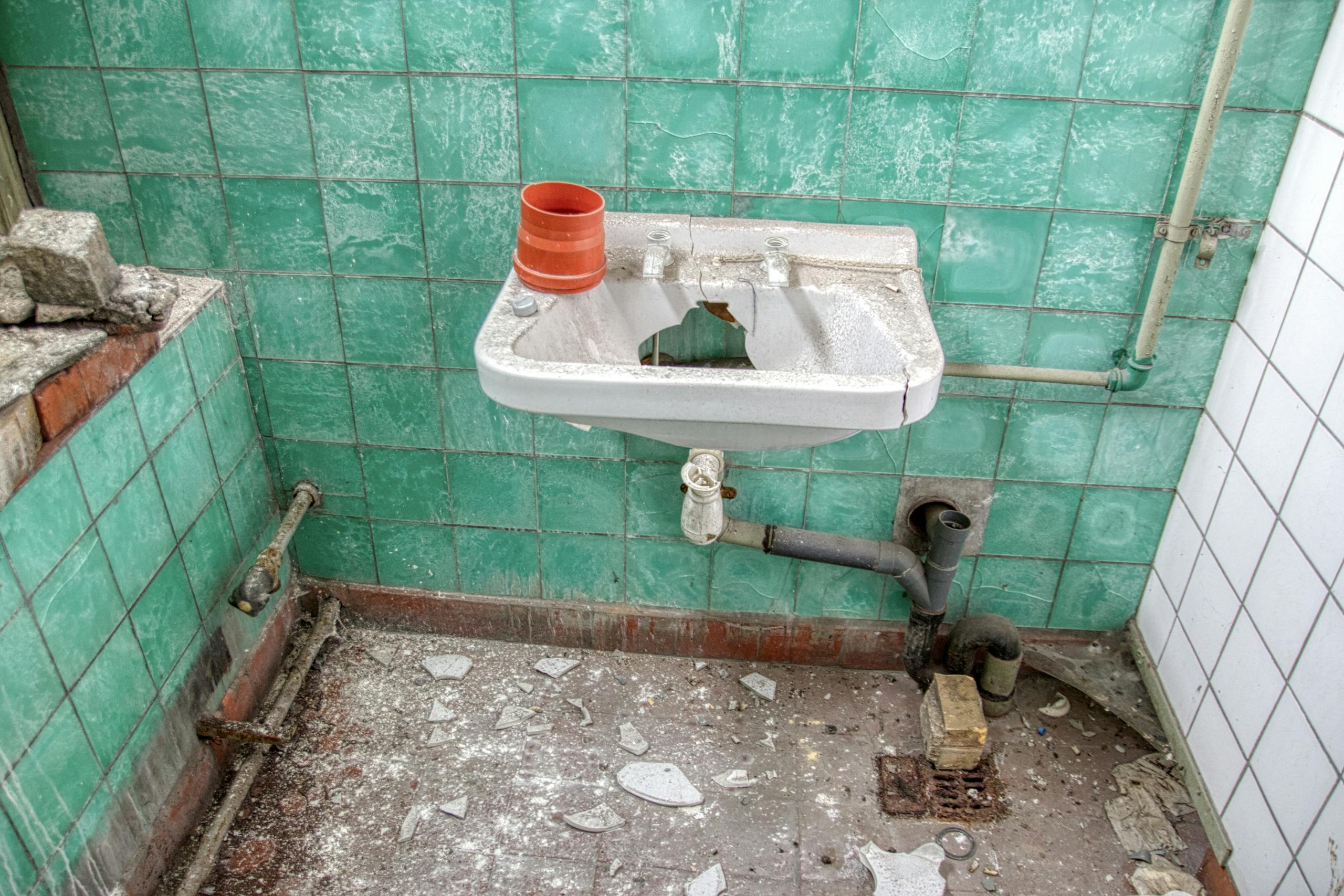
Who doesn’t dream of relaxing in an old clawfoot tub? But before you settle in, consider this: old pipes often come with serious hidden risks. The plumbing in your vintage home might look charming, but it’s usually full of corroded, outdated pipes that can spring leaks or clog up at any moment.
The Risk: Leaky pipes waste water and can damage foundations, walls, and ceilings. Old homes may also have lead pipes, which are hazardous.
What Could Go Wrong: Imagine waking up to a flooded kitchen or bathroom. Plumbing failures often result in expensive water damage repairs and mold growth. Plus, if you’ve got lead in the pipes, it’s a health hazard that can cause developmental problems, especially in children.
The Fix: Arrange for a plumbing inspection without delay if you suspect old or lead pipes. Replace hazardous materials and promptly repair all leaks. Take proactive steps now to prevent future emergencies.
Insulation Failures
Old homes have serious energy-efficiency problems. Those beautiful drafty windows and thin walls that give your home so much character? They’re also draft magnets that drain your energy and your wallet. Without proper insulation, you’re just throwing money out the window, literally.
The Risk: Poor insulation by itself can waste up to 40% of your home’s energy, raising your bills.
What Could Go Wrong: Your energy bills will skyrocket, and you’ll spend your winters shivering and summers sweating. Plus, an inefficient home isn’t just a financial burden it can seriously compromise your comfort and health.
The Fix: Evaluate your insulation and windows immediately. Upgrade attic, basement, and windows with energy-efficient options to lower bills and improve comfort. Make these improvements a priority.
Roof Problems
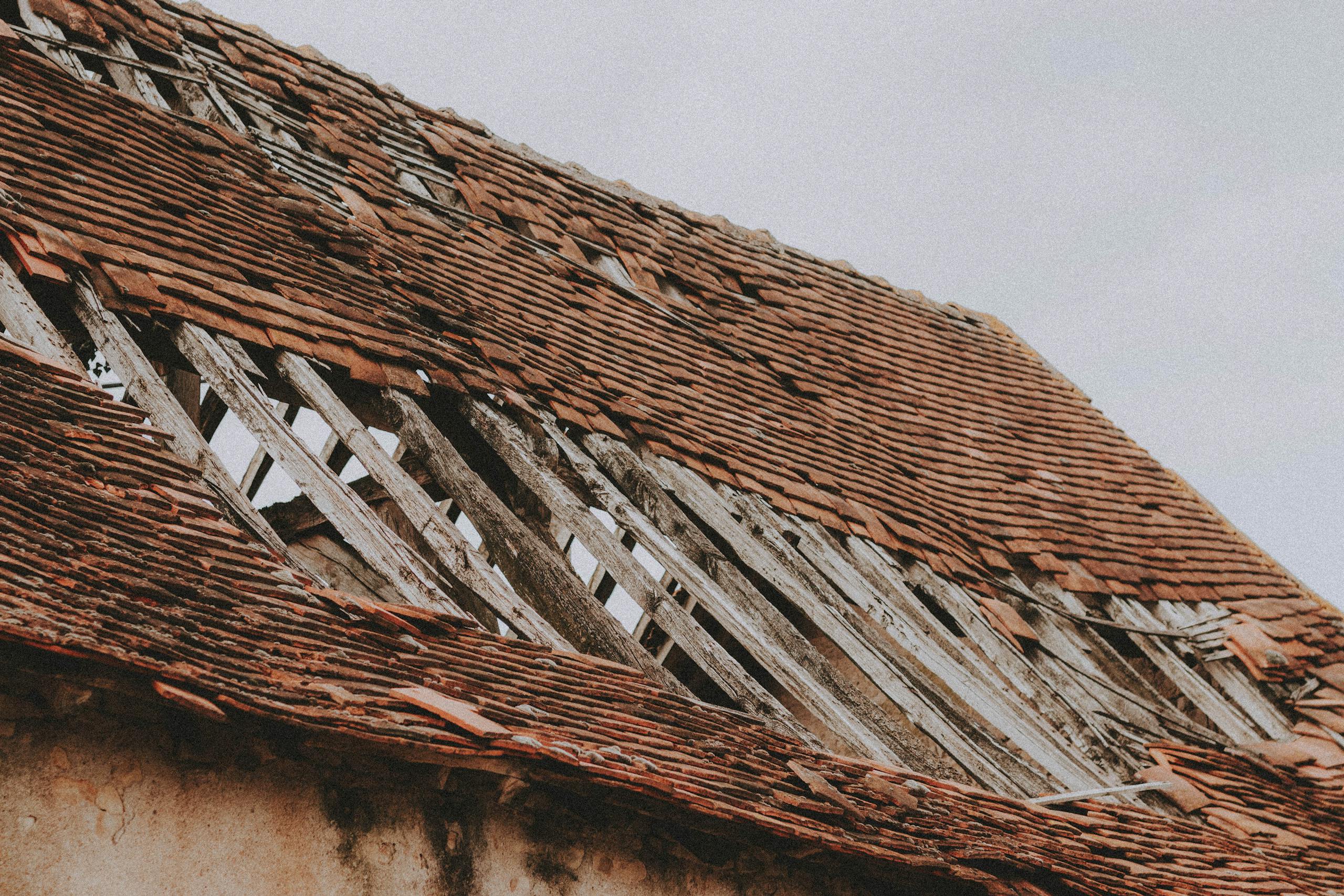
Let’s face it: a roof is one of those things you can’t ignore. If you’re buying an older home, you might be looking at a roof that’s already seen better days. Over time, weather, wear, and tear can cause shingles to curl, crack, or even fall off. A bad roof will eventually cause leaks that lead to water damage throughout your home.
The Risk: Roof failure causes leaks, structural damage, and requires costly replacement.
What Could Go Wrong: You’ll face the headache of water damage and costly repairs. It’s a big job that’s not going to be cheap or easy to fix.
The Fix: Schedule regular roof inspections, especially after storms. Act quickly if you see damage contact a roofing contractor right away for repairs. Don’t delay; secure your home before problems escalate.
Asbestos and Lead Paint
If your old home was built before the late 1970s, there’s a good chance it contains asbestos or lead paint. These materials, while once common in construction, are now known to cause serious health problems, including cancer, respiratory issues, and poisoning.
The Risk: Asbestos exposure leads to lung disease; lead paint severely harms children’s health.
What Could Go Wrong: You could end up with serious health problems, and removing these materials is costly. Plus, if you try to remove them yourself, you might actually make the situation worse.
The Fix: Hire a professional to test for asbestos and lead. If present, do not attempt to remove it yourself. Contact a licensed specialist to safely remove and dispose of these materials.
Foundation Cracks
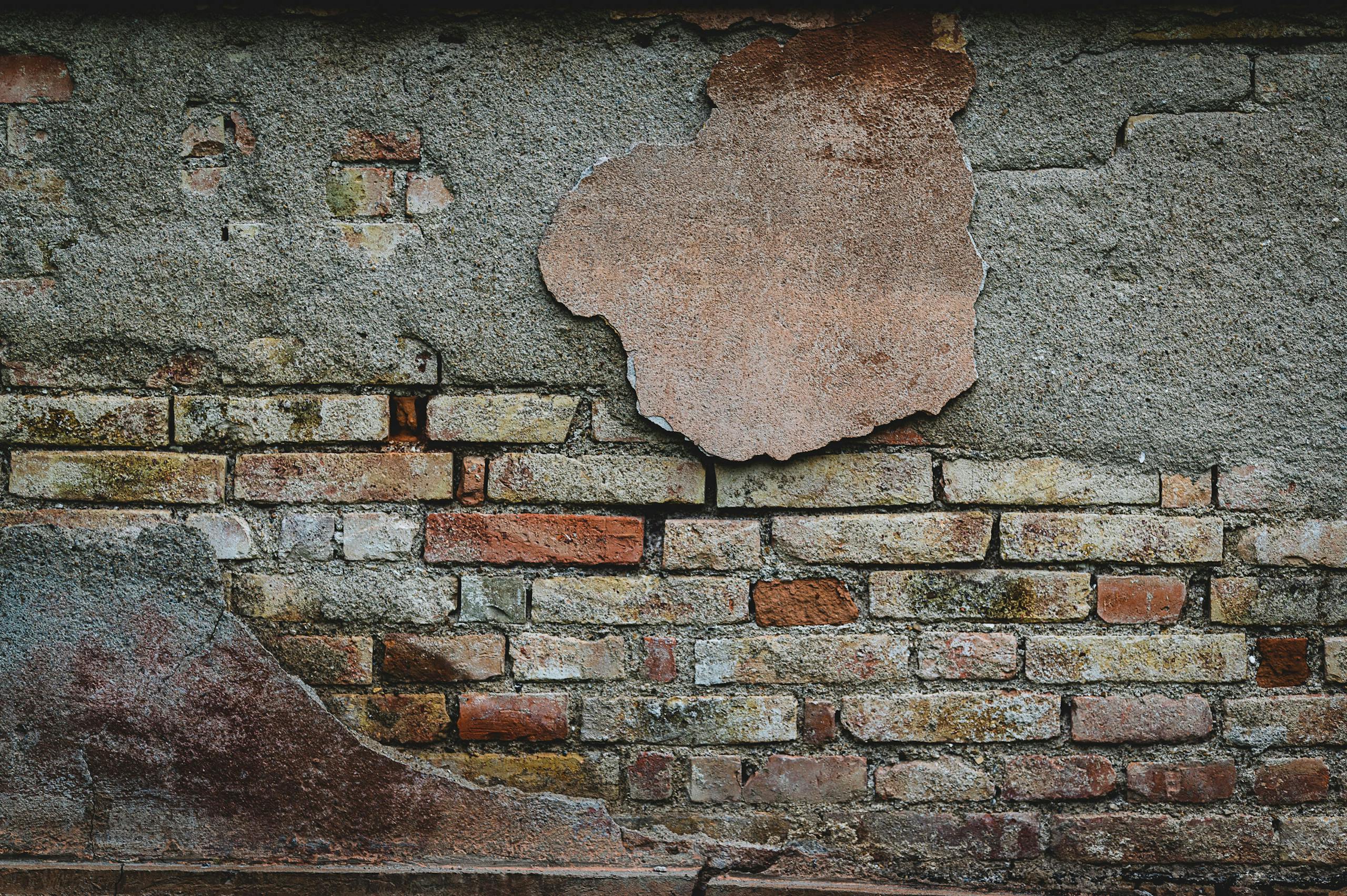
One of the most costly problems in an old home is foundation issues. Cracks, settling, and shifting can cause major damage to your home’s structure. This problem isn’t just cosmetic; foundation failure can lead to collapse.
The Risk: Foundation problems are expensive, can worsen quickly, and threaten the entire structure.
What Could Go Wrong: Your floors will begin to sag, doors and windows won’t close properly, and before you know it, your entire house could be in jeopardy.
The Fix: Contact a structural engineer at the first sign of cracks or sloping floors. Follow their repair recommendations immediately to prevent further structural damage.
Pest Infestations
Old homes are prime real estate for pests. From termites that slowly eat away at wood to rodents that chew through wires, older houses provide plenty of hiding places for critters. And once they’ve moved in, it’s not easy to get rid of them.
The Risk: Pests, such as termites and rodents, can destroy structures and pose health risks.
What Could Go Wrong: If pests like termites are left unchecked, they can compromise the structural integrity of your home. Rodents can also introduce diseases and chew through wires, leading to fire hazards.
The Fix: Book a pest control inspection without delay. Seal all entry points and schedule regular treatments if needed to keep your home pest-free.
HVAC Systems
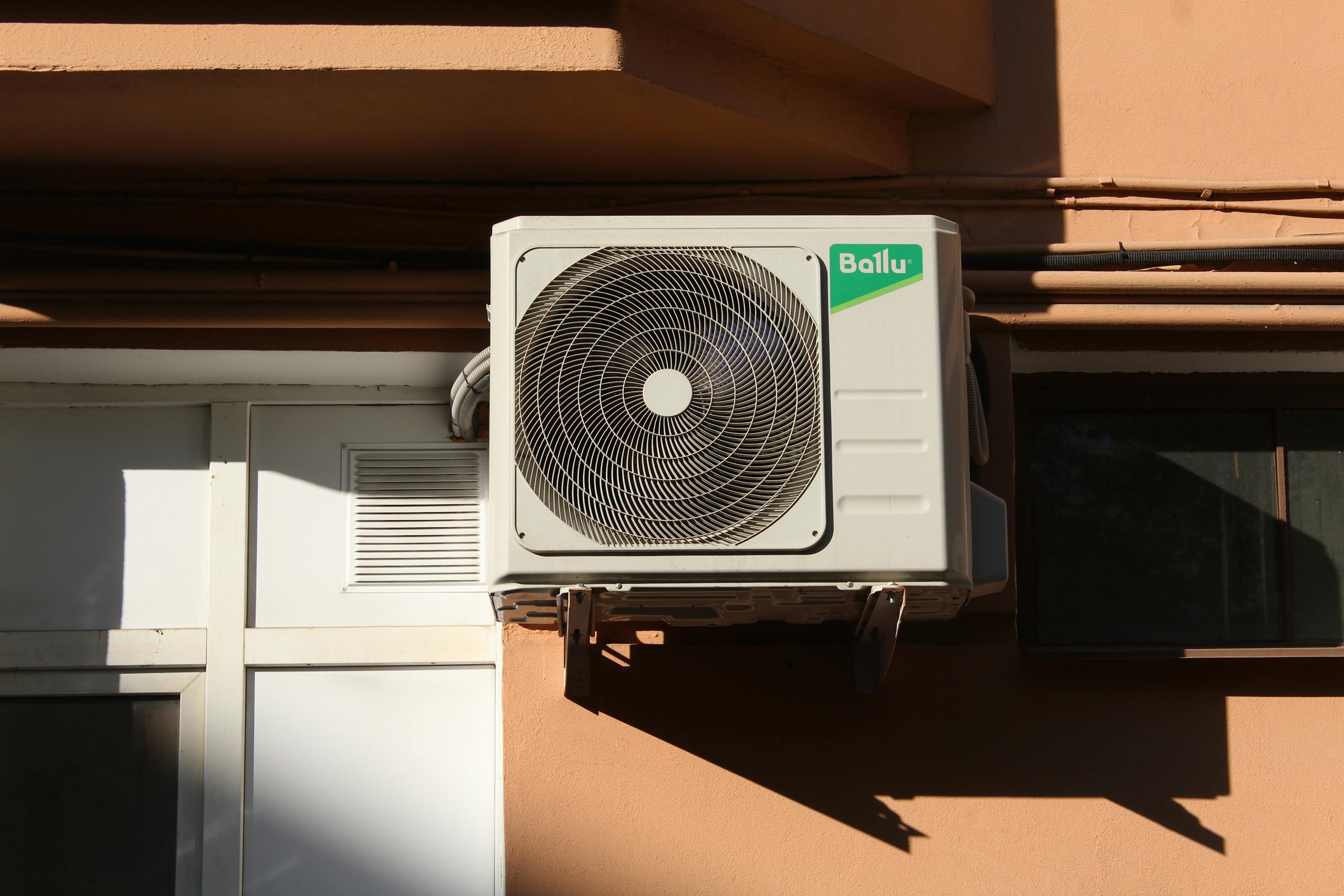
If your old home still has the original HVAC system, it’s time for an upgrade. Older units are often inefficient, leading to high energy bills and frequent breakdowns. In fact, if your system is more than 15 years old, it’s probably not worth the money to keep it running.
The Risk: Old HVAC systems drain budgets with repairs and added energy costs, and may fail during a heatwave when they’re needed most.
What Could Go Wrong: You’ll waste money on repairs and sky-high energy bills. Plus, the system may fail entirely, leaving you with no heat in winter or no cooling in summer.
The Fix: Arrange to replace your old HVAC system with an energy-efficient model. Plan the upgrade soon to save on energy and boost comfort.
Conclusion
Buying an old house can be an emotional experience, but don’t let that old-world charm blind you to the real risks that come with it. From mold and electrical issues to foundation problems and pests, older homes can come with hidden dangers that can cost you both money and peace of mind.
Take the time to inspect thoroughly, and don’t be afraid to invest in necessary repairs. Trust us, your future self will thank you for it.