Imagine biting into a humble cucumber or snacking on an innocent apple and thinking you’ve unlocked the powers to ward off evil or invite love into your life. It sounds like something out of a fantasy, but throughout history, many basic foods weren’t just considered nutritious; they were seen as magical.
From ancient Egyptians to Indigenous tribes, everyday foods were imbued with the belief that they carried supernatural forces. Let’s take a look at ten foods that once held mystical powers — beliefs that have since faded into quirky folklore but still carry traces of their once-sacred status.
Salt

Salt has long been a powerful symbol of protection and purity, far surpassing its culinary uses. Ancient civilizations around the world believed that salt could keep evil spirits at bay and protect the bearer from curses.
From sailors to brides, people carried salt with them for safety, often sprinkling it at thresholds or tossing it over their shoulders to ward off bad omens. Even in modern times, the notion of salt’s magical properties lingers, reminding us of its sacred legacy.
Garlic
Garlic is often associated with keeping vampires at bay, but its protective powers extend far beyond that. In ancient Europe, people placed garlic at doorways, windows, and on their bodies to prevent evil spirits from entering their homes.
The strong odor was thought to create an invisible barrier, safeguarding the family from harm or curse. While garlic is now better known for its health benefits, its roots in folklore as a mystical shield remain undeniable.
Poppy Seeds
Poppy seeds have always been much more than a toppingfor bagels or pastries. Ancient Greeks linked poppies to Hypnos, the god of sleep, believing the seeds held the power to induce prophetic dreams.
In medieval times, women used poppy seed cakes to divine the direction of their future lovers, weaving magic into their daily rituals. Though today poppies are best known for their medicinal uses, they once held great power in the realm of love and destiny.
Figs
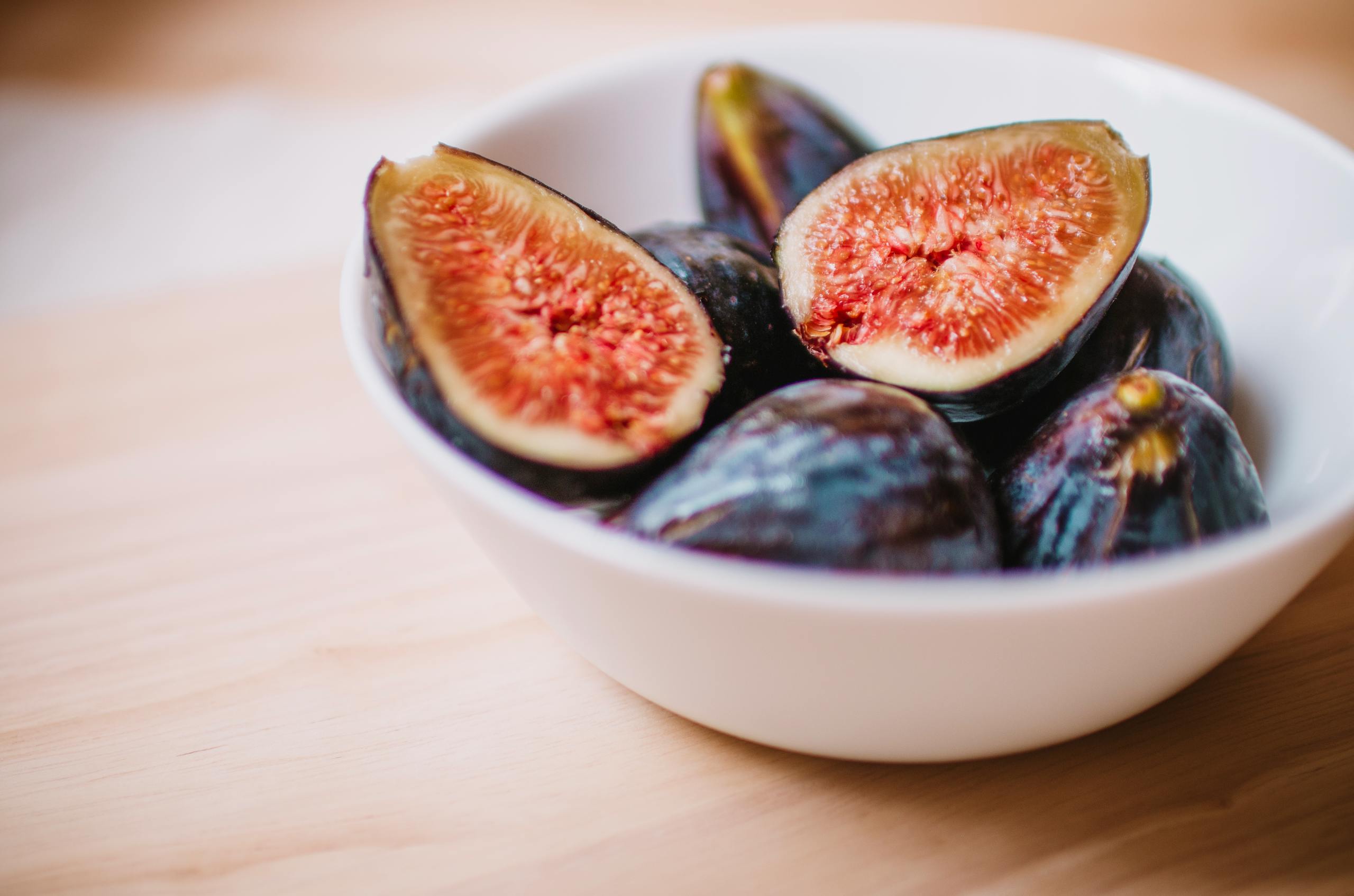
Figs have been revered and feared across various cultures for centuries, often tied to fertility and spiritual power. In ancient Africa, women believed that fig sap could enhance fertility and used it in sacred rituals. But in other parts of the world, such as Bolivia and Papua New Guinea, figs were thought to harbor evil spirits, with legends warning that walking under a fig tree could bring misfortune.
The dual nature of figs — both a blessing and a curse — showcases how complex the mystical world of food could be.
Cucumbers
Today’s cucumber is often seen as a refreshing snack, but its history is steeped in magical traditions. Ancient Romans believed cucumbers were powerful fertility charms, and women carried them during childbirth to ensure a smooth, blessed experience.
The vegetable was also used to ward off pests, including scorpions, making it a household protective agent. While cucumbers have lost their mystical significance, they were once revered for their ability to keep evil forces at bay.
Onions
Onions, often associated with making us tear up in the kitchen, had a far more profound significance in ancient cultures. In Egypt, onions were not just food but symbols of eternal life.
Pharaohs were buried with onions to ensure their protection in the afterlife, and they were even believed to have the power to restore breath to the dead. With their layers representing life and death, onions were seen as both life-giving and death-defying.
Dill

Dill, today a common herb in salads and pickles, was once a symbol of both blessings and protection. In medieval Europe, dill was believed to bring good fortune to marriages, with brides carrying it as a symbol of fertility and happiness.
However, dill’s protective properties extended beyond the realm of love, as it was also thought to drive away evil spirits and curses. This herb’s ability to simultaneously represent both positive and negative forces made it a mystical powerhouse in ancient traditions.
Corn
Corn, or maize, was far more than a food staple in ancient civilizations — it was the heart of life itself. The Maya and Aztec cultures worshipped corn deities, linking the growth cycle of maize to birth, death, and rebirth.
During rituals, corn was offered as a tribute to these deities, symbolizing humanity’s relationship with the divine. What today seems like a simple crop once held the key to spiritual and physical survival for entire civilizations.
Apples
The apple has long carried symbolic weight, often associated with love, youth, and peace. Ancient Chinese cultures used apples as tokens of harmony, believing that gifting them could strengthen relationships and resolve conflicts.
In Ireland, apples were seen as a symbol of eternal youth, with legends claiming that those who ate them would be granted endless vitality. Throughout history, the apple’s symbolism has transcended the fruit bowl, making it a powerful icon of connection and rejuvenation.
Amaranth

Amaranth may seem like a modern superfood today, but it was once considered a sacred crop by the Aztecs. The seeds were not just consumed as food; they were mixed with honey and used in rituals and offerings to the gods.
In fact, amaranth was so revered that the Spanish conquerors banned its cultivation, fearing its connection to indigenous power. This grain once stood as a symbol of spiritual strength and divine favor, making it far more than just a nourishing crop.
Conclusion
This exploration traced ten humble foods—salt, garlic, poppy seeds, figs, cucumbers, onions, dill, corn, apples, and amaranth—that once held magical significance.
While many of these beliefs have faded, they reveal how people once viewed basic foods as a bridge between the physical and spiritual worlds, making them the true food of the gods.