Art can elevate your space, breathe life into your walls, and turn your house into a home. But be warned: decorating with art is not as simple as grabbing the first piece that catches your eye. Many well-meaning homeowners make costly, frustrating mistakes that can leave their space feeling incoherent, overstuffed, or, worse, outdated.
Let’s take a hard look at the mistakes you may be making, why they’re more dangerous than you think, and how to fix them before they destroy your décor.
Chasing Trendy Art That Will Soon Feel Tired

There’s no denying the allure of a piece that’s “on-trend.” From neon pops of color to bold geometric shapes, it can feel like the latest art trends are calling your name. But beware what’s in today may be out tomorrow, leaving you with a wall of regret.
The Trap: Buying trendy art can feel like a shortcut to a stylish home. But trends fade. Remember the giant photos of the Eiffel Tower that everyone had back in the ’90s? Or the mid-century modern craze that now looks… well, a little tired?
The Fix: Instead of going for the “now,” invest in timeless pieces. Stick with art that speaks to you personally, or go for classic styles that won’t lose their charm when the next trend takes over. Opt for meaningful artwork that reflects your taste, not the buzz of the moment.
Thinking Bigger is Always Better
We get it if one painting looks good, a larger one will look even better, right? Wrong. While it’s tempting to fill your walls with huge, overpowering pieces, this can create a space that feels heavy and uncomfortable.
The Trap: Not considering your room’s proportions when choosing art can result in disproportionate design. A small room with an oversized painting is just as uncomfortable as the reverse; too much empty space around an art piece can make it feel lost.
The Fix: Measure your space before you buy. Larger rooms can handle bigger artwork, but smaller spaces thrive with art that is more modestly scaled. Remember, it’s not about the size; it’s about finding a balance that works with your furniture and layout.
Ignoring the Art’s Emotional Impact
Art isn’t just something to look at; it’s something you should feel. The colors, textures, and imagery should influence your mood. However, many people overlook this and end up with art that doesn’t match the vibe they want to create in their home.
The Trap: Imagine trying to relax in a bedroom with bright, chaotic artwork that only heightens anxiety. Or hosting guests in a living room filled with dark, moody paintings that kill the atmosphere.
The Fix: Consider how you want to feel in each room. For a calming effect, choose soothing colors or peaceful nature scenes. For a vibrant, energetic space, opt for bold, expressive art. The emotional impact should always be your starting point.
Overstuffing Walls with Art
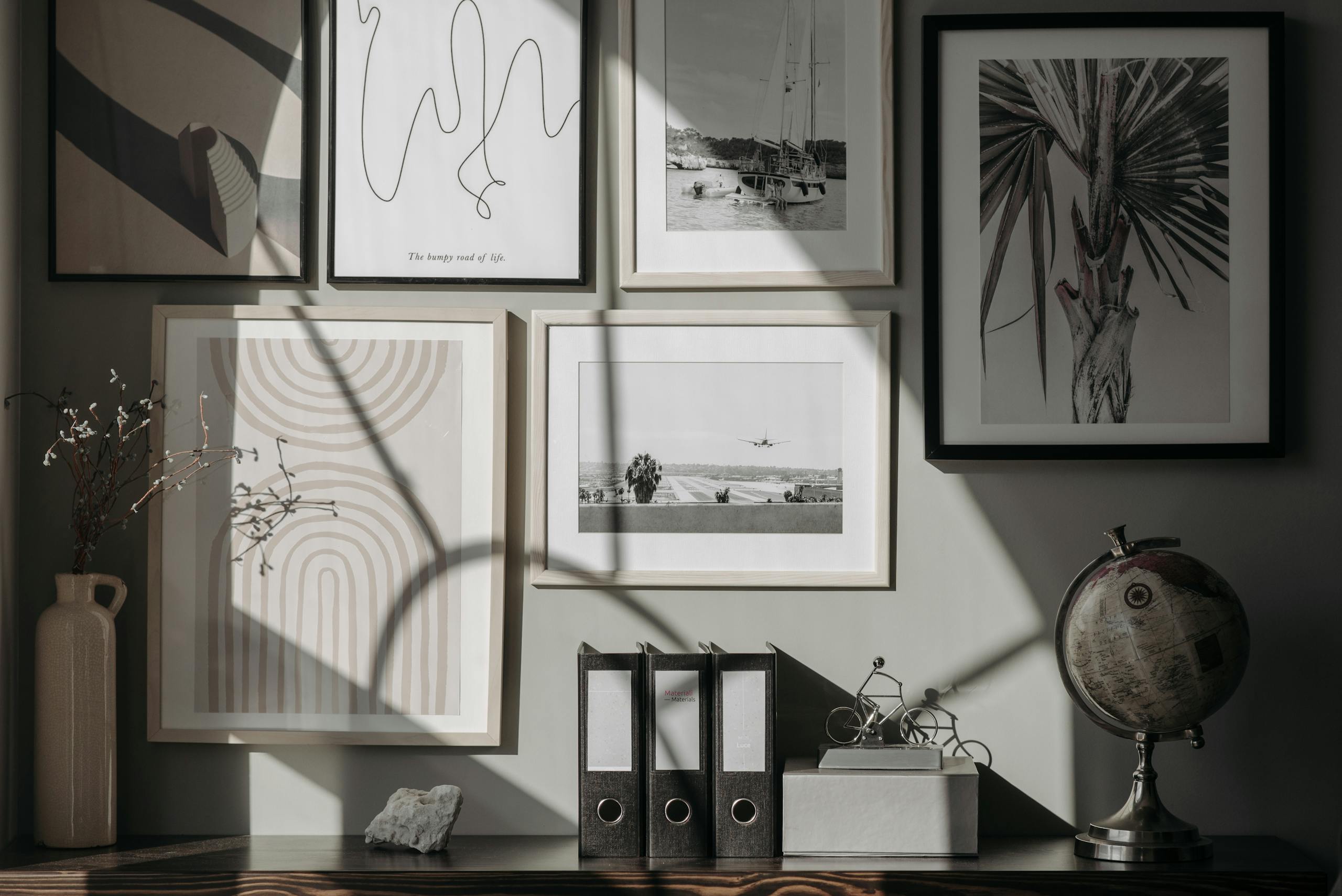
We all love a gallery wall, right? But sometimes, too much of a good thing leads to visual overload. When you try to fit too many pieces in one place, your artwork can feel more like clutter than art.
The Trap: By squeezing every piece of art you own into one room, you risk turning your home into a museum of chaos. It’s easy to make this mistake, especially if you’re eager to fill wall space.
The Fix: Curate your collection. Don’t just throw everything up because there’s space. Instead, focus on a few well-chosen pieces. Let each artwork have its moment to shine. And remember, negative space (empty walls) is a design element too!
Failing to Match Your Art with Your Décor
One of the easiest ways to ruin your home’s look is to ignore how your art interacts with the rest of the room. When art clashes with your furniture or overall style, it throws everything off balance.
The Trap: A modern abstract painting might clash with a vintage wood table, or a dark, gothic piece may be too intense for a minimalist space. Art that doesn’t align with your room’s décor can make everything feel mismatched.
The Fix: Before buying art, look at your room’s color palette and overall style. Choose pieces that complement your existing décor, whether it’s contemporary, rustic, or eclectic. Art should enhance your space, not compete with it.
Underestimating the Importance of Proper Framing
Frames are more than just a way to hang art; they can make or break a piece’s overall look. Yet, many people don’t realize that a cheap, flimsy frame can ruin a beautiful work of art.
The Trap: A low-quality frame can distract from or diminish the visual impact of your artwork, especially if it’s overly ornate or poorly crafted. It’s easy to get caught in the rush of decorating and grab whatever’s available at the store.
The Fix: Invest in good-quality frames that match the style of your art. For a sleek, modern look, go for simple black or white frames. For something more rustic, a wooden frame might be perfect. And don’t forget about custom framing if you’ve found something truly special.
Ignoring Lighting for Your Art
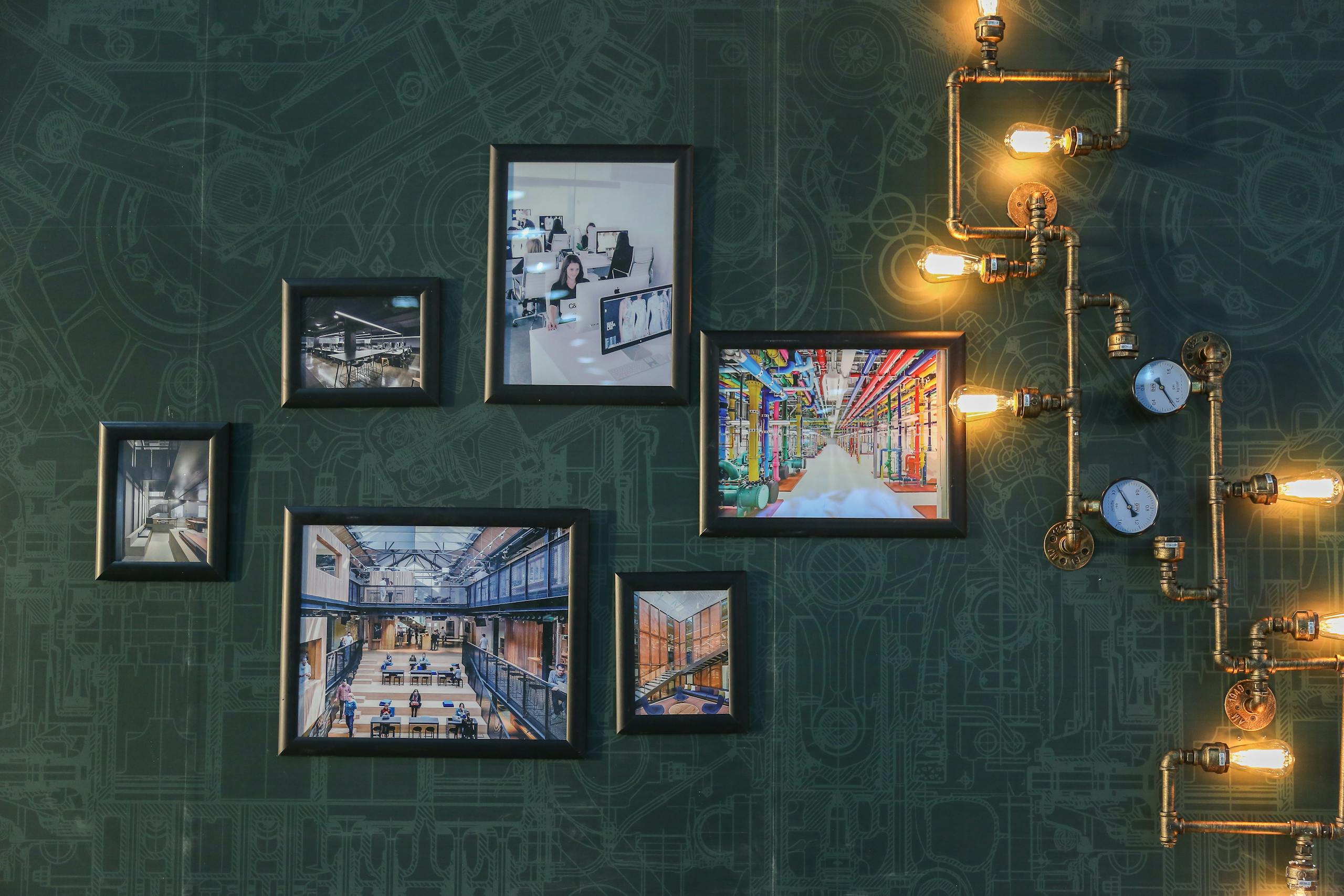
It doesn’t matter how gorgeous your artwork is if it’s not properly lit. Without proper lighting, your art might not get the attention it deserves.
The Trap: Poor lighting can cast shadows on your art, dulling colors and hiding details. It’s like having a gorgeous piece of jewelry but keeping it buried in a drawer.
The Fix: Invest in accent lighting or picture lights to spotlight your favorite pieces. Natural light is great, but be careful of direct sunlight, which can cause fading over time. The right lighting can bring your art to life.
Not Considering the Long-Term Investment
Sometimes we get so caught up in buying cheap art that we forget that it may not last. Low-quality prints or materials can fade, tear, or deteriorate over time, leaving you with something that ages poorly.
The Trap: While bargain art may be tempting, it’s important to ask: Will it still look good a year from now? Prints on cheap paper or canvas can deteriorate with exposure to sunlight or humidity.
The Fix: If you want to enjoy your art for years to come, choose durable materials like high-quality canvas or archival prints. Invest in pieces that are built to last. Not only will your artwork stay in pristine condition, but you’ll also feel more confident in your purchase.
Making Art an Afterthought
Too often, art is the last thing people think about when decorating their homes. After spending hours on furniture and other elements, they end up picking something out of convenience, only to regret it later.
The Trap: Treating art as an afterthought can result in mismatched or uninspired décor. It’s easy to just grab whatever’s on sale at a chain store and assume it’ll work.
The Fix: Make art part of the design process from the start. Consider the vibe, colors, and themes you want in your home, and build your artwork collection around those ideas. Art should be intentional, not a last-minute decision.
Failing to Balance Art with Other Décor Elements
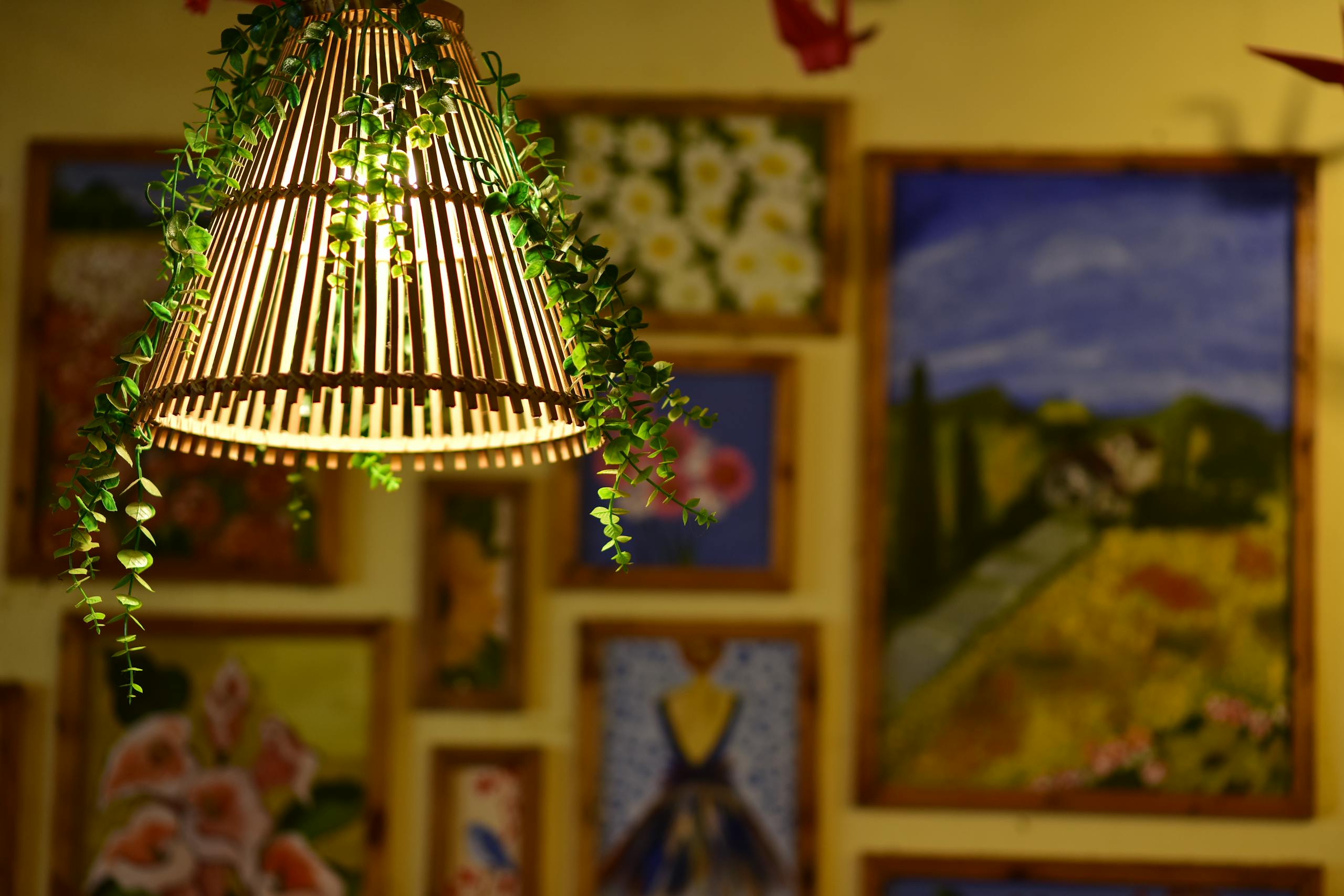
Art shouldn’t be your room’s only point of focus. Without balance, it can overwhelm the space, making everything else feel insignificant.
The Trap: When art dominates your room, other important design elements, like furniture or lighting, may feel overshadowed.
The Fix: Strike a balance between your art and other décor elements. Make sure the art complements your furniture and lighting rather than overshadowing them. Art should blend harmoniously with the entire space.
Going Overboard with DIY Art
DIY art can be fun, but when it’s done poorly, it can make your space look more like an amateur craft project than a stylish home.
The Trap:Not every Pinterest-inspired project will turn out well. While DIY can give a personal touch, bad execution can backfire.
The Fix: Stick to simple, stylish projects that won’t look out of place in a polished room. If you’re not sure about your skills, buy professional pieces instead, or start with basic, clean designs that are hard to mess up.
Settling for Art That Doesn’t Speak to You
The biggest mistake you can make when decorating with art is choosing pieces simply because they’re convenient, cheap, or “pretty.” The art in your home should speak to you, not just fill space.
The Trap: Settling for pieces that don’t resonate with you can result in a home that feels impersonal and lifeless.
The Fix: Choose art that connects with you emotionally. Whether it’s a painting that reminds you of a trip or a photograph that brings back fond memories, your art should reflect your personality.
Conclusion
Decorating with art isn’t a “one-size-fits-all” endeavor. If you avoid these common mistakes, you can curate a collection of art that truly enhances your home and reflects your personality. Don’t settle for “just okay” when it comes to your décor. Make art work for you, not against you!
Have you fallen victim to any of these mistakes? Let’s talk about how to fix them; your walls will thank you!