Are you daydreaming about a picture-perfect pergola in your backyard? While the idea sounds dreamy, the reality often falls short if you make the wrong choices.
The truth is, buying a pergola kit can seem straightforward, but it’s riddled with hidden dangers and costly mistakes. If you’re not careful, you might end up with a structure that’s not only unfit for your space but also a headache to maintain.
Let’s dive into the ten most common errors homeowners make when purchasing pergola kits and how to avoid them.
Overlooking the Space Requirements

It’s tempting to go big, but overestimating the size of your pergola is one of the biggest blunders. Many homeowners get excited by grand designs without considering the actual dimensions of their yard.
A huge pergola might look great in the showroom, but once it’s installed, it could dwarf your backyard, making the space feel cramped and uncomfortable.
The result? You’ve spent money on something that doesn’t create the relaxing outdoor retreat you envisioned. Instead of enhancing your backyard, it overwhelms it.
Always measure your space and opt for a size that complements the area, leaving room for movement and other features. The goal is balance, not clutter.
Failing to Consider Material Longevity
If you think all pergola materials are the same, think again. Sure, a wooden pergola might look charming at first, but it comes with a major hidden cost: maintenance.
While wood adds a rustic touch to your yard, it’s highly vulnerable to rot, termites, and the weather. That “cheap” pergola you bought will likely need constant treatment, staining, or even replacement within a few years.
On the other hand, opting for vinyl or aluminum might seem like the better choice due to low maintenance, but these materials can lack the authenticity and beauty that wood provides.
Still, the price to pay for cheap wood could exceed the initial cost if you’re not prepared for ongoing upkeep. It’s worth investing in more durable materials that can withstand the elements and stand the test of time.
Not Factoring in Local Regulations
This is a nasty surprise many first-time buyers don’t think about: permits. You might think that as long as you’re building something “temporary” or “outdoor,” there’s no need for a permit.
Well, think again. Many homeowners are shocked to learn that their local authorities require a permit to install a pergola.
Ignoring this small but crucial step could lead to fines, forced dismantling of your structure, or other legal headaches.
Before you start putting your pergola kit together, check with your local building department. Avoid costly fines and delays by ensuring your project complies with regulations from the get-go.
Choosing a Non-Sturdy Anchor System
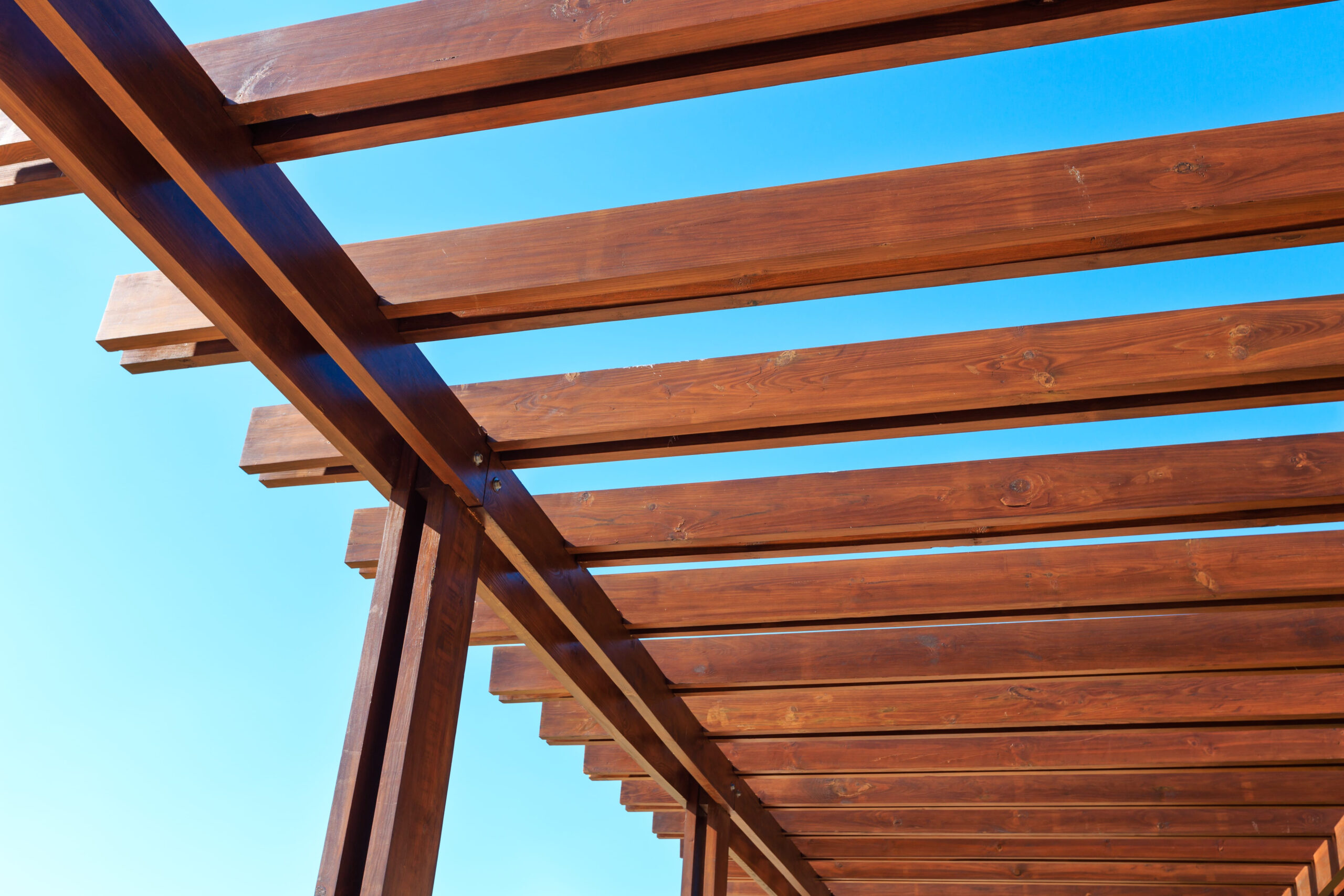
Nothing ruins the charm of an outdoor pergola like a collapsed roof. It might seem solid when you first build it, but improper anchoring can quickly lead to disaster.
Many kits neglect to include anchor hardware, leaving homeowners to improvise. If you skip this step or choose cheap anchors, your pergola could become a danger during a windstorm.
Even the most beautiful pergola won’t be worth much if it’s unstable. To avoid this, always use high-quality, durable anchors and follow all installation guidelines precisely.
Otherwise, your dream pergola could become an expensive eyesore on the ground. Don’t take shortcuts in safety.
Underestimating Maintenance Costs
There’s nothing like the idea of a low-maintenance backyard addition, but pergolas rarely fit that bill. Especially if you’ve chosen wood or other high-maintenance materials, you’re in for regular upkeep.
While the initial cost of a wood pergola may be attractive, in the long run, you could end up spending more on repainting, sealing, and repairs than you would have if you had gone for a more durable option in the first place.
Vinyl and metal options may be marketed as “maintenance-free,” but even these can accumulate dirt, discoloration, and wear over time.
The hidden cost of upkeep is often glossed over in product descriptions, but it’s something you need to consider. Make sure your pergola is truly low-maintenance before pulling the trigger.
Ignoring Climate Compatibility
Not all pergolas are created equal, and one of the most common mistakes is failing to consider how your chosen pergola will withstand local weather conditions.
A pergola that’s perfect for sunny, dry climates may not hold up well in areas with heavy rain or snow. Conversely, a structure built for durability in colder climates may be overkill if you live in a mild area.
If you’re in a region that gets lots of moisture, you’ll need materials that can resist rot and rust. If you live in a high-wind area, you’ll need a sturdy base and appropriate anchors. Climate compatibility should always be a top consideration before selecting your pergola kit.
Rushing the Installation
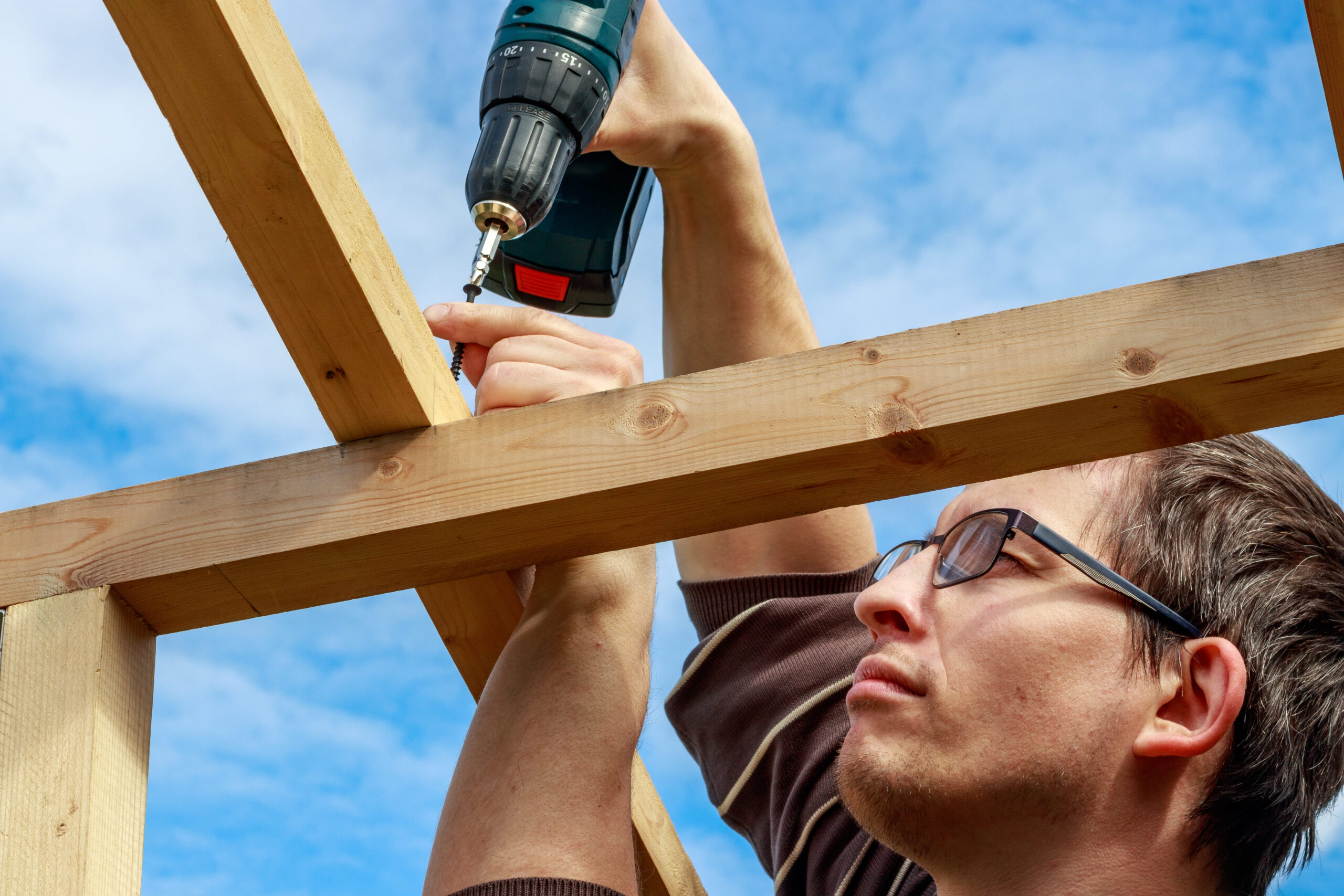
Buying a pergola kit sounds easy enough, but the reality of DIY installation can be a nightmare if you’re not prepared. Many homeowners rush into assembling their kit without carefully reading the instructions or gathering the necessary tools. The result? Gaps, tilting, instability, and a whole lot of frustration.
Instead of rushing through the process, take your time. Follow the assembly instructions carefully, and if you’re unsure, don’t hesitate to get professional help. A few extra hours or dollars could save you from a construction disaster down the line.
Not Considering Shade Needs
One of the main reasons people install pergolas is to get some much-needed shade, but failing to account for where the sun hits throughout the day can leave you sweltering under a pergola that provides zero relief. Make sure to position your pergola so it provides shade during the hottest parts of the day.
Choosing a Pergola Based on Looks Alone
It’s tempting to choose the prettiest pergola on display, but looks aren’t everything. A stylish pergola might be unsuitable for your space or needs. Focus on functionality first, ensuring it provides the shade, stability, and durability you need, with aesthetics coming second.
Skipping Professional Help for Design
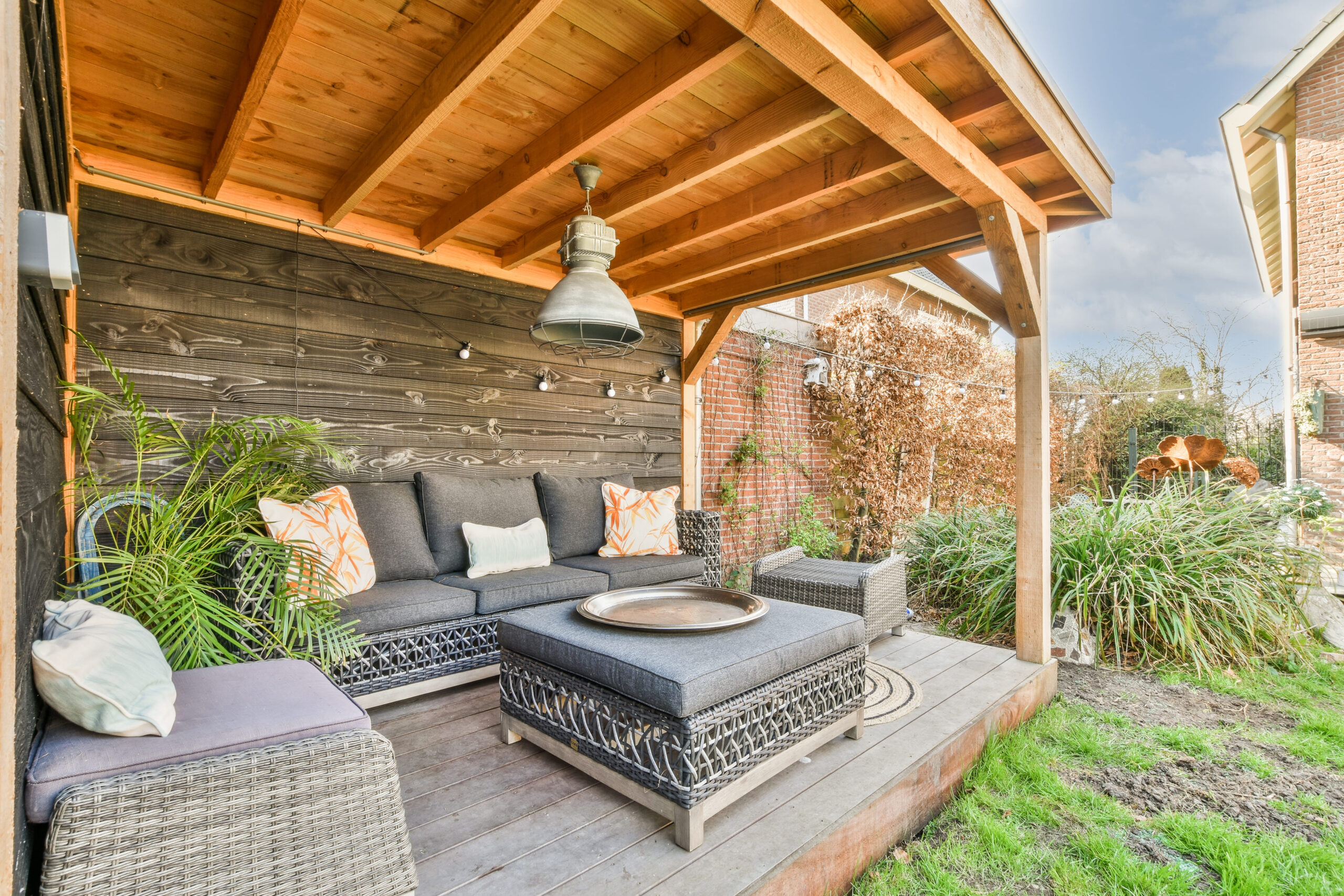
Designing a pergola might seem like a simple task, but having the right structure for your space can make all the difference. If you’re unsure, consider consulting with a landscaping expert or architect to ensure your pergola complements your overall design.
Conclusion
A pergola can be the perfect addition to your outdoor space, but only if you avoid these common pitfalls.
By carefully measuring, selecting the right materials, ensuring the proper permits and anchors, and factoring in ongoing maintenance, you’ll end up with a structure that’s both functional and beautiful. Remember, your backyard should be an oasis, not a DIY disaster.
So, before you pull out that credit card, ask yourself: Is this pergola kit a perfect fit for my space and needs? Taking the time to make the right choice today could save you a ton of trouble tomorrow. Happy pergola shopping!