This piece humorously highlights unexpected foods said to offer surprising health benefits. However, it’s important to approach these claims with caution, as many of the studies cited are not definitive or comprehensive. Let’s dive deeper into the foods listed and explore the science, or lack thereof, behind the claims.
Popcorn

Popcorn, when made without excessive butter and salt, is indeed a healthy snack option. The article claims that popcorn contains more antioxidants, particularly polyphenols, than a serving of fruits or vegetables. While this is true to some extent, it’s important to remember that fruits and vegetables provide a broader range of essential nutrients than popcorn does, including vitamins, minerals, and fiber. Air-popped popcorn can be a great source of whole grains, and it does contain polyphenols that may have health benefits, but it shouldn’t replace your intake of fresh produce.
Gum
Chewing gum is said to boost memory and brain performance, as well as reduce hunger. A few studies suggest that the act of chewing gum can increase blood flow to the brain and improve concentration, though these effects are typically short‑term. Gum may also help people stay alert or focused, which is why many people chew it during stressful or lengthy tasks. However, the long-term cognitive benefits of chewing gum remain debated. It’s a fun habit, but don’t expect it to significantly enhance your intelligence.
Cake, Bacon, and Eggs
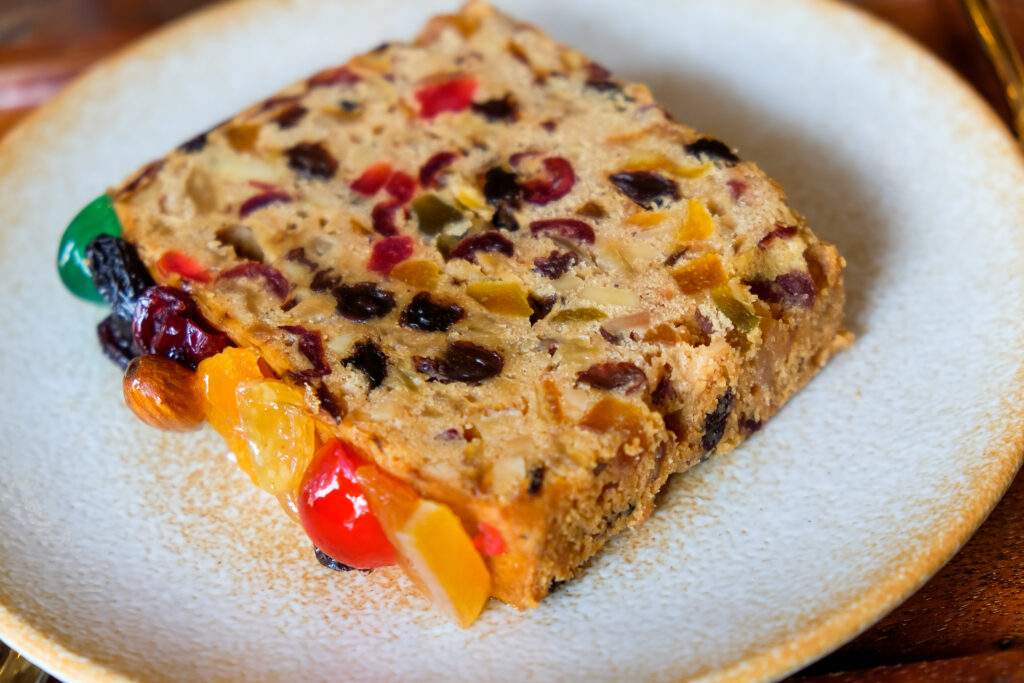
This is one of the most eye‑popping claims in the article. The author cites a study in which participants ate cake, bacon, and eggs for breakfast and reportedly lost weight. The theory behind this claim is that having a substantial, protein‑rich breakfast (even if it includes cake) can help reduce hunger throughout the day, leading to lower overall calorie intake. While some research suggests that protein in the morning helps with satiety, the claim that cake helps with weight loss is likely an exaggeration. In fact, most health experts would still caution against loading up on sugary foods like cake in the morning.
Gelato
Gelato, a frozen dessert that’s often considered a healthier alternative to ice cream, is said to be a good meal replacement . The reasoning is that gelato contains a mix of proteins, fats, and sugars, much like a meal. While gelato may contain fewer calories than regular ice cream, it’s not designed to provide all the nutrients your body needs in a balanced meal. Relying on gelato to replace a proper lunch or dinner could lead to nutritional deficiencies. While indulging occasionally, it’s better to choose whole foods for meal replacements, such as smoothies or balanced bowls that offer vitamins, minerals, and proteins.
Candy

Perhaps the most surprising claim is that candy could help extend your lifespan. While it does cite studies suggesting that consuming small amounts of candy may lead to slightly longer lifespans, this claim should be taken with a grain of salt. The benefits of eating candy are far outweighed by the potential downsides. Excessive sugar intake can lead to obesity, diabetes, and a variety of other health problems. Rather than candy, focus on nutrient-dense foods like fruits, vegetables, and lean proteins to support long-term health.
Natural Sugar Substitute
Xylitol, a sugar alcohol often used as a sweetener in sugar-free gum and candy, is said to be good for your dental health. According to some studies, xylitol may reduce plaque build-up, lower the risk of cavities, and help prevent ear infections. This is because it inhibits bacterial growth in the mouth. While it’s true that xylitol can have a positive effect on oral hygiene, it’s still essential to brush your teeth regularly and maintain a balanced diet. Xylitol should not replace proper dental care, and excessive consumption may lead to digestive issues.
Chocolate
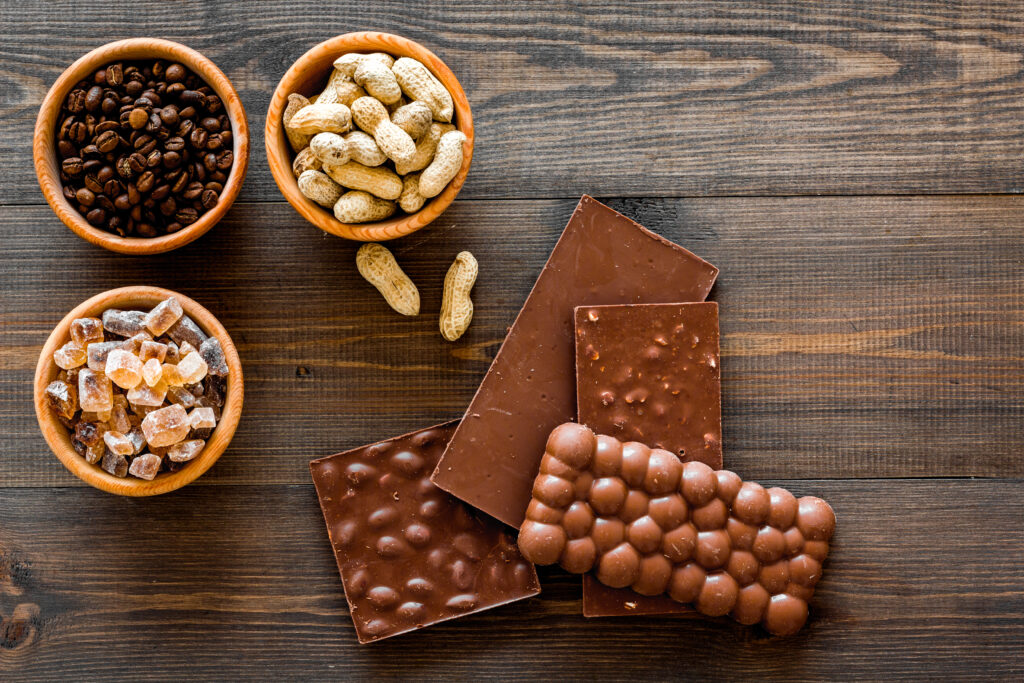
The idea that dark chocolate, specifically, can improve heart health is well-supported by science. Dark chocolate is rich in flavonoids, antioxidants that have been shown to help lower blood pressure, improve blood flow, and even reduce the risk of heart disease. Research consistently suggests that moderate consumption of dark chocolate, particularly varieties with at least 70% cocoa, can offer health benefits. However, it’s crucial to remember that the sugar content in chocolate can outweigh the benefits if consumed in excess, so moderation is key.
Chili Peppers
Chili peppers, thanks to the compound capsaicin, are not only spicy but may also have therapeutic benefits. Capsaicin has been used in topical creams and ointments for the relief of muscle and joint pain. The chemical works by temporarily desensitizing nerve receptors, helping reduce pain and inflammation. Some research has shown that consuming chili peppers may improve metabolism and promote fat burning, though results vary from person to person. It’s also important to note that not everyone can tolerate spicy foods, and excessive consumption of chili peppers can cause gastrointestinal discomfort.
Conclusion
While there is some evidence supporting the benefits of foods like dark chocolate, chili peppers, and xylitol, most other claims should be taken with caution. It’s important to approach sensationalist headlines with skepticism and to prioritize a balanced, nutrient-rich diet of whole, unprocessed foods to support long-term health.
Incorporating a variety of fruits, vegetables, whole grains, and lean proteins into your daily meals will always be a more reliable path to better health than relying on quirky or surprising food choices. So, while indulging in chocolate or popcorn occasionally is fine, make sure you’re feeding your body what it truly needs: real, whole foods that nourish and sustain.