Food is something we all love, but we often don’t realize how many misconceptions surround the dishes we enjoy every day. From believing that ricotta is a must in lasagna to thinking peanut butter was invented by one of history’s greatest agricultural minds, the truth behind these foods can be surprisingly different from what we’ve believed.
Whether you’re a foodie or just someone who enjoys the occasional meal, the world of food is full of fascinating myths that need to be debunked. Let’s look at some of the most popular food misunderstandings and uncover what’s behind the foods we know .
Peanut Butter Is American
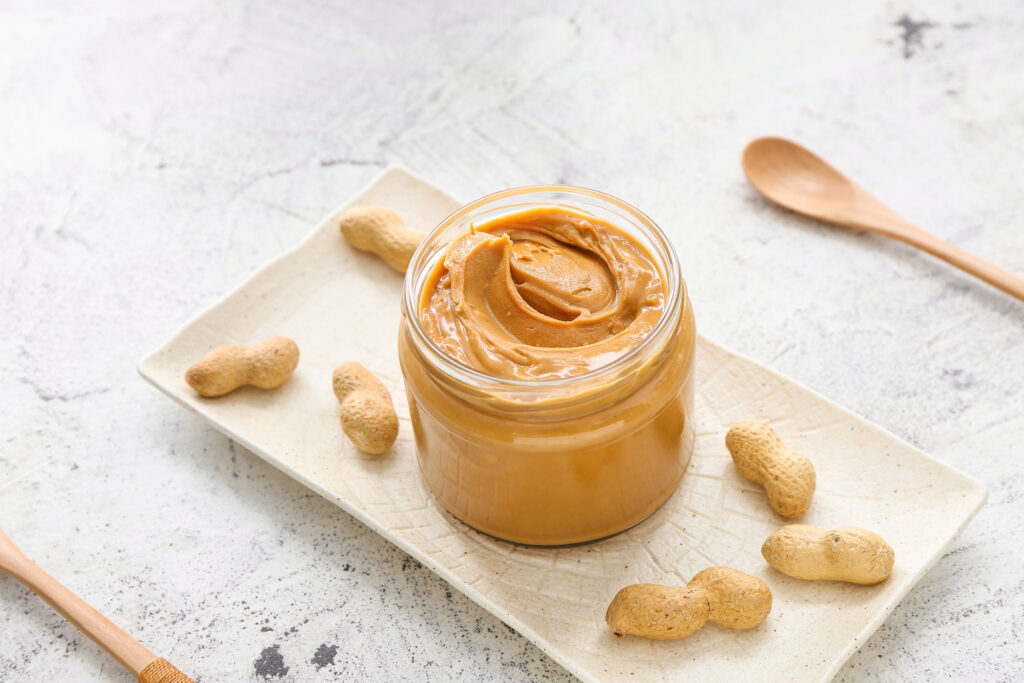
Peanut butter is often thought to have been invented by the famous agriculturalist George Washington Carver, but this is a myth. While Carver did a lot of groundbreaking work on the agricultural uses of peanuts, including promoting their health benefits and diverse uses, peanut butter was actually developed by other inventors before him.
The first patent for peanut butter spreads goes back to the late 19th century, before Carver popularized peanuts. Carver’s significant contribution was to find innovative ways to use peanuts across various industries. Still, he wasn’t the inventor of peanut butter.
Ricotta Is Not a Traditional Layer in Meat Lasagna
A common misconception about lasagna is that ricotta cheese is an essential layer in the dish. While many American lasagna recipes use ricotta as a filling layer, traditional Italian lasagna, particularly those from the Bologna region, uses béchamel sauce instead.
This creamy white sauce, made with butter, flour, and milk, is more authentic to Italian recipes, offering subtle richness and a smooth texture that perfectly complements the layers of meat and pasta. The use of ricotta cheese is a relatively modern adaptation by Italian-American cooks, who found it more accessible than béchamel.
Light Roast Coffee Is Actually Stronger
It’s a commonly held belief that dark roast coffee is stronger than light roast due to its bolder flavor and deep, rich color. However, in terms of caffeine content, light roast coffee is actually stronger. This is because the beans are roasted for a shorter time, preserving more of their natural caffeine content. While dark roasts have a more robust flavor, the extended roasting process actually reduces caffeine levels. So, if you’re for a more caffeinated cup of coffee, a light roast is your best choice.
British People Take Food with Their Tea for a Reason
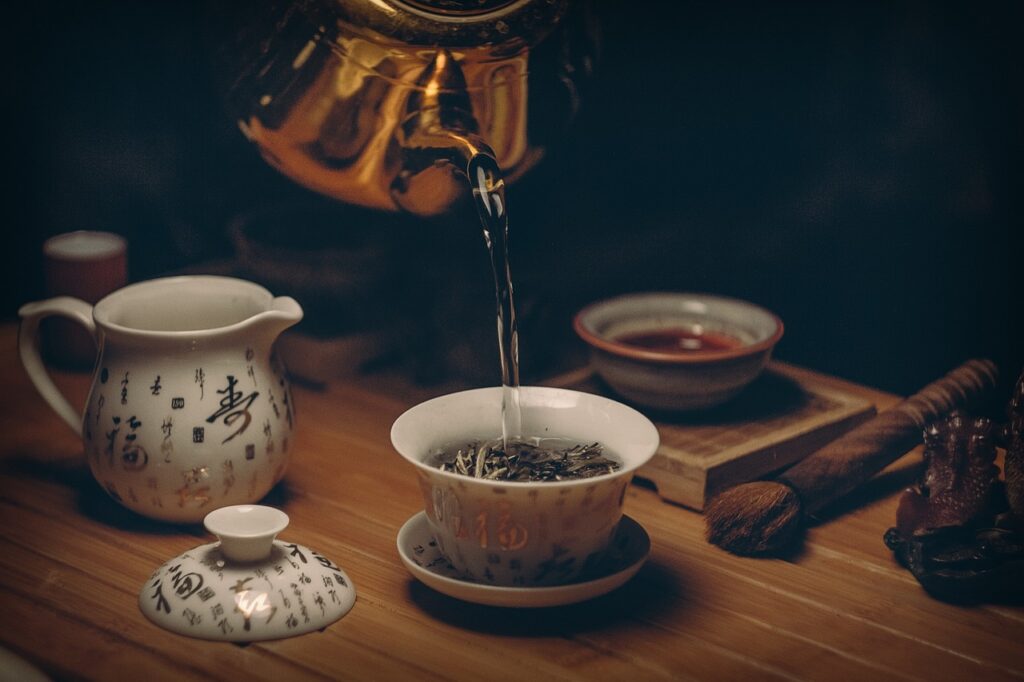
In Britain, it’s customary to have a snack or light meal with tea, but the tradition goes beyond simple enjoyment. Pairing food with tea helps balance the bitterness of the tea, particularly with strong black teas like English Breakfast or Earl Grey.
Historically, it also served a digestive purpose, with foods like sandwiches, scones, and biscuits serving to soothe the stomach and aid digestion. This habit of eating with tea is deeply ingrained in British culture, where the ritual of “after tea” evolved to provide a refreshing break during the day and boost one’s energy before dinner.
The Hard Taco Is a Completely American Invention
Many people associate the crunchy taco shell with traditional Mexican cuisine. Still, in fact, the hard taco shell is an American invention. Traditional Mexican tacos are made with soft corn tortillas, which are often filled with fresh, flavorful ingredients. The crispy taco shell we often see in the U.S. was developed to make tacos more convenient and portable, catering to Americans’ preference for crunchy textures and pre-made, quick-to-serve meals. The crispy taco shell is therefore an adaptation of Mexican cuisine to suit American tastes, rather than an authentic Mexican dish.
Taking Skins Off Potatoes

When you peel a potato, you’re removing the skin, you’re discarding a significant portion of its nutritional value. Potatoes contain fiber, vitamin C, and other vital nutrients that support digestion and overall health. Leaving the skin on when cooking potatoes increases their nutritional profile, providing additional fiber and antioxidants. For those looking to maximize the health benefits of potatoes, it’s best to eat them with the skin intact, whether baked, roasted, or mashed.
Pasta Carbonara
While pasta carbonara is often made with a variety of ingredients like peas, chicken, or cream in many American kitchens, the true Italian version is much simpler. Authentic carbonara uses only four key ingredients: pasta, guanciale (or pancetta), eggs, and Pecorino Romano.
The creamy texture that many people associate with carbonara actually comes from the eggs and cheese, not heavy cream. Adding peas or chicken to the dish dilutes its simplicity and authenticity, making it more of an adaptation rather than a traditional recipe.
Fortune Cookies
Fortune cookies have long been associated with Chinese cuisine in the United States. Still, they are actually a product of American inventors. Originating in California, fortune cookies became popular in Chinese-American restaurants, particularly in the early 20th century. Interestingly, fortune cookies are not commonly found in China and are largely considered a novelty that was created specifically for American audiences. This quirky dessert is a unique example of how food traditions can evolve differently across cultures and borders.
Pudding

The word “pudding” has undergone drastic changes in meaning over the centuries. Originally, pudding referred to savory dishes, typically involving meats and grains, which were boiled in animal stomachs to create a firm, meat-filled dish. These early puddings were considered a hearty, nutritious meal.
Over time, especially in the Western world, the term “pudding” evolved to refer to sweet, custard-like desserts, and the savory variety disappeared from the mainstream. Today, when we think of pudding, we usually envision a creamy dessert, but its roots are firmly in savory fare.
When You Eat Pineapple, It Eats You Right Back
Pineapple is one of the few fruits that contains an enzyme called bromelain, which breaks down protein molecules. This enzyme is responsible for the tingling sensation you feel on your tongue after eating fresh pineapple.
While this might feel like the pineapple is attacking you, it’s actually working to break down the proteins in the soft tissue of your mouth. This enzyme is also used in meat tenderizers, further showing its ability to break down proteins. Thankfully, this sensation is harmless and disappears after the pineapple is swallowed.
Honey Isn’t Isn’ts a Healthier Option Than Sugar
Although honey is often marketed as a healthier alternative to refined sugar, it’s a form of sugar. While honey contains small amounts of vitamins, minerals, and antioxidants, it is still very high in fructose. It can contribute to elevated blood sugar levels, much like regular sugar. The idea that honey is significantly healthier is misleading, as both honey and sugar are calorically dense and can lead to weight gain and other health issues when consumed in excess. Therefore, moderation is key when incorporating honey into your diet.
Sushi Doesn’t Mean Raw Fish
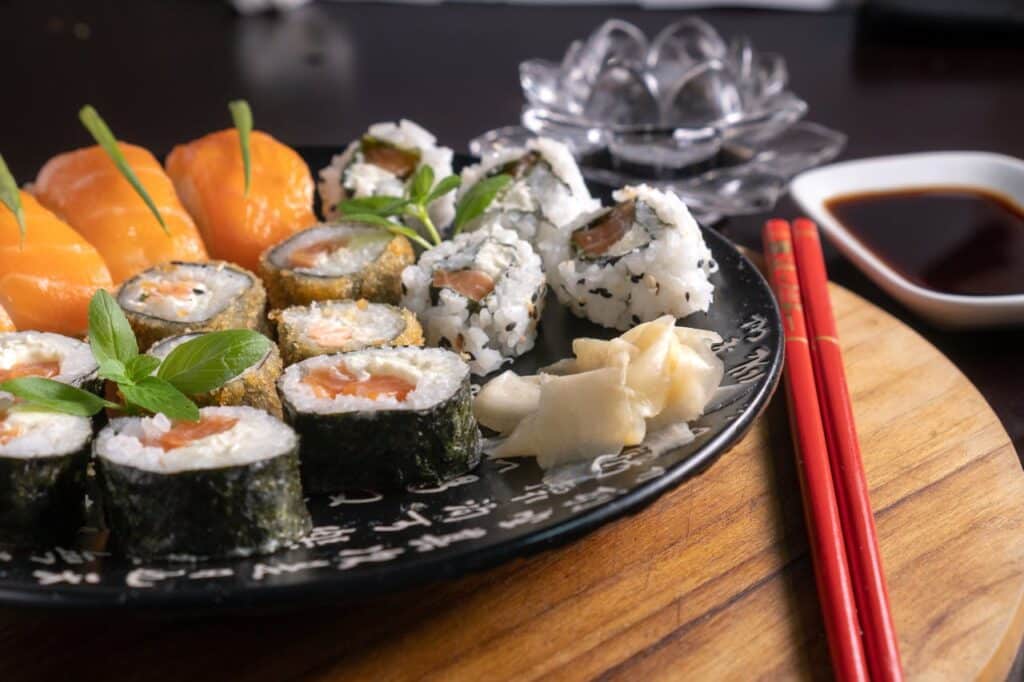
Sushi is commonly associated with raw fish, but the word itself actually refers to the vinegared rice used to prepare it. In reality, many types of sushi feature cooked ingredients like shrimp, crab, or even vegetables. Raw fish is a popular option, but it is by no means a defining characteristic of sushi. Sushi’s versatility allows it to include a variety of ingredients, offering both cooked and raw options that cater to different tastes and preferences.