Imagine a Games where heartbreak, controversy, and bold innovation collide — where once‑rejected disciplines rose from debate to become beloved Olympic mainstays. The Olympics haven’t just evolved in athleticism and scale; they’ve transformed through cultural tension, tradition‑challenging additions, and sports that once made purists scoff.
Some events were initially dismissed as too radical, too casual, or too unconventional, yet went on to redefine what it means to be Olympic‑worthy. Here are eight Olympic sports that were once controversial but now reign as celebrated pillars of the world’s greatest sporting show.
Skateboarding
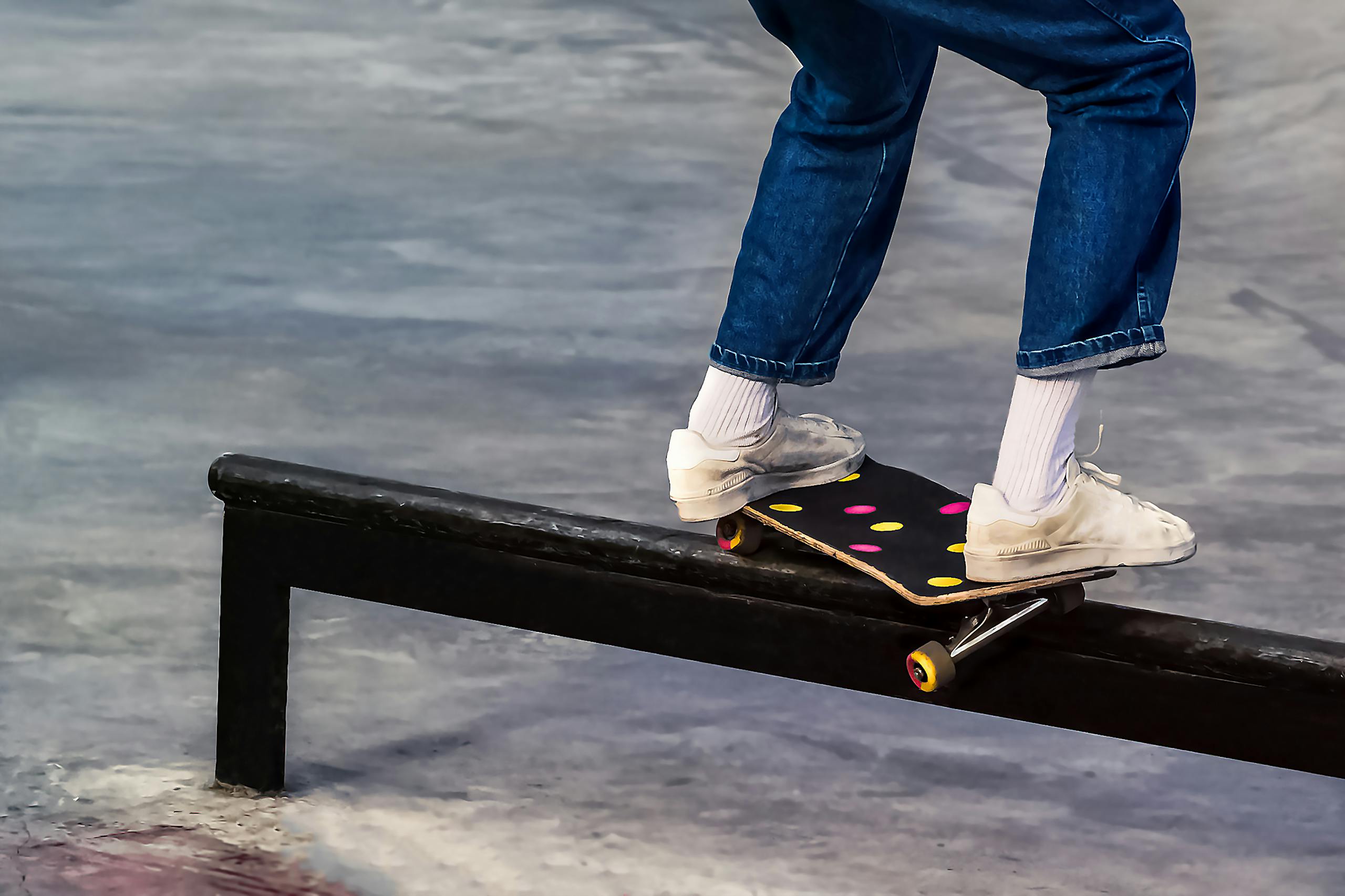
When skateboarding was announced as an Olympic sport for Tokyo 2020, traditionalists balked at its counterculture roots and free‑spirited ethos. Critics feared that the Olympic spotlight would strip skateboarding of its rebellious character and force it into a rigid competitive box.
Yet the sport’s dramatic, gravity‑defying tricks and vibrant personalities captured global audiences and energized younger fans. Today, Olympic skateboarding stands as a dynamic symbol of how modern sport can blend culture, creativity, and competition with thrilling impact.
Table Tennis
For many years, table tennis was dismissed by some as a casual parlor game unfit for Olympic prestige when it was first introduced at the 1988 Seoul Games. Skeptics said its quick rallies and small scale lacked the spectacle of track and field or team sports.
But professional table tennis quickly revealed its stunning speed, precision, and tactical depth, drawing intense interest from fans worldwide. Today, it’s one of the most passionately followed Olympic competitions, with powerhouse nations like China dominating headlines.
Freestyle Skiing

When freestyle skiing debuted at the Winter Olympics in 1992, traditional figure skiers and snow sport purists questioned whether its aerial acrobatics, moguls, and ski cross events belonged on the Olympic stage. The sport’s emphasis on daring tricks seemed too flamboyant for the Games’ disciplined image.
However, freestyle skiing’s blend of athletic daring and artistic flair quickly charmed audiences and carved out a passionate fan base. Today, it’s celebrated for pushing the boundaries of winter competition and accelerating the evolution of snow sports.
Basketball
Basketball’s Olympic future was once uncertain when it was added in 1936 amid debates about professionalism and international appeal. Some critics felt basketball lacked the global roots or established traditions of older Olympic sports.
That changed dramatically as the sport grew across continents and cultures, fueled by iconic moments like the 1992 U.S. “Dream Team.” Now, basketball is a centerpiece of the Summer Games, capturing worldwide attention and showcasing some of the finest global talent every four years.
Beach Volleyball

When beach volleyball first jumped onto the Olympic scene at the 1996 Atlanta Games, more conservative spectators saw its casual beach vibe and minimal uniforms as out of place for such a revered event. Critics argued that it prioritized style over athletic depth and risked undermining traditional Olympic values.
What happened instead was a global surge of support, spurred by the sport’s electrifying energy, sun‑soaked excitement, and visceral teamwork. Today,beach volleyball is one of the most visually iconic and widely adored Olympic sports, uniting fans across continents.
Sport Climbing
When sport climbing was announced as an Olympic discipline for Tokyo 2020, some detractors claimed it lacked structure and universality compared to more established events. The idea of scaling walls in a timed, complex format seemed niche and unconventional to traditionalists.
But sport climbing’s inclusion brought explosive energy to the Games, winning over viewers with its athletic creativity, split‑second strategy, and compelling narratives. It not only broadened Olympic diversity but also highlighted how contemporary audiences hunger for fresh competitive formats.
3×3 Basketball
A variation of traditional basketball that burst onto the Olympic scene at the Tokyo Games, 3×3 basketball faced skepticism for condensing the beloved team sport into a fast‑paced, half‑court format. Purists questioned its legitimacy and whether shrinking the court would dilute the game’s depth and tactical complexity.
Instead, 3×3’s high‑octane action and spirited pace have proven irresistible to global audiences. It has become a vibrant symbol of how adaptive innovation can invigorate even the most established sports.
Taekwondo
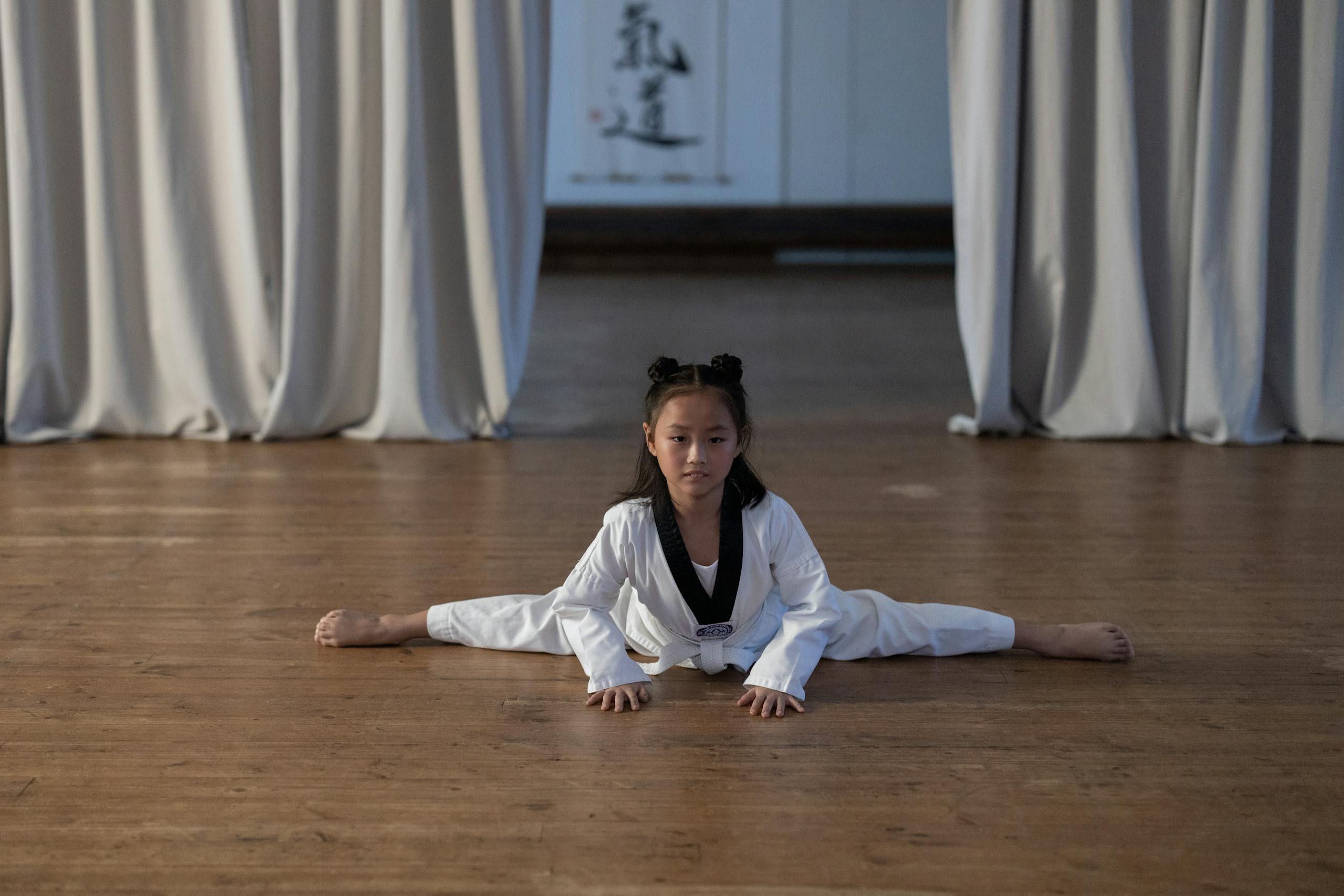
While never excluded in the way some new additions were, taekwondo faced early resistance when it became an official Olympic sport in 2000, with critics unsure whether it fit the Olympic mold. Some skeptics argued that martial arts’ emphasis on style and form over measurable metrics didn’t align with Olympic scoring norms.
Over time, however, taekwondo’s fierce competition, dramatic knockout rounds, and global appeal won universal respect. Today, it stands as one of the most thrilling combat sports in the Games, reflecting both cultural heritage and athletic excellence.
Conclusion
The Olympic Games have always been a crucible of evolution, where tradition and transformation collide. These eight sports — once met with suspicion or resistance — have proven that daring innovation can not only coexist with tradition but strengthen the Olympic spirit itself.
What was once controversial is now celebrated, and what once divided opinion now unites billions around passion, perseverance, and global celebration. The modern Olympics thrive not by resisting change but by embracing the bold, the unexpected, and the unforgettable.