You hit the gym, work hard, and push yourself, but still, the results aren’t showing up. Sound familiar? The truth is, even the best workouts can backfire if you’re making these common exercise mistakes. They’re subtle, easy to overlook, and could be the reason you’re not seeing the progress you deserve. More importantly, they might be setting you up for an injury that can sideline your fitness goals.
If you’re ready to fix your form and get serious about making your workouts work for you, it’s time to ditch these bad habits.
Rounding Your Back During Deadlifts
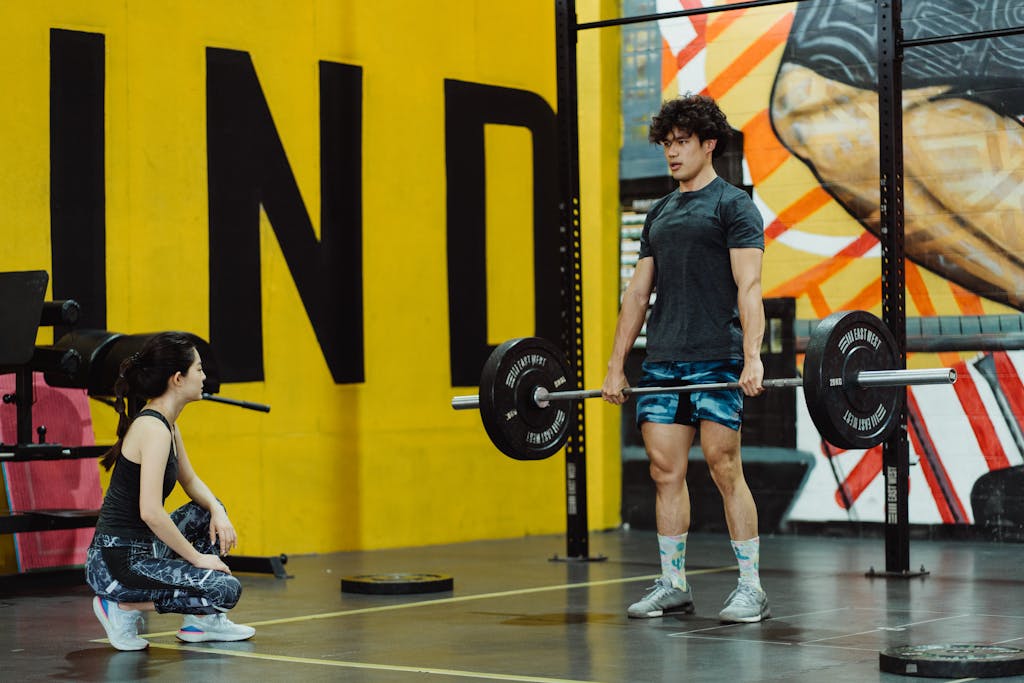
Deadlifts are a powerful way to build strength, but when done incorrectly, they can lead to serious back injuries. Rounding your back during the lift can put immense strain on your spine and cause long-term damage. Focus on maintaining a flat back and keeping your shoulders pulled back. Push through your heels and keep the bar close to your body to prevent unnecessary forward bending. Mastering deadlift form is crucial to avoid injury and maximize muscle gains.
Sagging Through Pushups
Pushups seem simple, but they are surprisingly easy to get wrong. Common errors, such as sagging through the lower back or failing to engage the core, can cause lower-back and shoulder injuries. To do a pushup correctly, keep your body straight from head to toe. Engage your glutes and core to prevent sagging, and place your hands directly under your shoulders. Lower your body with control, squeezing your shoulder blades together, then press back up.
Holding On to the Treadmill

Think gripping the rails on the treadmill will keep you safe? Think again. When you hold onto the bars, you throw your posture off balance and cheat yourself out of a good workout. By relying on the rails, you reduce the effectiveness of the exercise and increase strain on your back and legs.
Instead, keep your arms moving naturally and adjust the speed or incline to match your capabilities. This way, you can keep your posture aligned and make each step count.
Squatting With Poor Form
Squats should be the backbone of any lower-body workout, but they can cause serious damage if done wrong. The most common mistake? Arching your back or leaning too far forward places unnecessary strain on your spine and knees. To perfect the squat, focus on keeping your spine neutral and your chest lifted. Your knees should not go past your toes, and your glutes should initiate the movement. Lower yourself with control, feeling the muscles in your legs and hips doing the work.
Lunging With the Wrong Knee Position
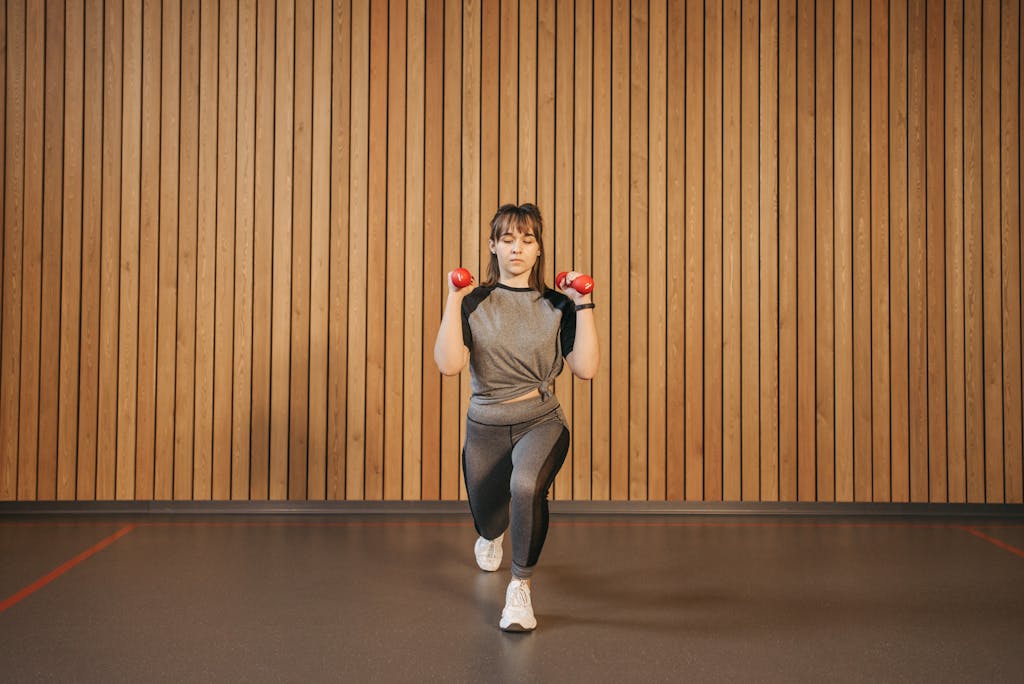
Lunges are excellent for targeting the legs and glutes, but if your knee moves past your toes, you risk joint damage. This common mistake often leads to knee pain and injury. To avoid this, ensure that when you lunge, both knees form a 90-degree angle. Keep your front shin vertical, and engage your core to maintain balance. Avoid leaning forward, as it places unnecessary pressure on your lower back.
Incorrect Situp Technique
Situps are a go-to for core strength, but when done incorrectly, they can strain your neck and lower back. Tucking your chin too much or pulling on your neck can lead to serious discomfort and injury. For safe situps, keep your neck neutral and engage your abs throughout the movement. Lower yourself slowly, keeping your back straight and avoiding any jerking motion. Proper technique will give you a stronger core without the risk of injury.
Swinging During Bicep Curls

When you’re doing bicep curls, swinging your body to lift the weight might seem like a shortcut to get more reps in, but it only leads to elbow and shoulder strain. To fix this, keep your elbows close to your sides and keep your body still. Focus on lifting the weight with control, ensuring that the movement is isolated to your biceps. This will prevent injury and ensure better results.
Arching Your Back During Overhead Press
The overhead press is a challenging exercise that can easily lead to back injury if done incorrectly. Arching your back while pressing the weight overhead puts excessive strain on your spine. Keep your core tight, and make sure to press the weight directly above your head, not forward or backward. The movement should be controlled, with no excessive arching in the lower back.
Crunching Too Hard

Crunches are a great way to strengthen your abs, but they can strain your neck if done improperly. Pulling your head with your hands or tucking your chin too tightly can put undue pressure on your neck. Instead, keep your head in a neutral position and avoid using your hands to yank your neck. The movement should come from your abs, not from a jerking motion. Focus on lifting your shoulders just slightly off the ground for maximum engagement.
Leaning Forward During Dips
Dips are excellent for building upper-body strength, but improper form can lead to shoulder injury. The most common mistake? Leaning too far forward or flaring the elbows outward. To do dips correctly, keep your torso upright and your elbows close to your sides. Avoid shrugging your shoulders or pushing them toward your ears. This will help protect your shoulder joints while maximizing the effectiveness of the exercise.
Pulling the Lat Pulldown Behind Your Neck
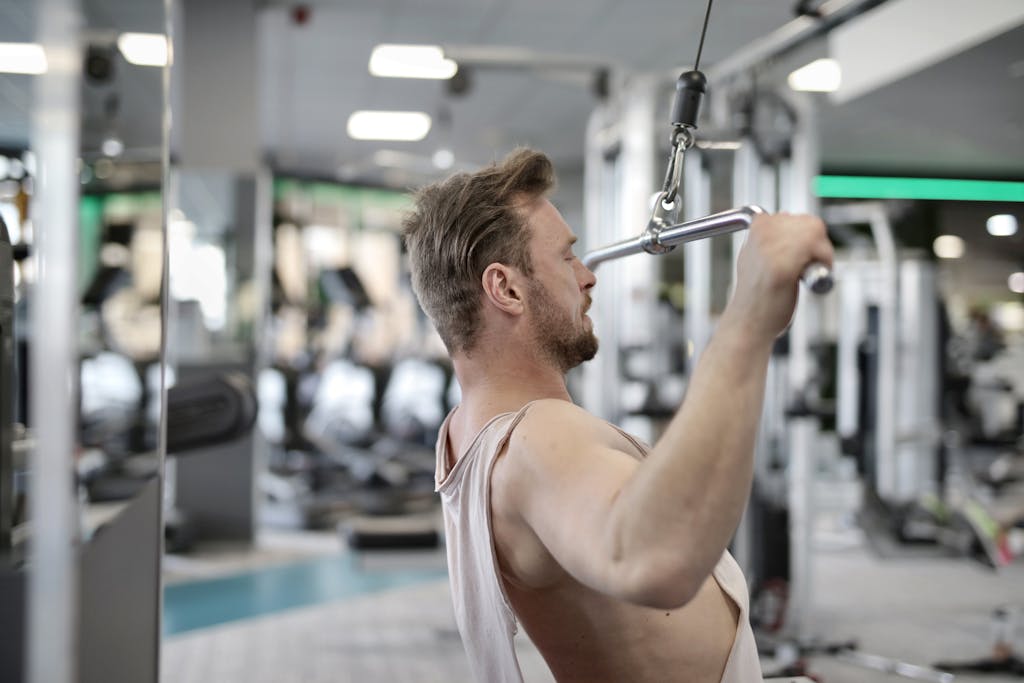
Pulling the lat pulldown behind your neck is a common exercise mistake that puts strain on your neck and shoulders. The motion forces your head forward, compromising your posture. Instead, pull the bar down in front of you toward your chest, keeping your back straight and your shoulders relaxed. This small adjustment makes a big difference in reducing neck strain and improving the effectiveness of the exercise.
Rowing With Only Your Arms
The rowing machine is a fantastic full-body workout, but when you rely solely on your arms to pull, you miss out on targeting your legs and core. This can lead to shoulder injury and reduce the overall effectiveness of the exercise. To get the most from the rowing machine, engage your legs first, pushing with your feet and using your core to stabilize your movement. Your arms should finish the stroke only after your legs and torso have fully engaged.