Buying a home is one of the most significant decisions you’ll ever make—so why rush it? While it’s easy to get swept up in excitement, making the wrong choice can lead to major regrets down the road.
Before you sign on the dotted line, here are 10 crucial factors that could either make your dream home a reality or turn it into a costly mistake. Buckle up, because you might not have considered all of them!
Location
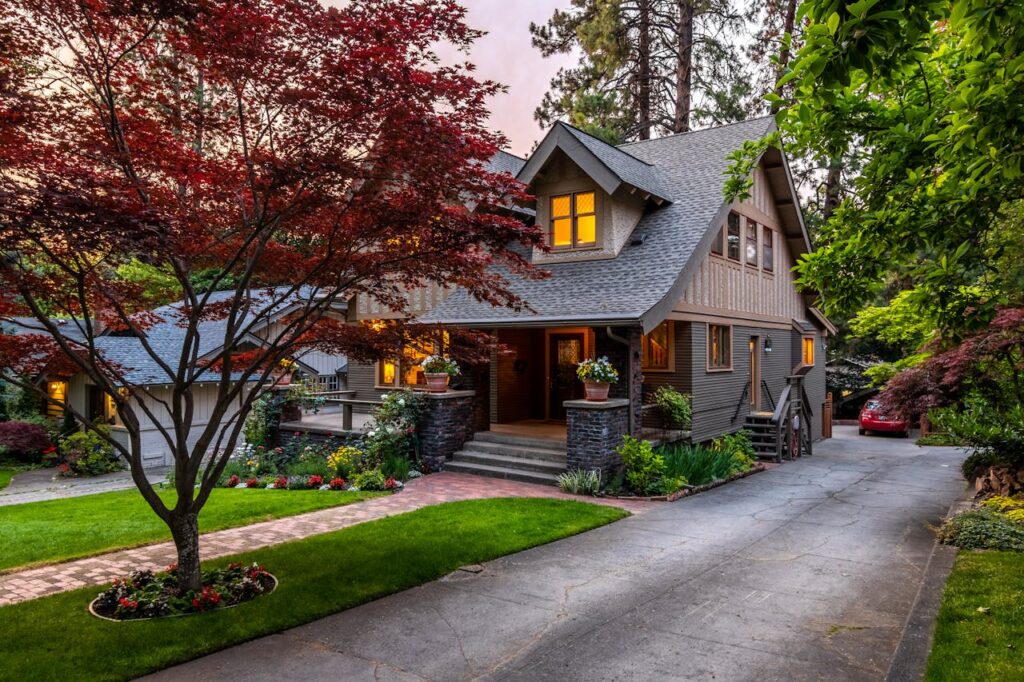
Everyone says it, but it’s worth repeating: location is everything. It’s not just about proximity to work or school; it’s about the future.
Will your neighborhood appreciate in value, or will it become a hassle to live in over time? Dive into local trends—new construction, planned improvements, or even future gentrification can all impact your home’s value.
The Hidden Costs You Didn’t Budget For
The price tag on the house is only the beginning. Many buyers overlook costs such as closing costs, property taxes, insurance, and maintenance.
Did you know that even after purchasing, you might need thousands of dollars in repairs? Budgeting for these additional expenses will prevent any shock down the line.
Space, But Not Just the Square Footage

It’s easy to get distracted by how many bedrooms a home has, but the layout is just as important. Are the rooms functional for your lifestyle? Will the open floor plan make it easier to host friends, or will it feel empty and cold?
Think beyond the square footage and imagine how your family will move through and use the space.
Inspection Nightmare
You may fall in love with a home’s aesthetic, but looks can be deceiving. A thorough inspection can reveal costly issues like mold, outdated wiring, or a cracked foundation.
If you skip this step, you could end up with thousands of dollars in repairs, turning your dream home into a financial burden.
Resale Value
Whether or not you plan to sell in the future, you should always consider the resale value. Homes in prime locations or with desirable features tend to hold their value better.
If the area is on the decline, your home’s resale value might drop, leaving you stuck. Think long-term—will others find this home just as appealing in a few years?
Neighborhood Trends

The right neighborhood can elevate your home’s value, but only if it’s growing and thriving. Look at future developments—new restaurants, transportation hubs, or community projects can increase demand.
On the flip side, if the area is seeing a decline, your investment might not be as safe as you think.
School Districts
Good school districts aren’t just for families. Homes in highly rated school districts are often in demand, boosting their resale potential.
Whether you plan to have kids or not, a home in a great district can pay off when it’s time to sell.
Access to Amenities

Do you want to live near shopping centers, gyms, public transport, and restaurants? Homes with easy access to these types of amenities not only improve your lifestyle but also add value to your property.
If you need to drive 20 minutes just to get to the store, it might be time to reconsider.
Will This Home Suit Your Future?
It’s easy to focus on what you need now, but will this house still work for you down the line? Think long-term: Will you need more space as your family grows, or will your current setup remain functional in 5 or 10 years?
A home that doesn’t adapt to your evolving needs could become a major headache.