Colonial America was a time of ingenuity, survival, and adaptation. Life was vastly different from what we know today, with few of the modern-day conveniences we take for granted. The colonists had to rely on homemade tools, creative problem-solving, and often, a fair amount of resourcefulness to survive.
Many everyday items that seem odd to us today were not just common, but essential in colonial households. These objects served not only practical purposes but also reflected the social and cultural norms of the time.
Let’s dive deeper into 10 odd things colonial Americans kept at home, and what these artifacts reveal about life in the 17th and 18th centuries.
Sundials
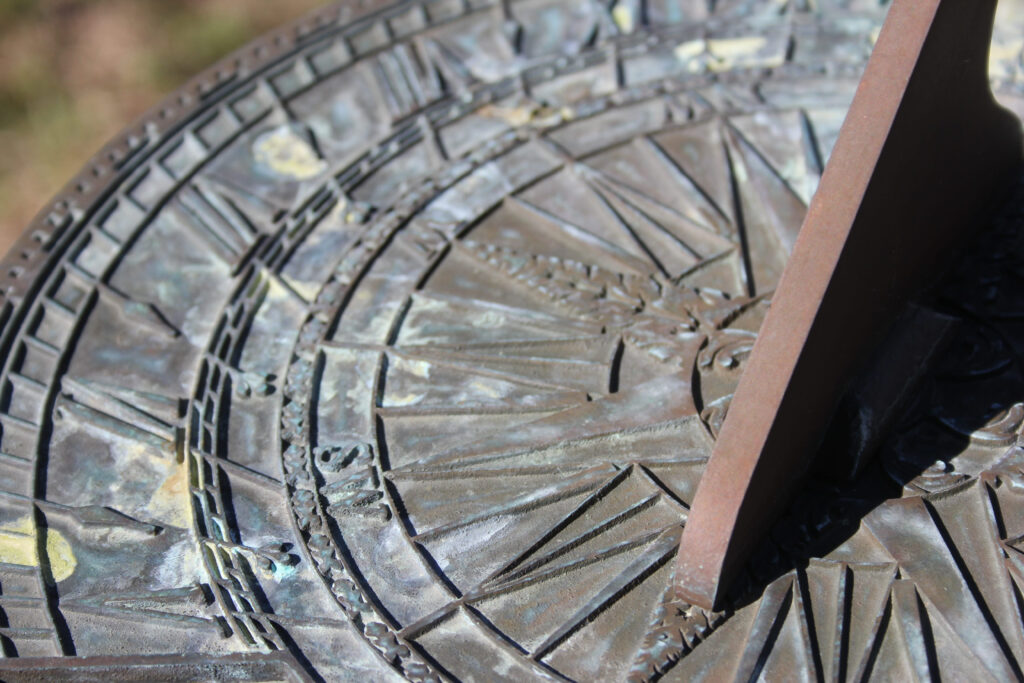
Before clocks became accessible to the general population, colonists relied on the position of the sun to mark the passage of time. Sundials were one of the few timekeeping devices available to the early settlers. These simple yet clever instruments used the sun’s rays to cast a shadow on a dial, telling the time of day.
They were especially useful for those living in rural areas where clocks were scarce or non-existent. For many colonial Americans, the sundial was essential for managing daily activities, from farm work to church services.
However, the sundial was not just about keeping time; it was a symbol of the self-sufficiency and resourcefulness that colonists needed to survive in a harsh new world. A sundial wasn’t just a tool; it was a reflection of how people interacted with nature to organize their lives.
Salt Cellars
Salt was a prized commodity in colonial America, often used not only for seasoning food but also for preserving it. In an era where refrigeration was nonexistent, salt played a vital role in food storage, especially for meat.
The salt cellar, a small dish used to hold salt at the table, was an essential household item. But these weren’t just utilitarian objects; they were also symbols of status. Wealthy families often used ornate, finely crafted salt cellars made from expensive materials like silver or glass, while less affluent families settled for simpler containers made from wood or ceramic.
The practice of placing salt at the dining table wasn’t merely about convenience; it was a way to signify wealth, hospitality, and a well-stocked household. In some cases, the salt cellar was even used as a display of social rank, as owning a beautifully crafted salt container was considered an indication of refined taste and prosperity.
Hornbook
Long before modern textbooks and digital learning tools, colonial children relied on the hornbook, a simple yet effective educational tool. The hornbook was a wooden board, typically about the size of a modern-day tablet, with a sheet of parchment or paper affixed to it. The surface usually featured the alphabet, a Bible verse, and basic lessons that children would learn to recite.
The horn covering protected the delicate paper from wear and tear, making it an invaluable tool for young learners. Education was a luxury for many in colonial times, and tools like the hornbook allowed for basic literacy to spread even in the most remote areas.
As colonial life was often centered around hard labor and survival, formal schooling was not always a priority. However, the hornbook helped bridge that gap, providing children with an early education and fostering a love for learning that would carry over into adulthood.
Bed Warmer

Colonial winters were notoriously harsh, with temperatures dropping to uncomfortable levels. Without the modern luxury of central heating, colonists had to rely on inventive ways to keep warm during the long, cold nights.
One such invention was the bed warmer, a metal pan filled with hot coals that was placed in the bed before sleeping. The long handle allowed it to be safely placed under the sheets, warming the bed and providing some much-needed comfort before sleep.
These bed warmers were typically made of brass or iron and used by both the wealthy and the poor. For wealthier families, a bed warmer may have been elaborately designed, but for the common folk, a simple, functional version would do. The bed warmer wasn’t just about comfort; it was a matter of survival, allowing families to endure the frigid temperatures that dominated much of colonial life.
Wool Cards
In a time before factory-made clothes and commercial fabric, people had to be resourceful when creating their own clothing. Wool was one of the most commonly used materials, but before it could be woven into textiles, it needed to be prepared.
Enter the wool card, a wooden board embedded with metal teeth that were used to comb through raw wool, removing tangles and separating the fibers. This was an essential part of the textile process, allowing colonists to prepare wool for spinning into yarn.
In rural areas, where access to ready-made fabrics was limited, wool cards were indispensable for making warm clothing, blankets, and other household textiles. Families who couldn’t afford to buy fabric had to rely on their skills and tools like wool cards to make their own clothing and linens, turning wool into thread that would be woven into garments.
Candles
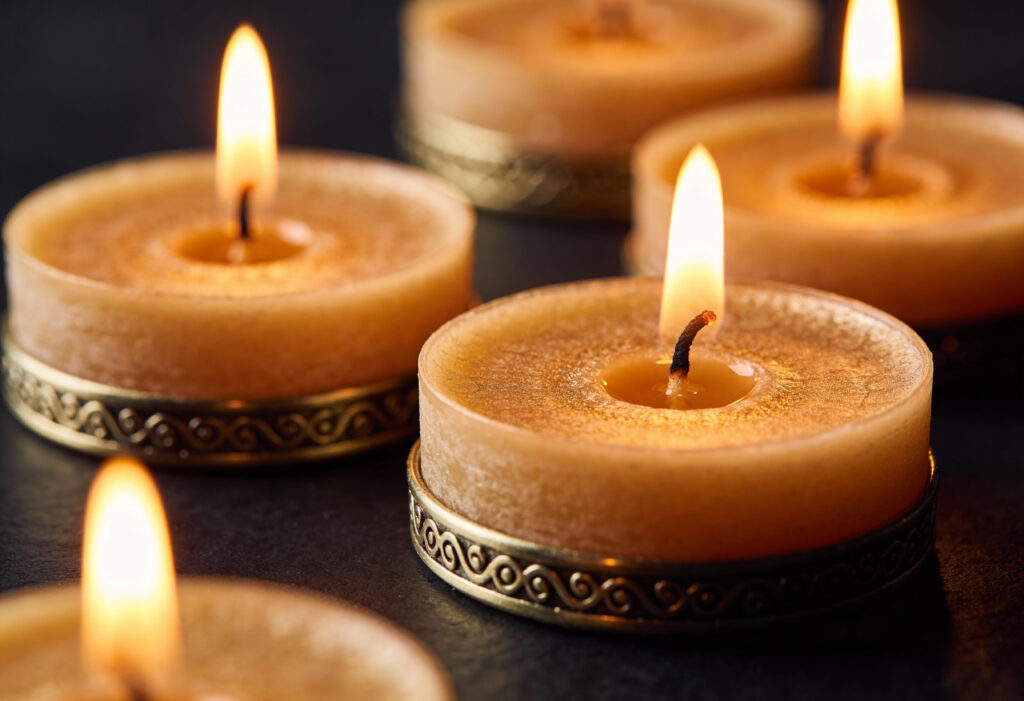
Imagine living in a time when electricity was nonexistent, and the only source of light at night came from candles. Candles were the primary way colonists lit their homes after sundown, and they were a vital part of everyday life. The wax used in colonial candles varied, with the most common materials being tallow and bayberry wax.
Bayberry wax, though more expensive, produced a pleasant smell and a bright, steady flame, making it highly sought after. Tallow candles, while more affordable, burned with a smoky flame and emitted an unpleasant odor. Candles were used for everything from reading and cooking to lighting up darkened streets and alleys.
The process of candle-making was labor-intensive, as it involved melting fat or wax and pouring it into molds, requiring skill and patience. For colonists, a candle wasn’t just a lighting tool; it was an essential part of daily life, marking the end of the day and bringing some warmth and light to an otherwise dark existence.
Pomander
In a world where indoor plumbing and modern cleaning products didn’t exist, colonial homes often had to rely on unconventional methods to mask unpleasant odors. The pomander was one such method. Made by stuffing a fruit, usually an orange or apple, with cloves and other spices, the pomander served as a natural air freshener.
These fragrant items were hung in homes, often in the kitchen or around living spaces, to add a pleasant scent to the air. But the pomander wasn’t just about smell; it was also a symbol of health and protection.
Many people believed that the spices used in the pomander, such as cloves and cinnamon, had medicinal properties that could ward off disease, especially during epidemics. The pomander also served as a decorative item, often hanging from the ceiling or placed in a decorative bowl, offering a touch of luxury and a reminder of the importance of hygiene, even if the concept of cleanliness was quite different back then.
Whirligig
Toys in colonial America weren’t as abundant or as diverse as they are today. Children often had to make do with whatever they could create or find. One popular toy during this time was the whirligig, a simple spinning toy made from a disc and a string.
When the string was pulled, the whirligig would spin rapidly, creating a buzzing sound. While this may seem like a simple, primitive toy to us, it provided endless entertainment for colonial children. The whirligig was not just fun; it was also a way to develop motor skills and pass the time during long winters or tedious chores.
In a time when other forms of entertainment were scarce, toys like the whirligig helped children learn through play while offering a brief respite from the hardships of daily life.
Fire Buckets

In the absence of professional fire departments, colonial Americans relied on their communities to fight fires. Fire buckets were a critical tool in this effort. These leather or wooden buckets were filled with water and passed from person to person in a human chain to douse the flames.
The fire bucket system, known as a “bucket brigade,” was a remarkable example of communal cooperation, as neighbors worked together to put out fires that threatened their homes and livelihoods.
The fire bucket itself was an essential household item, often kept near the door, ready to be grabbed in case of an emergency. It was not just a tool for fire safety but also a reminder of the risks of living in a time without modern firefighting technology.