Love is often considered the most powerful and beautiful emotion, inspiring countless works of art, literature, and romantic gestures. It’s something that connects us as humans, forging deep emotional bonds that shape our lives. However, despite the universal appeal of love, unseen forces often disrupt or even ruin your romantic experiences.
These forces come in the form of superstitions, old beliefs that, while cultural in origin, still affect relationships today. If you’re not careful, these superstitions might influence your romantic life in unexpected ways. Here are 10 superstitions that, if you follow them, could be your relationship’s downfall.
The Curse of Yellow Roses

Yellow roses are typically associated with happiness, warmth, and friendship, making them a popular choice for gifts. However, in the realm of romantic relationships, yellow roses carry a much darker meaning. They symbolize jealousy and the decline of love, which makes them an undesirable gift for someone you’re romantically interested in. Giving yellow roses might signal that your relationship is headed for infidelity or emotional distance, something you certainly don’t want to convey. Stick to red roses, which symbolize love and passion, to ensure your romantic intentions are clear and well-received.
In some cultures, the color yellow itself can invoke negative feelings, especially in romantic settings. While it’s a color that generally signifies happiness, its association with jealousy or fading affection can lead to misunderstandings. The simple act of giving yellow roses could unintentionally plant seeds of doubt or insecurity in the other person’s mind. Avoid this minefield by steering clear of yellow flowers and choosing a more appropriate gesture to express your feelings.
Beards
In many cultures, facial hair has long been associated with masculinity, strength, and status. Yet in some places, having a beard can be a sign of bad luck, particularly in romantic relationships. In the past, facial hair was seen as a symbol of lower social status, and men with beards were often perceived as less refined or cultured. This belief linked men who chose not to shave to the idea of being unkempt or rebellious, diminishing their appeal as potential partners.
While beards have made a comeback in recent years as a fashion statement, the superstition still holds weight in some areas. If you’re someone who subscribes to this belief, it might be worth considering whether a clean-shaven look could improve your romantic prospects. Ultimately, the decision to have a beard should be based on personal preference, but it’s essential to recognize how cultural beliefs and superstitions can influence perceptions of attractiveness and relationships.
Pregnant Women at Weddings

Pregnancy is a joyful and exciting time for many, but it comes with its own set of superstitions that can impact romantic situations. In some cultures, particularly in parts of China, the presence of a pregnant woman at a wedding is considered bad luck. The belief stems from the idea that the energies of the bride and the pregnant woman conflict, leading to misfortune either for the wedding or for the unborn child. As a result, couples may feel compelled to exclude pregnant women from weddings in order to avoid any bad luck or negative energy. This superstition, though rooted in tradition, highlights how certain beliefs can influence the harmony of a celebration.
While some may dismiss this superstition as old-fashioned, others still adhere to it with serious consequences. By adhering to such customs, couples may inadvertently cause division among their loved ones or alienate those they care about. Instead of letting superstitions dictate the atmosphere of a joyous event, it’s important to focus on love, acceptance, and positive energy to ensure that everyone feels welcome and valued. After all, no one should have to choose between celebrating a new life and a wedding.
The Number 8
Numerology plays an important role in many cultures, with specific numbers carrying particular significance. In India, the number 8 is considered to be an unlucky number for couples, especially when it comes to wedding dates. The number 8 is linked with the planet Saturn, which is associated with sorrow and misfortune. As such, arranging a wedding on the 8th of any month is thought to bring bad luck and emotional turmoil to the couple.
This superstition serves as a reminder of how numbers can hold great power over people’s beliefs and actions. In cultures where numerology is revered, even a single number like 8 can have a profound impact on significant life events. If you’re planning your wedding or other important milestones, it might be wise to avoid the number 8 in favor of more auspicious dates that promote positivity and happiness.
Clocks as Gifts
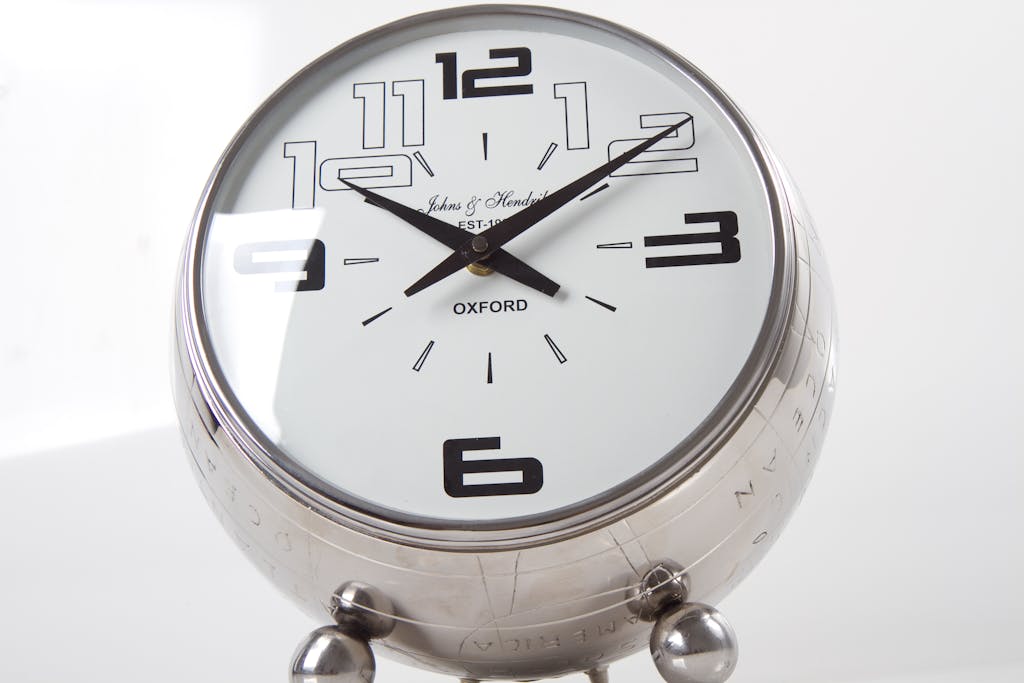
Clocks have long been seen as symbols of time, often used to commemorate milestones and achievements. Yet in certain cultures, particularly in China, gifting a clock is considered deeply unlucky. The reason lies in the linguistic connection between the words for “clock” and “end” in Cantonese, making the act of giving a clock a metaphorical “sending off” of a person, especially in romantic contexts. In a way, giving a clock is perceived as a wish for the recipient’s time to run out, a terrible omen for someone starting a new relationship or marriage.
In some Asian cultures, gifting a clock may be seen as a reminder of mortality, which is both culturally insensitive and highly inappropriate for a celebration of love. A gift meant to express affection could easily turn into a symbol of finality or doom, especially when it’s the first gesture between two people in a relationship. It’s best to avoid gifting clocks or timepieces and instead opt for something that symbolizes the timeless nature of love ,something that encourages longevity and joy.
Scissors
Scissors are essential tools in everyday life, but in some parts of Northern Africa and Egypt, they are seen as objects of misfortune in matters of love. The superstition holds that opening a pair of scissors without cutting anything is a bad omen for your relationship. The belief is that scissors, whose primary purpose is to cut, can symbolically “cut” your relationship if mishandled. The open scissors are seen as a sign that your bond is vulnerable to being severed, leading to emotional distance or even an eventual breakup.
This superstition becomes even more ominous in the context of weddings. If scissors are opened or used inappropriately during a ceremony, it’s believed that the groom might suffer from impotence or that the couple will face infidelity. Though these beliefs might sound extreme, they serve as a reminder of how small superstitions can be taken seriously in certain cultures. Avoiding the careless use of scissors and ensuring that your relationship stays free from these omens is a small but significant step toward maintaining harmony.
No Coins in Wedding Shoes
Money plays a significant role in relationships, often causing stress and tension between partners. In Sweden, a traditional superstition involves placing coins in the wedding shoes to ensure that the bride never faces financial hardship. A gold coin in the right shoe and a silver coin in the left shoe are believed to symbolize prosperity and a life free from financial struggles. While the gesture may seem charming, it highlights how the focus on material wealth can overshadow emotional connection in a marriage.
Although the superstition is rooted in good intentions, it serves as a reminder that materialism can detract from the true essence of love. A relationship based on financial security alone is bound to face difficulties in the long run. It’s important to prioritize emotional connection and shared values rather than relying on superstitions that overemphasize wealth and possessions.
The Towel Curse

/Pexels
Sharing a towel with your significant other might seem like an innocent and practical act, but in certain parts of the world, it’s considered an omen for impending conflict. Particularly in Russia, it’s believed that using the same towel can lead to tension and arguments in a relationship. The superstition suggests that towels hold emotional energy, and sharing one between partners can transfer negativity and cause discord. In the worst-case scenario, it’s believed that couples who share towels will experience a series of escalating arguments that threaten the stability of their bond.
While this superstition may seem trivial, it underscores the idea that even the smallest actions can carry weight in a relationship. Instead of taking chances with potentially harmful superstitions, it’s better to embrace practices that promote peace and understanding. Using separate towels may seem like a minor detail, but it could be the key to preventing unnecessary tension and fostering a healthier relationship.
Even Numbers of Flowers
In many parts of the world, flowers are a universal symbol of love and affection, often exchanged between couples as tokens of appreciation. However, in Russia, there is a crucial detail to keep in mind when gifting flowers: always ensure the number of flowers is odd. An even number of flowers, especially in romantic settings, is considered a symbol of death and mourning, and it’s believed to bring bad luck to relationships. An even bouquet might be perceived as an insult rather than a thoughtful gesture, potentially sabotaging your chances of deepening your connection with someone.
This superstition reflects the deep cultural significance of numbers, especially in the context of love. Flowers, while typically associated with positive emotions, can carry unintended meanings if not carefully chosen. To avoid sending the wrong message, always give an odd number of flowers, ensuring your gift aligns with the positive energy you intend to convey.
Henna and the Search for the Groom’s Name
In Indian weddings, henna holds significant cultural importance, often marking the beginning of a new chapter in the lives of the bride and groom. During the traditional Mehndi ceremony, the bride’s hands are decorated with intricate henna designs, often including the groom’s name. In the past, it was considered good luck if the groom could find his name written in the henna before the wedding night began. If he failed to locate the name, it was believed that the bride would dominate the marriage, and the relationship might lack balance.
Though this superstition is mostly playful today, it highlights how small traditions can create pressure on couples to meet certain expectations. The hunt for the groom’s name might sound trivial, but it reflects the larger issue of how superstitions can shape relationships. Instead of adhering to outdated traditions that focus on domination or submission, it’s healthier to prioritize equality and mutual respect in a relationship.