Ah, the thrill of tackling a home renovation on your own, saving money, expressing your creativity, and making your space truly yours. But before you pick up that hammer or swing that paintbrush, let’s face a few uncomfortable truths.
DIY home projects aren’t always the money-saver we think they are. In fact, they can sometimes be ticking time bombs waiting to blow your budget.
From rookie mistakes to hidden dangers, here are 14 DIY renovation blunders that can easily derail your plans and how to steer clear of them.
Underestimating How Much Time You’ll Need (And Overestimating Your Skills)

DIY projects often look easy on paper, but the reality is far from it. You might start thinking that installing new tiles or updating your bathroom will be a weekend project.
But fast-forward to day three, and you’re still dealing with leaks, crooked cabinets, and an ever-growing pile of tools. Not only will it take longer than expected, but if you lack the expertise, it’s easy to make costly mistakes.
Solution: Start with small, manageable projects that fit within your current skill level. Research thoroughly, and be prepared for unexpected delays. Remember, the bigger the project, the more time you should allow, and if you’re not confident, don’t hesitate to call in a professional for help.
Skipping Safety Precautions (An Accident Waiting to Happen)
You’re eager to get started, and safety gear just seems like an inconvenience. However, skipping protective measures is one of the most common mistakes DIYers make, and it can result in serious injury. From flying debris during demolition to inhaling dust when sanding, safety should never take a back seat.
Solution: Always wear the proper safety equipment, gloves, goggles, dust masks, and sturdy footwear. It may seem like a hassle, but it’s better than a trip to the emergency room.
Neglecting to Get Permits (A Fine You Don’t Want to Pay)
Sure, it’s tempting to skip the paperwork, especially if you think your project is minor. But ignoring local building codes and permits could come back to haunt you. Failure to secure the right permits for electrical, plumbing, or structural work can result in fines, forced demolition, or the inability to sell your home in the future.
Solution: Before you pick up a tool, check with your local authorities to see what requires a permit. A permit is official permission from your city or town to carry out certain types of construction or alterations. It’s worth the effort to avoid costly legal issues later on.
Going for the Cheapest Materials (It’s Not a Bargain if It Falls Apart)
We get it, budgeting is important, but buying low-quality materials can be a huge mistake. Sure, those bargain basement tiles look great until they start cracking after a few months. Cheap materials often wear down quickly, leading to repairs that cost more than if you had just spent a little extra upfront.
Solution: While you don’t need to splurge on everything, it’s smart to invest in quality for key materials like flooring, countertops, or fixtures. Good quality items last longer and keep your space looking sharp.
Overestimating Your Ability to DIY Electrical and Plumbing Work (A Major Safety Risk)
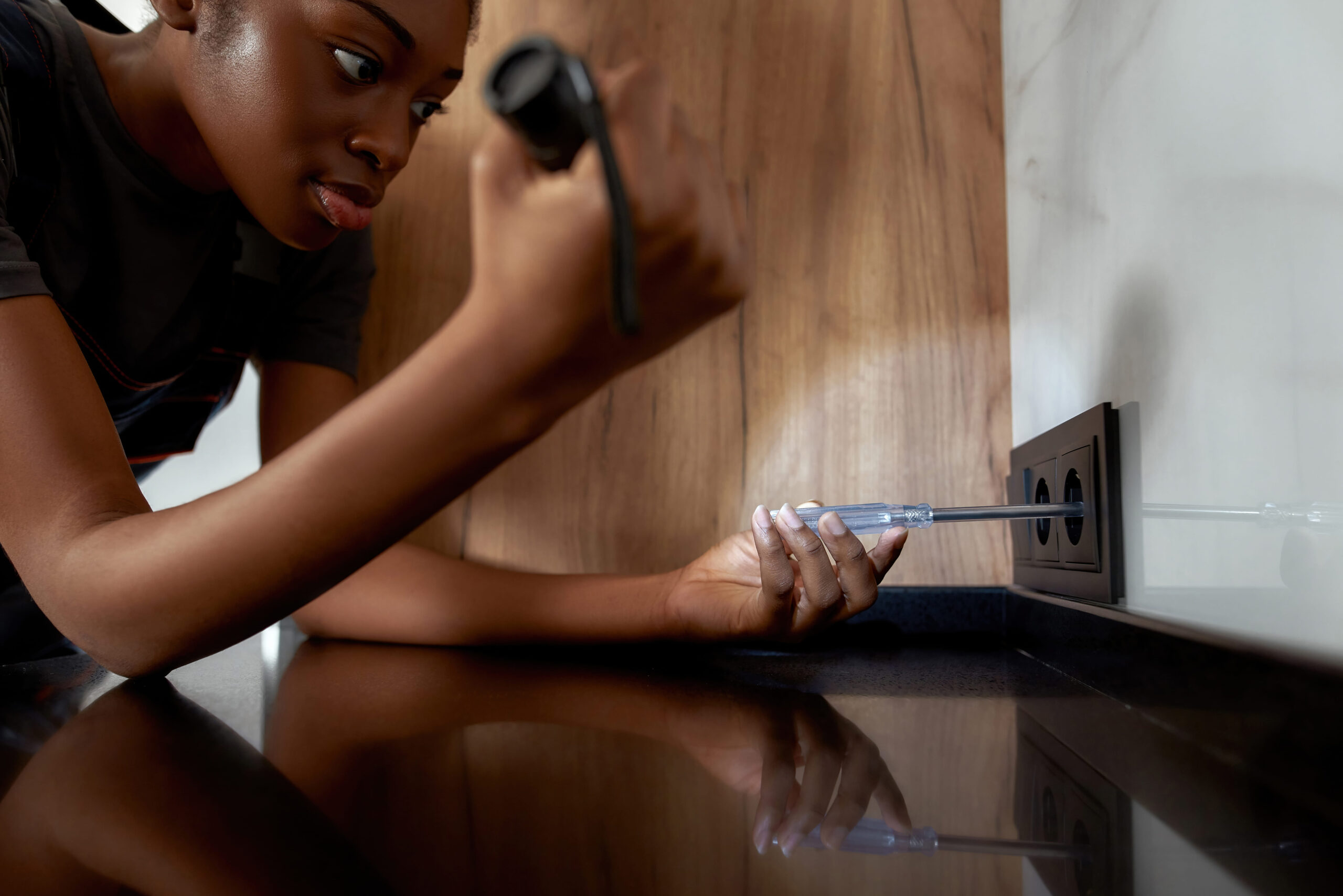
Let’s be honest: DIY electrical or plumbing work might seem tempting to save a few bucks, but it’s also one of the riskiest things you can do. Poor electrical connections can lead to an electrical fire, and plumbing issues can cause water damage or mold growth; both are disasters waiting to happen.
Solution: Stick to basic tasks within your skill set, like painting or assembling furniture. If you need electrical or plumbing work done, hire a licensed professional to ensure everything is up to code and safe.
Ignoring the Importance of Proper Measurements (Why Everything Is Too Tight or Too Loose)
Here’s a classic: You eyeball the measurements, cut the wood, and boom, things don’t fit. This mistake is surprisingly common, and it can easily derail your entire project. Whether it’s cabinets, furniture, or flooring, incorrect measurements lead to wasted materials and a lot of frustration.
Solution: Always measure twice, cut once. Use a tape measure (a flexible ruler used to measure length or width), a level (a tool that ensures your surface is perfectly horizontal or vertical), and a square (a tool to check right angles) to ensure everything aligns perfectly. Spending an extra minute on accuracy will save you hours of rework.
Underestimating the Power of Paint (It’s Not Just About the Color)
Everyone knows a fresh coat of paint can do wonders for a space. But here’s the catch: not all paints are created equal, and not all walls are prepped correctly. Skipping surface prep like sanding, priming, or cleaning can lead to a lackluster finish that looks sloppy and wears off quickly.
Solution: Take the time to properly prep your surfaces before you paint. Clean, sand, and prime when necessary. Trust us, that extra effort will pay off with a professional-looking finish that lasts.
Rushing the Demolition (You’re Not Just Destroying, You’re Exposing Risks)
Sure, it’s tempting to just rip everything out and get to the fun part, but rushing through demolition can cause major issues. You might break pipes, damage structural beams, or uncover mold that was hidden behind the walls. Not to mention, throwing debris around without caution can damage other parts of your home.
Solution: Take your time with the demolition phase. Wear proper safety gear, and inspect everything before tearing it out. Remember, the more you know about what’s behind the walls, the better prepared you’ll be.
DIYing Without a Clear Plan (Chaos Is Not a Design Style)

Starting a renovation without a clear plan is like driving without a map; you’ll end up lost. It’s easy to get carried away with ideas, but without a solid design plan, you risk creating a mismatched and disorganized space. Worse, you might end up buying the wrong materials or missing key steps.
Solution: Outline your project before you begin. Create a timeline, list the materials you need, and set a budget. A detailed plan ensures your project stays on track and within your means.
Overlooking the Importance of Lighting (You Need More Than Just Bulbs)
Lighting can make or break a room. A single overhead light might seem like enough, but it often leaves rooms feeling flat and uninviting. Without the proper layering of lighting task, ambient, and accent, you’re missing a key element that makes spaces feel welcoming.
Solution: Invest in different types of lighting. Use a mix of ceiling lights, floor lamps, task lighting, and accent lighting to add depth and warmth to your rooms.
Thinking DIY Will Always Save Money (The True Cost of DIY)
The idea of saving money by going DIY is appealing, but it’s not always realistic. When you factor in the tools you have to buy, the learning curve, and the inevitable mistakes, DIY projects can end up costing more than hiring a pro. Plus, the time you spend could be better used for other tasks.
Solution: Be honest about the true cost of DIY. If the project requires skills you don’t have, it might be more economical to hire a professional who can do the job right the first time.
Overloading Yourself with Multiple Projects (One at a Time, Please)
It’s tempting to renovate every room at once, but taking on too many projects can overwhelm you and lead to subpar results. Spreading yourself too thin can result in unfinished work, messy spaces, and more stress than you bargained for.
Solution: Focus on one project at a time. It might take longer to complete, but you’ll be able to do it right and see the results you want.
Ignoring Maintenance Costs (Don’t Forget to Budget for the Long Run)
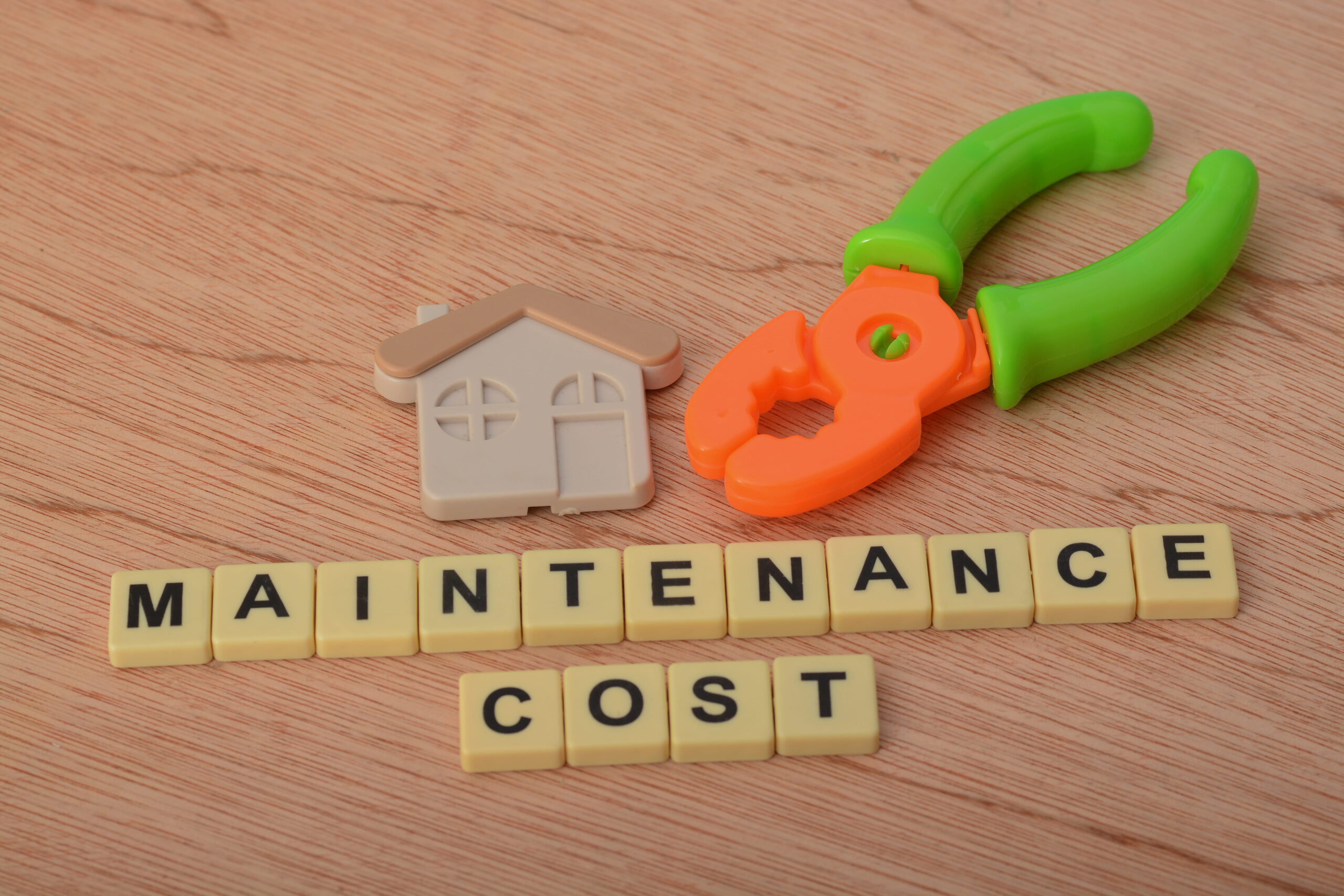
A beautiful kitchen or bathroom might seem like the ultimate goal, but have you factored in the long-term maintenance costs? High-end materials, while initially gorgeous, often come with hefty upkeep. The more intricate the design, the more work you’ll need to keep things looking fresh.
Solution: Think ahead about the long-term maintenance costs. Choose materials and designs that are easy to maintain and fit within your lifestyle.
Neglecting the Final Inspection (Fix It Before It Becomes a Problem)
After putting in all the effort, it’s easy to assume that everything is perfect. But failing to inspect your work can leave little problems unnoticed. Those small imperfections could turn into bigger issues down the line, especially in structural or functional areas.
Solution: Always do a final walk-through to check for any missed details. Inspect everything, plumbing, flooring, and electrical work, and fix minor issues before they become major headaches.
Conclusion
Home renovations can be incredibly rewarding, but they’re also full of potential pitfalls. The key to success is knowledge and preparation. Take the time to plan, measure, and budget carefully, and remember that safety and skill matter more than rushing to get it done.
Want your home to shine without breaking the bank or your sanity? Avoid these common DIY mistakes and set yourself up for success. What project are you tackling next? Are you ready to take the plunge, or will you be stepping back to rethink your approach? Let us know your thoughts, and happy renovating!