There is a certain kind of household optimism that gets people into trouble. It sounds like this: it still works, so it must still be fine. That logic is how families end up sleeping on sagging mattresses, trusting ancient smoke alarms, and babying appliances that are quietly wasting money month after month. In a home, age is not just a number. Sometimes it is a warning label.
The truth is simple. Some items are not meant to stay in service forever, even when they seem to be limping along just fine.
Safety devices lose reliability, appliances lose efficiency, and everyday essentials stop doing the job you paid for. If you want a home that feels safer, smarter, and less expensive to run, these are the five items worth watching closely as they approach the ten-year zone.
Your Mattress
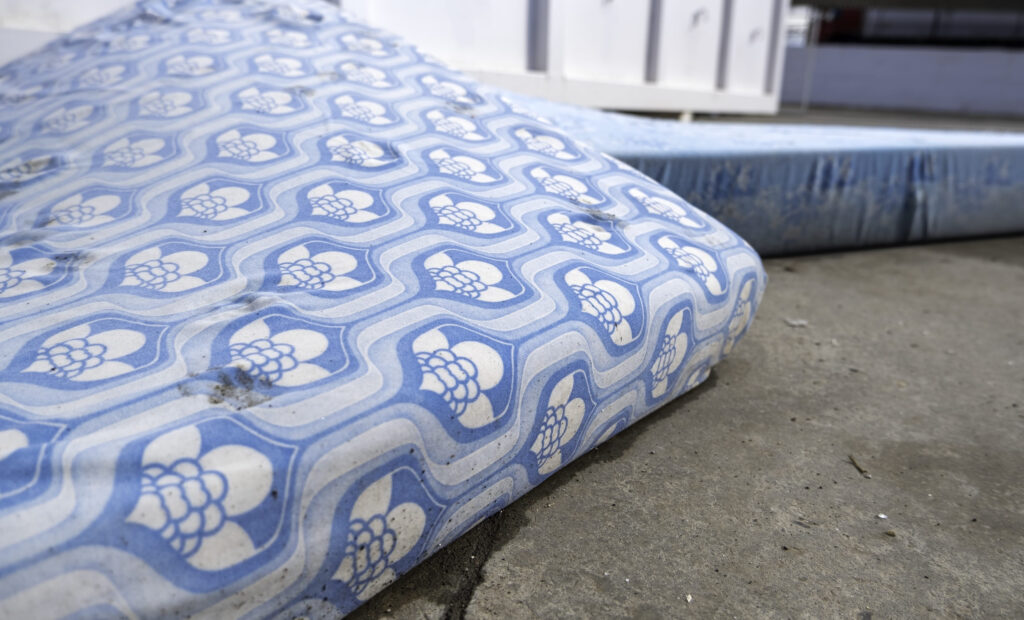
A bad mattress rarely announces itself with drama. It wears down quietly, little by little, until you start waking up stiff, restless, or strangely more comfortable anywhere that is not your own bed.
The Sleep Foundation says most mattresses last about 7 to 10 years, and that lifespan depends on materials, build quality, and how heavily the bed is used. That means a mattress nearing a decade old is not “broken in.” It is usually well into its decline.
There is also the hygiene side of the story, and it is not exactly charming. Dust mite allergens commonly cling to bedding and mattresses, and for people with allergies or asthma, that can turn bedtime into an eight-hour irritation session. A tired mattress does not just sabotage comfort. It can make your bedroom feel less clean, less fresh, and less supportive than it should. Replacing it is not a luxury move. It is basic maintenance for your sleep.
Smoke Alarms
This is the one people gamble with far too casually. If the alarm still beeps when you press the button, most households assume everything is fine. But the National Fire Protection Association says all smoke alarms should be replaced 10 years after their manufacture date.
That date matters because the sensor itself ages, and an alarm with a tired sensor is not something you want negotiating on your behalf in the middle of the night.
Smoke alarms are not decorative plastic circles you forget about after installation. They are one of the few devices in your house that may one day need to work perfectly on the first try. If yours is creeping toward the ten-year mark, replace it before it becomes a false sense of security. A chirp is helpful, but a fresh, reliable sensor is what really buys peace of mind.
Fire Extinguishers
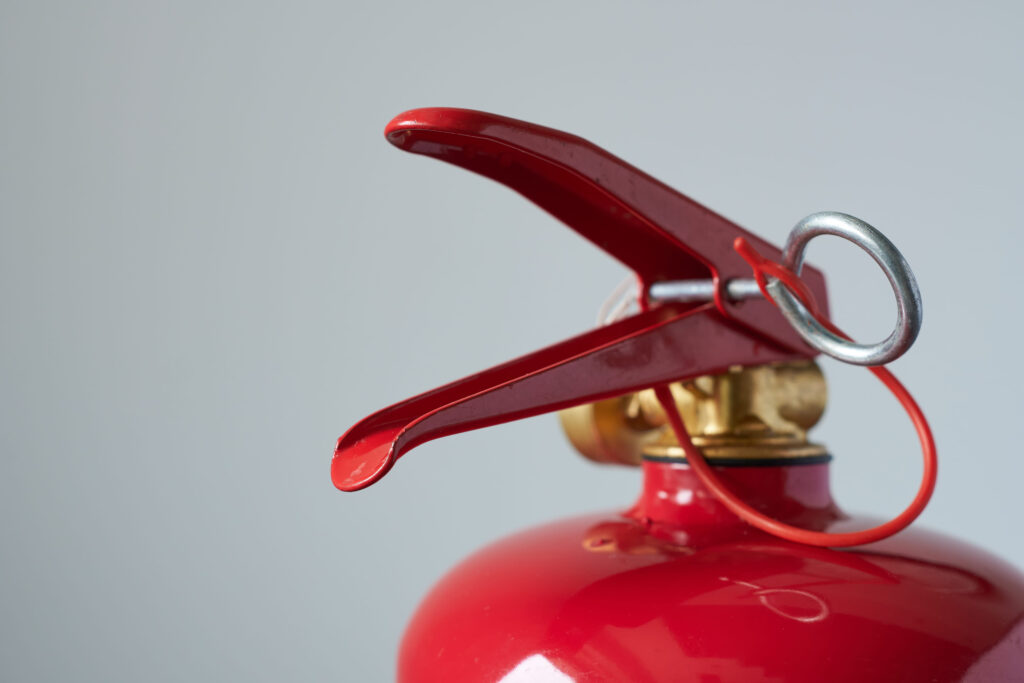
A fire extinguisher tucked under the sink can create a dangerous illusion: because it is there, you think you are protected. But a fire extinguisher is only useful if it is pressurized, accessible, and still within its service life.
Kidde advises replacing extinguishers that are over 12 years old or have been used, and its home-safety guidance also recommends checking the gauge monthly. In other words, the ten-year mark is not the time to keep guessing. It is time to start taking replacement seriously.
This is one of those items that people buy once and then mentally classify as permanent. It is not. The extinguisher in your kitchen should be treated like emergency gear, not background décor. If you have no idea how old it is, cannot read the label, or have never looked at the gauge, that is your sign that it deserves attention now, not someday.
Your Water Heater
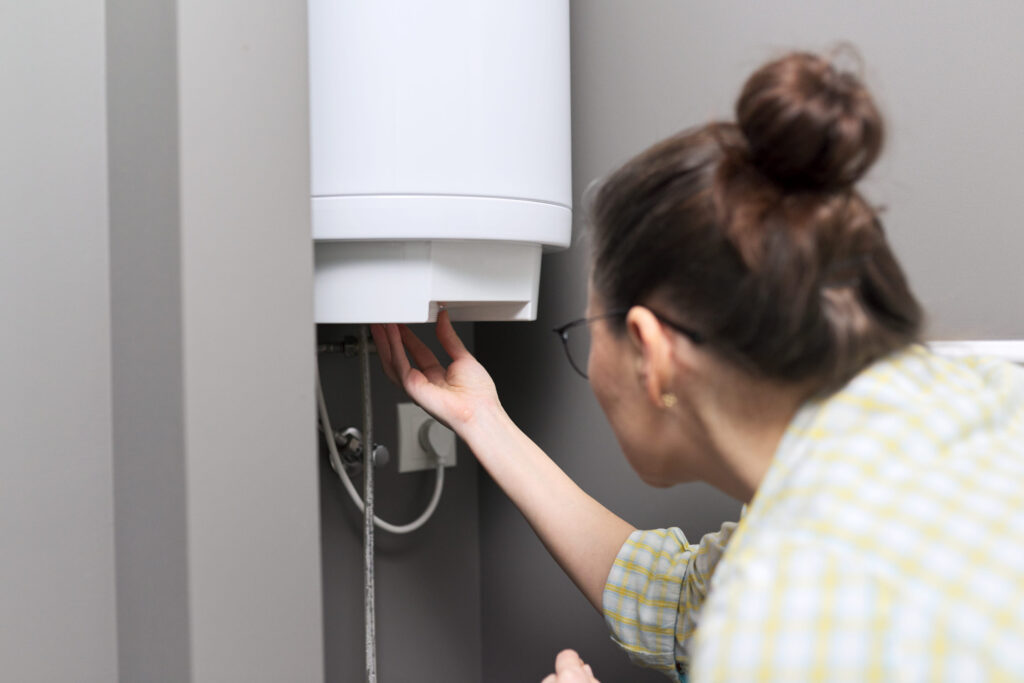
Your water heater may be the least glamorous machine in your house, but it does a staggering amount of work. The U.S. Department of Energy says water heating accounts for about 18% of a home’s energy use, making it one of the biggest energy expenses in the house. It also notes that conventional storage water heaters usually last about 10 to 15 years, which means the decade mark is when smart homeowners stop being casual and start planning.
The problem with aging water heaters is that they do not always fail politely. Sometimes they leak, sometimes they rust, and sometimes they just become expensive underperformers that quietly burn money. Once a tank unit is getting older, you are no longer just asking whether it still heats water.
You are asking how much longer you want to trust a bulky metal tank with a large share of your utility bill and a permanent seat inside your home.
Your Dishwasher
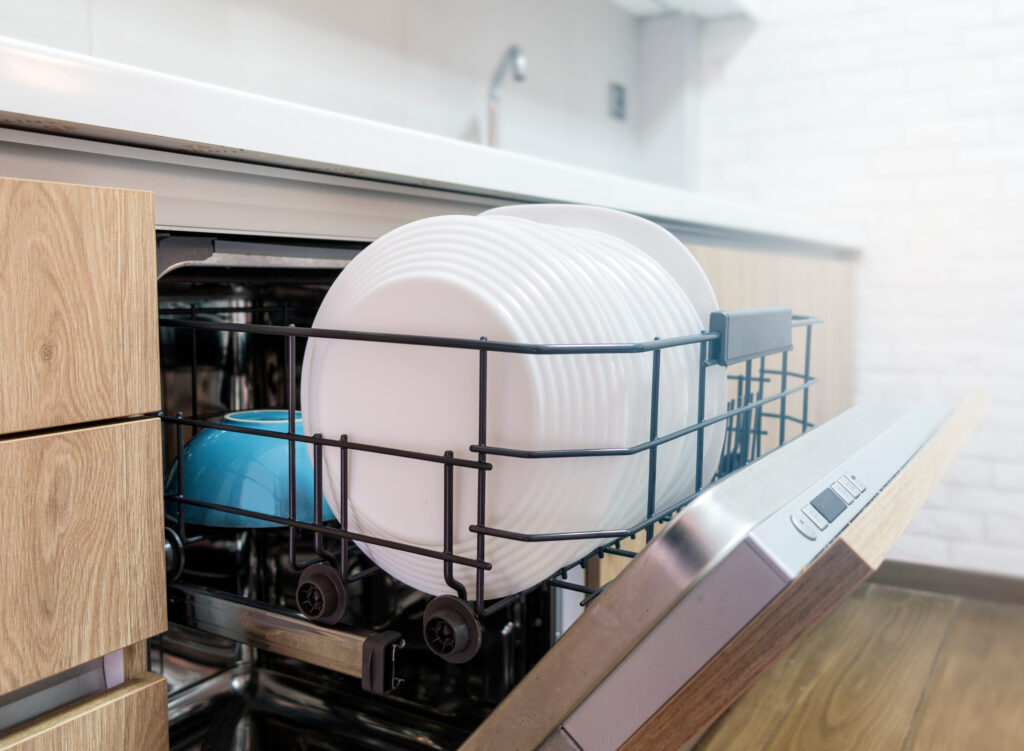
People love to keep old dishwashers running because replacing them feels optional. It is not always optional to use an old machine that wastes water, drags through cycles, and leaves you rewashing what it should have cleaned the first time.
ENERGY STAR says a standard-size certified dishwasher can save about 5,800 gallons of water over its lifetime, and newer models include features like soil sensors and better filtration that improve both performance and efficiency.
The Department of Energy adds another reality check: a new ENERGY STAR dishwasher can save an average of 3,870 gallons of water over its lifetime, and modern machines are designed so you can scrape instead of pre-rinsing. That means an outdated dishwasher is not just older. It may be making you do more work while using more water. After a decade, replacing it can feel less like shopping and more like ending a long, annoying argument with your kitchen.