The average fruit aisle is deliberately predictable. It leans hard on apples, bananas, grapes, and oranges, then tosses in one “exotic” option and acts like it’s bold. The fruit world is far stranger and more interesting than most stores let on, with picks like sugar apple, jabuticaba, bael, pitaya, and miracle fruit. Some of these fruits grow right on the trunk. Some hide creamy flesh inside rough or woody skins. One can even make sour foods taste sweet for a while.
Jabuticaba
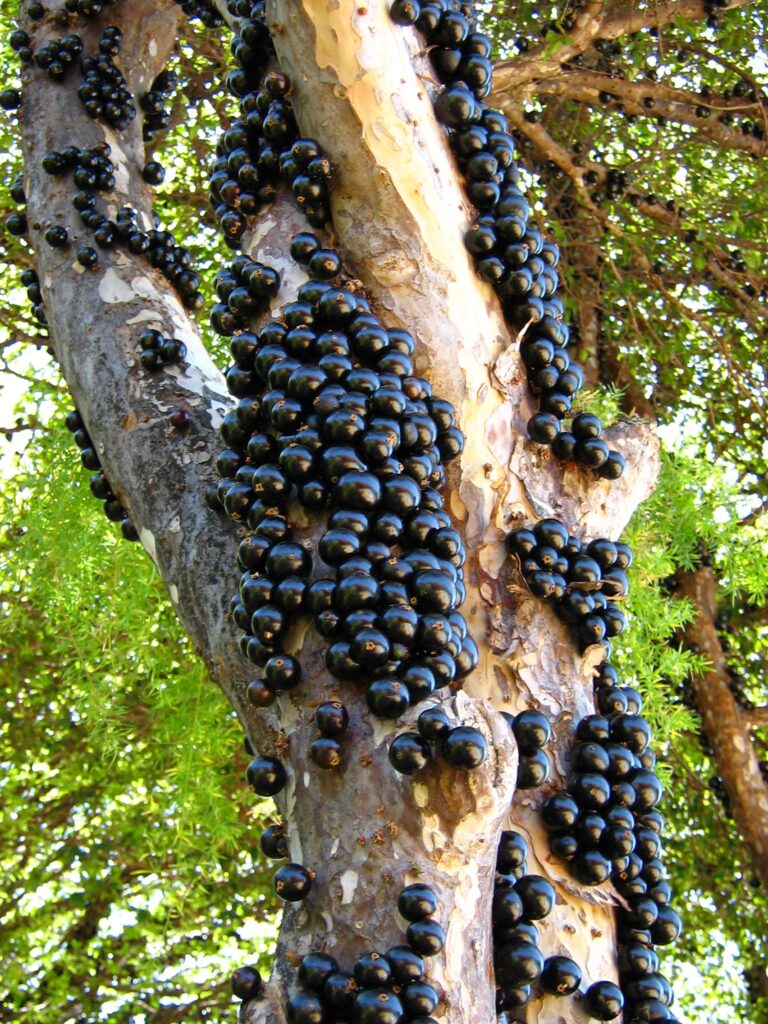
Jabuticaba earns a place on any list like this because it fruits directly on the trunk and larger branches, which still sounds fake even when it is true. This fruit has an unusual growth habit, is edible, and is commonly used for wines and jellies. The fruit itself is small, dark, and grape-like, but the real show is the tree. It does not just grow fruit. It turns its own bark into a display case. Few fruits can compete with that level of drama.
Sugar apple
Sugar apple, also called sweetsop, is native to the West Indies and tropical America and belongs to the custard apple family, though it has spread widely across tropical regions. Its pulp is as sweet and custardlike, which explains why people tend to remember it after one bite. University of Florida guidance also notes that sugar apple trees can bloom from March through June and produce fruit from midsummer into fall in warm climates. This is not the fruit you grab when you want something crisp and boring. This is the fruit you try when you want proof that nature sometimes shows off.
Durian
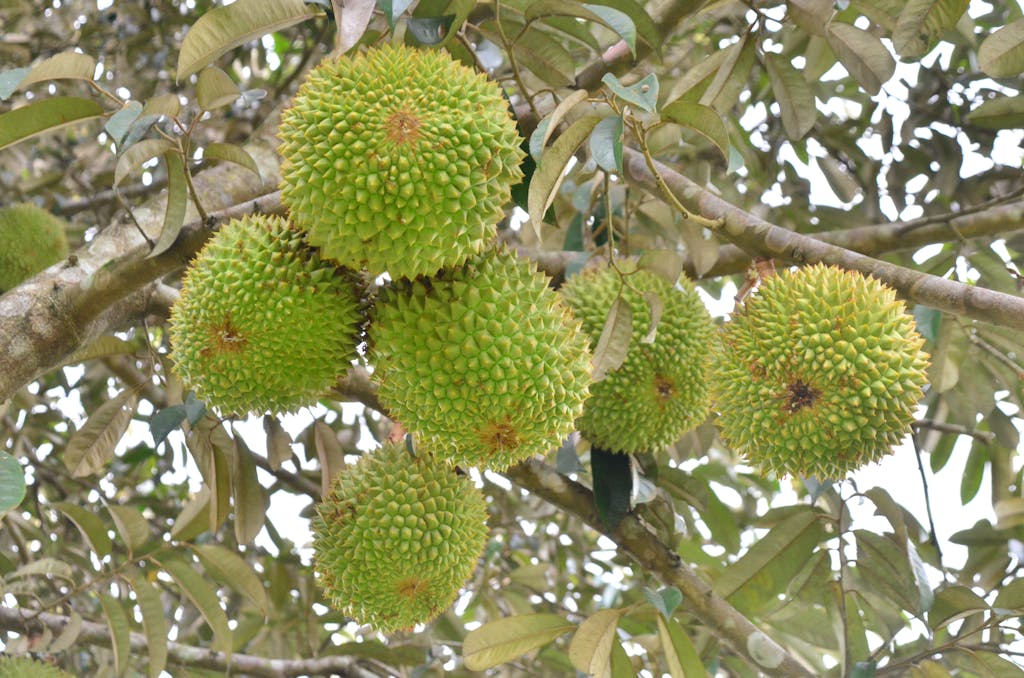
Durian is famous for dividing rooms, friendships, and probably entire households. It is a fruit with a hard, spiny shell and cream-colored pulp, noting its large size and distinctive structure. Its smell is so strong that it has been banned in some public places in parts of Southeast Asia, even though many fans adore its taste. That contradiction is the whole durian experience. It looks dangerous, smells aggressive, and still inspires loyalty that borders on devotion.
Safou
Safou, also known as African pear or African plum, is far more than a curiosity fruit. FAO material identifies Dacryodes edulis as safou and lists several common names, while related research indexed by FAO describes it as a tree native to Central Africa and the Gulf of Guinea region. Ethnobotanical research also notes that it is widely used among Yoruba-speaking people in Nigeria. In plain terms, this fruit is not obscure where it matters most. It is useful, familiar, and tied to local food culture, which makes it more interesting than many trendier fruits with better marketing.
Cherimoya
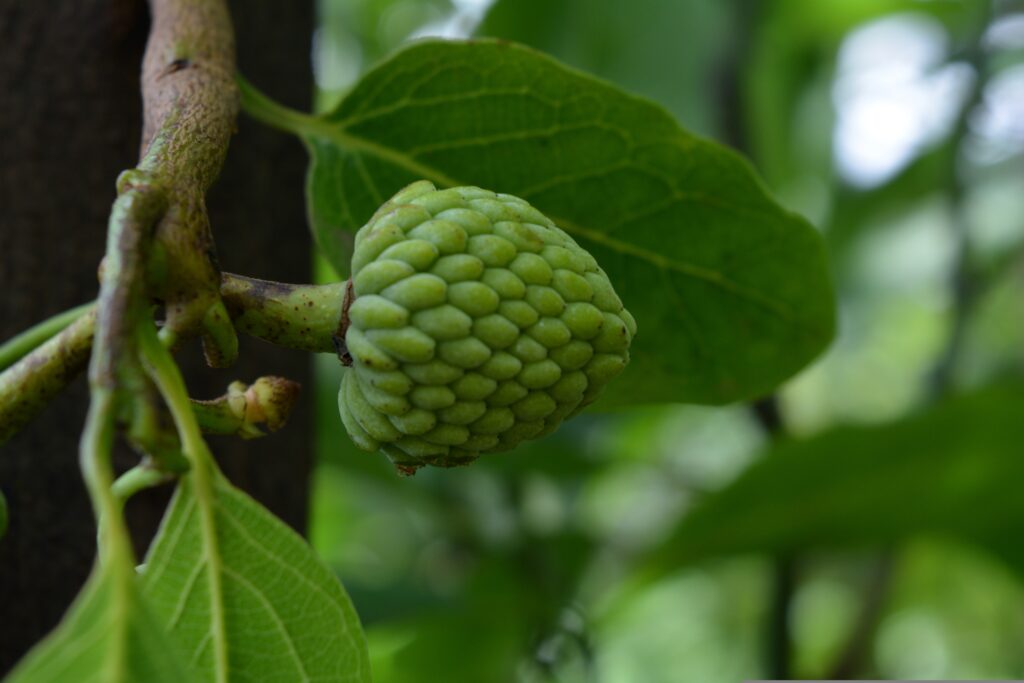
Cherimoya has one of those names that already sounds expensive before you even taste it. It is native to frost-free, higher elevations in tropical America and is cultivated for its large, pulpy, edible fruits, which are often eaten fresh or made into juice. It also notes that the skin and seeds should not be eaten. People love cherimoya because it lands in that rare zone where fruit feels rich, soft, and almost spoon-worthy. It is the kind of fruit that makes a standard pear seem a little emotionally unavailable.
Feijoa
Feijoa is one of those fruits that feels like it should already be more famous. The fruit is green and oblong with a tender pulp that has a pineapple-like flavor. That alone gives it strong appeal, but the tree also has handsome foliage and striking flowers, which helps explain why gardeners like it as much as fruit lovers do. Feijoa is not trying to win you over with a weird gimmick. It wins by being elegant, fragrant, and quietly better than people expect.
Star apple
Star apple is native to tropical America and is cultivated for its edible fruit with a star-shaped core. Both the skin and flesh range from white to purple, and the fruit is sweet. This is one of those fruits that sells itself the moment you slice it crosswise. The flavor matters, of course, but the visual reveal does a lot of the work. Some fruits are snacks. This one feels like a party trick with benefits.
Pitaya
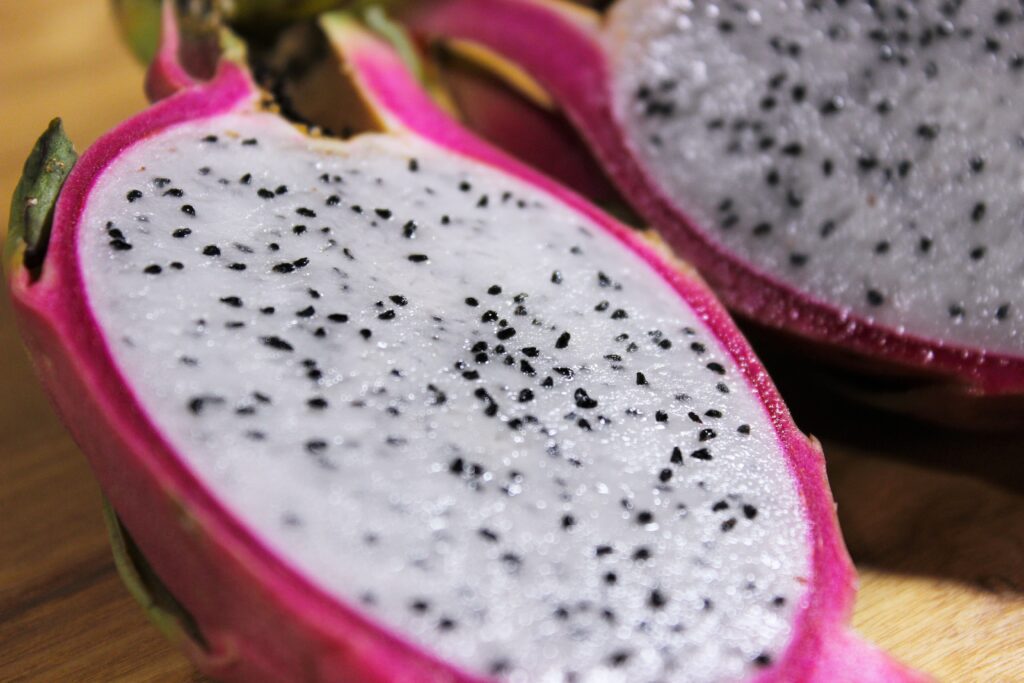
Pitaya, or dragon fruit, comes from a cactus species native to tropical America. Its origin is southern Mexico and parts of Central and South America, and it is now widely grown across tropical and subtropical regions. It is a climbing cactus whose unusual look and mild taste have helped it gain popularity. Dragon fruit looks like something invented by a fantasy novelist, but it eats like a fruit that actually wants to be liked. It is flashy, approachable, and a smart entry point for anyone trying fruits outside the usual routine.
Bael
Bael, also spelled bel, is native to India and Bangladesh and has naturalized across much of Southeast Asia. The ripe fruit is sweet and aromatic, while the unripe fruit has a long history of traditional medicinal use. This fruit is famous for its tough outer shell and fragrant pulp. Bael makes you work a little for the reward, which somehow makes the fruit feel even more satisfying.
Miracle fruit
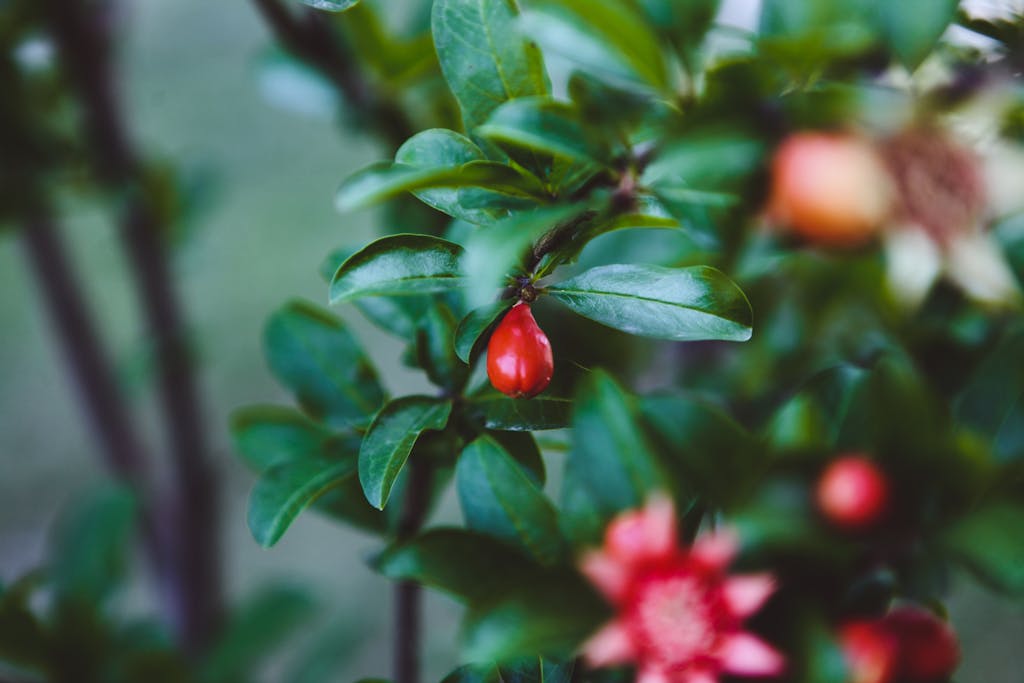
Miracle fruit earns its reputation honestly. It is a West African shrub whose mild fruits contain miraculin, a glycoprotein that makes sour foods taste sweet, with the effect often lasting from about 30 minutes to 2 hours. Miracle fruit can be seen as an alternative sweetener for people experiencing metallic taste changes during chemotherapy. So yes, the lemon-to-candy effect is real. Few fruits change flavor. This one changes your entire argument with flavor.
Conclusion
Most people know only a tiny slice of what fruit can be. More than a decade later, that idea still holds up. The best unusual fruits do more than taste good. They surprise you with how they grow, how they smell, how they look when cut open, or how they mess with your senses. A fruit list becomes memorable when it gives readers something to imagine, not just something to eat.