Seeking therapy is an essential step towards improving mental health, but it can often seem out of reach due to high costs. Fortunately, there are various affordable therapy options available, ranging from low-cost in-person sessions to online platforms and nonprofit organizations. In this article, we will explore the most accessible and cost-effective mental health resources to help you find the support you need, without overextending your finances.
Online Therapy Services
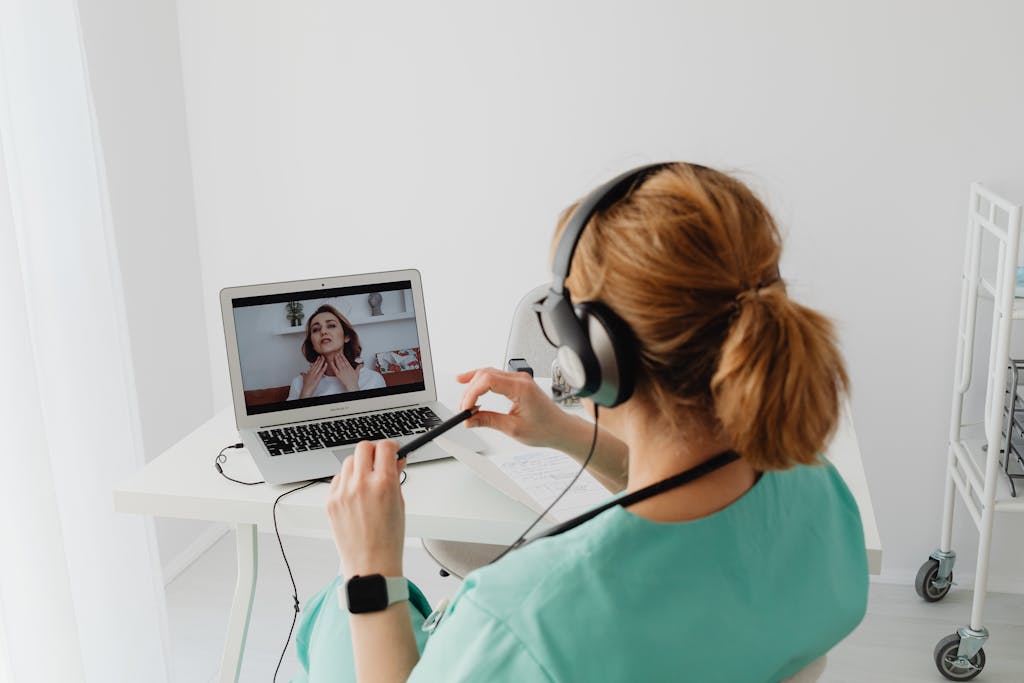
In recent years, online therapy has emerged as one of the most popular and affordable options for individuals seeking mental health support. These platforms provide therapy sessions via video calls, phone, or text, making it easier for people to access care from the comfort of their homes. Online therapy is not only budget-friendly but also provides a level of anonymity and privacy that traditional therapy might lack. This can make individuals feel more comfortable, encouraging them to seek help earlier than they otherwise would.
Sliding Scale Therapy
Many therapists offer sliding-scale fees, where the cost of therapy is adjusted based on your income. This can be an excellent option for individuals who want to see a licensed professional but cannot afford standard rates.
Sliding scale therapy means that the price of each session is based on your financial situation. For example, someone with a lower income may pay a reduced fee, while individuals with a higher income will pay more. Sliding scale therapy offers more personalized pricing, making it a viable option for people who don’t have insurance or those who want to avoid the high out-of-pocket costs of traditional therapy.
Community Health Centers

Community health centers offer therapy services at low or no cost for individuals who meet specific income qualifications. These centers are especially helpful for people without insurance or with limited access to private therapy options. Community mental health clinics provide a range of services, including individual therapy, family counseling, and group therapy sessions.
Often, these services are provided by licensed professionals or supervised trainees. These centers make mental health care accessible to individuals who might otherwise be unable to afford it, providing a gateway to professional support in underrepresented communities.
Therapy Provided by Universities
Many universities with psychology or counseling programs offer affordable therapy through their student clinics. These clinics are often staffed by graduate students pursuing master’s or doctoral degrees in psychology or counseling, under the supervision of licensed professionals. Sessions at university clinics are typically much less expensive than private therapy.
On average, therapy at a university clinic can cost between $10 to $25 per session. Therapy provided through university clinics gives students valuable clinical experience while offering affordable services to the public. It’s a win-win for both clients and trainees, offering hands-on practice under expert supervision.
Nonprofit Organizations and Support Groups

Several nonprofit organizations focus on providing low-cost or free mental health services to individuals in need. These organizations may offer one-on-one therapy, peer counseling, or group therapy sessions. Support groups offer a sense of community and understanding, allowing individuals to connect with others who are going through similar experiences. These services can be an essential supplement to traditional therapy, especially when access to a therapist is limited.
Government Programs and Insurance Coverage
If you have health insurance, you may already have access to affordable therapy through your plan. Many insurance companies now cover mental health services, including therapy, at no additional cost or at a reduced rate. Insurance and government programs make therapy more accessible, especially for individuals in lower-income brackets or those with preexisting conditions. They are designed to help people access mental health services without worrying about high costs.
Therapy Apps

There are several mobile apps that offer affordable mental health support, including self-help tools, guided meditations, and mood tracking. These apps are particularly helpful for individuals who are looking for ongoing support or just need help navigating difficult emotions. Therapy apps offer flexibility and a wide range of affordable options, whether you’re seeking meditation, coping strategies, or self-guided CBT. They allow users to manage their mental health from anywhere, making them an ideal solution for busy lifestyles.
Conclusion
Affordable therapy options are more accessible than ever, providing a variety of solutions to fit different needs and budgets. Whether you’re looking for in-person therapy, online sessions, or community support, there are options that won’t break the bank. Remember, seeking help for your mental health is a valuable investment in your overall well-being, and with the right resources, you can find the support you deserve.