Furnishing a home on a budget doesn’t mean sacrificing style or comfort; it’s about making smarter choices. With the average American spending thousands on household furniture each year, it’s easy to feel overwhelmed by the prices and decisions. But here’s the truth: You don’t need a designer’s budget to create a beautiful, functional living space.
By being strategic with where and how we spend, we can achieve a space that looks expensive without the hefty price tag. It’s all about prioritizing key pieces, shopping smartly, and knowing where to splurge and where to save.
Set a Clear Budget First

The fastest way to overspend is to shop by emotion first and math second. We should decide the room budget before we browse a single sofa, bed frame, or dining set, because the price we see on the tag is rarely the full price we pay.
Delivery, assembly, taxes, rugs, lamps, side tables, and even outlet extenders quietly pile on until a cheap-looking cart turns into a painful final total. A real furniture budget should include the anchor item, the support pieces, the finishing pieces, and a small cushion for the surprise cost we know is coming.
Prioritize Big, Essential Pieces
Every room has one or two pieces that determine how it works. In the bedroom, that is usually the mattress and bed setup. In the living room, it is the sofa or sectional. In the dining area, it is the table and the seating count. If we start with tiny decor because it feels easier, we often end up buying items that don’t fit the room’s scale, tone, or color direction once the large pieces finally arrive.
The better move is to lock in the anchors first, then let everything else orbit around them. Once the big pieces are in place, we can judge proportions correctly, choose the right rug size, and see how much storage or lighting the room really needs. This keeps us from wasting money on “placeholder clutter” that looked useful in the cart but becomes irrelevant once the room gets its true foundation.
Invest in Comfort, Not Trends
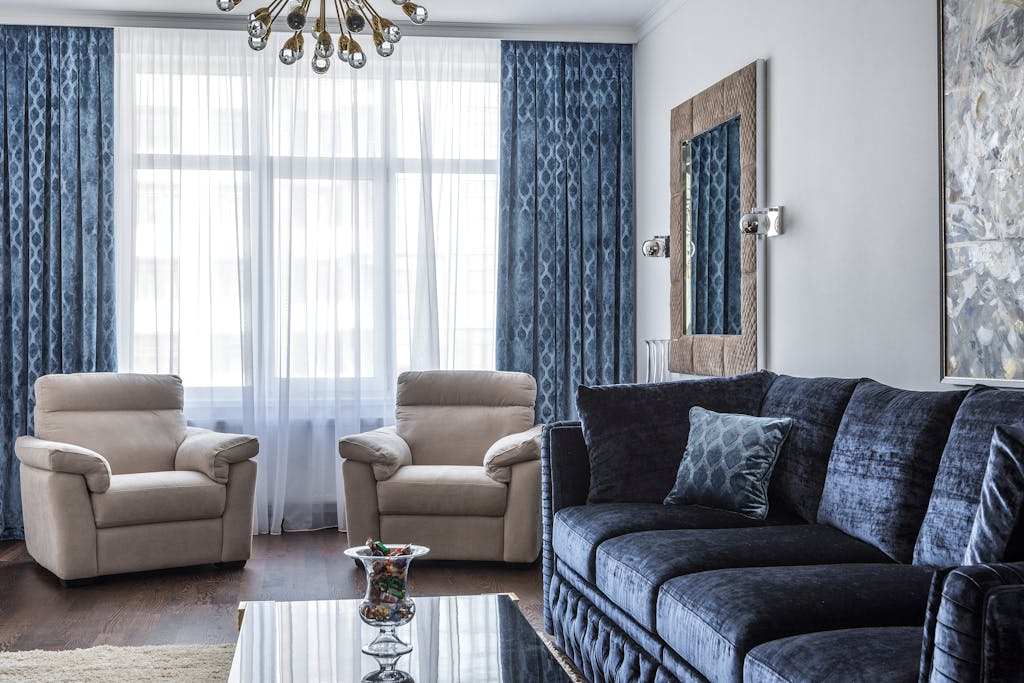
Not every item deserves the same financial respect. A mattress, a desk chair, a dining chair we use daily, and a well-built sofa usually take up more of our budget because our backs, sleep, posture, and daily comfort depend on them. We can save aggressively on decorative shelves, side tables, accent stools, mirrors, and media consoles if the construction is sound and the proportions work.
This is the rule that keeps a cheap room from feeling flimsy. We do not have to spend more everywhere. We have to spend more where discomfort becomes expensive later. A bad chair becomes a replacement cost. A weak sofa becomes a sagging frustration. A poor mattress becomes a nightly tax on our health. Smart furnishing is not about buying the cheapest item on the page. It is about knowing which cheap item will stay cheap and which will become twice as costly.
Search by Material and Style
Most people search for obvious words like couch, desk, dresser, or coffee table. That works, but it also puts us in the most crowded lane, where every other buyer is searching the same terms. We can often find better budget furniture by searching for what the piece is made of or how it looks instead. Wood species, cane, brass, marble-look, pedestal, boucle, ladder-back, tambour, curved, modular, and vintage-style terms often uncover items that generic searches miss.
This approach matters even more online, where digital shopping now captures a larger share of retail spending than a few years ago, meaning better search habits create a real pricing advantage. As e-commerce continues to grow as a share of total retail, our edge comes from filtering smarter, comparing faster, and spotting underpriced listings before everyone else does.
Measure the Space and Path
Furniture mistakes often happen before the furniture even reaches the room. We may measure the wall and still fail if we ignore doorways, stair turns, elevators, hallway width, ceiling slope, or the distance between kitchen island corners and moving paths. A bargain sofa is not a bargain if it cannot get through the building. A low-priced wardrobe is a loss if assembly requires a ceiling height that the room lacks.
Choose Strong Construction Over Looks
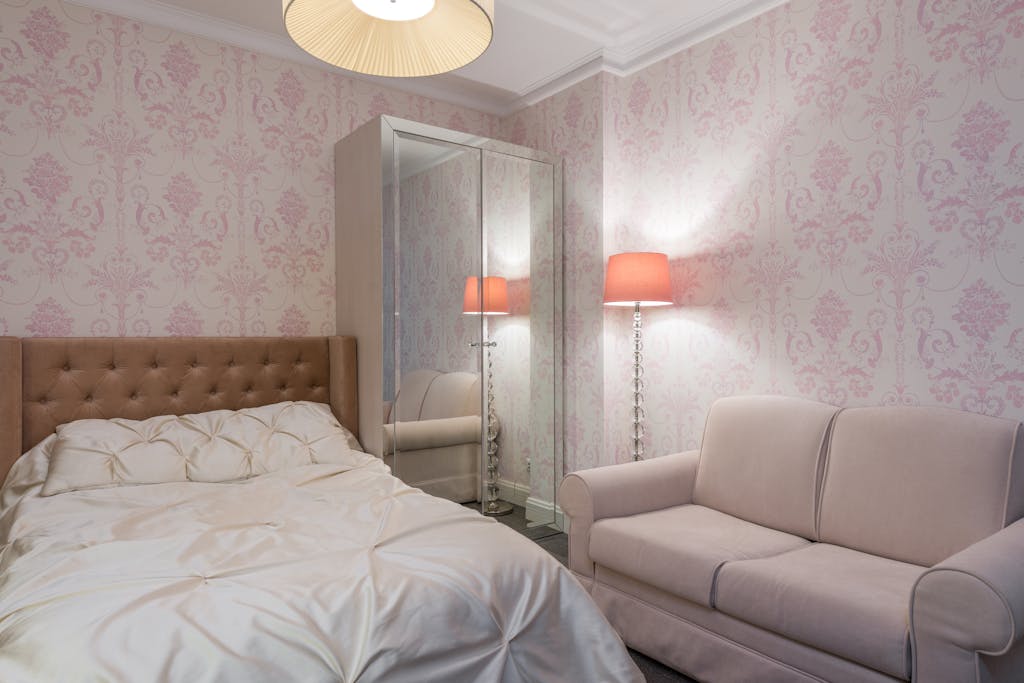
A weak frame with a trendy finish is still a weak frame. When we buy on a budget, the safest bet is usually boring strength over exciting styling. Solid wood, plywood, sturdy joinery, stable legs, reinforced corners, and drawers that glide properly matter more than the perfect shade name in the product description. A great-looking item with paper-thin materials can fool us for a month and disappoint us for years.
Style should still matter, but it should sit atop structure, not replace it. We can always update hardware, add a lamp, swap cushions, or change the wall color later. What we cannot easily fix is bad engineering. A budget home looks elevated when the furniture feels grounded, steady, and believable. That feeling comes from construction quality first, then cosmetic polish second.
Use Temporary Pieces Smartly
Temporary furniture can be brilliant when used with discipline. A simple table, open shelf, or inexpensive bench can help us finish a room now while we keep hunting for the right long-term piece. The danger comes when temporary purchases quietly become permanent clutter, leaving the room filled with compromises we never actually liked.
The solution is to give every placeholder a deadline and a job. We should know exactly why it is entering the room, what it is replacing, and how long we are willing to keep it. That prevents emotional attachment to the wrong item and keeps our furnishing plan moving forward. Placeholders are useful tools. They become expensive mistakes only when we stop editing.
Complete One Area at a Time
A half-furnished whole home often feels worse than one beautifully finished corner. If the budget is tight, we should complete one zone at a time. That might be the bed area, the sofa wall, the dining nook, or the entry. Finishing a single area gives us a visual win, makes the space feel livable immediately, and helps us test the palette, texture, and scale before we buy more.
This method also protects us from scattered spending. When we try to buy for every room at once, we usually end up with lots of items and no coherence. When we focus on one zone at a time, each purchase has a clearer purpose. The room teaches us what it needs next. That is how budget homes start to look considered instead of random.
Time Your Purchases for the Best Deal

Budget shopping is not just about what we buy. It is about when and how we buy it. Floor models, clearance events, end-of-season swaps, open-box inventory, warehouse overstock, and local resale listings can cut prices far more than waiting for a small coupon code. Many sellers, especially on local marketplaces and resale platforms, expect polite negotiation.
Asking for a better price, bundled delivery, or a discount for fast pickup is not aggressive. It is simply competent shopping. Budget discipline works best when we know our target price, our maximum price, and our walk-away point. Once those are clear, timing becomes a weapon instead of a temptation. We stop chasing deals and start recognizing them.
Add Visual Finishing Touches
A room often feels unfinished because it lacks polish, not because it lacks furniture. That is useful news for our budget. Before replacing a basic dresser or console, we should ask whether better hardware, new lampshades, a larger rug, fuller curtains, art at the right scale, or a better color balance would solve the problem first. Many “bad furniture” problems are actually styling problems masquerading as furniture.
This is where budget decorating becomes powerful. A modest piece can look far more refined once its surroundings support it properly. The opposite is also true. An expensive piece can still look awkward in a room with poor lighting, undersized art, or cramped spacing. Sometimes the smartest furniture purchase is not furniture at all. It is the finishing detail that helps the existing pieces make sense.