Every budget has its quiet thieves. They do not always arrive as dramatic emergencies. More often, they show up as a dripping faucet we ignore for months, a pair of pants we toss because a seam splits, a takeout habit that grew legs, or a mechanic’s invoice padded with work we could have handled in 10 minutes. The expensive part is rarely the task itself. The expensive part is not knowing how to deal with it.
That is why the smartest form of frugality is not clipping one more coupon. It is learning a handful of practical skills that keep ordinary problems from turning into recurring expenses. When we know how to cook, patch, tighten, swap, mend, and compare, we stop treating every inconvenience like a billable event.
Home Cooking
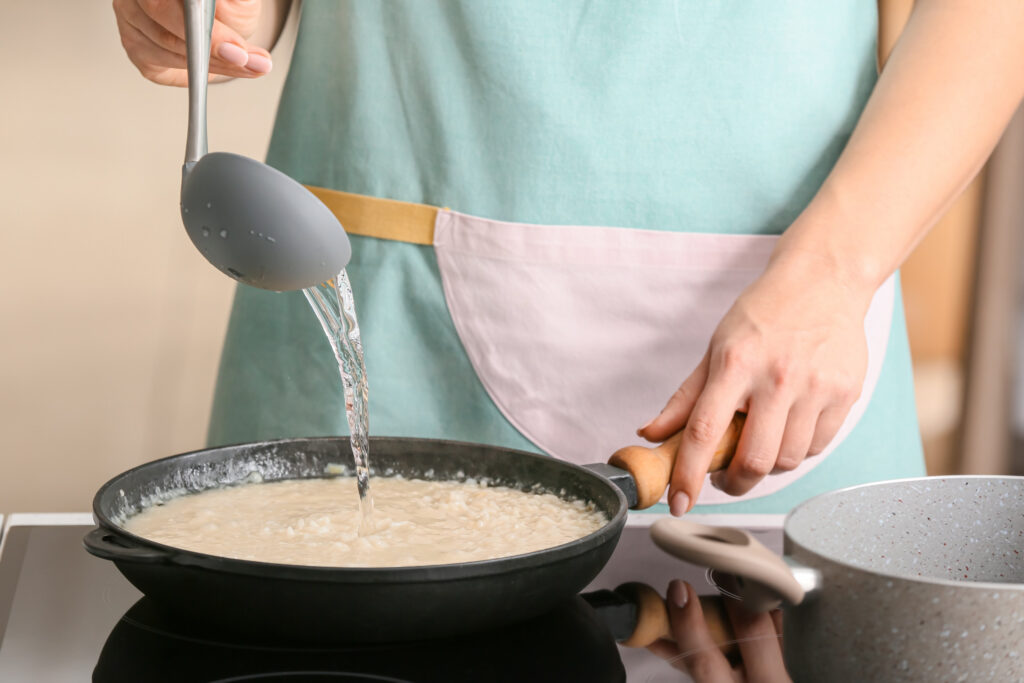
We do not need chef-level talent to save serious money. We need five or six reliable meals, the discipline to shop with a plan, and the ability to turn leftovers into tomorrow’s lunch instead of tomorrow’s guilt. This skill matters because food-away-from-home prices have continued to outpace food-at-home prices, which means every repeated takeout habit quietly gets more expensive over time.
Once we can cook a pot of rice properly, roast vegetables without burning them, season protein well, and build soups, pasta dishes, eggs, or stir-fries from ordinary ingredients, we stop paying restaurant prices for routine hunger.
The real financial edge comes from repetition. A household that can batch-cook chili, soup, roasted chicken, beans, pasta sauce, or grain bowls has a built-in defense against impulse spending. We waste less food, we stretch ingredients further, and we stop treating convenience as something that only comes in a drive-thru bag. Home cooking is one of the few DIY skills that pays us back several times a week, every week, without needing special tools or a giant learning curve.
Fixing Leaks Fast
A dripping faucet looks harmless until we remember that water waste shows up on the bill whether we respect it or not. That turns one lazy repair into a repeating expense, which is exactly why basic leak repair belongs high on any money-saving DIY list.
We do not need to become master plumbers. We need to know how to shut off the water, replace a worn washer or gasket, tighten a loose connection, swap plumber’s tape where appropriate, and recognize when a toilet flapper is the real reason the tank keeps cycling. These are cheap parts, simple fixes, and high-return skills. People who save money at home are usually not undertaking dramatic renovations. They are preventing small waste from becoming a way of life.
Basic Car Maintenance
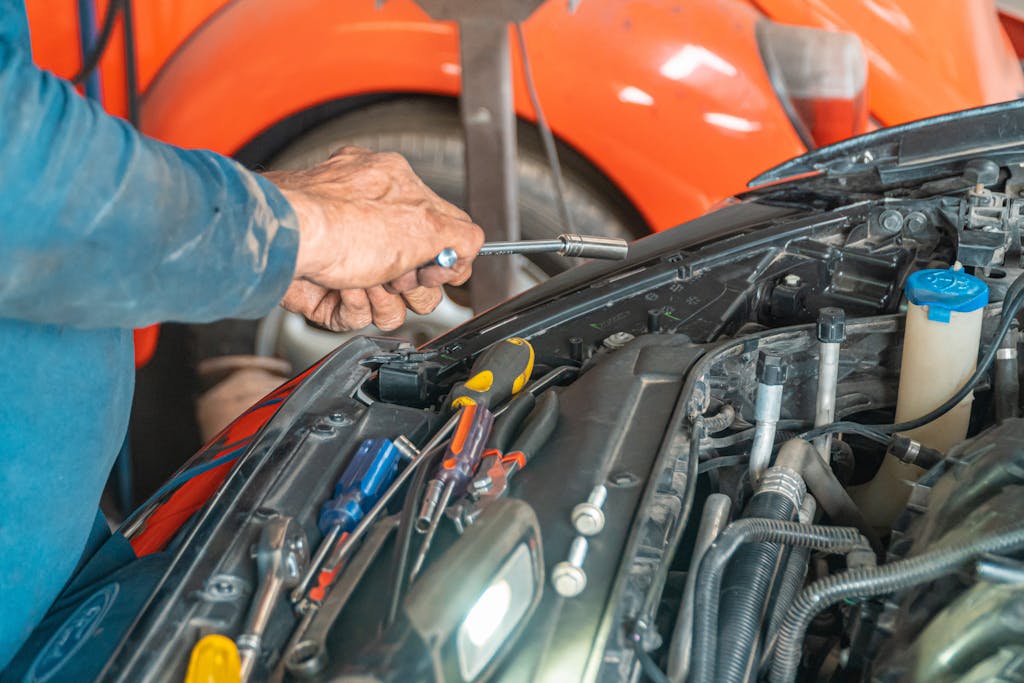
Car trouble can get expensive fast because it often arrives with urgency. That is why simple maintenance matters so much. When we know how to check tire pressure, top off fluids, replace wiper blades, change an air filter, identify a weak battery, and deal with a flat tire, we reduce the odds of paying premium prices in inconvenient moments. Tire care alone is a meaningful money skill.
There is another savings layer people often overlook. Basic car knowledge changes how we talk to mechanics. We are less likely to approve vague work, less likely to panic, and more likely to ask clear questions about labor, urgency, and alternatives. Even if we never turn every wrench ourselves, understanding the basics keeps us from being the easiest person in the waiting room to overcharge. That alone is a valuable DIY skill.
Sewing
A missing button, loose hem, torn seam, or split pocket should not send clothing straight to the trash. Yet that is exactly what happens when we treat all fabric damage like a death sentence. Basic sewing is one of the cheapest DIY skills to learn and one of the easiest to start using immediately. A needle, thread, a small pair of scissors, and ten minutes of patience can rescue items we would otherwise replace at full retail cost.
Repairing garments will not fix the fashion industry, but it does fix our own spending habits. When we can reattach a button, reinforce a seam, mend a small tear, or hem a pair of pants that fits almost perfectly, we buy less often and get more value from what we already own.
Knowing How to Unclog a Toilet
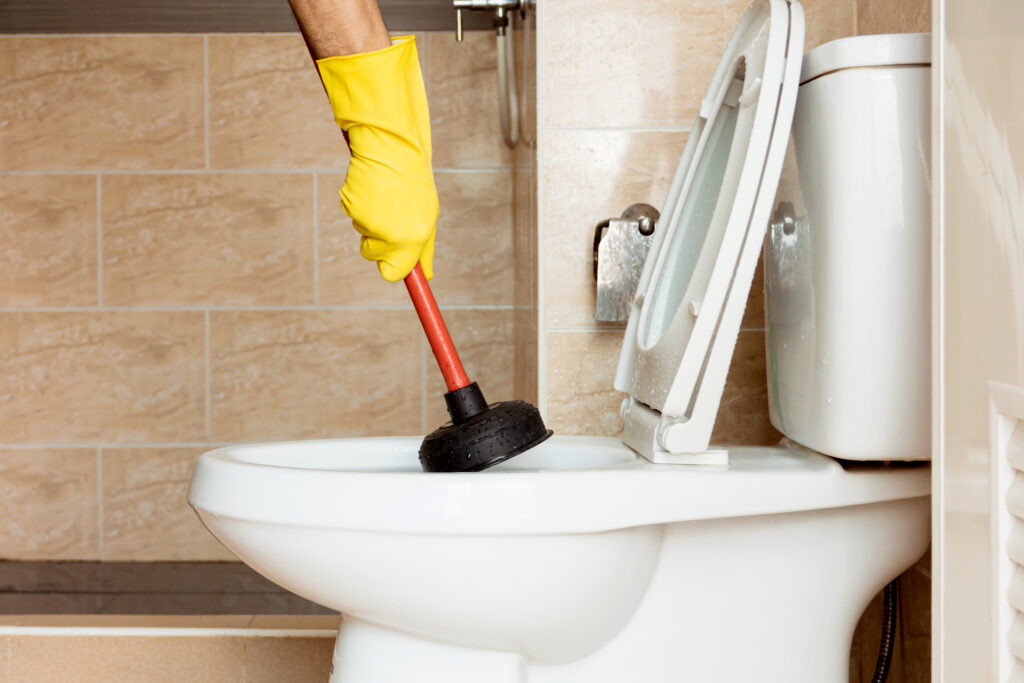
Few household expenses feel more irritating than paying someone to solve a problem that a plunger, a drain snake, and ten calm minutes could have handled. Toilets clog. Bathroom sinks slow down. Shower drains collect hair with the dedication of a full-time employee. These are not rare disasters. They are routine maintenance events, and households that spend less are usually the ones who know the difference between a nuisance and an emergency.
The skill here is not brute force. It is a method. We should know which plunger works for a toilet, when a hand snake makes more sense than chemicals, how to clear a stopper, and when to stop before turning a simple blockage into a cracked fitting. We should also know the basics of prevention, because what we do not flush matters just as much as what we know how to fix. A five-minute clog solution at home beats the cost, scheduling headache, and embarrassment of calling for help over something entirely manageable.
Replacing Bulbs
This skill sounds almost too basic to count, which is exactly why it gets underestimated. Lighting choices affect recurring costs, and the right bulb selection keeps paying us back after installation day. That means a simple bulb swap is not just a maintenance task. It is a low-effort upgrade that reduces replacement frequency and simultaneously trims electricity use.
The useful DIY part is knowing more than how to screw in a bulb. We should understand base sizes, brightness levels, fixture compatibility, dimmer requirements, and why stuffing the wrong bulb into the wrong fixture is asking for trouble. A household that buys lighting carelessly often pays more up front, replaces bulbs more often, and misses easy efficiency gains. A household that understands lighting buys once and buys correctly.
Fire Extinguisher Basics
Many people own a fire extinguisher, the way they own an umbrella they cannot open. It is there in theory, useless in the moment that counts. That is a problem because a minor kitchen incident can turn into a serious loss if panic beats knowledge. We should know where the extinguisher is, what type it is, how to use it, and when not to play hero.
This is a DIY skill in the truest sense because it prevents escalation. A scorched dinner is one thing. Fire damage, smoke cleanup, insurance headaches, and lost property are other issues. Learning kitchen fire basics, checking extinguishers, and practicing a calm response are not glamorous, but they may be the most valuable fifteen minutes of preparation in the entire house.
Basic First Aid
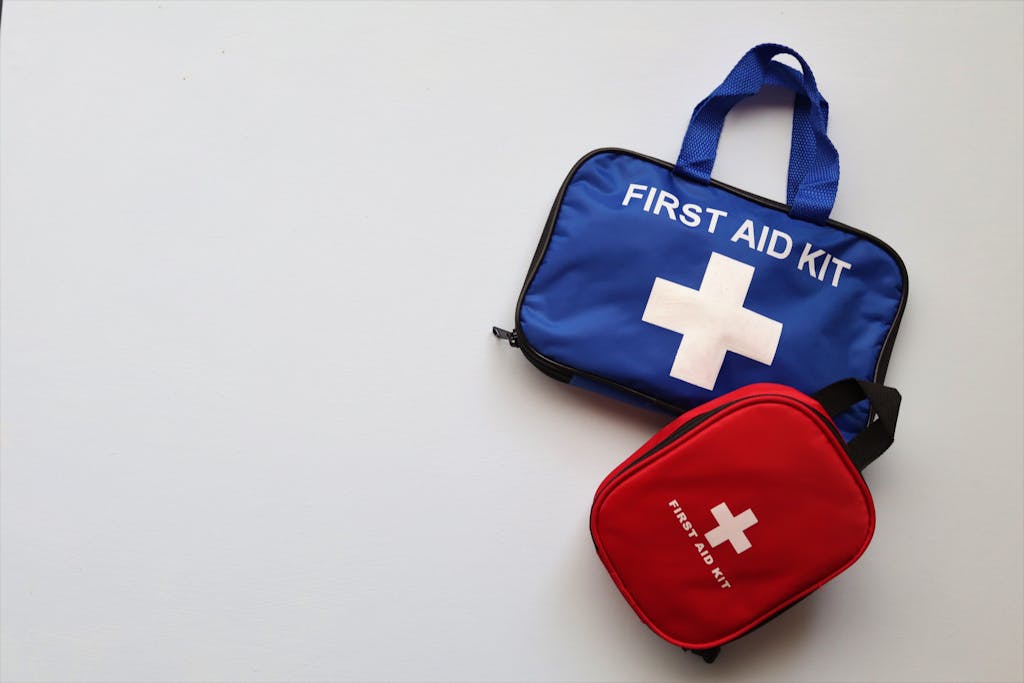
Emergency skills are easy to file under “good to know someday,” right up until someday arrives without warning. Basic first aid, CPR, and familiarity with AEDs are practical life skills that reduce panic and help us respond intelligently while waiting for professional care. The Red Cross continues to offer formal training because these skills are not guesswork, and because being prepared matters in ordinary homes, schools, workplaces, and public spaces.
There is also a quieter financial angle. Not every cut, minor burn, sprain, or small household injury needs a frantic overreaction. When we know how to clean and dress a wound, apply pressure, monitor symptoms, use cold packs correctly, and recognize the difference between home care and real danger, we make better decisions under stress. That does not mean replacing medical care. It means avoiding helplessness, which is usually expensive in more ways than one.
Gardening
Gardening becomes financially useful when we stop romanticizing it and start choosing crops wisely. Nobody is saving big money by sinking a fortune into a sprawling hobby garden they cannot maintain. But herbs, leafy greens, cherry tomatoes, and a few high-use ingredients are another story. These are items we buy repeatedly in small quantities at surprisingly annoying prices, especially fresh herbs that show up in plastic clamshells, wilt quickly, and seem determined to expire the day after purchase.
Digital Literacy
A surprising number of repair bills begin with one avoidable sentence: “We had no idea how it worked.” Digital literacy changes that. When we know how to look up a model number, read a manual, compare repair videos, search for replacement parts, use retailer chat support, and check whether a fix is safe before attempting it, we become far more capable problem-solvers. This is not abstract tech confidence. It is a practical household leverage.
The people who save money consistently tend to research before they replace. They know how to identify the exact appliance, verify compatibility, read a troubleshooting guide, and decide whether the repair is within their skill range.
They do not throw out a vacuum because a belt snapped or replace a printer because the settings became confusing. They use information properly. In a world full of tutorials, manuals, and parts databases, digital literacy has become one of the most useful DIY multipliers we can have.