We’ve all been there: walking through the aisles of a warehouse store, feeling like we’re making a smart, money-saving move by loading up on bulk items. But what looks like a bargain at first often turns into clutter, spoilage, and unnecessary waste. Bigger is not always better when it comes to grocery shopping, and sometimes the cost savings can be undone by food that expires before you get the chance to enjoy it. Let’s dive into some common bulk buys that often don’t live up to the hype.
Dairy Products
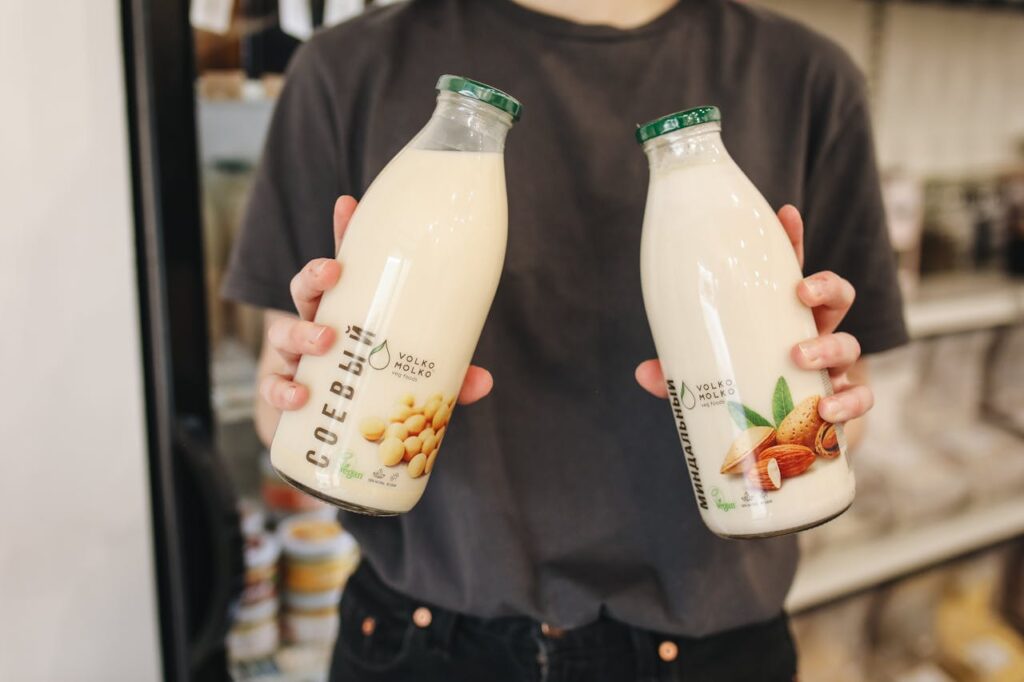
Dairy products such as milk, yogurt, and cheese can quickly turn into a wasteful bulk buy if you don’t use them fast enough. While larger families or frequent entertainers might find value in buying dairy in bulk, for many of us, these products expire faster than expected. Once opened, they have a short shelf life. Smaller quantities often mean less waste and fresher products in your fridge.
Bread and Baked Goods
Buying bulk bread and baked goods seems like a practical choice, especially if you have a big family or are planning for a crowd. However, unless you’re going through bread fast enough, it’s easy for loaves, buns, and pastries to dry out before they’re fully used. Even if you freeze them, the texture can suffer, leaving you with stale bread rather than a fresh sandwich. For smaller households, buying what you need more frequently often makes more sense.
Dried Herbs and Spices
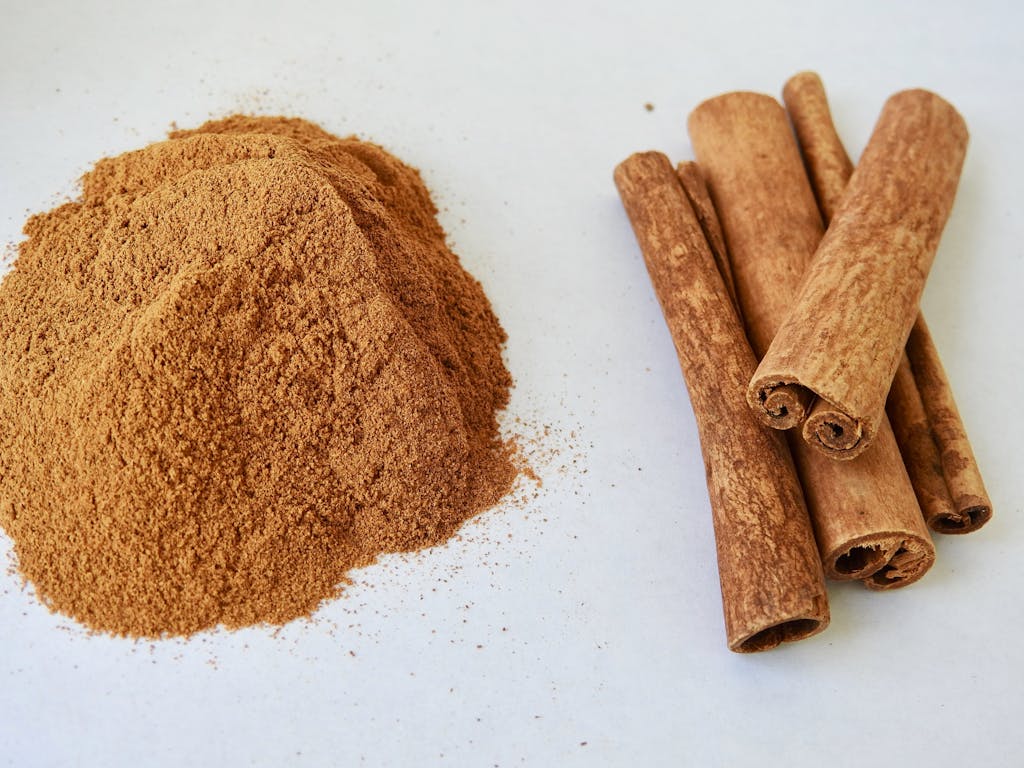
While bulk herbs and spices may seem like a good deal, they lose their potency quickly once opened. Most of us don’t use large quantities of oregano, basil, or cinnamon often enough to get the full value. Over time, spices can lose their flavor and aroma, making them less effective in cooking. It’s often better to buy smaller jars of fresh spices that will pack more punch in your meals.
Fresh Produce
The allure of bulk fruits and vegetables is hard to resist until you realize that fresh produce doesn’t last as long as we wish it would. When you buy in bulk, you might find yourself with more apples, berries, or leafy greens than you can use before they spoil. Unless you’re preparing for a big event or a specific meal plan, it’s usually more practical to buy produce in smaller amounts to avoid unnecessary waste.
Frozen Foods
Frozen foods can be a convenient option, but when bought in bulk, they take up a lot of valuable freezer space. Large bags of frozen vegetables or frozen meals can become freezer-burned or suffer in quality if not used within a reasonable time. Moreover, the larger the package, the harder it becomes to portion out and consume before the product starts to lose its freshness. Smaller portions tend to be more practical and easier to manage in the freezer.
Condiments
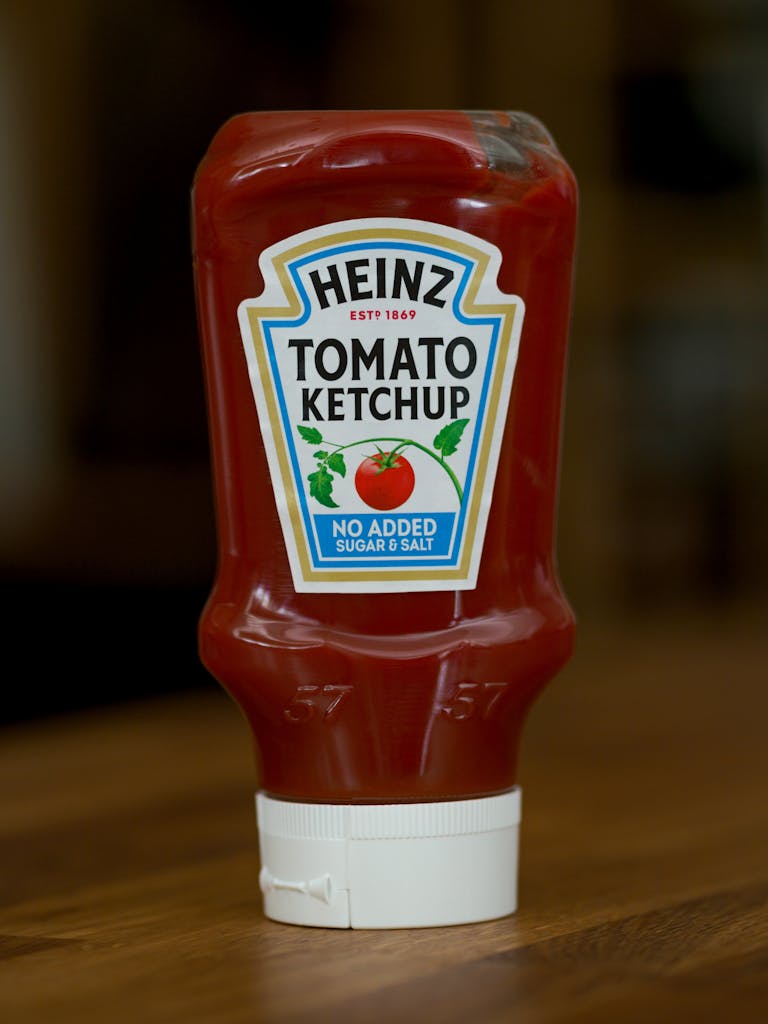
Bulk condiments like ketchup, mayonnaise, or mustard can easily fall into the trap of overbuying. These items may seem shelf-stable, but once opened, they degrade and lose flavor over time. If you don’t regularly use them, you’ll find yourself with half-empty bottles taking up space in your fridge, not to mention the potential risk of expiration. Smaller bottles bought more frequently are often a better investment.
Whole Grains and Nuts from Bulk Bins
While bulk bins may offer tempting prices for grains, nuts, and dried fruits, these foods are exposed to air and light, which can decrease their freshness. Nuts, in particular, can go rancid quickly, and grains can lose their flavor if they sit too long. If you use these products often, bulk can be a great option, but for occasional use, it’s better to buy smaller, sealed packages to maintain quality.
Soda
Soda is another product where buying in bulk rarely pays off. While you may feel like you’re getting a deal by purchasing multiple cases, soda often goes on sale throughout the year, making bulk purchases unnecessary. Plus, if you’re not consuming soda quickly enough, it can lose its fizz or taste stale, turning your bulk buy into a storage headache.
Cooking Oils
A large bottle of cooking oil may seem like a great buy, but oils like olive oil can go rancid much faster than most people realize. Once opened, oils are exposed to air and light, which can degrade their quality. Unless you’re using it frequently, buying in bulk can leave you with a bottle of oil that’s no longer good before you’ve used it all. Smaller bottles tend to stay fresh longer and give you just what you need without any waste.
Chips and Snacks
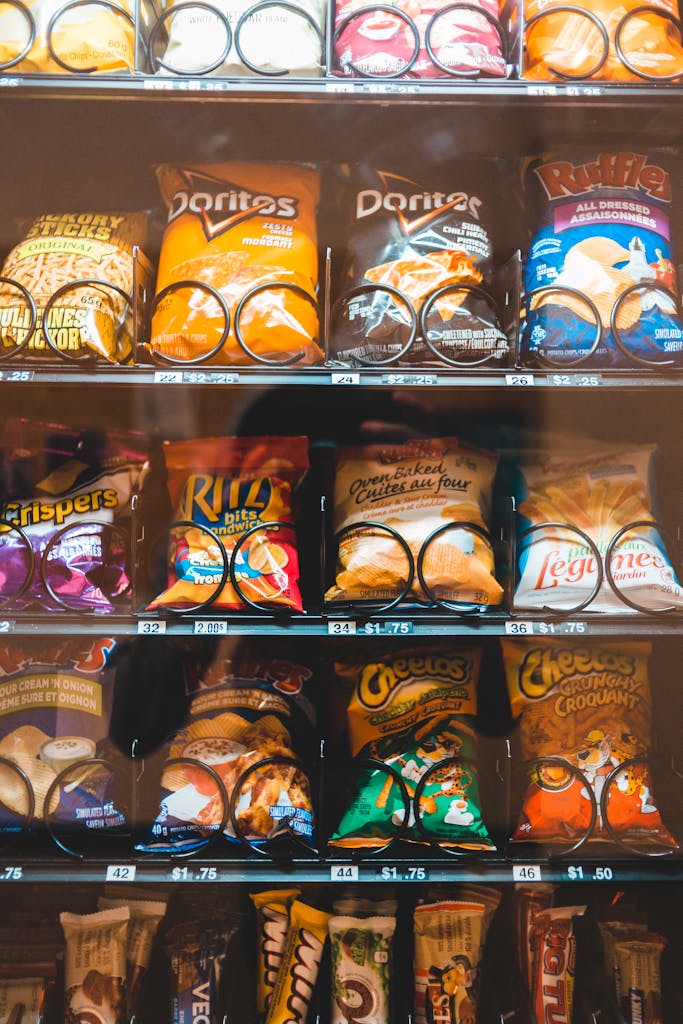
Big bags of chips, pretzels, and crackers can seem like a smart buy for snacking, but the truth is they often don’t last long enough to justify the bulk purchase. Once opened, snacks go stale fast, and if you’re not eating them every day, you’ll end up with half-empty bags cluttering your pantry. Smaller snack packs or buying in moderation ensures you’re only buying what you’ll eat before it loses its crunch.
Conclusion
The key to successful bulk buying is asking yourself a simple question: Will we realistically use this before it loses quality? Buying in bulk works best for non-perishable items you use regularly, like canned goods, dry pasta, or rice. But for perishable items that spoil quickly or go stale, bulk shopping is often just a trap for waste. Buying smaller amounts more frequently may seem less impressive, but it’s the smarter move for saving both money and food.