The freezer aisle loves to sell comfort. It promises fast dinners, easy cleanup, and a warm meal in minutes. For seniors, that convenience can feel like a gift on a busy day or an exhausting one. The problem is that some frozen meals hide a nutritional ambush behind tidy packaging and cheerful photos.
That matters more with age. The National Institute on Aging advises older adults to eat fewer processed foods, such as frozen dinners, and the FDA notes that controlling sodium intake becomes more important as blood pressure often rises with age. The American Heart Association recommends no more than 2,300 milligrams of sodium a day, with an ideal target of 1,500 milligrams for most adults.
Frozen Dinners Packed With Salt
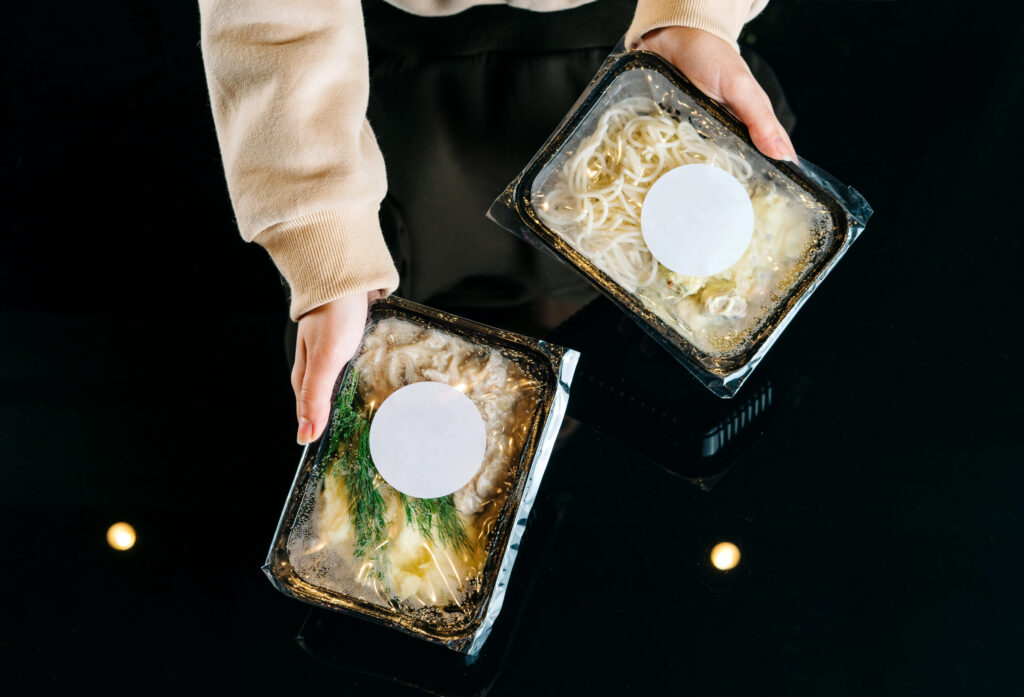
Some frozen dinners do not just contain salt, they practically perform with it. A small tray that looks harmless can take a huge bite out of the day’s sodium budget before lunch has even settled. That becomes a real concern for seniors trying to protect their hearts, kidneys, and blood pressure. Even the FDA highlights that sodium is common in processed and packaged foods and that higher sodium intake is associated with high blood pressure and related health risks.
This is why the label matters more than the marketing on the front of the box. A meal described as hearty, savory, homestyle, or loaded can sound comforting, but those words often travel with heavy seasoning and preserved sauces. The National Institute on Aging specifically tells older adults to eat fewer processed foods, such as frozen dinners, and to compare labels because sodium can vary widely from brand to brand. In other words, the freezer is not the enemy, but blind trust in it might be.
Frozen Pizza With Processed Meat
Frozen pizza can look like an easy win, especially on low-energy days, but the wrong one is a salt-and-saturated-fat double whammy. Once processed meats like pepperoni and sausage enter the picture, the meal gets heavier, greasier, and far less kind to an aging cardiovascular system. The original article flags processed-meat pizza as one of the biggest problems for seniors, and that warning makes sense when paired with heart-health guidance on sodium and saturated fat.
There is also the issue of what pizza pushes out. Instead of vegetables, lean protein, or fiber-rich ingredients, many frozen meat pizzas deliver refined crust, salty toppings, and a lot of cheese in one sitting. The FDA says the Daily Value for saturated fat is less than 20 grams per day, and the American Heart Association notes that saturated fats can raise cholesterol levels and increase heart disease risk. That makes a processed-meat pizza less like a quick dinner and more like a nutritional trap in a cardboard box.
Frozen Breakfast Sandwiches
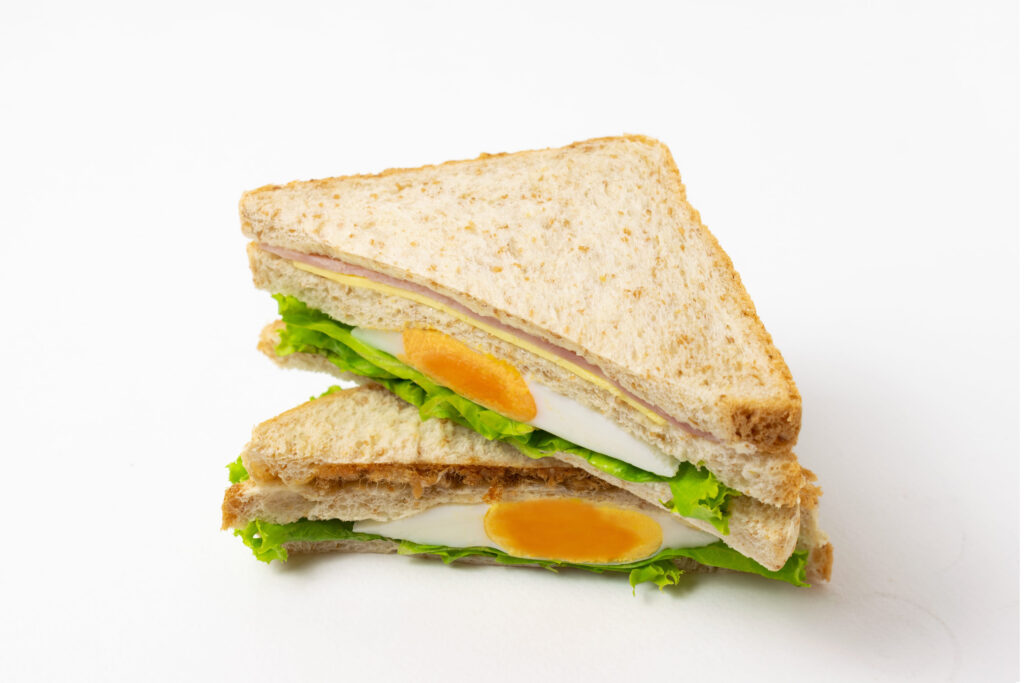
Breakfast sandwiches have a sneaky reputation. They look small, portable, and almost disciplined compared with a giant frozen lasagna. But sausage, bacon, egg, and cheese stacked inside a refined bun can still deliver a lot of sodium and saturated fat in a package that disappears in four bites. The Crafting Your Home article specifically lists frozen breakfast sandwiches among the worst freezer picks for seniors.
That is what makes them so deceptive. They rarely provide much fiber, and they often rely on processed meats and salty cheese to add flavor. For seniors who need foods that support steady energy, heart health, and better overall nutrition, that is not a strong bargain. A breakfast should help the day feel stable, not start it with a silent nutritional debt.
Frozen Casseroles With Cream Sauces
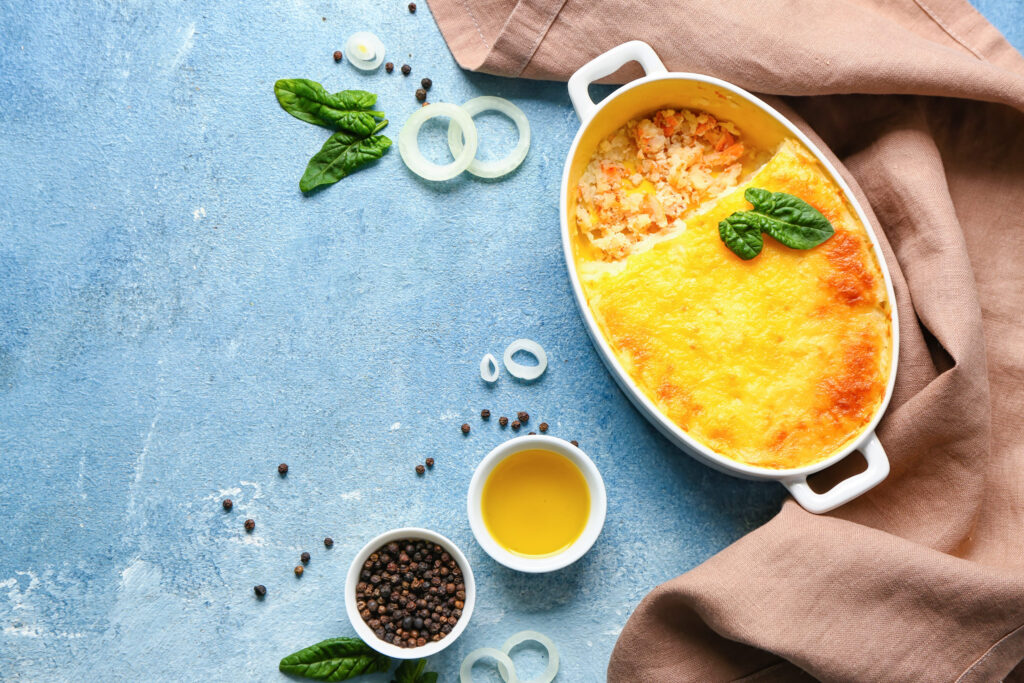
Creamy frozen casseroles are the masters of disguise. They look soft, warm, and comforting, like something a loving aunt might bring over in a ceramic dish. In reality, many rely on heavy cream sauces, cheese, and processed ingredients to create that rich flavor, and that usually means more saturated fat and more calories than the body needs. The source article calls out cream-sauce casseroles for exactly that reason.
For seniors, that richness can come at the expense of balance. A meal heavy in cream sauce often leaves little room for vegetables, whole grains, or lean protein, which do the real nutritional work. The FDA notes that saturated fat is found in higher amounts in many animal products, and the American Heart Association says swapping foods high in saturated fat for healthier fats can lower heart disease risk. Comfort food should feel soothing, not quietly work against long-term health.
Breaded Frozen Fish Fillets
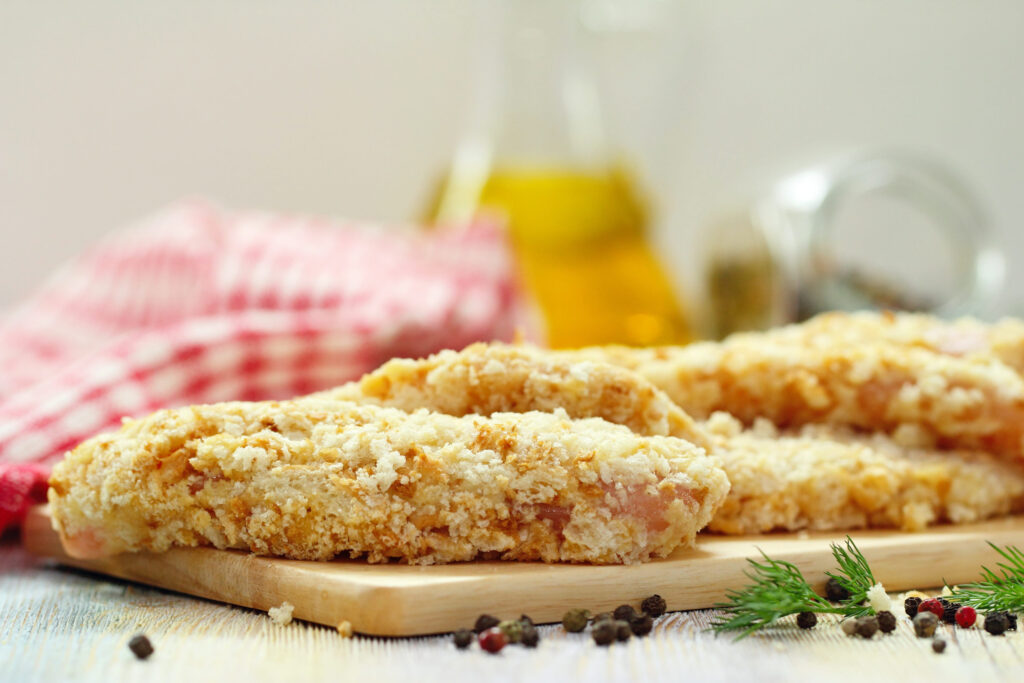
Fish sounds healthy, and usually it is. That is exactly why breaded frozen fish can fool people so easily. The phrase “fish fillet” suggests something light and heart-friendly, but once it is breaded and designed to mimic fried food, it can lose much of the clean, nourishing appeal people expect. The article you shared lists breaded frozen fish fillets as a category seniors should be cautious about.
The bigger issue is a missed opportunity. The American Heart Association says fish is a good source of protein, is generally lower in saturated fat than fatty meats, and that eating fish and seafood regularly is associated with lower cardiovascular risk. When the fish is heavily breaded, salted, and processed, that healthy image starts to blur. Seniors do not need food that only sounds nutritious. They need food that actually shows up and does the job.
The Better Way To Shop the Freezer Aisle
Frozen food itself is not the villain here. The real problem is the kind of frozen food that depends on sodium, saturated fat, and ultra-processed ingredients to fake flavor and stretch shelf life.
Older adults can still use the freezer aisle wisely, but the label has to become part of the shopping trip. The FDA recommends checking serving sizes and using the Nutrition Facts label, while the National Institute on Aging suggests looking for terms such as low-sodium, no-salt-added, unsalted, or salt-free.