Modern life’s strangest losses are not the dramatic ones. They slip away gradually, one habit at a time, until something once permanent feels quaint or old-fashioned.
Across communication, travel, media, money, and nature, familiar parts of daily life yield to convenience, automation, and neglect. What goes missing is often not useless, but steady, accessible, and quietly human.
Fireflies on Summer Nights

Fireflies once made dusk feel magical, but in many places their glow is fading. A BioScience review cited habitat loss, light pollution, and pesticides as the main threats. Later conservation reports confirm these are still the greatest dangers.
When wetlands are drained, lawns are chemically polished, and night skies stay bright long after sunset, fireflies lose both breeding space and the darkness their signals depend on. One of the gentlest parts of summer is not fading from natural change, but because modern life erodes the conditions it needs.
AM Radios on Car Dashboards
AM radio sounds ancient until you remember that ancient systems are often the ones still standing when newer ones fail.
A Congressional Research Service report released in late 2024 said more than 4,300 AM stations were operating in the United States as of March 31, 2025, and emphasized AM radio’s role in emergency alerting, even as some automakers omit it from electric vehicles due to interference and changing entertainment priorities.
The AM dial becomes less a relic and more a backup system, slowly disappearing from daily life. If dashboards go silent, drivers may realize too late that convenience replaced something more reliable.
Redbox and Casual DVD Rentals
Redbox made movie night feel wonderfully simple, because all you needed was a few dollars, a quick stop, and the ability to choose one film instead of scrolling through a thousand.
That model collapsed under the weight of streaming and debt, with Reuters reporting that Redbox owner Chicken Soup for the Soul Entertainment filed for bankruptcy in 2024, owing about $970 million, while wider coverage described the shutdown of roughly 24,000 kiosks.
Rental kiosks offered affordable entertainment without subscriptions, strong internet, or algorithmic influence. When the last Redbox leaves, it takes with it a unique kind of low-cost freedom that streaming never replaced.
Paper Road Atlases in Glove Compartments
The paper road atlas is no longer the ruler of the glove compartment, and that change has happened so quietly that many people barely noticed the throne was vacant. AAA still offers printed maps, but mostly through mail-order and print options, while Rand McNally has openly said that only a handful of companies still print a true road atlas.
At the same time, research published in Scientific Reports found that heavier lifetime GPS use was associated with worse spatial memory during self-guided navigation, which suggests our digital shortcuts may be making us less mentally present on the road. We did not merely trade paper for screens, because we also traded active wayfinding for passive obedience to a voice that says, “turn now.”
Home Landlines That Actually Ring
The home landline has become the household version of formal china, present in some homes but no longer the first choice. CDC estimates from June 2025 show 78.7 percent of adults and 86.9 percent of children in wireless-only households during late 2024.
The wall phone is fading not because of offense, but because life restructured around mobile phones’ portability, privacy, and speed. Soon, “call the house phone” may sound like a relic.
Paper Checks
Paper checks still carry a ceremonial air, as if a handwritten signature automatically makes money more respectable. Yet the United States Treasury announced in August 2025 that most federal paper checks would stop on September 30, 2025, and it said paper checks are more than 16 times as likely to be lost, stolen, altered, or delayed as electronic payments.
That is a pretty blunt signal that checks are moving from an everyday instrument to a special-case exception. What once looked official now looks slow, vulnerable, and badly outmatched by systems built to verify and move money almost instantly.
Local Newspapers on Front Steps
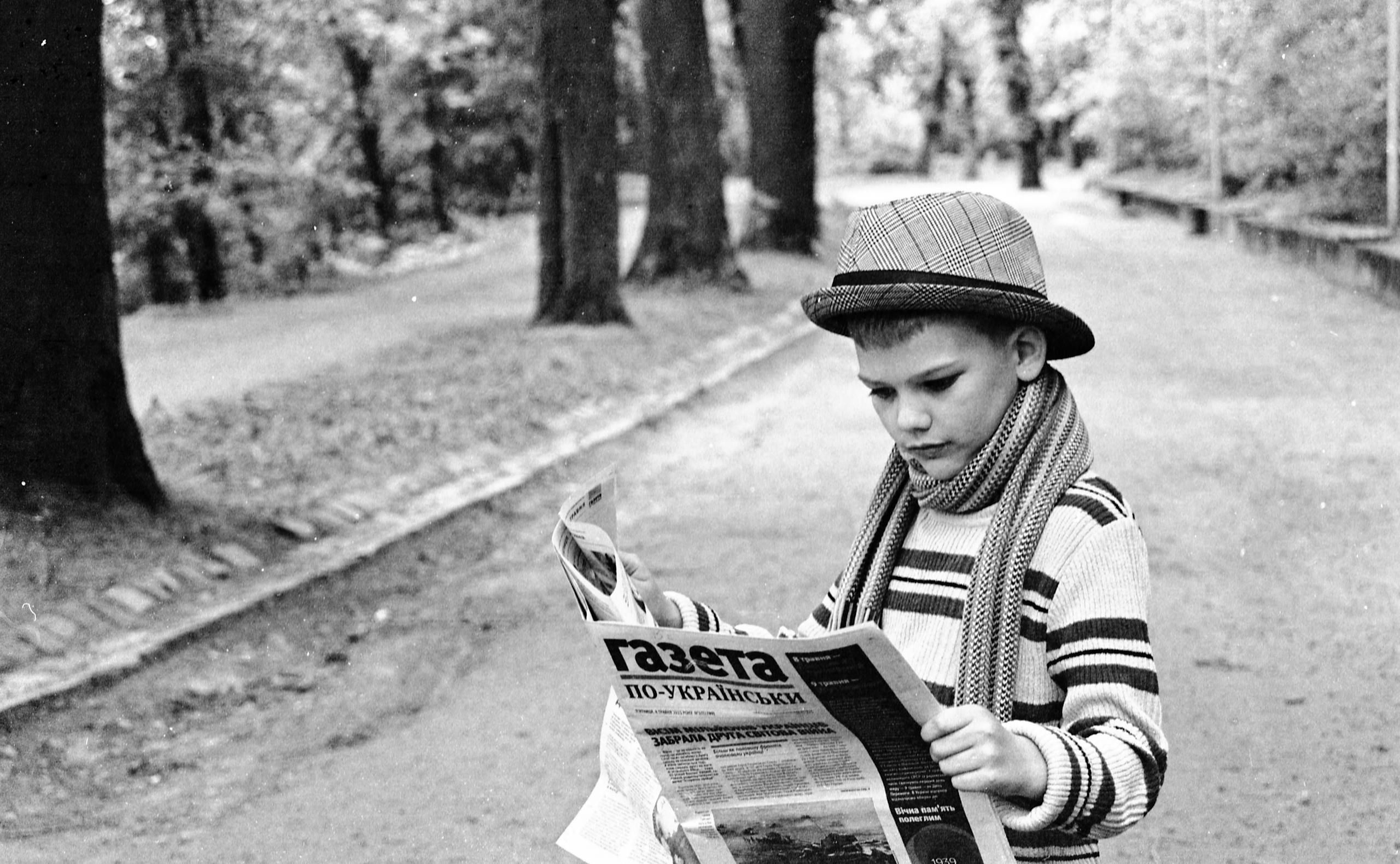
A local newspaper on the front step used to do more than deliver information; it also fostered a shared sense of place before breakfast. Medill’s State of Local News 2025 report said news deserts had widened to 213 counties and warned that newspaper closures continue unabated, while Associated Press coverage highlighted 136 newspaper closures over the previous year.
When that front-step ritual disappears, a town loses more than headlines, sports scores, or coupon inserts. It loses a daily civic mirror, and communities without mirrors eventually stop seeing themselves clearly.
Passwords You Type From Memory
The password was supposed to be a guard dog, but for most people, it became a badly trained pet that created panic every time it was needed. Google now describes passkeys as a safer, easier alternative to passwords; Microsoft says new consumer accounts are passwordless by default; and FIDO Alliance research released in 2025 found that 74 percent of consumers were aware of passkeys, while 69 percent had already enabled at least one.
That means the traditional typed password is not dying because people became cybersecurity geniuses overnight, but because even the companies that built the old system are tired of cleaning up after it. One day, we will look back and wonder why we trusted our digital lives to combinations of birthdays, pet names, and one exhausted exclamation point.
Handwritten Letters in the Mailbox
A handwritten letter still feels weightier than its paper, which is why its decline feels greater than a drop in mail volume. USPS data show First-Class Mail falling from 98.6 billion pieces in 2001 to 42.2 billion in 2025, and single-piece mail from 19.7 to 10.7 billion in the same period.
Email, text messages, and direct messages won the speed contest years ago, but speed was never the reason a letter mattered. A letter is one of the last common forms of communication that can still be held, saved, unfolded, reread, and, for decades, accidentally loved.
Pay Phones on Street Corners
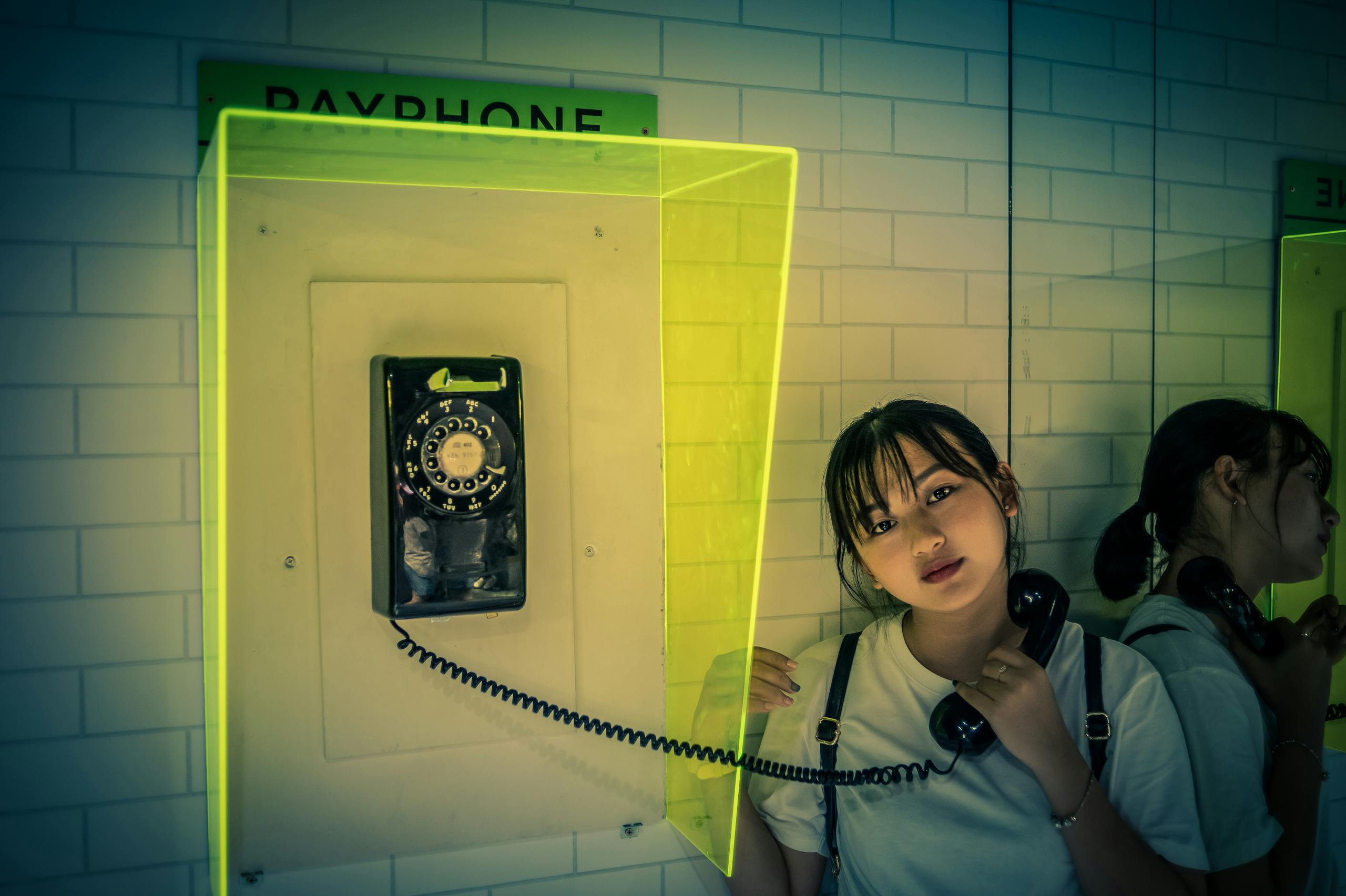
Pay phones stood like public lifeboats, available to anyone with a problem, coins, and someone to call. FCC materials from the late 2010s showed pay phones dropping below 100,000 after years of decline, and recent data confirms the trend: Nebraska dropped from 1,150 in 2016 to 81 in 2024.
That is not ordinary decline so much as near-erasure. The old booth has been replaced by the assumption that everyone always has a charged smartphone, which sounds efficient right up until the moment someone doesn’t.
Conclusion
None of these things is vanishing with a trumpet blast, which is exactly why their disappearance feels so unsettling once you notice it. They are being replaced by faster systems, cleaner interfaces, leaner business models, or brighter cities, yet many of those replacements also erase resilience, texture, memory, and shared access.
Not every old tool deserves rescue, but the disappearance of ordinary things reveals what modern life values and chooses to lose. If we fail to notice what quietly leaves, we risk realizing its value only once it is impossible to recover or to reclaim casually.