Your home may look sturdy, but in winter, it can feel like a sweater full of holes. Heat doesn’t always vanish in one big rush but escapes slowly through weak spots hidden in plain sight. If your energy bills are rising and your house still feels chilly, the problem might be the places where warmth slips away before you ever get to enjoy it.
The key to a warm home isn’t just the thermostat; it’s how well the entire house holds onto the heat it produces. The biggest trouble spots are usually above your head, around your windows and doors, inside your walls, and beneath your feet. Once we understand where the warmth is escaping, it becomes much easier to fix the problem and save on energy.
Heat Loss Starts in the Attic
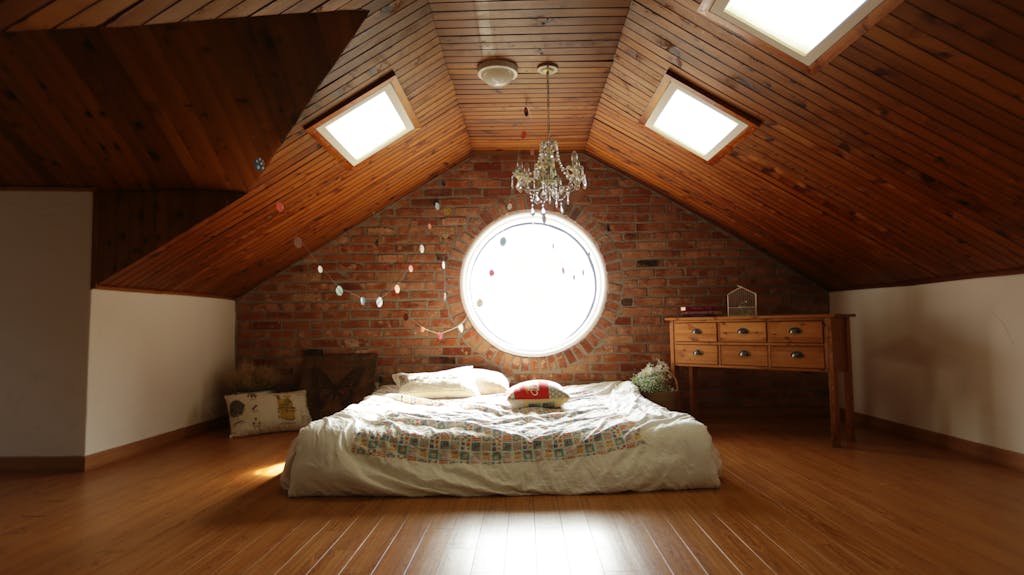
The attic is one of the main areas where heat escapes. Warm air rises, and if your attic is poorly sealed, it will leak out quickly. Insulation helps, but without proper air sealing, heat will still escape. Sealing leaks and adding insulation will keep the warmth where it belongs.
Gaps Around Attic Access
Attic hatches and pull-down stairs are often overlooked sources of heat loss. If these areas aren’t properly sealed, warm air escapes through them. Simple fixes like better sealing and insulation can make a huge difference in keeping a home warmer.
Windows
Windows look great, but they are notorious for letting heat escape. Whether it’s old frames, worn seals, or poor installation, windows can let cold air in and warm air out. Sealing leaks, adding coverings, and replacing old windows will help reduce this loss and keep your rooms warmer.
Drafty Doors

Doors, especially exterior ones, are common places for heat to slip away. Drafts can sneak in through cracks, worn weatherstripping, and loose thresholds. Replacing weatherstripping, tightening thresholds, and sealing any gaps around the door will keep your home warmer.
Cold Walls and Cavities
Walls might seem solid, but they can have gaps or poorly insulated cavities that let heat escape. Properly insulating walls can reduce this loss and improve comfort throughout your home. Adding insulation or upgrading to better materials can make a big difference.
Basement and Foundation Heat Loss
Basements often leak heat through the foundation. Insulating basement walls will prevent heat from escaping into the ground. Proper insulation can not only keep your basement warmer but also help the entire home stay warmer by preventing heat loss from below.
Crawlspaces and Floor Insulation
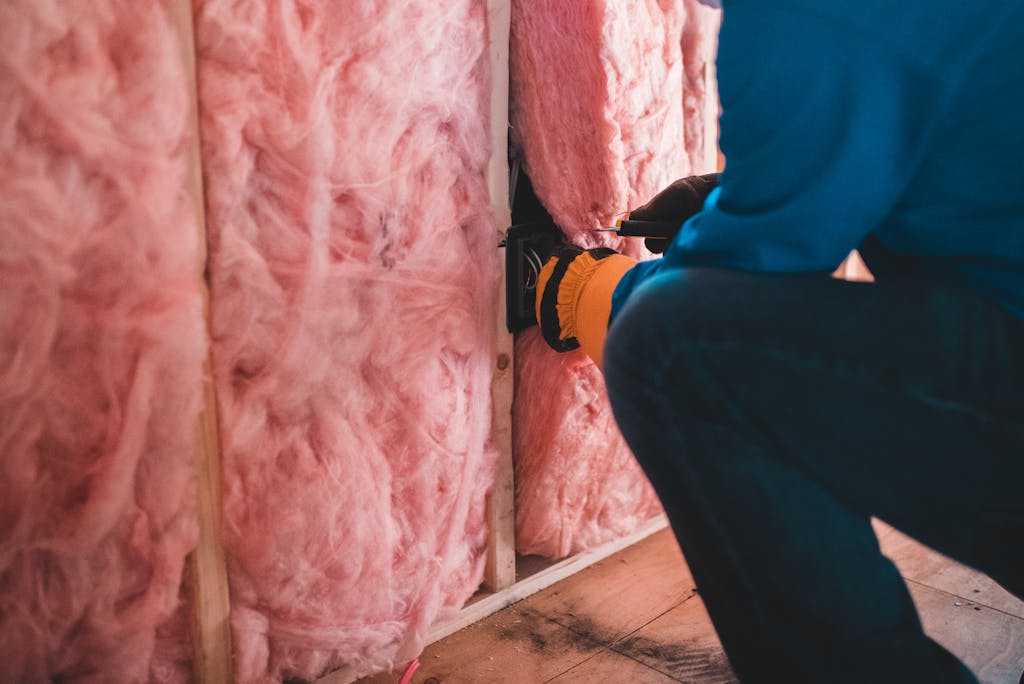
Crawlspaces often go unnoticed, but they can significantly affect your home’s temperature. Insulating and sealing these areas helps prevent cold air from rising into your floors. Proper floor insulation can stop heat from escaping and keep your home comfortable.
Rim Joists and Framing Gaps
Rim joists, the edges of the floor framing, are often a major source of heat loss. Sealing gaps and insulating the rim joist area can prevent warm air from escaping and cold air from entering. This small fix can make a big difference in the comfort of your floors.
Floors Over Unheated Spaces
Floors above unheated areas, such as garages or basements, can lose significant heat. Insulating these floors properly will prevent heat from escaping into the cold spaces below and make the rooms above feel warmer and more comfortable.
Fireplaces and Chimneys
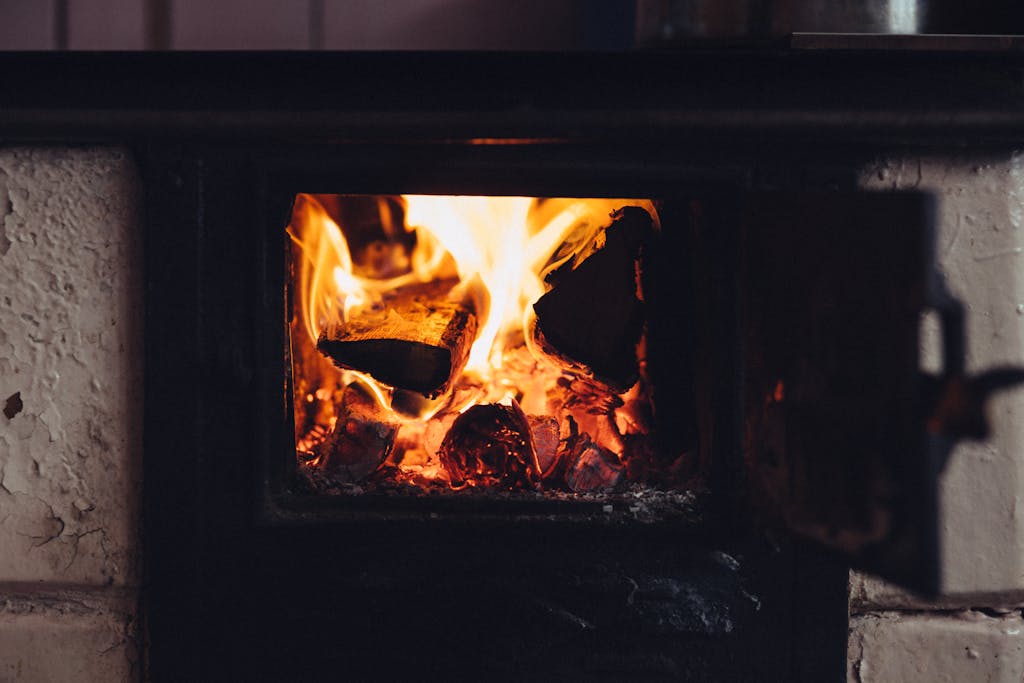
A fireplace can make a room feel cozy, but it can also be a major source of heat loss. If the flue is not properly sealed, warm air can escape through the chimney. Keeping the damper closed when not in use and sealing around the fireplace can help reduce this loss.
Slab Edges and Garage Ceilings
Cold floors above unheated spaces, such as garages, or exposed slab edges can make rooms feel chilly. Insulating these areas will keep the cold from seeping up into your living space. Proper insulation in these areas is essential for maintaining a consistent, warm temperature.
Small Gaps Around Outlets and Pipes
Tiny gaps around electrical outlets, plumbing, and wiring can cause big heat loss. Sealing these gaps with foam gaskets or caulking helps prevent air from slipping through unnoticed. It’s a small fix with a big impact.