Your smile is one of your most valuable assets, but many everyday habits can slowly damage your teeth without you even realizing it. From chewing on hard objects to neglecting to floss, these seemingly harmless actions can lead to serious dental issues down the line. In this article, we’ll highlight nine common habits that are silently ruining your teeth and offer tips on how to protect your smile for years to come. By making a few simple adjustments to your daily routine, you can ensure that your teeth stay healthy, strong, and beautiful.
Chewing on Hard Objects

Biting down on hard objects like pen caps, ice cubes, or even your own nails may seem like harmless habits, but they can lead to serious dental damage. These actions put significant pressure on your teeth, causing tiny cracks in the enamel. Over time, these cracks can become larger, leading to fractures and even the need for fillings or crowns. Not only does this harm the structure of your teeth, but it also increases the likelihood of tooth sensitivity and decay.
Using Your Teeth as Tools
It’s tempting to use your teeth to open packages or bottles, but this is a bad habit that can result in irreparable damage. Your teeth are designed for chewing food, not for biting through plastic, metal, or other tough materials. This kind of pressure can cause chips, cracks, or even dislodged fillings. Using your teeth in this way puts unnecessary strain on them, potentially leading to costly dental treatments down the line.
Mouth Breathing

Breathing through your mouth, whether while sleeping or during physical activity, can dry out your mouth and reduce saliva production. Saliva plays a crucial role in protecting your teeth by neutralizing acids and washing away food particles. When you breathe through your mouth regularly, you’re more susceptible to tooth decay, gum disease, and bad breath due to the lack of this natural protection.
Overusing Whitening Products
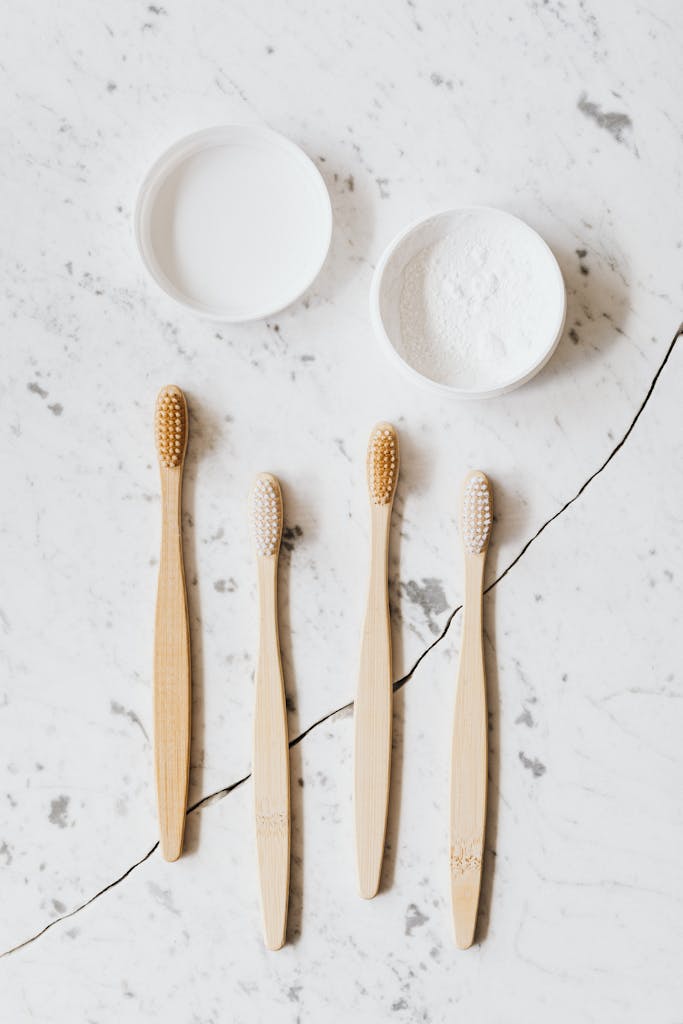
Everyone loves a bright, white smile, but overdoing it with whitening products can backfire. While whitening strips and gels can give you quick results, excessive use can thin the enamel over time. This leaves your teeth more vulnerable to stains, sensitivity, and damage. If you notice an increase in tooth sensitivity or discomfort after whitening, it’s a sign to cut back on these products and consult your dentist for safer alternatives.
Teeth Grinding (Bruxism)
Grinding your teeth, especially while sleeping, is a common habit that can cause serious damage to your teeth over time. This repetitive motion wears down the enamel, making teeth shorter and more susceptible to chips and cracks. Bruxism can also lead to jaw pain, headaches, and even temporomandibular joint (TMJ) issues, which affect the jaw’s ability to move properly. If left untreated, this condition can lead to costly dental work, including crowns or even tooth replacements.
Frequent Snacking

Grazing on snacks throughout the day, especially those high in sugar or starch, can harm your teeth more than you might think. Every time you eat, the bacteria in your mouth begin to break down food particles, producing acids that attack your enamel. The more often you snack, the longer your teeth are exposed to these harmful acids. This constant exposure can lead to cavities and enamel erosion, particularly if you don’t brush after eating.
Brushing Right After Eating
While it’s important to brush your teeth regularly, doing so immediately after a meal can actually cause more harm than benefit. After eating, especially if you’ve consumed acidic foods or drinks like citrus or soda, your enamel becomes temporarily softened. Brushing too soon can cause the enamel to wear away more quickly. It’s recommended to wait about 30 minutes after eating before brushing to give your mouth time to return to a neutral pH and protect your enamel.
Brushing Too Hard
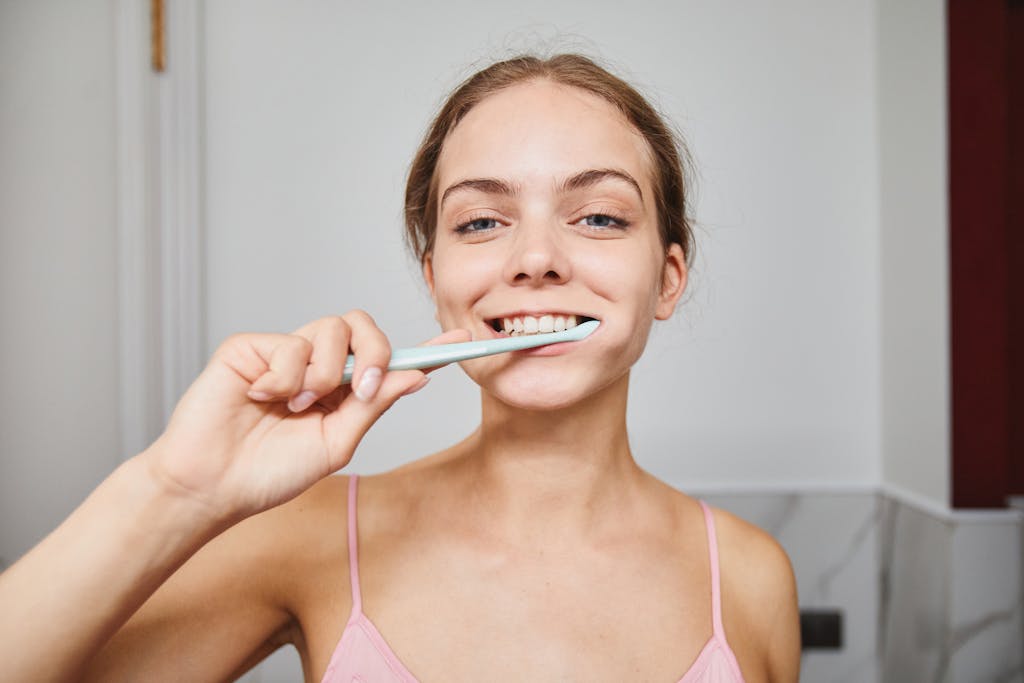
It might seem like scrubbing your teeth hard will give you a deeper clean, but in reality, it can do more harm than good. Brushing too hard can wear away the protective enamel on your teeth, leaving them more susceptible to cavities and sensitivity. Additionally, brushing too aggressively can irritate your gums, leading to receding gums and exposing the tooth roots. It’s best to brush gently in a circular motion with a soft-bristled brush to protect both your enamel and gums.
Not Flossing Enough
Brushing alone isn’t enough to keep your teeth clean; flossing is just as important. When you skip flossing, food particles and plaque can accumulate between your teeth and under your gumline. This build-up creates the perfect environment for bacteria to thrive, leading to tooth decay, gum disease, and bad breath. Flossing once a day removes these hidden particles and helps maintain healthy gums and teeth. Regular flossing also reduces your risk of developing cavities between your teeth, which are harder to treat once they’ve formed.
Conclusion
By being mindful of these habits and making small adjustments to your daily routine, you can ensure your teeth stay strong and healthy for years to come. Remember, your teeth are built to last a lifetime, but only if you take care of them!