Decluttering is often seen as a simple task, but when done incorrectly, it can result in wasted time and energy, and even lead to more clutter. If you’re not seeing the results you hoped for, it may be due to common mistakes many make during the decluttering process. In this article, we’ll explore the most frequent missteps and provide actionable solutions to help you regain control of your space.
Not Having a Clear Vision for Your Space

When decluttering, it’s crucial to have a defined goal for the space you want to achieve. Without a clear vision, it’s easy to get overwhelmed by the sheer volume of stuff, leaving you frustrated and directionless.
Before you start, visualize your ideal space. Whether it’s a tidy living room, a minimalist kitchen, or a clutter-free office, take time to picture it. Break it down into smaller, manageable goals to avoid feeling overwhelmed. This vision will guide your decision-making throughout the process.
Holding on to Items “Just in Case”
One of the biggest hurdles people face when decluttering is holding onto items for sentimental reasons or out of fear that they might need them someday. While it’s natural to want to preserve memories or prepare for potential use, this mindset often leads to unnecessary clutter.
Ask yourself, “Do I truly need this?” If an item doesn’t add value to your daily life or bring you joy, it’s time to let it go. Set strict guidelines for what to keep. For example, limit sentimental items to a box or a designated space.
Decluttering Without a System
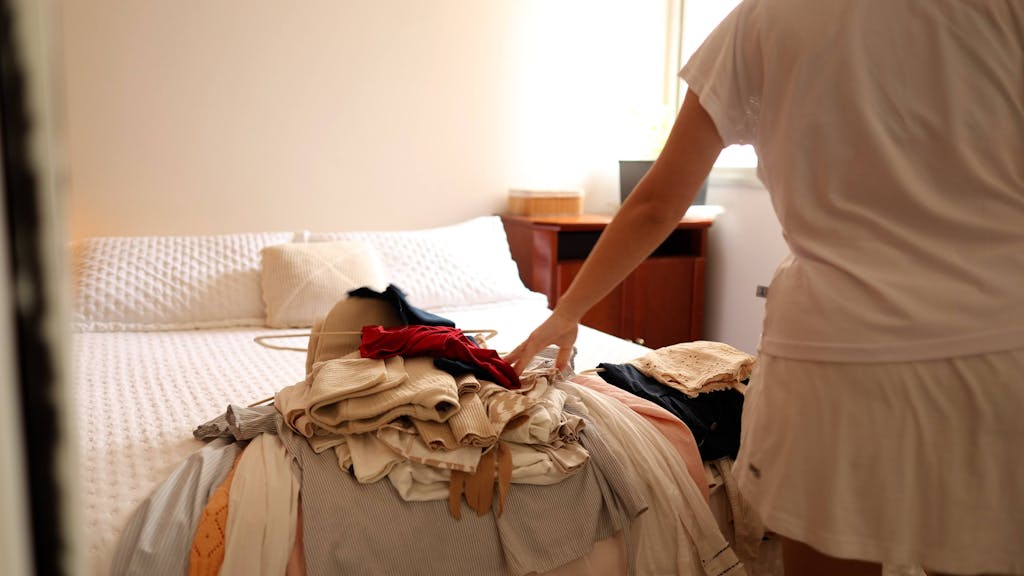
Tackling a room haphazardly or randomly tossing things into bags without a system can leave you with a disorganized mess that causes more confusion than progress. Create categories for the items you’re decluttering: Keep, Donate, Sell, and Trash. Sort items systematically as you go. Use boxes or bins to separate these categories and tackle one section at a time to stay focused.
Forgetting to Organize After Decluttering
Once you’ve decluttered an area, it’s easy to assume the job is done. However, if you don’t take the extra step of organizing what remains, your space can quickly become cluttered again. After decluttering, take time to implement organizational systems. Use bins, shelves, or drawer dividers to ensure everything has a designated spot. Consider storage solutions that match your space’s layout, and prioritize keeping only items you use regularly.
Not Giving Yourself Enough Time
Decluttering isn’t something that can be done in a rushed 30-minute session. Rushing through the process can lead to half-hearted decisions and uncompleted tasks, leaving the job half-done and your space still cluttered.
Set realistic expectations. Dedicate specific time blocks for decluttering, and don’t rush. Start with manageable sections, like one drawer or one shelf, and gradually expand as you gain confidence. Remember, this is a long-term process, not a quick fix.
Underestimating Emotional Attachments

Letting go of items tied to emotions can be challenging. Many people struggle with this because they feel guilty about getting rid of gifts, family heirlooms, or items tied to past experiences. Acknowledge the emotional attachment, but focus on the value of space in your life. You don’t have to keep everything to preserve the memory. Consider photographing sentimental items before parting with them, so you can retain the memory without the physical clutter.
Keeping Items Out of Guilt
Many individuals keep items out of guilt, whether it’s clothing that no longer fits, gifts they don’t use, or inherited possessions. This often results in clutter that takes up valuable space without adding value to your life. Give yourself permission to let go of items that no longer serve you. If you’re not using or enjoying something, it’s okay to let it go. Remember, keeping things out of guilt is not benefiting anyone.
Not Decluttering Regularly

Decluttering isn’t a one-time event; it’s an ongoing process. Many people declutter once and assume they’re done, but clutter often creeps back in, especially if you don’t make a habit of it. Set a routine for regular decluttering. You don’t have to do a big overhaul every time; simple maintenance every few weeks can prevent clutter from building up. Make it part of your lifestyle to ensure your home stays organized.
Focusing Only on the Visible Areas
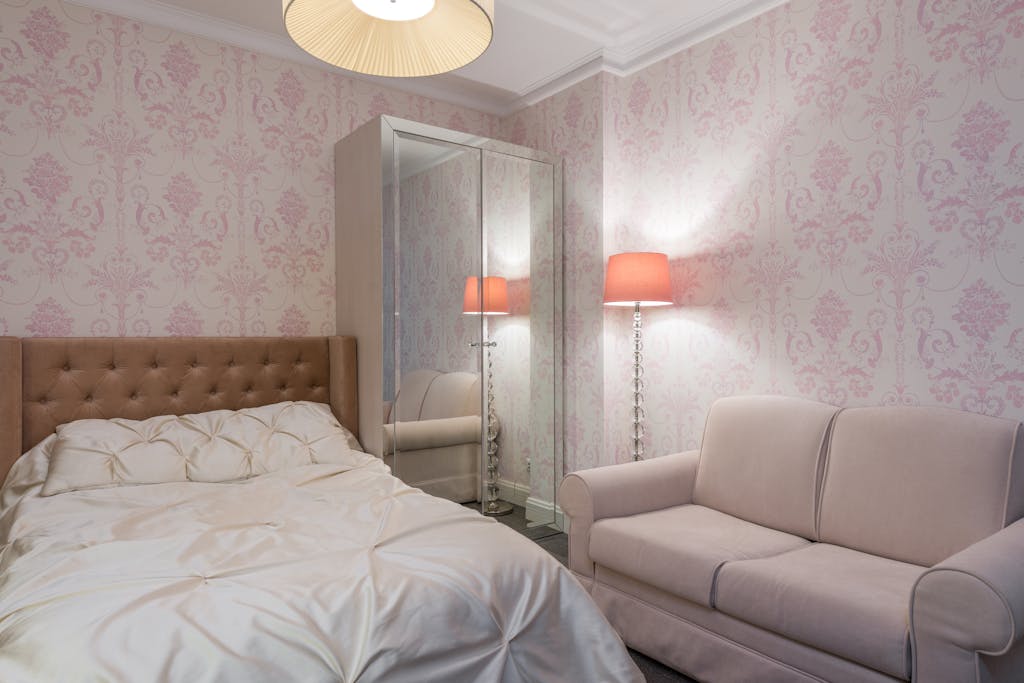
While cleaning visible spaces like countertops and living areas is important, neglecting hidden areas like closets, drawers, and basements can lead to a significant accumulation of items you don’t need. Take time to go through all areas of your home, not just the obvious spots. Don’t forget about storage spaces, and organize hidden areas to maintain overall cleanliness and organization.
Overbuying Storage Solutions
Buying too many bins, baskets, and shelves without properly evaluating what you actually need can contribute to the problem rather than solve it. Over-organizing with excess storage can take up space and lead to even more clutter. Before buying any storage solutions, ask yourself if you truly need them. Opt for functional, space-saving solutions that help you maintain the clutter-free environment you’ve created. Make sure everything you own fits into a system, not the other way around.