A money tree is supposed to look lush, glossy, and full of life. So when those rich green leaves start going brown, the plant is telling you, very clearly, that something in its environment is off. The good news is that brown leaves are usually not a mystery. They tend to come from a small group of common problems, and once you spot the real cause, the fix becomes much easier. Money tree plants, or Pachira aquatica, do best in bright indirect light, warm temperatures, humidity, and well-draining soil that stays lightly moist but never soggy.
Overwatering is the most common troublemaker
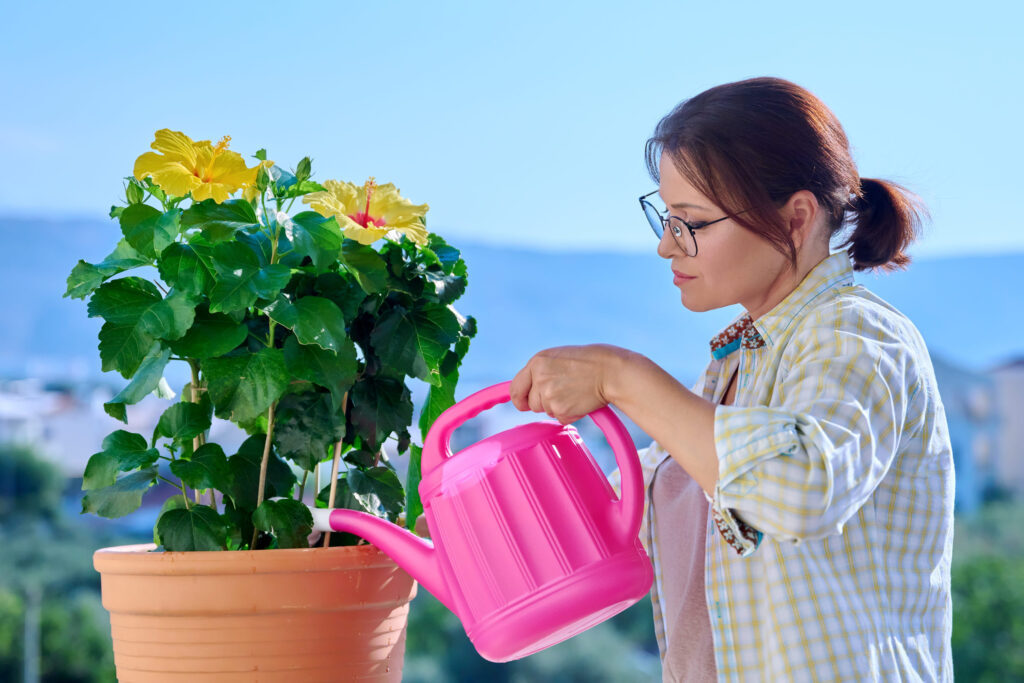
If your money tree’s soil stays wet for too long, the roots start to struggle. Standing water and soggy soil reduce oxygen around the roots, which can lead to root rot, and once the roots stop functioning well, the leaves often turn brown and begin to die back. Money trees do not tolerate sitting in water, which is why drainage holes and a loose, airy potting mix matter so much.
The fix is simple but important. Let the top few centimeters, or roughly the top inch or two, dry out before watering again, then water thoroughly and let the excess drain away completely. Never leave the pot standing in a saucer full of water, and cut back a little in cooler months when the plant is growing more slowly.
Underwatering can create the same brown drama
Brown leaves do not always mean too much water. A thirsty money tree can also develop dry, crispy edges that slowly spread across the leaf, and severe dryness can cause leaves to curl, brown, and eventually drop. Because the plant cannot move water and nutrients properly when the soil is bone dry, the foliage is often the first place where stress shows up.
To fix underwatering, soak the soil properly instead of giving the plant tiny sips. Water until moisture runs through the drainage holes, then allow the top layer of soil to dry before repeating. A consistent routine works better than panic watering, because money trees prefer even moisture rather than long stretches of drought followed by flooding.
Direct sunlight can scorch the leaves
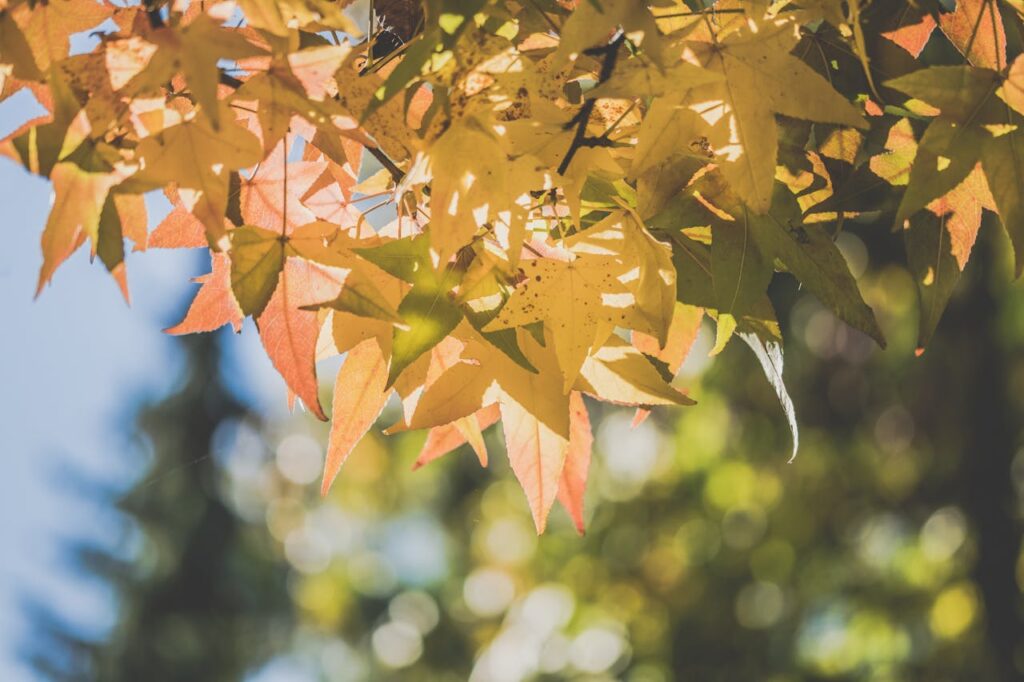
A money tree likes light, but it does not want harsh sunlight blasting its leaves for hours. Authoritative care guides note that Pachira aquatica prefers bright, indirect light, and direct sun can scorch the foliage, which often shows up as browning, burning, or dull patches. That is why a bright room is great, but a punishing sunbeam on the leaves is not.
Move the plant to a spot near filtered light, or place it a little back from a sunny window. East-facing light is often gentle enough, and bright indirect exposure for several hours a day is usually ideal. Once the light stops stressing the plant, new growth has a much better chance of coming in healthy and green.
Dry air and sudden temperature swings can quietly stress it out
Money trees are tropical plants, so they naturally prefer humidity and stable warmth. Reliable care sources recommend warm indoor conditions and note that low humidity, heating vents, air conditioners, and drafty windows can all trigger brown leaves or leaf drop. In other words, the plant may not be dying, but it may be deeply annoyed by your room setup.
If your plant sits near a vent, doorway, or window that gets sudden hot or cold blasts, move it. A steadier environment and a little more moisture in the air can make a major difference, especially in dry seasons. A humidifier is one of the most effective fixes, and even shifting the plant to a naturally more humid room can help.
Soil and drainage problems can sabotage the roots
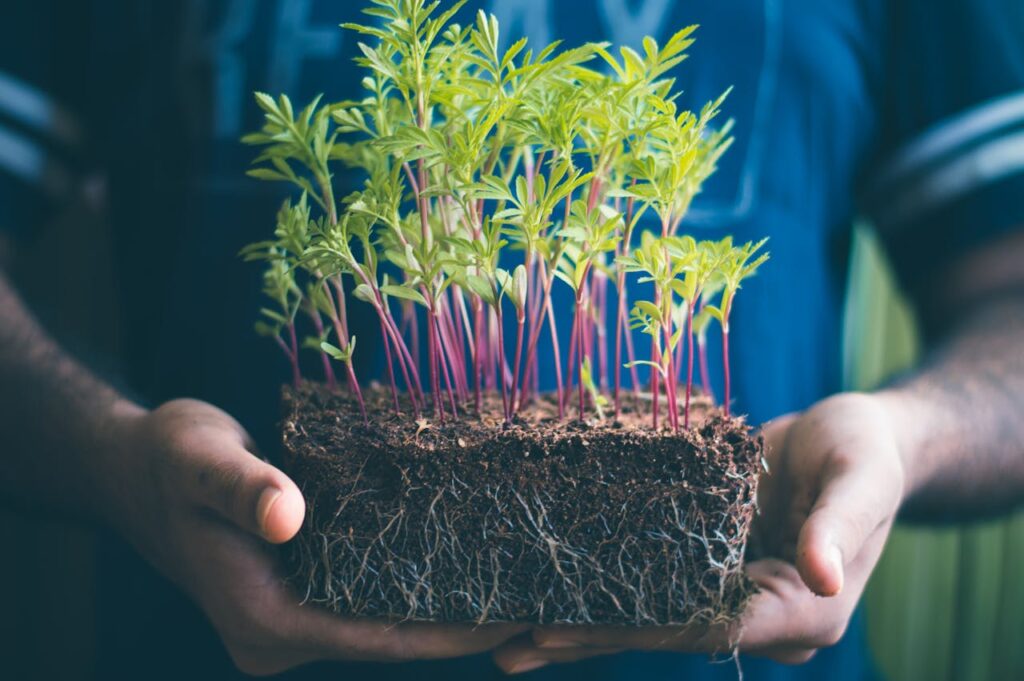
Sometimes the watering routine is fine, but the soil is the real issue. Money trees need a well-draining mix, and sources like NC State and The Spruce recommend soils that do not stay heavy and compacted around the roots. Dense soil holds too much moisture, slows drainage, and makes the plant far more vulnerable to root trouble and leaf browning.
If the mix feels dense, stale, or swampy, repot into fresh houseplant soil with better drainage. A pot with drainage holes is not optional here. If your money tree has been sitting in the same tired mix for a long time, fresh soil can be the reset button that helps the plant recover faster.
Pests and infections can also turn leaves brown
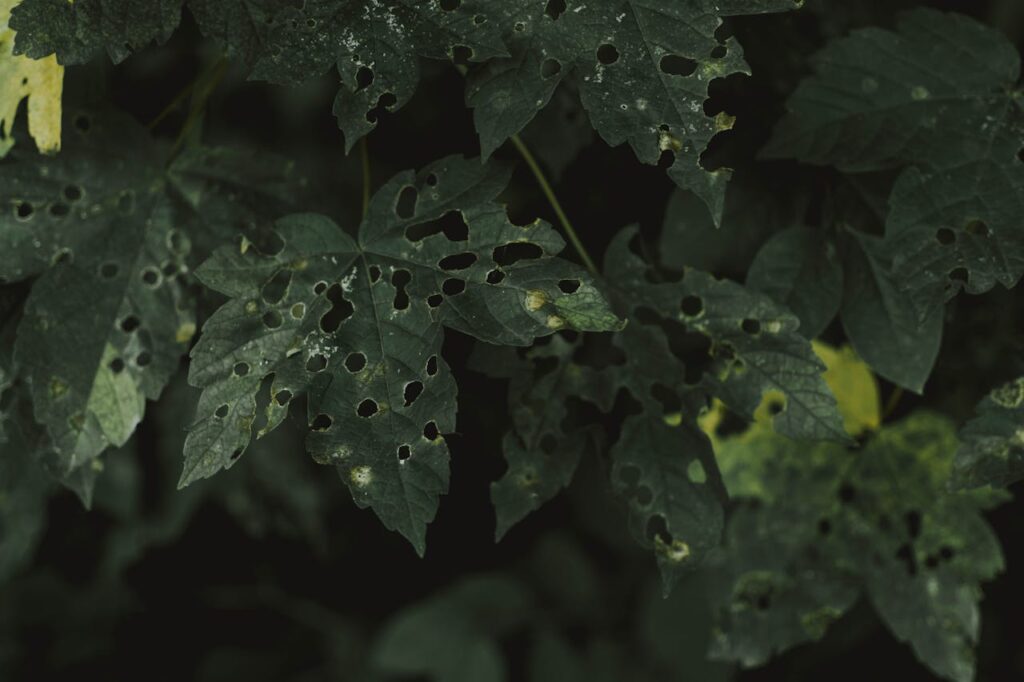
When brown leaves come with sticky residue, tiny webs, speckling, or odd spots, it is time to think beyond watering. Better Homes & Gardens and the source article both point to pests such as spider mites and mealybugs as common causes of leaf damage, and fungal or bacterial infections can also create brown spotting and tissue death. These issues often start small, then spread if ignored.
Inspect both sides of the leaves and the stems closely. If pests are present, insecticidal soap or neem oil is commonly recommended, and if infection is the issue, affected leaves may need treatment and isolation from other plants. For fungal or bacterial problems, copper fungicide is one commonly recommended option, along with improving airflow and avoiding overly wet conditions around the foliage.