Curiosity has always had a way of slipping into places it does not belong. That is part of being human, especially when people start looking for novelty, excitement, and intensity in their private lives. But there is a big difference between playful exploration and exploration that puts your body at risk.
The problem with household items is simple. They were designed for kitchens, closets, cleaning, or storage, not for intimate contact with delicate tissue. Trusted sexual health guidance points people toward purpose-made products, careful cleaning, body-safe materials, and protection, which tells you everything you need to know about why random objects from around the house are a bad substitute.
Everyday Items Are Not Body Safe
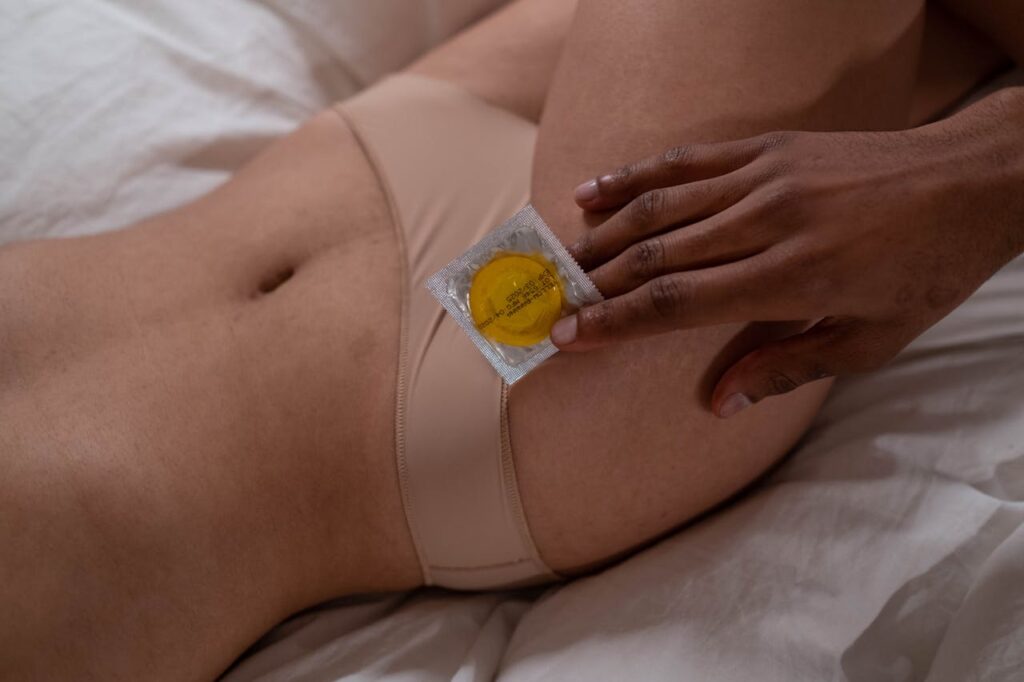
A polished surface or familiar shape does not make an object safe. Many common household items are made from materials that can scratch, shed, trap bacteria, or irritate sensitive skin.
Products meant for intimate use are designed with the body in mind, which is why organizations like Planned Parenthood recommend non-porous materials such as hard plastic, 100 percent silicone, stainless steel, or glass for anything that may come into contact with the body.
Delicate Tissue Gets Irritated Fast
The body can tolerate a lot, but the intimate tissue is still more fragile than most people realize. Creams, soaps, scented products, warming products, and random slick substances from the bathroom or kitchen can throw off balance and lead to burning or irritation.
Cleveland Clinic specifically warns against using things like hand soap, lotions, sugary substances, baby oil, and petroleum jelly as lube alternatives because they can irritate tissue or raise infection risk.
Clean Looking Does Not Mean Clean Enough

One of the biggest myths around improvised intimacy is that washing something quickly makes it safe. In reality, objects not designed for intimate use may have surfaces, seams, coatings, or materials that are harder to clean thoroughly.
Planned Parenthood and the American Sexual Health Association both stress cleaning sex toys before and after use and following manufacturer care instructions, which only works well when the item was actually made for that purpose in the first place.
Sharing Raises the Stakes
Once an item moves between partners, or even between different parts of the body, the risk picture changes.
ASHA notes that shared toys can pass on infections when vaginal fluids, blood, or feces are involved, and recommends either not sharing or using a condom on the toy and changing it between users or when moving from anal to vaginal use. Those are safety steps built around real sex products, which makes the case against improvising with household objects even stronger.
The Wrong Shape Can Become an Emergency
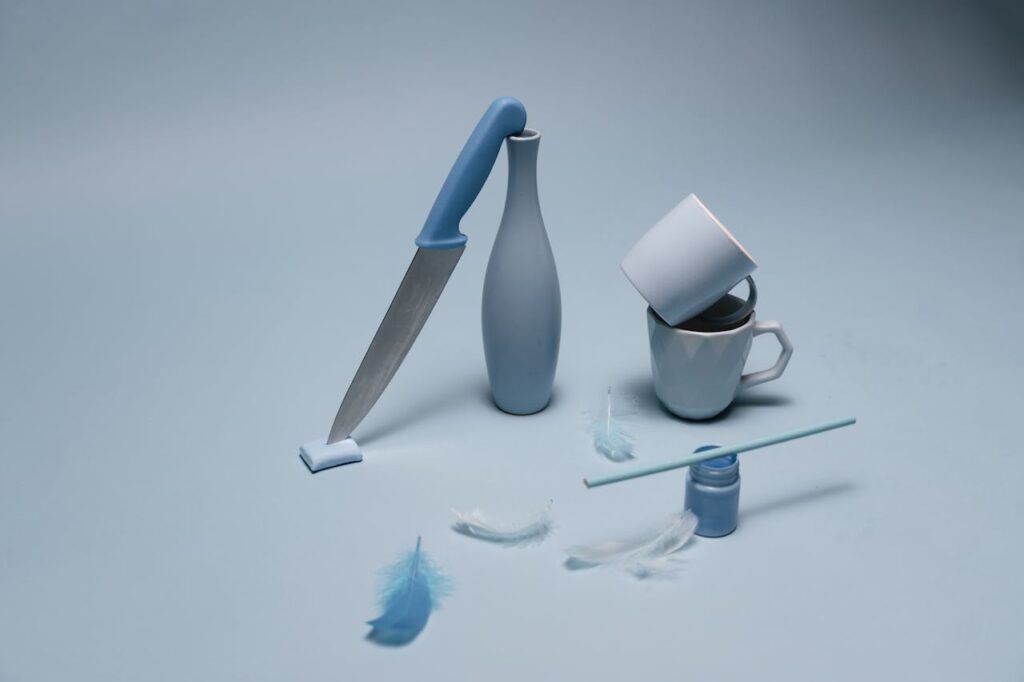
Many household objects are rigid, sharp-edged, breakable, or shaped in ways that make them unpredictable.
What looks harmless at first can slip, crack, pinch, or get stuck because it was never engineered with anatomy in mind. Planned Parenthood advises that anything used for anal play should have a flared base, which is a design detail ordinary household items simply do not have.
Sensation Products Can Turn Painful Quickly
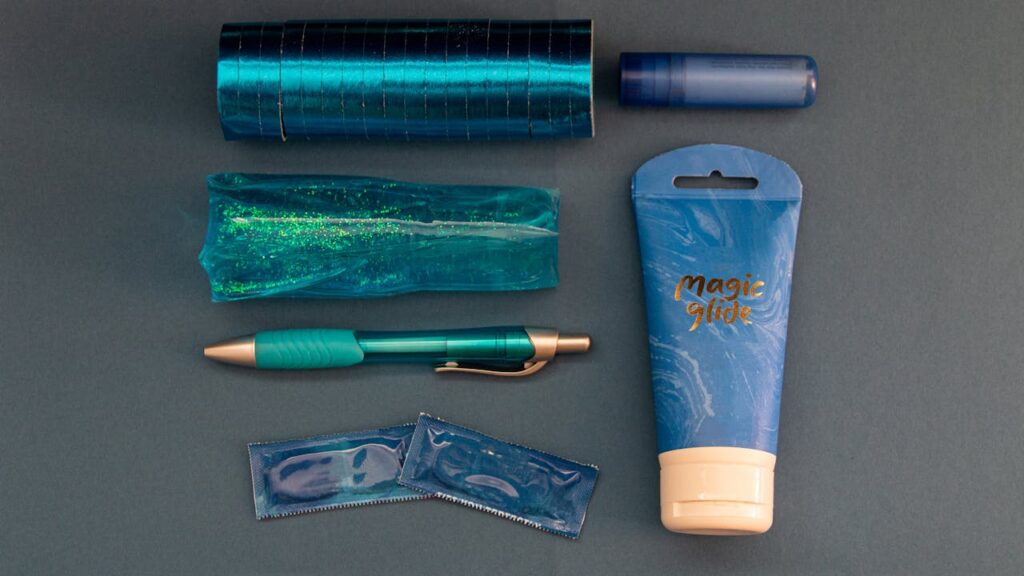
People are often tempted by products that cool, heat, tingle, or create a strong sensation. The trouble is that sensitive areas react very differently from the shoulders, hands, and other external skin areas.
Cleveland Clinic warns that warming, cooling, and tingling lubes can irritate delicate areas, which is a strong reason to avoid repurposing everyday products with similar effects in intimate settings.
Cheap Fixes Often Cost More Later
Improvising may look like a thrifty shortcut, but irritation, infection, and injury are expensive detours. A moment meant to feel exciting can end in discomfort, embarrassment, or a doctor visit that could have been avoided by choosing a safer option from the start.
A body safe product with clear instructions is rarely as costly as the consequences of guessing wrong with a household item. This safety logic is reflected across mainstream sexual health guidance that emphasizes protection, proper materials, and hygiene.
Real Confidence Looks Like Preparation
There is nothing boring about being prepared. In fact, the most confident approach to intimacy is one that respects the body, protects partners, and keeps pleasure from turning into panic.
Safer sex guidance includes using barriers on toys when appropriate, choosing compatible lubricants, cleaning products properly, and avoiding makeshift substitutes that were never meant for intimate contact.
Better Options Already Exist

The good news is that safer alternatives are not hard to find. Planned Parenthood recommends body-safe, non-porous materials, notes that water-based lube is generally safe for most toys, and advises using condoms on toys to help keep them clean and reduce germ spread.
That gives people a much smarter path forward than raiding kitchen drawers or bathroom cabinets and hoping for the best.