Mental health is not a side issue; it is woven into how we think, sleep, work, relate, and recover. When stress builds, emotions become harder to regulate, and ordinary tasks start to feel heavy, the most effective response is not random distraction but a set of coping mechanisms we can actually rely on.
The best coping mechanisms for mental health are the ones that help us regulate our bodies, organize our thoughts, reduce emotional overload, and return to steadier ground. Some work in the moment, some work over time, and the strongest results usually come when we build several of them into daily life rather than depending on one trick whenever things fall apart.
Mindfulness Meditation
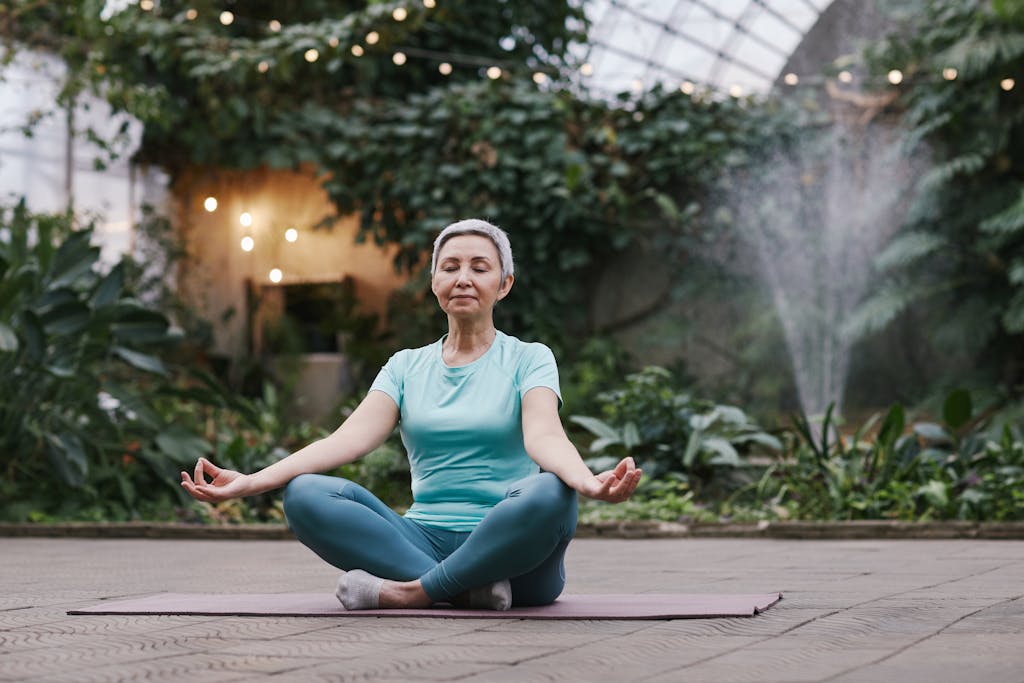
Mindfulness meditation remains one of the best coping mechanisms for mental health because it teaches us how to stay with the present moment without immediately reacting to it. Stress often pulls us into a loop of replaying the past or predicting the worst possible future, and mindfulness interrupts that pattern by anchoring our attention to what is actually happening right now. That shift may seem small, but it creates breathing room between a difficult feeling and our response to it. Instead of being dragged around by racing thoughts, we begin to observe them with more steadiness.
A strong mindfulness practice does not require incense, long silence, or perfect focus. It begins with a few quiet minutes, a chair, and deliberate attention to the breath, bodily sensations, or nearby sounds. When the mind wanders, which it will, we do not fail; we return. That return is the practice. Over time, mindfulness sharpens emotional awareness, reduces reactivity, and helps us notice tension before it escalates into panic, irritability, or an emotional shutdown.
The practical power of mindfulness lies in repetition. Five minutes in the morning, a short pause before a stressful meeting, or a grounded breath before answering a difficult message can gradually change how we handle pressure. It becomes easier to name what we feel, tolerate discomfort, and respond with intention instead of impulse.
Gratitude Practices
Gratitude is often misunderstood as forced positivity, but real gratitude is more grounded than that. It does not erase pain or demand that we ignore what is wrong. It simply widens the frame. It helps us notice that even in difficult seasons, some good still exists. That shift can reduce emotional heaviness and support a more balanced mental state.
One of the best ways to practice gratitude is through small, specific noticing. A quiet morning, a helpful friend, a meal that brought comfort, a task completed, a moment of relief, or a place that felt peaceful can all count. The point is not to impress anyone with profound insight. The point is to train the mind to register support, beauty, and steadiness alongside stress.
Gratitude works best when it becomes a habit rather than a rescue attempt used only on bad days. Writing a few points at night, reflecting after a walk, or pausing in the middle of a difficult day to notice something good can gradually reshape our mental focus. Over time, gratitude builds emotional flexibility, which is a major part of staying mentally strong.
Regular Exercise

Exercise is not only a physical habit, but also one of the most effective mental health coping tools we can build into our routine. Movement helps regulate stress hormones, boosts mood, improves sleep, and breaks the freeze that often comes with anxiety or low mood. When we exercise, we create motion in a system that may feel emotionally stuck. That is why even simple movement can produce a noticeable mental reset.
The most useful exercise is not the most extreme workout; it is the one we will actually continue doing. A brisk walk, stretching session, dance routine, swim, bike ride, or strength workout can all support better mental health when practiced consistently. The goal is not punishment or perfection. The goal is to help the nervous system discharge tension and return to a more stable rhythm.
Exercise also restores a sense of agency. During emotionally difficult periods, we often feel powerless, scattered, or disconnected from our bodies. Moving on purpose reminds us that we can still take action, create momentum, and influence how we feel. That matters more than many people realize. Even twenty minutes of movement can shift the tone of an entire day and reduce the mental fog that stress tends to create.
Cognitive Behavioral Techniques
Many mental health struggles intensify because of the way thoughts spiral beneath the surface. We may assume the worst, treat feelings as facts, or talk to ourselves in a way we would never use with anyone else. Cognitive behavioral techniques are powerful because they help us identify distorted thought patterns and replace them with more balanced, realistic ones. This does not mean pretending everything is fine. It means refusing to let unexamined thoughts run the entire emotional system.
When we use this method well, we start by catching the thought. Then we question it. Is it true, fully true, or partly true? Is there evidence against it? Are we predicting disaster without proof? Are we using one bad moment to define our future? These questions matter because many mental health struggles are worsened by automatic interpretations that feel convincing but are incomplete.
This coping mechanism becomes especially effective when written down. A thought record, journal page, or simple note on a phone can help us separate the trigger from the belief and the belief from reality. That process can reduce anxiety, shame, anger, and hopelessness because it breaks the illusion that every painful thought deserves our full trust.
Strong Social Support

Mental strain grows heavier in isolation. Even when we prefer privacy, most of us cope better when we feel seen, understood, and supported by others. Social support remains one of the best coping mechanisms for mental health because it reminds us that we do not have to carry everything alone. A calm conversation, a check-in from a trusted friend, or simply being around someone safe can reduce emotional intensity faster than silent rumination ever will.
Support does not have to look dramatic to be effective. It can be a sibling who listens without fixing, a friend who sends a message at the right moment, a support group that offers perspective, or a community where honesty feels safe. What matters is consistency, trust, and emotional safety. We need people who can hold space without judgment, not people who minimize, mock, or compete with our pain.
There is also strength in learning to ask clearly for what we need. Sometimes we need advice. Sometimes we need a distraction. Sometimes we need practical help. Sometimes we just need someone to sit with us while the hard feeling passes. Building real support requires honesty, but once that foundation is in place, it becomes a major source of resilience and recovery.
Creative Expression
Not every feeling can be solved by analysis. Some emotions need to be expressed before they can settle. Creative expression works so well as a mental health coping mechanism because it gives stress, grief, anger, and confusion a shape outside the body. When we write, draw, sing, paint, dance, or create something with our hands, we turn raw emotion into something visible, movable, and less overwhelming.
This process matters because unexpressed emotion often turns inward. It can manifest as tension, irritability, numbness, or mental clutter. Creativity offers release without demanding polished skill. We do not need to be talented to benefit from creative expression. The value lies in the act itself. A page of honest writing, a rough sketch, or ten minutes of movement can bring surprising relief because it converts emotional pressure into motion.
Creative expression also restores identity during difficult seasons. When stress consumes us, we can start feeling like we are nothing more than our responsibilities or symptoms. Making something reminds us that we still have depth, imagination, and inner life beyond the struggle. That reminder can be deeply stabilizing.
Breathwork and Box Breathing
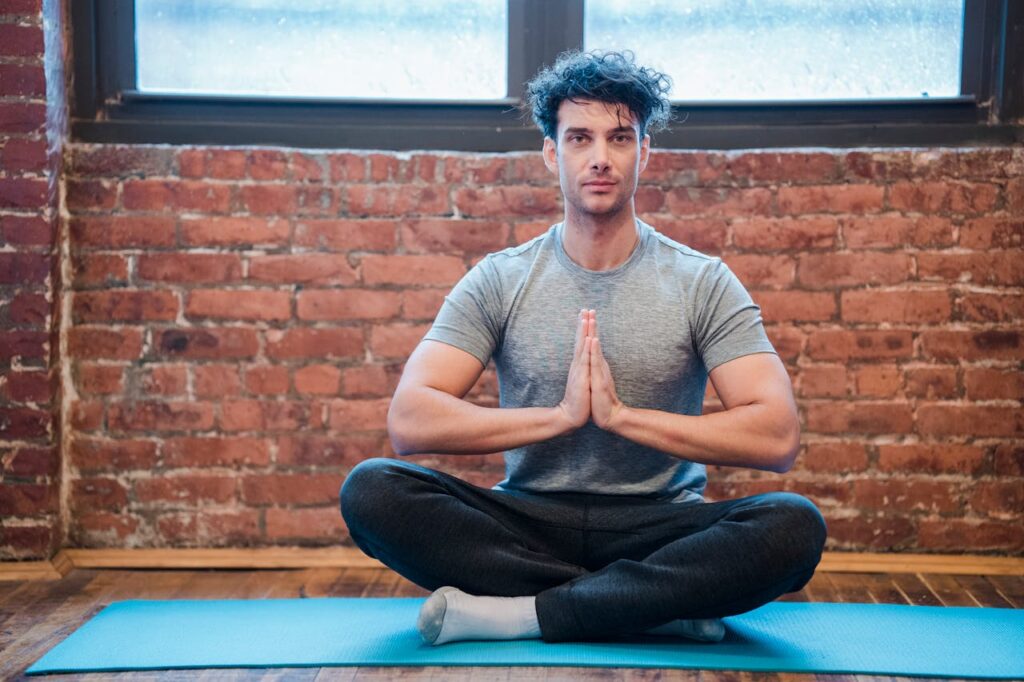
When stress surges, the body often reacts before the mind can catch up. Heart rate climbs, breathing becomes shallow, muscles tighten, and thoughts race. Breathwork helps because it gives us a direct way to influence the nervous system in real time. Among the simplest and most effective methods is box breathing, a steady pattern of inhale, hold, exhale, and hold that creates calm through rhythm.
What makes breathwork so useful is its speed. We do not need special equipment, extra money, or a perfect environment. We can use it before a difficult conversation, after bad news, during anxious overthinking, or in the middle of a stressful workday. Slow breathing sends a message to the body that the immediate threat level is lowering, which can reduce anxiety intensity within minutes.
Breathwork is most effective when practiced before a crisis as well as during one. The more familiar the pattern becomes, the easier it is to access when emotions spike. It is one of the few coping skills that works almost anywhere and can create immediate stability when everything inside feels chaotic.
Progressive Muscle Relaxation
Mental stress almost always leaves a physical signature. Jaw tension, stiff shoulders, tight chest, clenched hands, restless legs, and a heavy neck are all common signs that the body is holding more than it can process. Progressive muscle relaxation helps us notice and release tension on purpose. We tense one muscle group at a time, then let it go, moving through the body in a slow sequence.
This method is powerful because it reconnects mental health with physical awareness. Many people live with chronic stress for so long that tension starts to feel normal. Progressive muscle relaxation interrupts that numbness. It helps us recognize where pressure is hiding and gives the body a structured path back to ease. The result is often a calmer mind, slower breathing, and a greater sense of control.
This technique also works well at night, after emotionally difficult days, or before situations that tend to trigger anxiety. It is practical, private, and especially useful for people whose stress shows up as physical discomfort before it becomes obvious in their thoughts.
Positive Self Talk
The voice we live with most is our own. If that voice is harsh, hopeless, and relentlessly critical, even small stressors become harder to carry. Positive self-talk is one of the best coping mechanisms for mental health because it changes the tone of our internal environment. It does not ask us to deny reality. It asks us to stop attacking ourselves while we are trying to survive it.
A healthier internal voice sounds grounded, not fake. It says we can handle one step at a time. It says this moment is hard, but it will not last forever. It says making mistakes does not erase our value. These statements may seem simple, yet they change the emotional atmosphere in a meaningful way. When we replace constant self-criticism with steadier language, shame begins to lose some of its power.
Positive self-talk is especially important during setbacks. Many people know how to work hard, but very few know how to speak to themselves kindly when things go wrong. That skill matters because recovery depends not only on what happens to us, but on how we interpret it. A more compassionate inner voice creates more room for resilience, patience, and repair.
Sleep Hygiene

Sleep is not a luxury for mental health; it is part of the maintenance system. When sleep breaks down, patience shrinks, stress rises faster, emotional regulation weakens, and negative thinking becomes harder to control. That is why sleep hygiene is one of the most important coping mechanisms we can develop. It gives the brain the recovery time it needs to process emotion and restore mental clarity.
Good sleep hygiene begins with rhythm. Going to bed and waking up at roughly the same time teaches the body when to wind down and when to wake. A predictable routine before bed signals safety and quiet to the nervous system. Lower lights, reduced screen time, calmer activities, and a comfortable bedroom all make a real difference. These habits may look ordinary, but their effect on mood can be profound.
Sleep hygiene also protects us from false emotional conclusions. When we are exhausted, small problems feel enormous, frustration feels permanent, and ordinary pressure can feel like personal failure. Rest changes the scale of things. It gives us back patience, perspective, and the ability to think beyond the emotional temperature of the moment.
Conclusion
The best coping mechanisms for mental health are the ones that help us return to ourselves with greater steadiness, clarity, and care. They do not remove every hard part; they add greater steadiness, clarity, and care. They do not remove every hard feeling, but they make hard feelings easier to carry, understand, and move through. When we practice them consistently, we build more than relief. We build emotional endurance, self-awareness, and a stronger foundation for everyday life.
Mental health improves when we stop treating coping as an afterthought. The more intentionally we use these tools, the more capable we become of handling stress without being ruled by it.