Plants may look passive, but they are anything but helpless. Across forests, grasslands, deserts, farms, and gardens, we find species that fight back with chemistry, camouflage, motion, warning signals, toxins, and alliances with insects. They cannot run from danger, so they survive by turning their own bodies into layered defense systems that discourage herbivores, slow pathogens, confuse predators, and protect seeds long enough for the next generation to grow.
When we look closely, we see that plant defense is not one simple trick. Some plants make themselves painful to bite. Some hide in plain sight. Some summon bodyguards. Some release airborne signals that warn nearby plants to prepare their own defenses. Others store compounds that only become dangerous when tissue is damaged. The result is a quiet arms race between plants and the creatures that feed on them, and it explains why so many familiar crops and wild species are equipped with surprisingly advanced survival strategies.
Corn plants
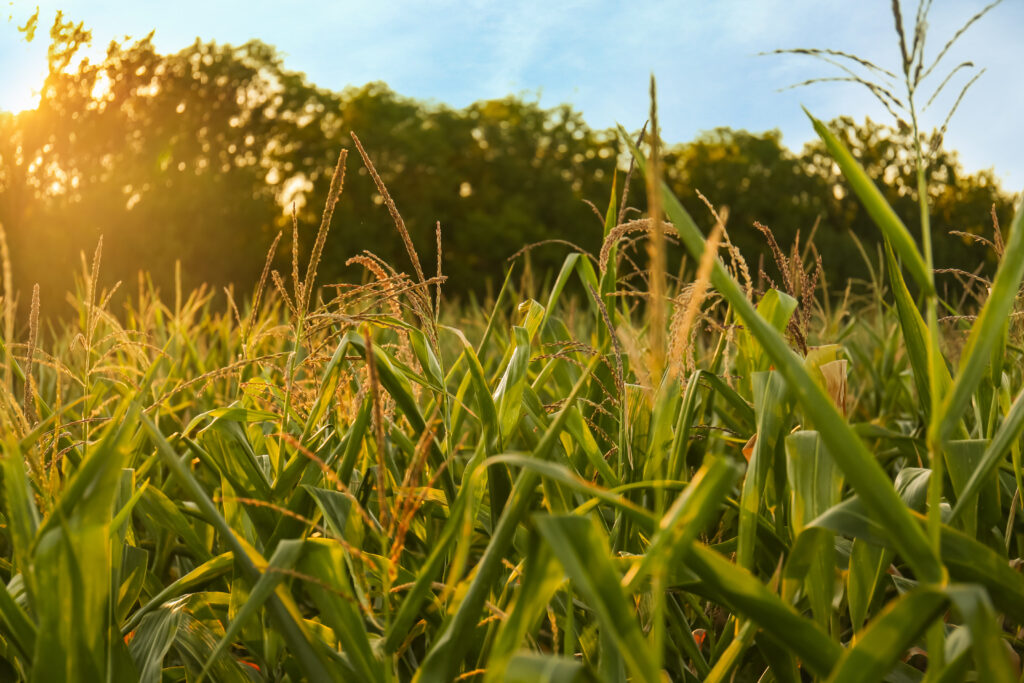
Corn does far more than sit in a field and hope for the best. When caterpillars chew on its leaves, the plant can release airborne chemical signals that function like a distress beacon. Those compounds help attract parasitic wasps, which then locate the herbivores feeding on the corn. Instead of fighting the pest directly, the plant turns the pest into a target. That is one of the clearest examples of an indirect plant defense, and it shows how a rooted organism can still shape the battlefield around it.
This strategy works because the plant’s damage signals are highly useful to beneficial insects. The wasps are not arriving to rescue corn out of kindness. They respond to an opportunity to lay eggs on or in herbivorous pests, and that interaction reduces future feeding pressure on the plant. In agricultural terms, corn gains protection without needing armor or poison at that moment. In evolutionary terms, we see a sophisticated partnership that turns plant injury into a chemical message and chemical messaging into survival.
Lithops
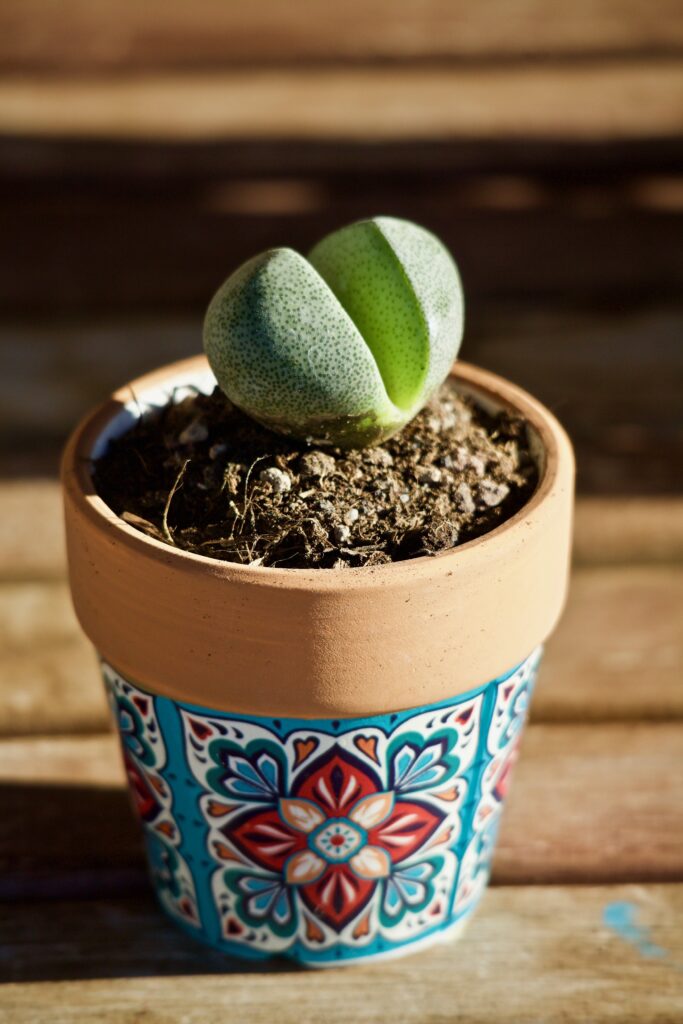
Lithops, often called living stones, use one of the most elegant defenses in the plant kingdom. Their leaves resemble pebbles so closely that hungry animals can overlook them entirely. In dry, rocky habitats where vegetation is sparse and easy to spot, disguise matters. If a grazer does not recognize a plant as food, the plant avoids damage without spending energy on spines, toxins, or constant regrowth.
The brilliance of Lithops is that the camouflage works alongside water conservation. These plants store moisture in their thick leaves and expose only a limited surface area above the soil, reducing water loss in punishing environments. Their stone-like appearance helps them blend into the background, and their compact structure helps them withstand drought. Even reproduction fits the environment, since their seed capsules respond to moisture and open when rain arrives. We are looking at a defense system that is not just about escaping herbivores, but about surviving an ecosystem where exposure itself can be fatal.
Asparagus berries
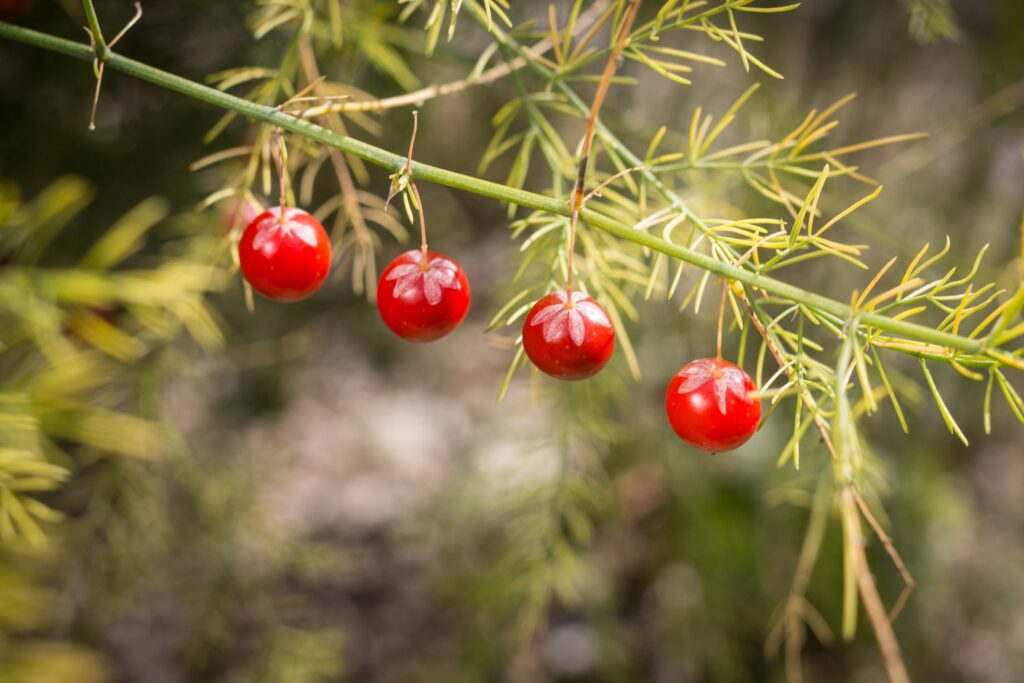
Many people know asparagus as a vegetable, but parts of the plant can become a warning sign to animals. The berries of ornamental asparagus species contain compounds that can trigger digestive distress and irritation when eaten. From the plant’s point of view, that is useful. A berry that makes an animal sick is less likely to be eaten again, and repeated avoidance helps protect future fruit and seeds.
This type of defense is common in nature because it teaches through consequence. The plant does not need to attack everything that touches it. It simply needs to make ingestion unpleasant enough that animals learn to be cautious. That selective pressure shapes feeding behavior over time. For pet owners and households, the same feature that protects the plant can pose a risk, which is why these berries should be handled with care. In ecological terms, though, the message is simple and effective: eat me once, regret it, and move on.
Broccoli
Broccoli belongs to a family of plants famous for strong-tasting chemical defenses. When tissues are damaged, compounds in cruciferous vegetables can break down into biologically active substances that deter insects and help protect the plant from microbial stress. This chemical system is part of what makes these vegetables so sharp and distinctive. What we experience as pungency or bite is often part of the plant’s own survival toolkit.
The plant benefits because the chemistry becomes more active when the tissue is broken, which means an attacker triggers the very defense meant to discourage further feeding. That is an efficient design. The compounds do not merely sit there as passive ingredients. They become part of a damage response. In human diets, some of these compounds are valued for their health benefits, but in plants, they evolved first for defense. We often celebrate broccoli as nutritious, yet from the plant’s perspective, it is equally reasonable to see it as heavily armed.
Mimosa pudica
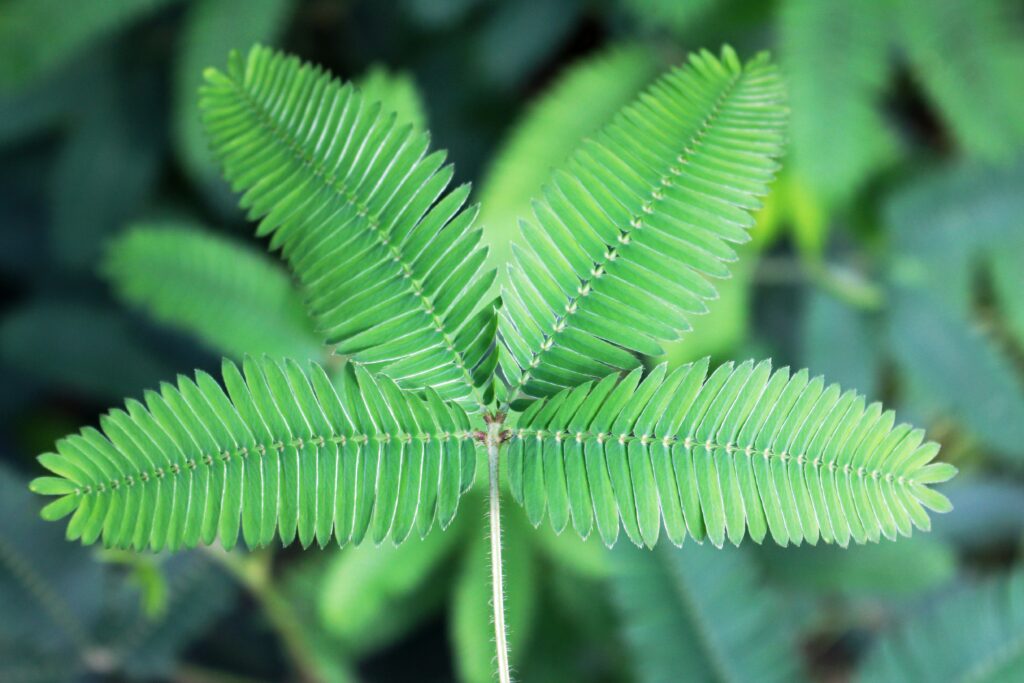
Mimosa pudica, often called the sensitive plant or shy plant, responds to touch with a rapid folding of its leaves. That movement can make a lush, open plant suddenly look wilted, reduced, or less rewarding to a herbivore. For an animal searching for easy food, that instant change may be enough to interrupt feeding or send it elsewhere. It is one of the most visually striking examples of movement as plant defense.
The speed of the response matters because it creates surprise. A leaf that vanishes from its original position is not behaving like expected prey. That disruption can reduce further nibbling, especially from insects or small herbivores that rely on texture and leaf exposure. Mimosa also shows that plant defense is not always about making tissue toxic. Sometimes a plant simply changes the visual and physical cues set around itself. Add in its ability to participate in chemical signaling under stress, and we find a species that combines motion, perception, and communication in a way that feels far more strategic than most people imagine.
Chili peppers
The heat in chili peppers is more than a culinary thrill. Capsaicinoids, the compounds responsible for that burning sensation, serve an important defensive role for the plant. They help suppress fungal growth, especially when insects puncture the fruit and create openings for infection. In that sense, the pepper’s fire is part antimicrobial shield and part selective filter, protecting the seeds from threats that could destroy them before they are dispersed.
This defense is especially fascinating because it does not affect every animal the same way. Mammals tend to find the burn unpleasant, which discourages chewing and seed destruction. Birds, on the other hand, are far less affected by capsaicin and can disperse seeds effectively. That creates a strong ecological advantage. The plant discourages the consumers most likely to damage the seeds while remaining compatible with dispersers that help reproduction. We often describe peppers as spicy food, but in evolutionary terms, they are targeted chemical weapons shaped by the needs of seed survival.
Foxgloves
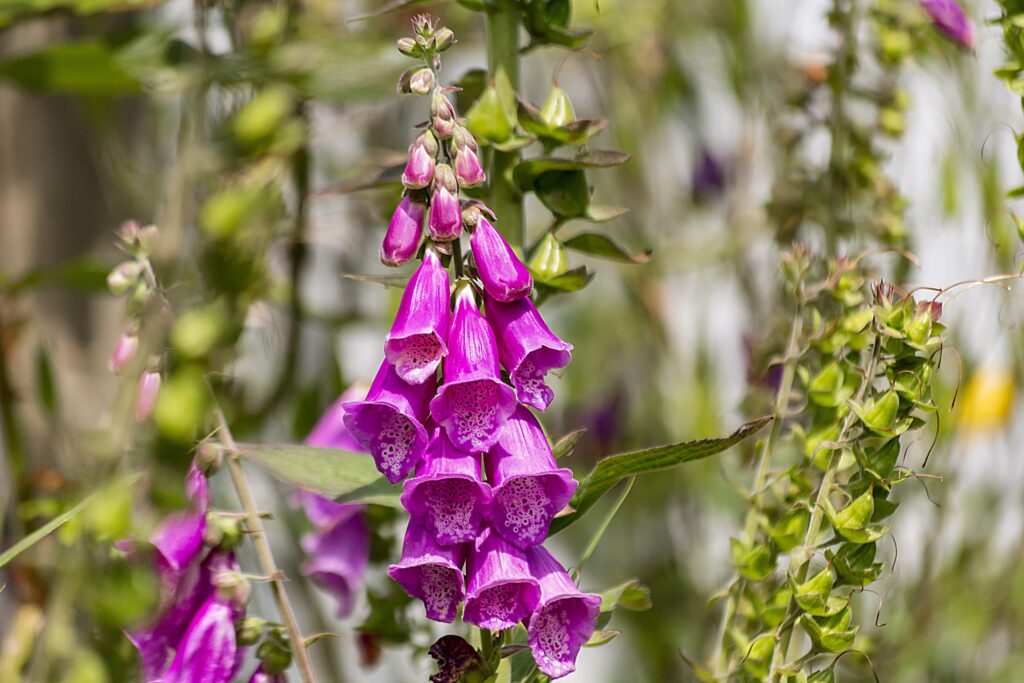
Foxgloves are beautiful, dramatic, and highly dangerous. Their tissues contain powerful cardiac glycosides that can cause severe poisoning if ingested in sufficient amounts. For a browsing animal, that makes foxglove a costly mistake. This is classic chemical defense at its most serious. The plant advertises beauty, but behind that beauty sits a chemistry designed to make feeding a bad decision.
Toxic defense is especially effective because it does not need to be universal to shape behavior. A few negative encounters across a population of herbivores can lead to widespread avoidance. Over time, animals learn to be cautious around plants that carry strong toxic signatures. Foxglove also illustrates an important truth about plant defenses. The same compounds that are dangerous in the wild can become medically valuable when carefully studied and properly dosed. Nature is full of chemicals that are defensive first and useful later. In foxglove, defense and medicinal properties reside within the same molecular family, which makes the plant both feared and respected.
Cassava
Cassava, also known as yuca in many food contexts, is one of the clearest examples of a plant using latent toxicity as defense. Its tissues contain cyanogenic compounds that can release hydrogen cyanide when the plant is damaged, and the right enzymes come into contact with them. For herbivores, that is a serious deterrent. The plant stores the toxic ingredients in a form that becomes more dangerous when the tissue is crushed, cut, or chewed.
That design is remarkably effective. The defense is tied directly to injury, so the act of feeding activates the system. Humans have learned to process cassava carefully by soaking, fermenting, drying, grating, and thoroughly cooking it to reduce the risk and make it safe to eat. But the need for processing tells us exactly how strong the plant’s natural defenses are. Cassava protects one of its most valuable assets, the starchy root, with chemistry powerful enough to demand respect from animals and humans alike. It is a staple crop, but it never stopped being a survivor.
Conclusion
The idea that plants are passive fades fast once we examine their defenses. Corn recruits killers. Lithops vanish into stone fields. Mimosa reacts in real time. Peppers burn. . Foxglove and cassava make feeding dangerous. Even familiar vegetables such as broccoli and potatoes carry chemical and structural defenses that reveal just how active plant survival can be.
The more closely we study them, the more plants resemble quiet strategists rather than silent scenery. They sense damage, alter chemistry, send signals, and protect their seeds with astonishing precision. That hidden sophistication is what makes plant defense such a compelling subject. Behind every leaf, root, berry, and flower, we find a survival story still unfolding.