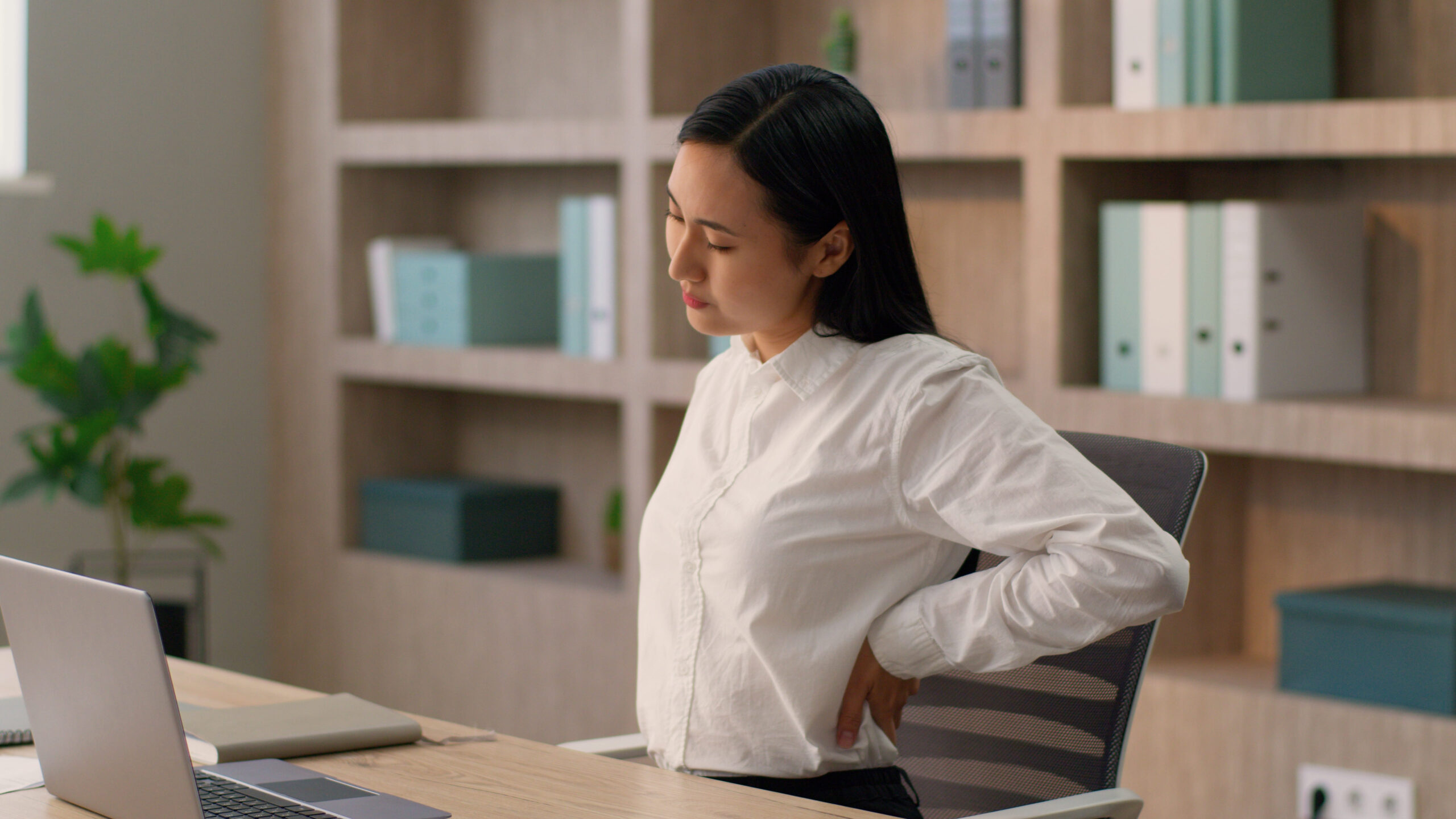
Meditation is often hailed as the go-to method for calming the mind, but for many people, sitting still in silence can feel more frustrating than relaxing. If you find it hard to quiet your thoughts or focus solely on your breath, you’re not alone. Thankfully, there are alternative calming habits that can be just as effective, if not more so, for reducing stress and promoting peace of mind. From gentle movement to sensory grounding techniques, these habits offer a more accessible, engaging way to restore balance in your life. Whether you’re looking for a quick stress relief solution or a more consistent routine, these calming practices might be just what you need.
Gentle Movement
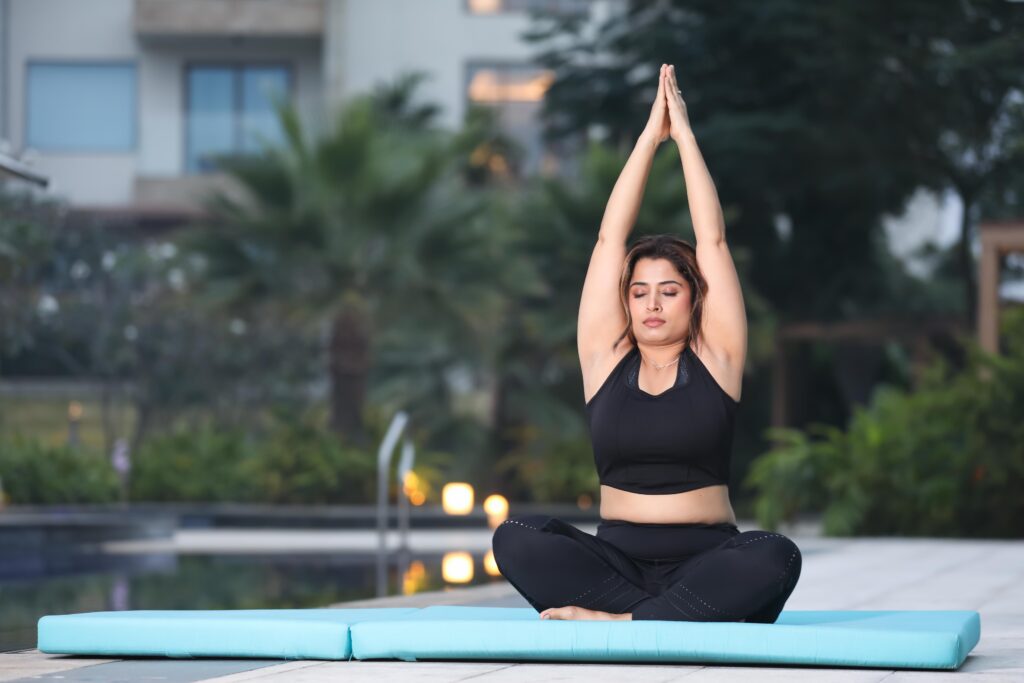
Instead of sitting still and focusing on your breath, gentle movement can help to relax your mind and body. Whether it’s yoga, tai chi, or even slow, deliberate stretching, gentle movement keeps your body engaged and your mind occupied. This rhythmic motion calms the nervous system, offering a break from overthinking and making it easier to let go of stress. For many people, movement allows them to feel more connected to the present moment without the pressure to “empty the mind.”
Grounding Techniques
Grounding exercises, like the well-known 5-4-3-2-1 method, help you connect with the here and now. By focusing on your senses and actively noticing what you can see, hear, touch, smell, and even taste, you draw your attention away from anxious thoughts. These techniques are incredibly helpful in moments of panic or overwhelming stress. By turning your focus outward and grounding yourself in the present, you allow your mind to calm without needing to clear it entirely.
Walking
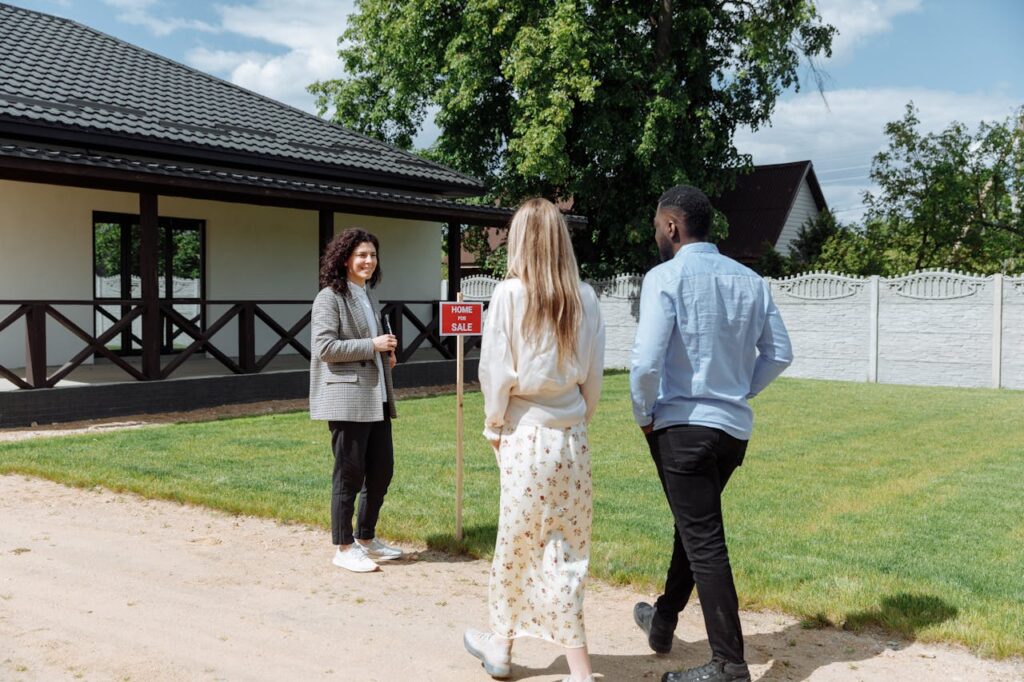
A simple walk can work wonders for calming your nerves. Walking outdoors, especially in nature, provides an opportunity to disconnect from daily distractions and reset. The steady rhythm of walking, combined with the soothing environment, calms the mind. Walking has a way of grounding you in the present, providing just the right balance of movement and mindfulness to ease stress. A “gratitude walk”where you consciously think about things you’re thankful for can amplify these calming effects, promoting positive emotions as you walk.
Progressive Muscle Relaxation

This technique involves deliberately tensing and releasing different muscle groups, starting with your toes and working your way up to your head. This practice helps you become aware of areas in your body where tension is stored, allowing you to release it more effectively. The focus required for each muscle group not only encourages relaxation but also helps shift your mind away from stress, making it a highly effective way to achieve mental and physical calm.
Hands-On Tasks
Sometimes the most effective way to calm your mind is to engage in simple, repetitive tasks. Whether it’s preparing a meal, tending to plants, cleaning, or organizing, these activities can provide a meditative-like effect. They require enough attention to engage your mind, but are easy enough not to add stress. The rhythmic nature of these tasks soothes anxiety by keeping the mind anchored in the present moment. Over time, these tasks help to reframe stress into a productive, calming routine.
Visualization
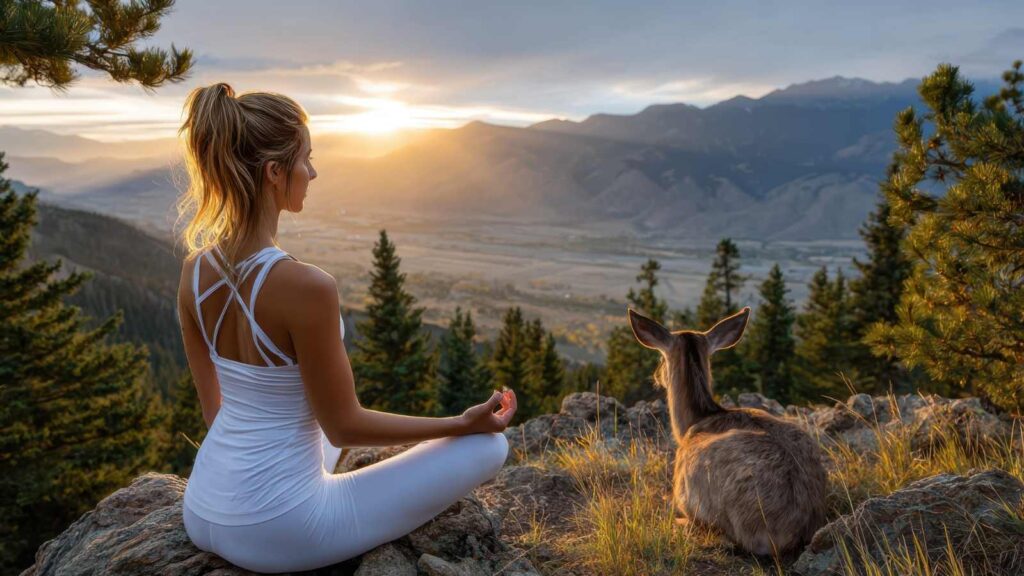
Visualization takes you beyond your physical surroundings and into a peaceful mental space. By imagining a tranquil place, whether it’s a quiet beach, a serene forest, or a cozy room, you activate your mind’s sensory experience of that setting. The more vividly you can picture it, the more effective the technique becomes. Visualization calms the mind by focusing on positive imagery, helping to alleviate tension and restore emotional balance. It’s an effective alternative when meditation’s focus on breath or silence feels too abstract or disconnected.
Conclusion
Meditation is a powerful tool, but it’s not for everyone. For some, sitting still and focusing on breath can heighten anxiety or make it more challenging to focus. These alternatives offer ways to calm the mind through different avenues, whether it’s movement, sensory engagement, or hands-on tasks. The beauty of these methods is that they work with the body’s natural rhythm and your brain’s need for focus, making them accessible for people who struggle with traditional meditation. Whether you prefer walking, relaxing muscles, or working with your hands, these habits help create mental clarity and emotional calm in a way that feels natural and intuitive.
Incorporating any of these techniques into your daily routine could offer a stress-free way to find peace, providing a simple yet effective path to relaxation.