Walking is one of the most natural things we do every day, but did you know that a few common mistakes could be slowly damaging your body? From the wrong shoes to poor posture, these everyday habits can lead to joint pain, back issues, and even injury.
Luckily, making small adjustments can make a huge difference in how you feel. Orthopedic doctors want you to stop making these mistakes—and we’re about to show you how!
Not Replacing Old Shoes When They’re Worn Out
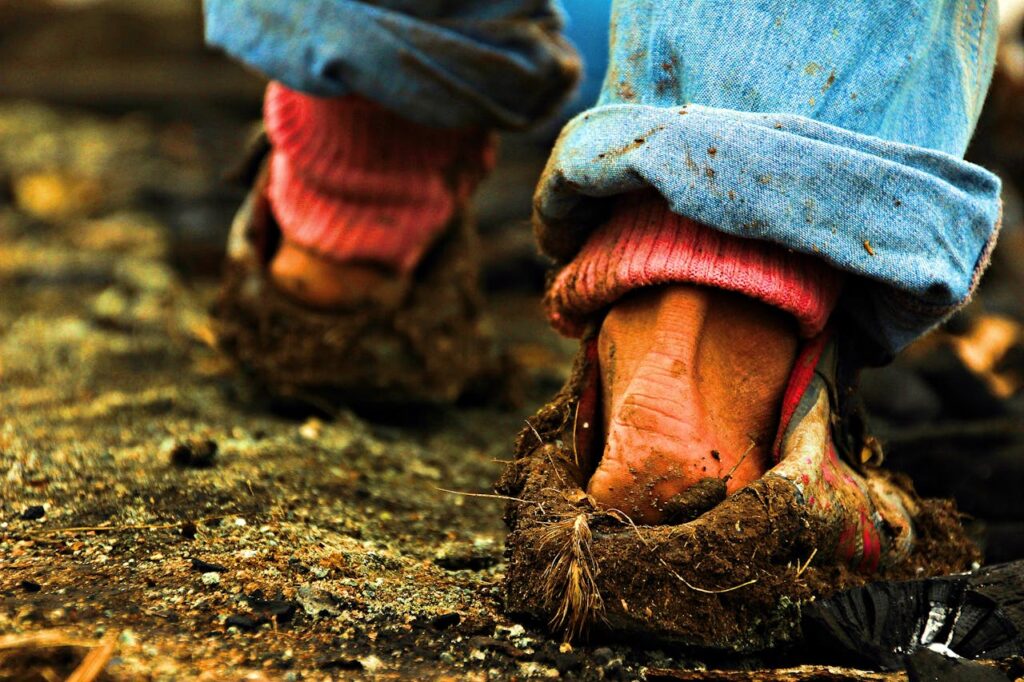
We’ve all been guilty of holding onto shoes just a little too long, but when the cushioning and arch support fade, your body starts feeling it.
Over time, worn-out shoes lose their ability to absorb shock, putting added stress on your joints. If your shoes are more worn than functional, it’s time to say goodbye and invest in a new pair that supports you every step of the way.
Wearing the Wrong Shoes
Your shoes might look great, but if they lack proper arch support or cushioning, you could be walking yourself into a world of pain. Orthopedic experts agree that footwear plays a huge role in your walking experience.
Without the right shoes, the impact from every step travels from your feet up to your knees, hips, and spine, causing unnecessary strain. Always go for shoes that offer proper support, cushioning, and stability—don’t let fashion get in the way of comfort!
Staring at the Ground Like It’s Your Destination

We’ve all caught ourselves looking down while walking, but keeping your head bowed for too long can wreak havoc on your neck and spine.
By constantly looking at the ground, you force your head and shoulders to collapse forward, leading to tension, discomfort, and even long-term neck pain. Instead, try to keep your gaze forward and maintain an upright posture—this simple change can dramatically improve your walking form.
Taking Strides That Are Too Long
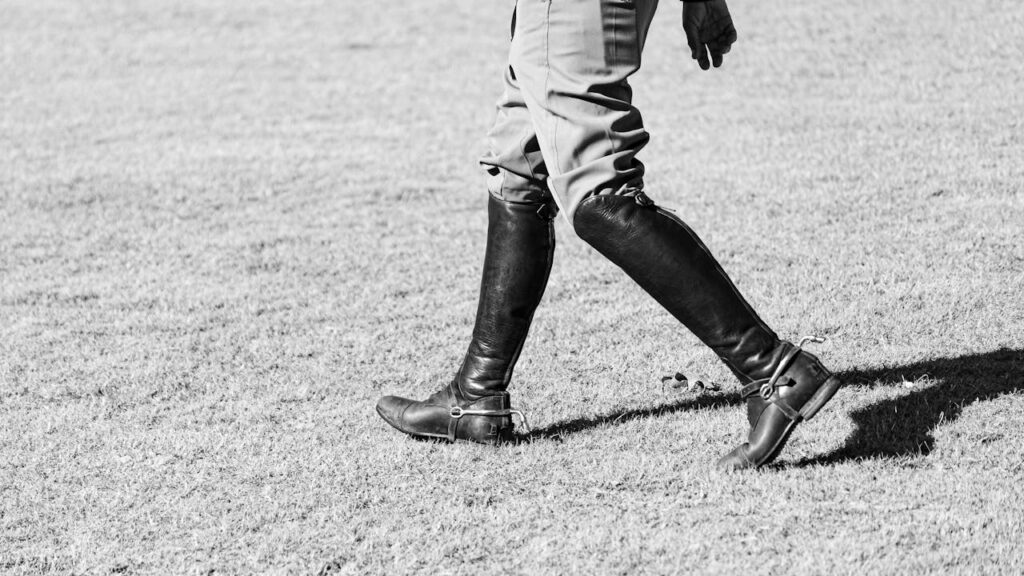
In an effort to get somewhere faster or appear more powerful, many people stretch their legs too far forward while walking. However, overstriding can throw off your body’s natural rhythm, creating added pressure on your knees and hips. Orthopedic doctors recommend a more natural stride, where your foot lands comfortably underneath you, not too far ahead. A quicker, more controlled walking pace will ease joint strain and leave you feeling less fatigued.
Slouching and Letting Your Posture Collapse
Poor posture doesn’t just make you look tired; it also makes your body work harder than it should. When you slouch, your lower back bears the weight that should be distributed through your core and legs.
This misalignment can lead to discomfort and long-term damage. Focus on keeping your shoulders back, your chest open, and your core engaged as you walk. A small effort to improve your posture can drastically reduce strain on your muscles and joints.
Ignoring Terrain and Walking Only on Hard Surfaces
Walking on hard surfaces like concrete may be convenient, but it’s also tough on your body. The impact from each step on hard ground reverberates through your joints, especially your knees and hips. Whenever possible, opt for softer terrain, such as grass or dirt paths.
These surfaces offer better cushioning and can give your body a much-needed break. Plus, walking outdoors on a varied surface can make your walk feel more rewarding.
Walking Too Fast Without Warming Up
We’ve all been there—rushing to finish a walk or workout and pushing ourselves harder than we should. But walking too quickly without giving your body a chance to warm up can lead to muscle strain or injury. Before you pick up the pace, take a few minutes to stretch and warm up your muscles.
Starting slow and gradually building up speed ensures your body stays flexible and ready for a longer, more enjoyable walk.
Forgetting to Hydrate During and After Your Walk

Hydration is key to keeping your body functioning properly, but many people forget to drink water before or during their walks.
Dehydration can lead to muscle cramps, fatigue, and even dizziness—especially on longer walks. Make sure to stay hydrated before you head out and carry water with you to sip along the way. Your body will thank you, and you’ll enjoy the walk more when you’re properly fueled.