Modern medicine often appears to be a triumph of laboratories, patents, and precision dosing, yet some of its most important therapies still trace back to fields, forests, and medicinal shrubs.
Plant chemistry has not been a side note in drug history; it has been a foundation. NIH-indexed research notes that entire classes of anticancer drugs in current use emerged from plant compounds, proving that the path from leaf or bark to prescription bottle is one of the defining stories in pharmacology.
What turns a plant into a medicine, though, is not folklore alone. It is the hard work of isolating active compounds, measuring reliable doses, refining toxic molecules, and proving benefit in clinical care.
That is why the plants below matter so much; they did not merely inspire remedies, they gave modern medicine compounds or precursors that became standardized drugs for cancer, malaria, heart disease, glaucoma, inflammation, poisoning, and the side effects of serious illness.
Willow Bark
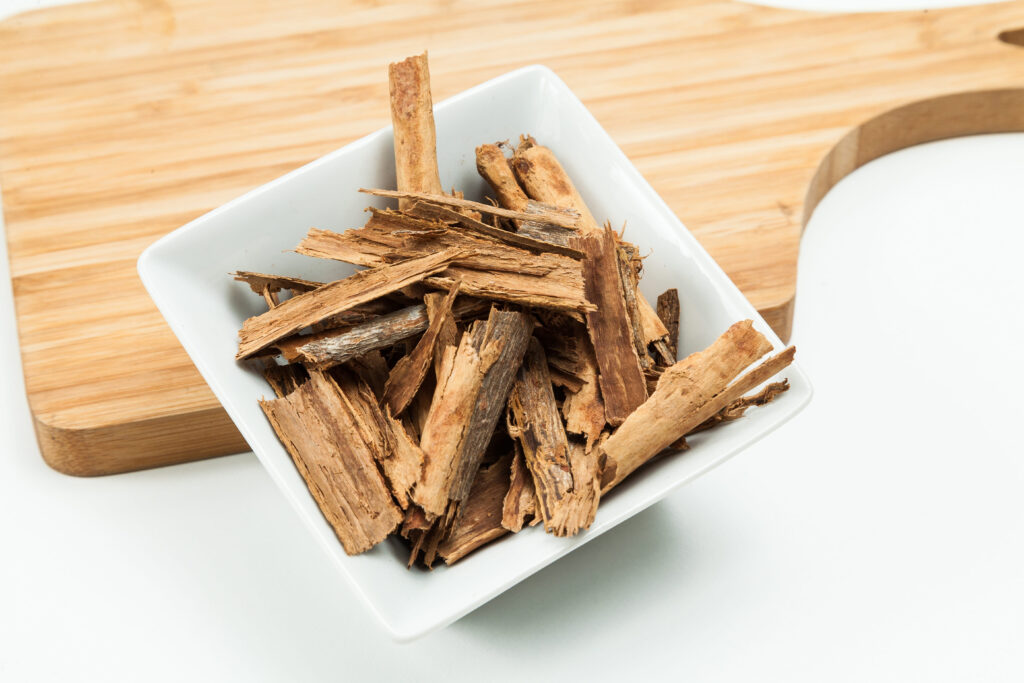
When we trace aspirin back to its roots, we arrive at willow. PubMed-indexed historical reviews describe a long association between willow, salicin, and the chemistry that led to acetylsalicylic acid, the drug we know as aspirin. That journey matters because aspirin did far more than become a common pain reliever; it also became a major cardiovascular drug.
The American Heart Association notes that aspirin is often part of treatment plans for people with a history of heart attack or stroke because it helps prevent blood clots from forming. In one line from tree bark to tablet, we can see how an old botanical remedy became one of the most influential medicines ever standardized.
Foxglove
Foxglove gave medicine one of cardiology’s most famous compounds, digoxin. NIH-indexed literature describes digoxin as a cardiac glycoside derived from foxglove, historically used for dropsy and still used to improve systolic function in heart failure while also helping manage atrial tachydysrhythmias.
MedlinePlus states simply that digoxin is used to treat heart failure and abnormal heart rhythms, helping the heart work better and controlling heart rate.
That mix of usefulness and danger is what has kept digoxin famous for centuries. It remains clinically important, but it also has a narrow therapeutic window that demands careful dosing. We are looking here at a plant gift that became a precision drug, not a casual herbal shortcut.
Cinchona Bark
Few plant drugs altered global survival as dramatically as quinine. Historical analysis in PMC shows that Cinchona bark was already widely accepted for treating intermittent fevers by the turn of the eighteenth and nineteenth centuries, and that quinine, isolated from bark, later became a more practical and more confidently dosed antimalarial.
MedlinePlus still lists quinine as a treatment for malaria and warns that it should not be used for nighttime leg cramps because of potentially serious adverse effects. That split between lifesaving value and real toxicity is exactly why quinine remains such an important chapter in drug history. It did not just soothe symptoms; it changed how physicians confronted one of humanity’s deadliest infectious diseases.
Meadow Saffron
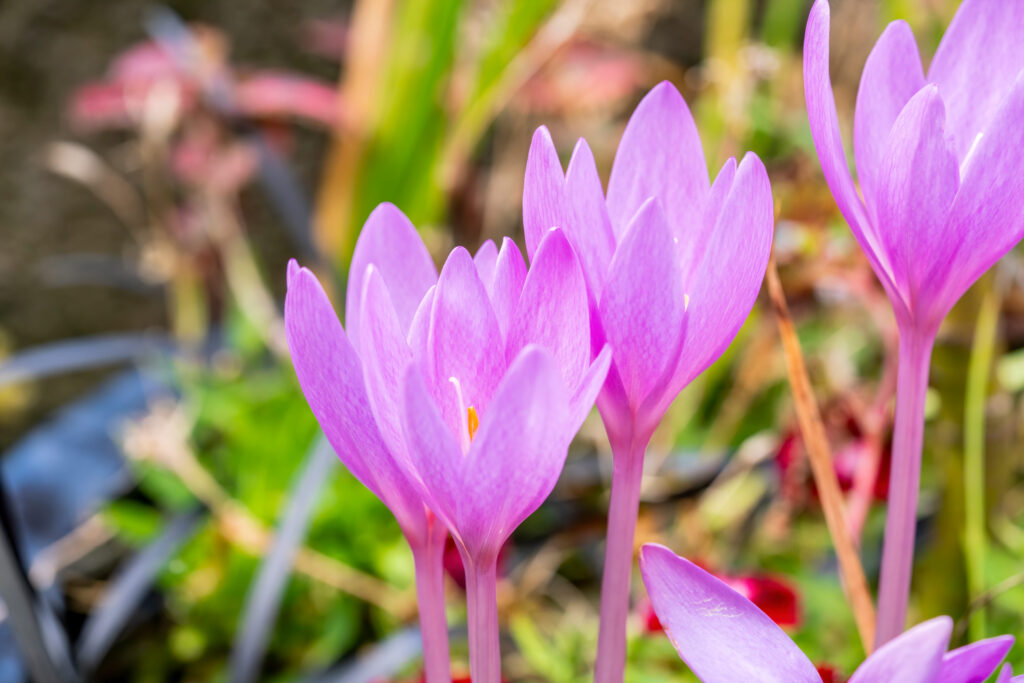
Meadow saffron, or Colchicum autumnale, gave us colchicine, one of the oldest drugs still woven into modern practice. A NIH-hosted review describes colchicine as a historic treatment for gout used for more than a millennium and identifies it as the treatment of choice for familial Mediterranean fever and its associated risk of amyloidosis.
Current DailyMed labeling also includes prophylaxis of gout flares and treatment of familial Mediterranean fever, showing that this ancient plant alkaloid remains clinically active in present-day medicine.
Colchicine’s endurance is remarkable because it has survived not as a curiosity but as a working drug, especially in inflammatory diseases. We do not often get such a clear line from an ancient manuscript to a modern label, but colchicine is one of those rare examples.
Deadly Nightshade
Deadly nightshade sounds like the name of a poison, and in raw form, that is exactly why it has long been feared. PMC and PubMed sources identify Atropa belladonna as a plant containing anticholinergic alkaloids such as atropine and scopolamine, while noting that crude belladonna has largely been replaced by more specific, less toxic compounds.
Atropine itself, however, remains highly valuable. DailyMed lists atropine injection for temporary blockade of severe or life-threatening muscarinic effects, including use as an antidote for organophosphorus, carbamate, or muscarinic mushroom poisoning, and for symptomatic bradycardia. This is the precise kind of transformation that defines modern pharmacology; we do not use the dangerous plant, we use the purified, dosed molecule that can save a patient in an emergency.
Jaborandi
Jaborandi gave ophthalmology one of its classic tools, pilocarpine. NIH-indexed research describes pilocarpine as an important alkaloid extracted from the leaves of Pilocarpus microphyllus, known in Brazil as jaborandi, and notes that it has been used mainly for the treatment of glaucoma.
Current DailyMed labeling remains clear on its role; pilocarpine ophthalmic solution is indicated for reducing elevated intraocular pressure in open-angle glaucoma or ocular hypertension and for the management of acute angle closure glaucoma.
That makes jaborandi more than a historical footnote. It stands as proof that a plant compound can remain relevant even after generations of pharmaceutical innovation, especially in a field where pressure control and rapid intervention can be the difference between vision preserved and vision lost.
Mayapple
Mayapple contributed one of the most important plant-linked pathways in cancer treatment. A NIH-hosted review explains that isolation of podophyllotoxin from the common mayapple ultimately led to the development of drugs used to treat testicular and small-cell lung cancer.
DailyMed currently lists etoposide capsules for first-line treatment, in combination with other approved chemotherapeutic agents, in small cell lung cancer. What makes this story especially important is that etoposide is not a folk remedy polished into a capsule; it is a sophisticated cancer drug whose lineage still points back to a woodland plant.
In oncology, that matters. It reminds us that some of our most serious therapies did not begin with synthetic libraries alone; they began with careful attention to what plants were already making.
Pacific Yew
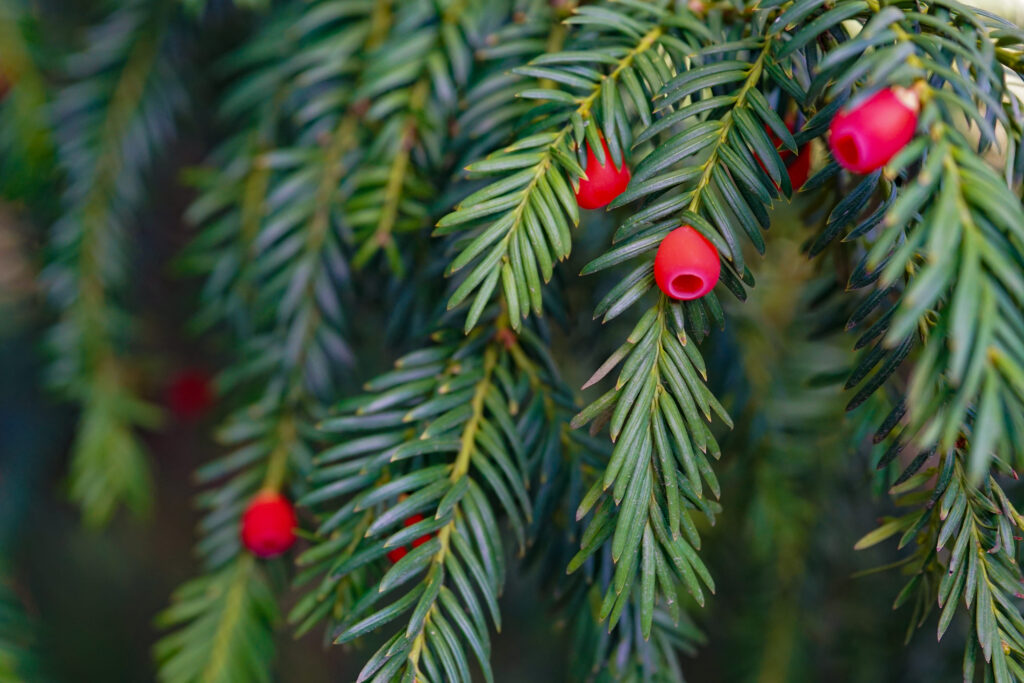
Paclitaxel is one of the clearest cases in which a tree changed cancer care. The National Cancer Institute describes paclitaxel as a cancer drug from the bark of the Pacific yew tree and highlights its role in expanding treatment options for breast and ovarian cancers.
MedlinePlus adds that paclitaxel is used to treat breast cancer, ovarian cancer, non-small cell lung cancer, and Kaposi’s sarcoma. The NCI account also makes another point that matters for drug history: harvesting enough bark was environmentally costly, so researchers had to solve production challenges through semisynthetic development.
That gives paclitaxel an even stronger place in this list. It was not only discovered in nature but also forced medicine to learn how to preserve both the drug’s potency and the living source from which it first emerged.
Madagascar Periwinkle
The Madagascar periwinkle gave oncology another major class of drugs, the vinca alkaloids. NIH-indexed sources describe these compounds as derived from Catharanthus roseus, with vincristine and vinblastine among the first-generation agents that helped define plant-based anticancer therapy.
MedlinePlus states that vincristine is used in combination with other chemotherapy drugs to treat certain leukemias, Hodgkin and non-Hodgkin lymphomas, Wilms tumor, neuroblastoma, and rhabdomyosarcoma, and that it works by slowing or stopping cancer cell growth. That is an extraordinary clinical reach for a molecule that began in a flowering plant.
When we consider childhood cancers and blood cancers in particular, vincristine’s legacy is hard to overstate. It is one of the strongest examples of a plant compound that moved from botanical curiosity to routine hospital medicine.
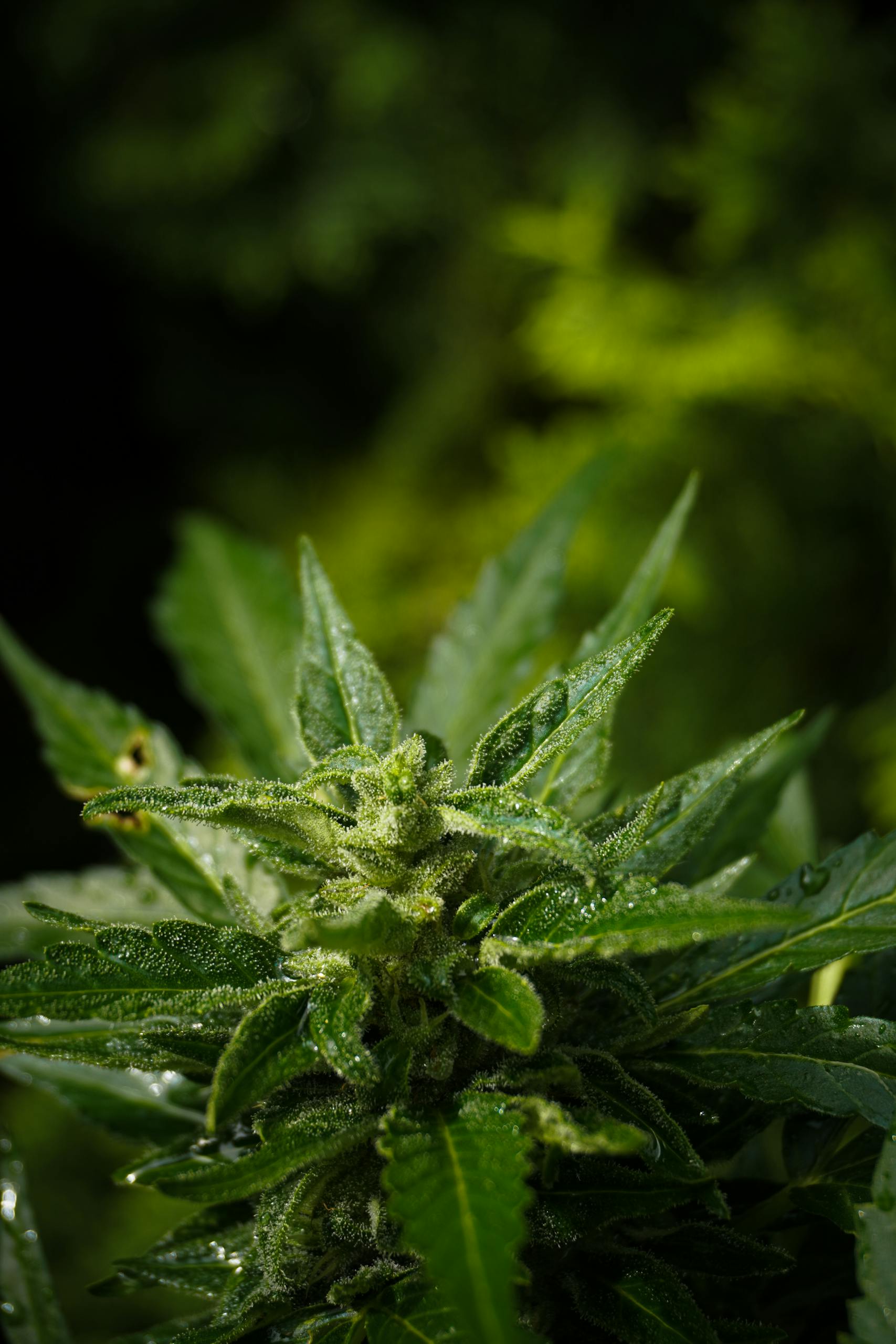
Cannabis sativa
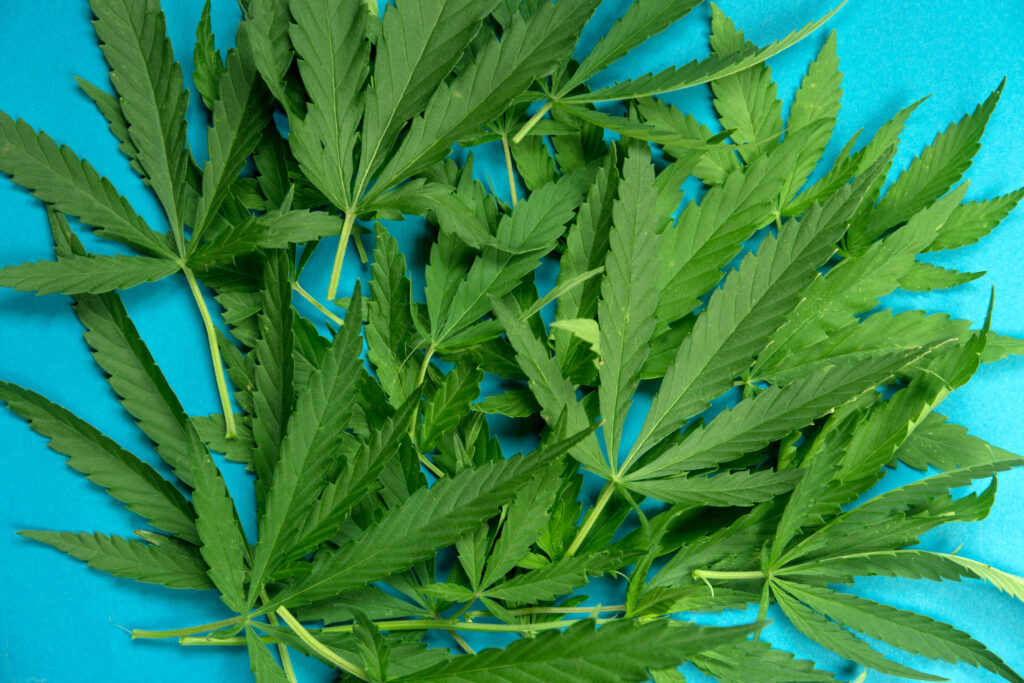
Cannabis has generated public argument for decades, but its pharmaceutical offspring has had a clear medical role for years. MedlinePlus states that dronabinol is used to treat nausea and vomiting caused by chemotherapy when other medications have not worked well, and is also used to treat loss of appetite and weight loss in people with AIDS.
DailyMed likewise lists anorexia associated with weight loss in patients with AIDS and chemotherapy-related nausea and vomiting as its indications. The important distinction is that dronabinol is a standardized cannabinoid medicine, not a vague borrowing from plant culture.
That difference matters because modern drug development depends on predictable dosing, labeled indications, and risk management. In this case, a controversial plant still yielded a useful medicine for some of the hardest symptoms patients can face.