Simple meals are supposed to save the day. They promise less stress, fewer ingredients, and a quick path from hunger to satisfaction. Yet somehow, the easiest dishes are often the ones that betray us with burnt onions, soggy pasta, bland sauces, and eggs that look like they lost a personal battle. Cooking simple food sounds easy until real life, impatience, and one wrong move turn dinner into a small kitchen disaster.
The truth is, simple meals leave very little room to hide. In a complicated dish, extra spices, sauces, and steps can cover mistakes. In a basic meal, every error stands out. A dry piece of chicken stays dry. Overcooked vegetables turn limp and sad. Too much salt can ruin the whole plate in seconds. Here are ten common things that can go wrong when cooking simple meals, and why these tiny mistakes can make a big difference.
You Turn the Heat Too High Too Fast
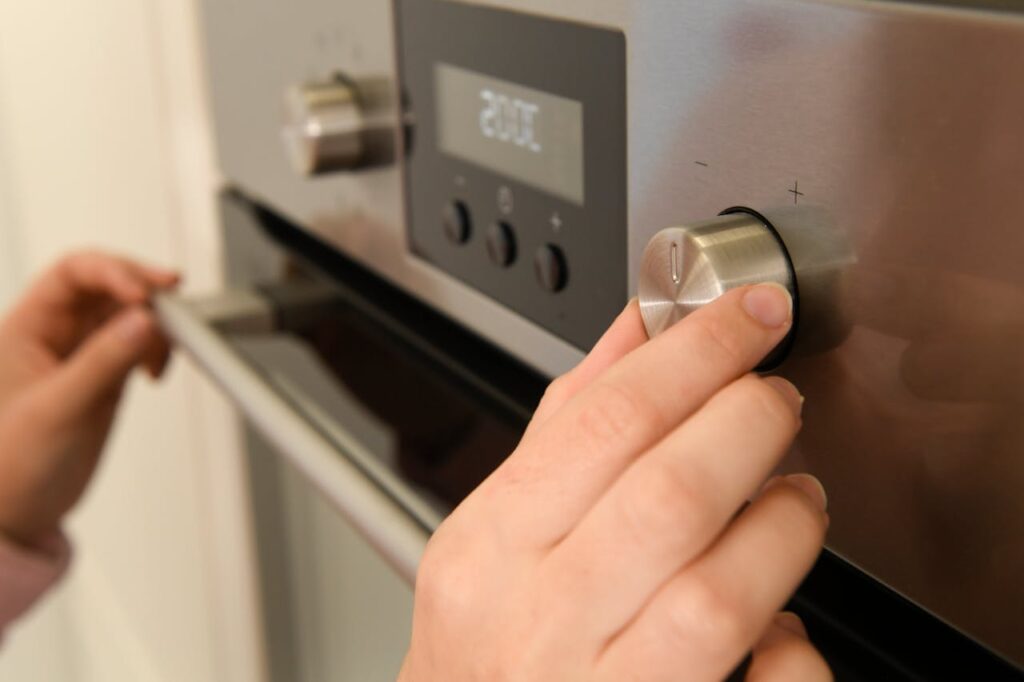
This is one of the oldest kitchen mistakes, and it happens because people want food quickly. High heat feels like confidence, like control, like dinner will be ready in half the time. What actually happens is far less glamorous. The outside burns before the inside cooks, garlic goes from fragrant to bitter in moments, and oil starts smoking like it is filing a complaint.
Simple meals need balance more than force. A grilled cheese on aggressive heat will blacken before the cheese melts. Fried eggs can end up with rubbery whites and raw tops. Rice can scorch at the bottom while the rest stays underdone. Fast heat often creates the illusion of progress, but it usually creates a bigger mess and a harder cleanup.
You Season Too Late or Not Enough
A lot of people fear salt as if a single pinch will ruin the meal. So they hold back, wait until the end, and hope a last-minute sprinkle will magically fix everything. It rarely does. Food needs seasoning throughout the cooking process so the flavor can build rather than sit awkwardly on top.
Simple meals suffer the most from weak seasoning because there is nowhere for blandness to hide. A plain tomato sauce without enough salt tastes flat. Scrambled eggs without seasoning can feel strangely dull no matter how soft they are. Roasted potatoes without proper seasoning are just hot chunks of missed opportunity. The difference between delicious and disappointing is often not skill, but courage with seasoning.
You Overcrowd the Pan
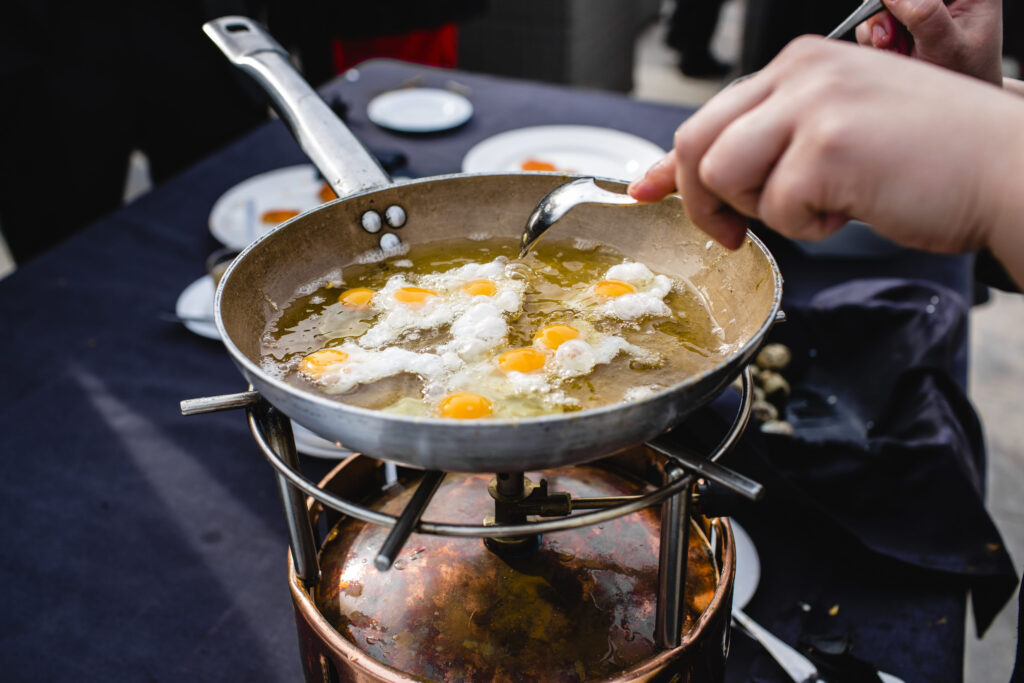
A crowded pan is the quiet villain of many simple dinners. People pile in chicken, vegetables, potatoes, or dumplings because they want everything cooked at once. It seems efficient, but the pan has other plans. Instead of browning, the food starts steaming in its own moisture, leading to pale surfaces, a mushy texture, and sad garnish.
Simple meals depend heavily on texture. A good stir-fry needs crisp edges. A pan of vegetables should have color and bite. Potatoes should roast, not sweat. When the pan is overloaded, you lose the caramelization that gives simple food its magic. The result tastes less like something cooked with care and more like something that gave up halfway through.
You Do Not Prep Before You Start
Simple meals move fast. That is the beauty of them, but it is also the trap. Many people start cooking first, then chop onions, look for salt, open cans, and hunt for that missing spoon, which has vanished into another dimension. By then, the oil is too hot, the garlic is burning, and the kitchen has entered a state of mild panic.
Preparation does not need to be fancy. It just needs to exist. When ingredients are ready before the heat goes on, everything feels calmer and more controlled. Without that small effort, simple meals can spiral out of control fast. A recipe that should take fifteen minutes suddenly becomes a race between burning food and bad decisions.
You Ignore the Power of Timing
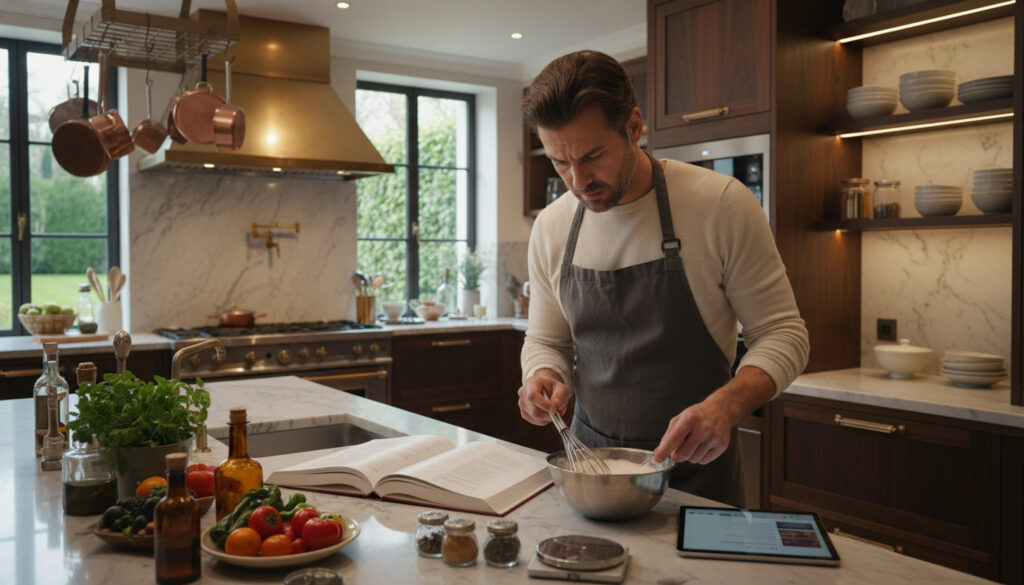
Good cooking is often less about talent and more about timing. Even a simple pasta dish can fall apart if the sauce is ready too early, the pasta sits too long, or the vegetables go in at the wrong moment. Timing matters because not every ingredient cooks at the same pace, and simple meals do not give you many second chances.
Soft vegetables can become mush within minutes. Pasta can go from perfectly tender to overcooked before you finish setting the table. Toast can leap from golden to tragic while you glance at your phone. The meal may still be edible, but it loses the texture and freshness that make simple food feel satisfying. Timing is the invisible thread holding everything together.
You Rely Too Much on Guesswork
There is a charming kind of cooking confidence that says, “I will just eyeball it.” Sometimes that works beautifully. Other times, it creates chaos in a frying pan. Too much liquid waters down the sauce. Too little oil causes sticking. A heavy hand with chili flakes turns a gentle dinner into a punishment.
Simple meals especially punish wild guessing because the ingredient list is short. If a soup has only a few core ingredients, getting one of them wrong changes everything. If pancake batter is too thick or too thin, the whole batch tells on you immediately. Guesswork can feel bold, but simple meals usually reward attention more than swagger.
You Overcook the Protein

Few things ruin a simple meal faster than dry protein. Chicken breast becomes stringy, fish falls apart, shrimp turns rubbery, and even eggs can lose all their softness if left on the heat too long. This happens often because people are afraid of undercooking, so they push everything a little further, just to be safe. That little extra time is often where the damage happens.
Simple meals depend on moisture and tenderness. A basic chicken-and-rice plate can feel comforting and delicious, but only if the chicken stays juicy. A quick salmon dinner only works when the fish is still delicate inside. Once the protein dries out, the whole plate feels tired. No amount of sauce can fully rescue meat or eggs that have been cooked into submission.
You Forget to Taste as You Go
Cooking without tasting is like writing a speech and never reading it out loud. You may think everything is fine, but the final result can reveal all kinds of problems too late. A sauce may need acid. A soup may need more salt. A sautéed dish may need a bit of pepper or a touch of butter to feel complete.
Simple meals need frequent checking because tiny changes matter. One squeeze of lemon can wake up a dull dish. One pinch of salt can pull everything into focus. Tasting as you go helps you catch mistakes before they become permanent. Skipping that step leaves you hoping for the best, and hope is not always a reliable seasoning.
You Choose Convenience Over Attention
A simple meal can still go wrong when you treat it like an afterthought. Cooking while scrolling, answering calls, watching television, and half-listening to someone talk about their day is a dangerous combination. The meal may be simple, but the stove still demands respect. Distraction is how butter burns, water boils over, and onions cross the line from golden to ruined.
The biggest myth about simple meals is that they do not need focus. In reality, they need just enough care to stay on track. Five distracted minutes can undo the whole thing. A meal does not have to be fancy to deserve your attention. In fact, simple food often asks for more presence because it depends on small details done well.
You Expect Simple to Mean Foolproof
This may be the biggest mistake of all. People hear “simple meal” and assume success is guaranteed. That mindset makes them careless. They skip instructions, rush steps, ignore measurements, and assume basic food will somehow save itself. It will not. Simplicity is not the same thing as immunity from error.
A simple meal is often a test of fundamentals. Can you control heat, season properly, time ingredients well, and notice when something needs adjustment? Those are real skills. When simple meals go wrong, it is usually because the cook underestimated them. The irony is almost cruel. The dish looked easy, and that is exactly why it fell apart.