We often overlook the legal implications of seemingly innocent actions. From enjoying a morning coffee at a café to managing your online digital footprint, certain everyday behaviors could land you in hot water without you even realizing it. Here’s a closer look at 11 common activities that may not be as harmless as they appear.
Using Public Wi-Fi Without Permission

It’s convenient to jump onto an open Wi-Fi network while you’re out and about, but did you know that using someone else’s unsecured internet connection can be considered theft of services? In some jurisdictions, this act is classified as unauthorized access and may carry hefty fines or even criminal charges. If you’re tempted to hop on a free Wi-Fi connection, it’s always safest to ask for permission or use a personal hotspot instead.
Collecting Rainwater Without Authorization
It might sound bizarre, but in some regions, collecting rainwater on your property is illegal. Water rights are regulated, and without the proper permits, harvesting rainwater can disrupt local ecosystems or violate state laws. Before setting up a rainwater collection system, check the rules in your area to avoid potential fines.
Jaywalking
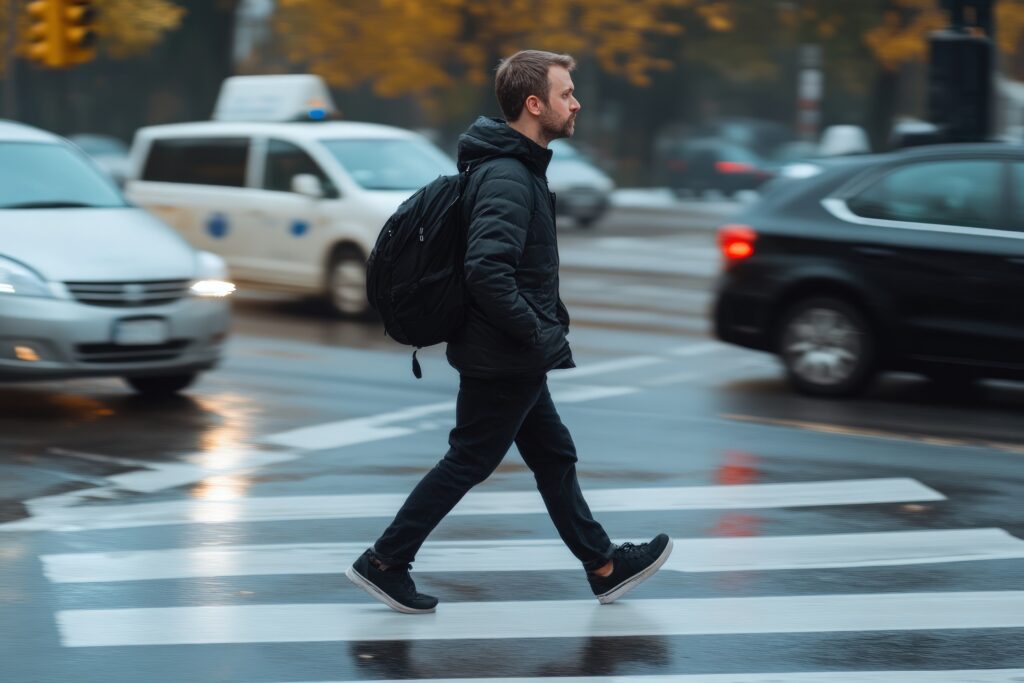
We’ve all crossed the street when there’s no crosswalk in sight, but this seemingly minor infraction can actually lead to fines in many cities. Jaywalking laws exist to protect pedestrians and ensure smooth traffic flow. In California, one of the strictest jaywalking laws in the country was recently repealed, allowing more freedom to cross the street, but not everywhere is this lenient. Always keep an eye on the pedestrian signals and use marked crossings.
Using a Fake Name Online
Creating a pseudonym for online activities might feel like a way to safeguard your privacy, but it can cross into illegal territory when used for fraud. Creating a fake account to impersonate someone else or deceive others can lead to charges of identity theft or misrepresentation. In the age of digital anonymity, it’s crucial to stay on the right side of the law when it comes to online identity.
Sharing Your Streaming Service Passwords

In a world where streaming services dominate, sharing your Netflix or Hulu password with friends or family might seem harmless. However, this often violates the terms of service of these platforms, leading to account suspensions or even legal action. So, as tempting as it might be to share your login credentials, you might want to think twice before doing so.
Downloading Music or Videos Without Paying
Although downloading copyrighted music or videos for free is widely practiced, it remains a form of piracy and is illegal in most countries. Services like Napster and LimeWire were notorious for facilitating illegal downloads, but the issue of digital piracy remains. Infringement of copyright affects creators and distributors who rely on sales and royalties for their livelihoods. Support the entertainment industry by using legitimate channels for your digital content.
Disposing of Electronics in the Trash

Throwing away your old phone or laptop in the trash is not only wasteful but could also be illegal. Many countries have strict e-waste disposal regulations due to the harmful substances found in electronics, like mercury and lead. These materials can pollute landfills and contaminate the environment, posing serious health risks. Instead, find local recycling programs to properly dispose of old devices.
Singing Copyrighted Songs in Public
The simple act of singing a copyrighted song in public could get you in trouble if you don’t have permission. While “Happy Birthday” was once restricted, it’s no longer subject to copyright rules. However, performing other popular songs in public or at private events without proper licenses can result in hefty fines for copyright infringement.
Taking Photos of Certain Public Buildings or Infrastructure
While snapping a photo in front of a famous landmark is usually fine, photographing certain public buildings, military sites, or government infrastructure can be illegal. In some countries, this is considered a security breach, especially if you’re near sensitive areas. Make sure you check local regulations before you click away, especially near government buildings or military bases.
Eating or Drinking While Driving

Although it might seem like a minor distraction, eating or drinking behind the wheel is illegal in certain places due to the potential for distracted driving. Consuming food or beverages while driving can impair your attention, increasing the risk of accidents. If you’re planning a long road trip, save the snacks for when you stop at a rest area to avoid penalties and ensure safety on the road.
Removing Tags from Mattresses
While it’s perfectly fine for you to remove the tags from your mattress once it’s in your home, did you know that removing them as a seller can be illegal? These tags contain important information, including safety standards and material contents, and are regulated by law. Manufacturers and sellers who remove these tags face fines and legal consequences.