The thyroid gland plays a crucial role in regulating your body’s metabolism, energy levels, and overall health. When it is out of balance, it can lead to various troubling symptoms such as unexplained weight gain, fatigue, hair loss, and even mood changes.
Despite its importance, many people remain unaware of their thyroid issues due to subtle and sometimes misleading symptoms. Understanding how to maintain a healthy thyroid and recognizing early signs of imbalance can significantly improve your quality of life.
In this article, we’ll explore 10 key tips to support thyroid health, prevent thyroid-related illnesses, and enhance your overall well-being.
Keep Track of Your Symptoms

Thyroid disorders often manifest in a variety of ways, from exhaustion to weight fluctuations and even mental fog. It’s easy to overlook these signs as unrelated to thyroid health. The best way to address these concerns is to closely monitor your symptoms. Whether it’s feeling constantly tired or noticing hair thinning, tracking these changes can help identify patterns that may point to thyroid dysfunction. Make a list of persistent symptoms and discuss them with your healthcare provider to facilitate early diagnosis and treatment.
Get a Full Thyroid Screening
Routine blood tests may not cover all the essential thyroid hormones. To get an accurate assessment of your thyroid health, request a comprehensive thyroid panel during your next medical appointment. This test can measure hormone levels such as TSH, T3, and T4, providing a clearer picture of how well your thyroid is functioning. If you’re experiencing unexplained symptoms, ask your doctor to ensure all thyroid-related markers are included in your screenings.
Embrace Detox Practices

A detox can support thyroid health by eliminating toxins from your diet and environment. Common thyroid disruptors include processed foods, refined sugars, and dairy products. Consider adopting a detox plan that eliminates these harmful substances for a period of time. This approach helps restore balance to your endocrine system, allowing your thyroid to function more effectively. Incorporating whole foods, such as fruits, vegetables, and organic proteins, can significantly support thyroid function.
Engage in Regular, Low-Impact Exercise
Physical activity is one of the most effective ways to support your thyroid. While any exercise is beneficial, low-impact activities like yoga, swimming, and walking, when paired with weight training, offer the greatest benefits for balancing hormones. Regular exercise helps regulate metabolism, support energy levels, and improve overall health. Try incorporating at least 30 minutes of low-impact exercise into your routine several times a week to keep your thyroid functioning optimally.
Reduce Gluten Intake
Gluten can interfere with thyroid health, especially for those with autoimmune thyroid conditions like Hashimoto’s disease. While not everyone needs to eliminate gluten, it may be beneficial to remove it from your diet temporarily to see if it improves your symptoms. After a few weeks, assess how you feel and decide whether gluten is a contributing factor to your thyroid issues. Reducing gluten intake may help minimize inflammation and hormone disruption, offering relief for some individuals.
Incorporate Sea Vegetables in Your Diet

Iodine is essential for proper thyroid function, and one of the best sources of iodine is sea vegetables like kelp, dulse, and nori. These nutrient-packed foods not only support thyroid health but also provide a range of essential minerals. Aim to include at least three to four servings of sea vegetables in your weekly diet. Whether in soups, salads, or as a supplement, these foods are a tasty way to ensure your thyroid receives the iodine it needs.
Boost Selenium Intake
Selenium is another crucial nutrient that supports thyroid health. It plays a key role in the activation of thyroid hormones and may help protect the thyroid from oxidative stress. One of the best sources of selenium is Brazil nuts. Just three to five nuts per day provide the recommended daily intake of selenium. Including these in your diet can significantly improve thyroid function and overall wellness.
Avoid Mercury-Rich Fish
Mercury is a potent hormone disruptor that can impair thyroid function. While fatty fish are often promoted as health foods, some varieties, such as mackerel, swordfish, and tuna, contain high levels of mercury. Opt for safer fish options like trout, grouper, and salmon, which are lower in mercury and still provide essential nutrients, such as omega-3 fatty acids. Limiting your exposure to mercury helps protect thyroid health and prevents hormonal imbalance.
Enjoy Cruciferous Vegetables
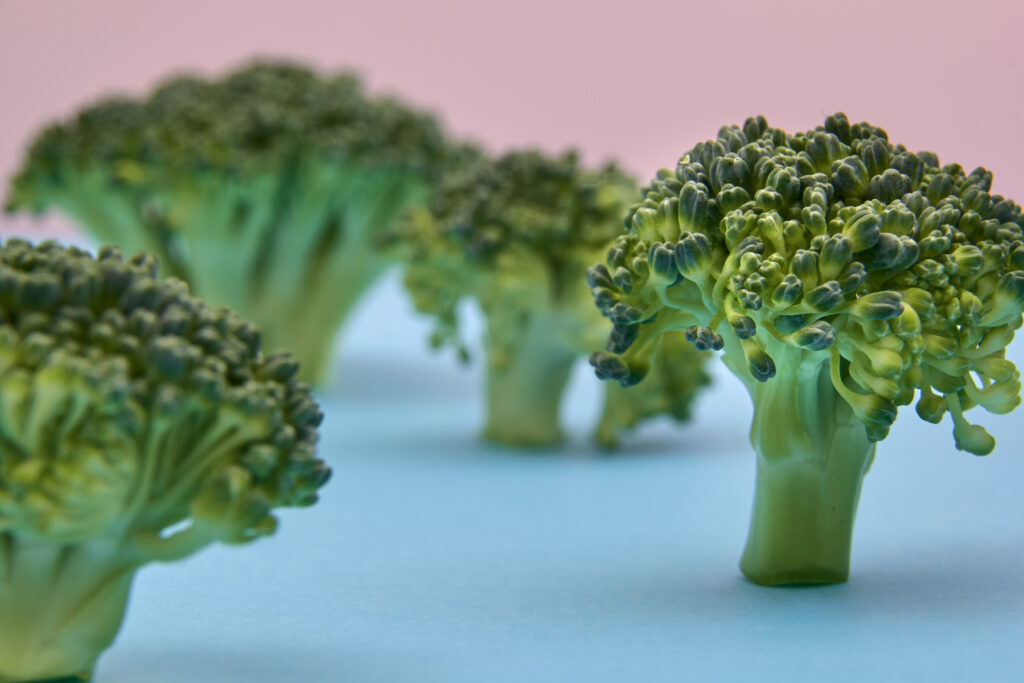
Cruciferous vegetables, such as broccoli, cauliflower, and kale, are packed with vitamins, minerals, and antioxidants that support thyroid function. However, these vegetables contain goitrogens, which can interfere with iodine absorption when consumed in large quantities. Steaming cruciferous vegetables reduces their goitrogenic effects, making them safer for thyroid health. Incorporating a variety of these vegetables into your diet can provide numerous health benefits while supporting hormone regulation.
Limit Alcohol Consumption
Alcohol can disrupt the thyroid’s ability to produce and regulate hormones effectively. While an occasional drink may not have a significant impact, frequent or excessive alcohol consumption can impair thyroid function and exacerbate symptoms like fatigue, weight gain, and mood swings. To support thyroid health, try limiting alcohol intake to occasional indulgences, ensuring that you don’t overtax your endocrine system. Reducing alcohol consumption can improve hormonal balance and overall health.