Brown rice has long been hailed as a healthier alternative to white rice, thanks to its higher fiber content and nutrient profile. While it is undoubtedly nutritious, eating it every day might not be as beneficial as it seems. While moderation is key, consuming brown rice daily can pose several health risks. Here’s what you need to know before making it a staple in your daily meals.
Digestive Discomfort

Brown rice is a whole grain, and with it comes a high amount of fiber, which is usually beneficial for digestion. However, when consumed in large quantities every day, it can cause discomfort, especially if your body is not accustomed to a high-fiber diet. Some people may experience bloating, gas, and even constipation. Over time, this can lead to more serious digestive issues if not properly balanced with other foods.
Phytic Acid Interference
While brown rice is a healthy source of many minerals, it also contains phytic acid, which can interfere with the absorption of essential nutrients such as zinc, iron, and calcium. If you eat brown rice every day, you might unknowingly block the absorption of these vital minerals, which are critical for immune function, bone health, and overall well-being. Over time, this could lead to deficiencies that may compromise your health.
Possible Weight Gain

Although brown rice can help you feel full due to its fiber content, consuming it in large portions every day could contribute to overeating. This is particularly true if you don’t account for its calorie content in your overall daily intake. Eating more calories than your body needs, regardless of the source, can lead to weight gain. Additionally, regular brown rice consumption without sufficient variety in your diet could lead to a lack of essential nutrients from other food sources, further affecting your metabolism and weight management.
Reduced Nutrient Absorption
Brown rice is a source of several vitamins and minerals, including B vitamins, magnesium, and manganese. However, consuming it daily could reduce your ability to absorb other nutrients from a well-rounded diet. The high fiber content, while beneficial, can bind to certain nutrients, preventing them from being fully absorbed by your body. For example, the fiber in brown rice can interfere with the absorption of fat-soluble vitamins like vitamin D and vitamin A, making it important to ensure variety in your diet to prevent nutrient imbalances.
High Glycemic Index
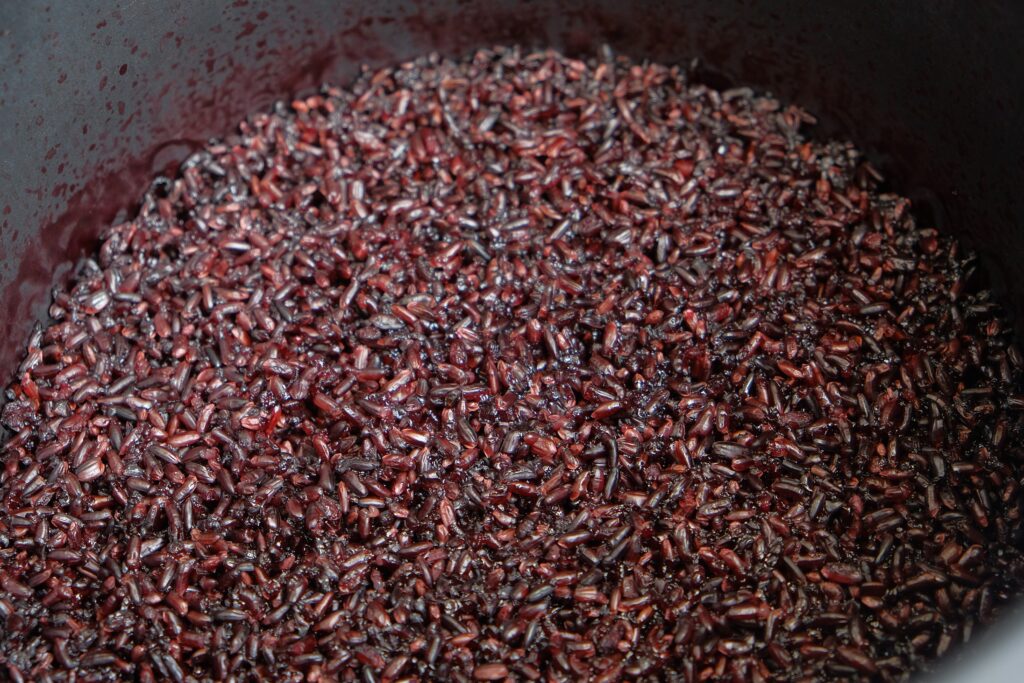
Although brown rice is a whole grain, it has a relatively high glycemic index (GI). The GI measures how quickly a food raises your blood sugar after you eat it. Foods with a high GI can cause spikes in blood sugar, which is problematic for individuals with diabetes or insulin resistance. Consuming brown rice every day could lead to frequent blood sugar fluctuations, making it more difficult to manage conditions like diabetes or to maintain a steady energy level throughout the day.
Arsenic Accumulation in the Body
Arsenic isn’t something that leaves the body quickly. If you regularly consume brown rice, the arsenic it contains can build up over time. Studies have shown that long-term exposure to arsenic, even at low levels, can lead to significant health risks, such as kidney damage, respiratory issues, and even cancer. Eating brown rice every day could expose you to this risk, especially if you’re not balancing it with other grains that have lower arsenic content.
Increased Risk of Inflammation

Inflammation in the body is linked to many chronic diseases, including heart disease, diabetes, and arthritis. While some whole grains, like brown rice, have anti-inflammatory properties, consuming them in excess can have the opposite effect. The high fiber and anti-nutrient content of brown rice may trigger inflammation in some individuals, especially those with pre-existing inflammatory conditions. Over time, this could worsen symptoms or lead to new health complications.
Conclusion
While brown rice is a nutritious choice when consumed in moderation, eating it daily can pose several health risks. From increased arsenic exposure to digestive discomfort and nutrient imbalances, it’s essential to diversify your grain intake and include a variety of other nutrient-rich foods in your diet. By doing so, you can still reap the benefits of brown rice while avoiding the potential downsides of overconsumption. Remember, balance is key to a healthy, sustainable diet.