We often think of contagion in terms of obvious illnesses like the flu, COVID-19, or lice. But there are far stranger, less obvious things that can spread from person to person. These range from emotional states to bodily functions and bacteria that we rarely think about. Here, we explore ten surprising things that you can catch from others, and not all of them are transmitted through coughing or sneezing.
Heart disease risk

Heart disease has long been considered a result of genetics, lifestyle, and diet. But now, growing research suggests that it can be influenced by something more subtle: the microbiome. This refers to the complex community of microbes living in our digestive systems. When shared between individuals, these microbes, particularly those associated with inflammation and metabolic disruption, can alter our risk for conditions like heart disease. It turns out your gut health could be just as important as your family history for your cardiovascular health.
Cancer
While cancer is not a disease that spreads through casual contact, there have been rare instances where it has been transmitted. One of the most shocking examples occurred when an organ donor with undiagnosed breast cancer passed on the disease to four recipients. These cases are rare and typically involve people with compromised immune systems. Nonetheless, they demonstrate that cancer can, under specific circumstances, be transmitted from one person to another.
Loneliness

Loneliness is contagious, and it’s not just about people physically isolating themselves. Studies have shown that loneliness can actually spread among social groups, even before complete isolation occurs. People begin to feel isolated while still engaging with friends or family, and these feelings spread, creating a ripple effect that can affect everyone involved. What’s even more surprising is that loneliness spreads faster among friends than family members, and women tend to be more affected by it than men.
A common virus may help raise blood pressure.
High blood pressure is traditionally linked to diet, stress, and genetics. However, research has found that certain viruses, such as cytomegalovirus (CMV), may also contribute to elevated blood pressure. CMV is a common virus that remains in the body for life, and studies have shown that it can affect blood pressure. Though still under study, this viral link suggests that your blood pressure might not only be determined by what you eat, but also by viruses that remain dormant in your body.
Ulcers

The common belief is that ulcers are caused by stress or eating spicy foods. However, the real culprit is a bacterium called Helicobacter pylori, which is spread from person to person through oral and fecal routes. This bacterium lives in the stomach lining, and while many people carry it without symptoms, it can cause ulcers in some individuals. So, that annoying stomach pain could actually be the result of a bacterial infection passed on through close contact, not just the stress of your daily grind.
Goals can be contagious before anyone says a word.
It turns out, we may adopt goals simply by interacting with others. This phenomenon, called “goal contagion,” happens when we unconsciously pick up on the goals or intentions of those around us, even if they haven’t explicitly stated them. If you’re with someone who is determined to relax, their behavior and body language will likely encourage you to adopt a similar mindset. Conversely, if someone is in a hurry to leave a social event, you may feel the urge to follow their lead, even without them directly asking you to.
Feeling cold
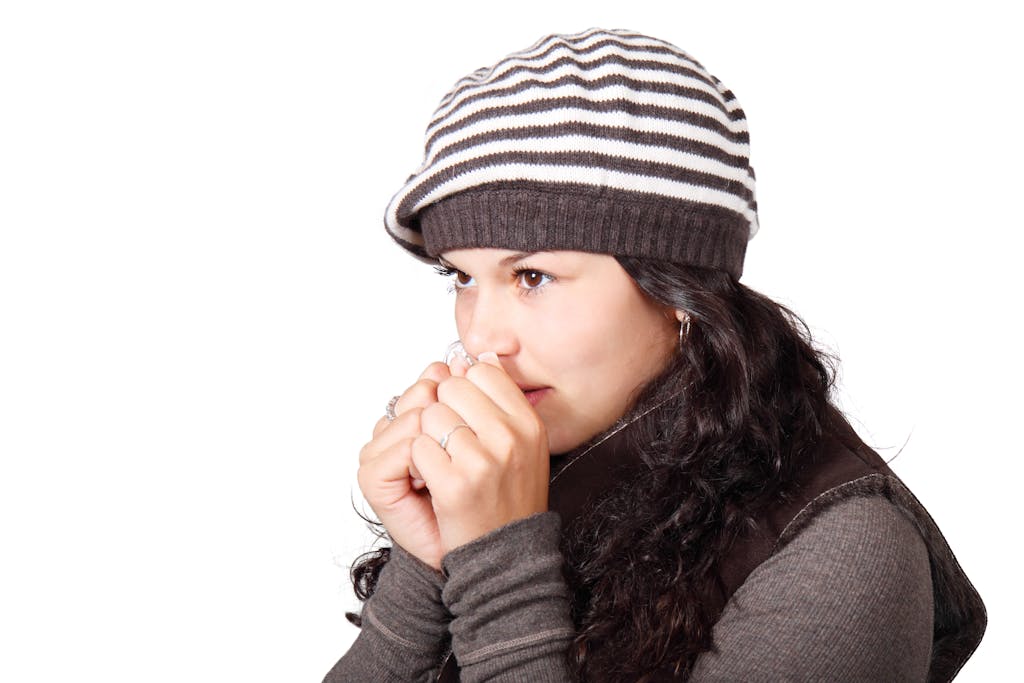
Ever felt a shiver just from watching someone plunge their hands into ice-cold water? Research has shown that people can actually catch the sensation of a cold from others, without any direct contact. This phenomenon, known as “temperature contagion,” happens when the body’s temperature mirrors the temperature cues around it. So, simply observing someone experiencing the cold can make your own body feel colder, even if you’re not in the same situation. This response is weaker when the stimulus is warmth, showing that our bodies react more acutely to cold through visual cues.
Bad behavior
Bad behavior can spread just as easily as positive traits. People are more likely to break rules when they see others doing the same, and this extends to other behaviors as well. If you’re in a group where social norms are violated, say, littering or cutting in line, you’re more likely to do the same, even when no one is watching. The effects of bad behavior don’t stop in the moment either; they can influence your actions in future situations, making you more likely to bend or break rules again.
Happiness

The mood of those around us influences how we feel more than we realize. Studies show that happiness is contagious; if one person in your social network is cheerful, it increases the likelihood that others will feel the same. This effect extends even beyond close family members. A happy neighbor or a cheerful friend can significantly boost your own mood and, in turn, spread that positive energy to others. It’s not just about who you spend time with, but the emotional climate of the people around you.
Cavities are not passed like the flu, but cavity-causing bacteria can spread.
While cavities themselves aren’t contagious, the bacteria that cause them can be. These bacteria, primarily Streptococcus mutans, are spread through saliva, which is why sharing utensils or kissing someone can increase your risk. Children, in particular, are susceptible to cavity-causing bacteria because their immune systems are still developing. So, while brushing and flossing are crucial, avoiding saliva exchange with people with poor dental hygiene is equally important.
Conclusion
These examples show that contagion is not just about physical viruses or bacteria. It’s about the ways emotions, behaviors, and even invisible microorganisms travel from one person to another. What you feel, what you do, and even what you’re exposed to physically can all spread further than you think. Once we accept that contagion can work in subtle ways, we start to see how interconnected our world really is.