Your front door is more than just an entryway; it’s the first thing people notice when approaching your home. The color you choose can say a lot about your style, but it can also have a surprising impact on your home’s resale value. While the perfect door color can add charm and character, the wrong choice can make a home feel dated or uninviting. Here’s a closer look at 10 front door color mistakes that could cost you when it’s time to sell.
Bold Olive Green or Similar Earthy Tones
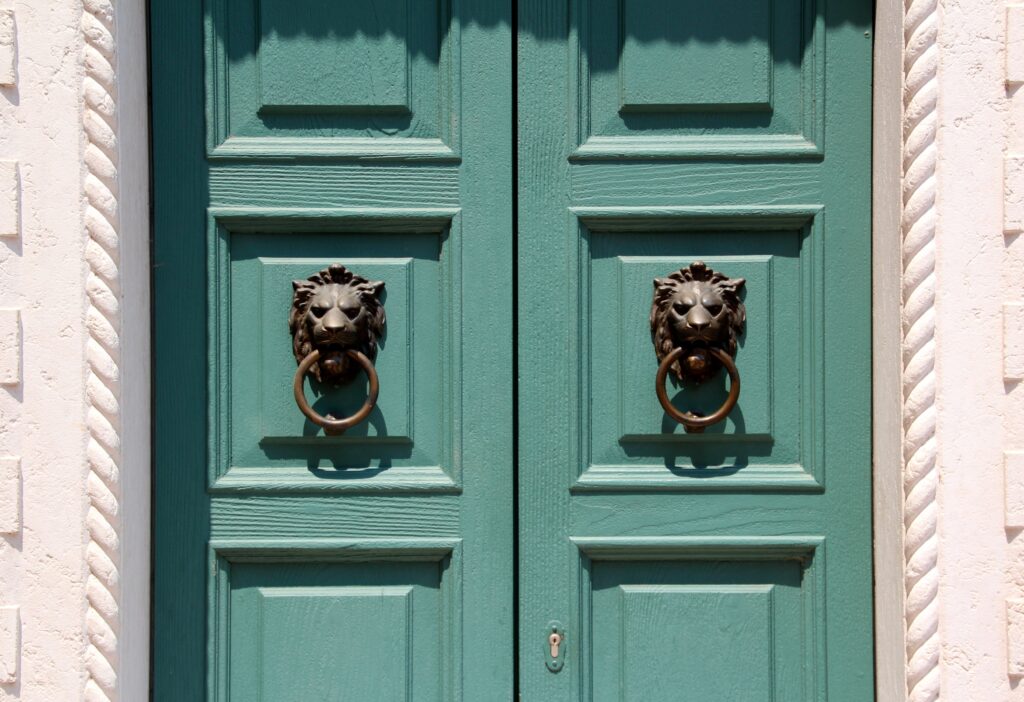
Earthy greens, like olive, are often viewed as outdated and can feel out of place depending on the architecture. While they can work well in some settings, they may make a home feel too niche for the average buyer, narrowing the pool of interested parties.
Choosing Teal or Other Flashy Colors Can Lower Buyer Interest
Teal, while beautiful, is a niche color that doesn’t always appeal to the masses. When selling your home, it’s essential to strike a balance between personal style and universal appeal. Teal may turn off buyers with a more traditional taste, and it may be harder to sell a home if it doesn’t fit the neighborhood’s aesthetic
Picking Ultra Bright or Neon Shades Makes Your Home Look Less Appealing
stocksnap/Pixabay
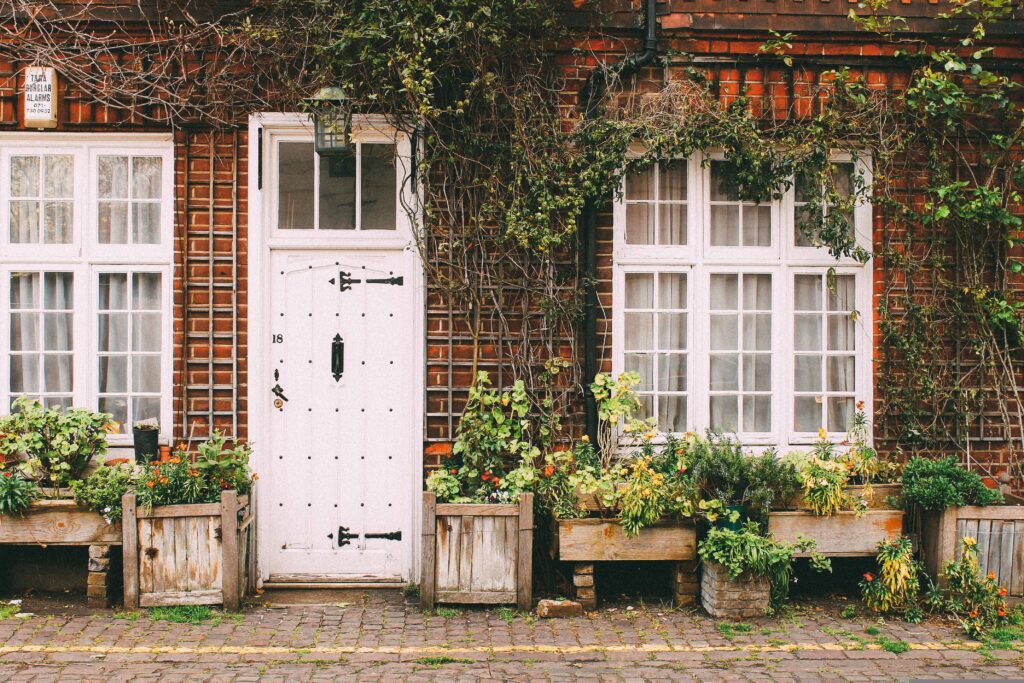
While a neon green or pink door might sound fun, it’s not the first impression most buyers are looking for. Bright, unconventional colors can overwhelm the senses and make it hard for potential buyers to imagine the home as their own. These colors can be seen as “too personal,” making it harder for buyers to envision the space as a neutral canvas.
Opting for Pale Pink Can Be Viewed as Shabby or Outdated
Though pastel pink has its charm, it’s often seen as a color that lacks sophistication, particularly for a front door. It’s not a color that naturally blends with the traditional, inviting feel most buyers are looking for, which can make your home feel less polished and potentially less valuable in their eyes.
Cement Gray or Washed-Out Neutrals Can Make Your Home Feel Dull
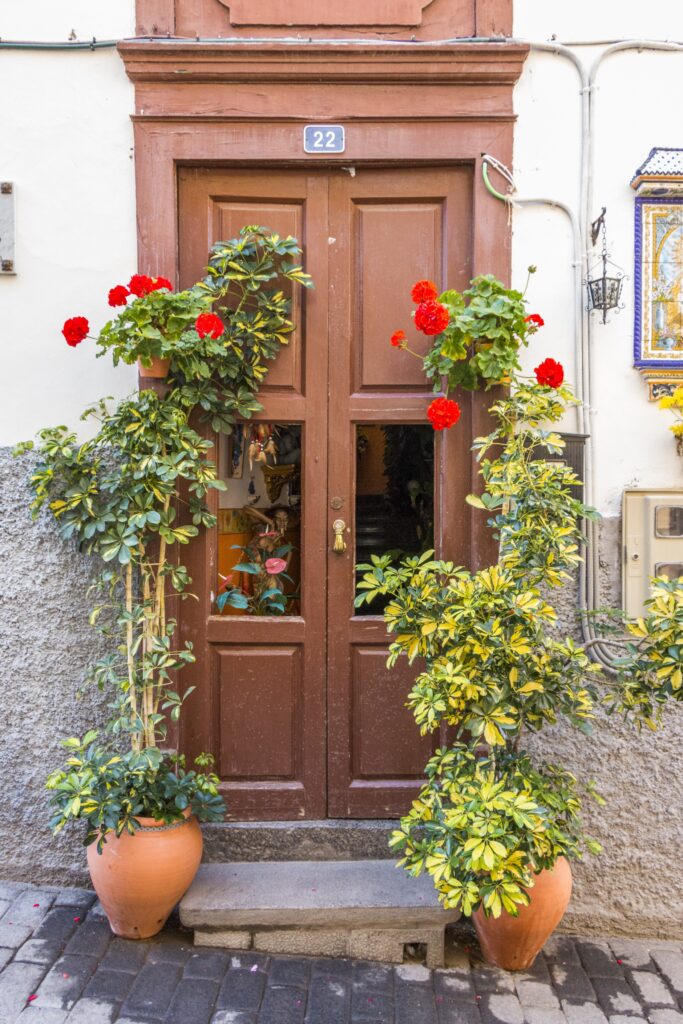
Light grays or washed-out neutrals like cement gray can make a house look drab. Instead of creating an inviting entrance, these shades often make the home feel flat or unfinished. Buyers may also wonder if the property needs more work than it’s worth.
Forgetting to Test Paint on Different Lighting Makes Your Choice Look Off
Paint colors can shift dramatically with lighting, and a hue that looked great in the store or on your swatch might look completely different at different times of day. Always test colors in various lighting conditions to avoid unpleasant surprises and to ensure your front door always looks its best.
Bright Blues That Don’t Complement the Exterior Hurt First Impressions
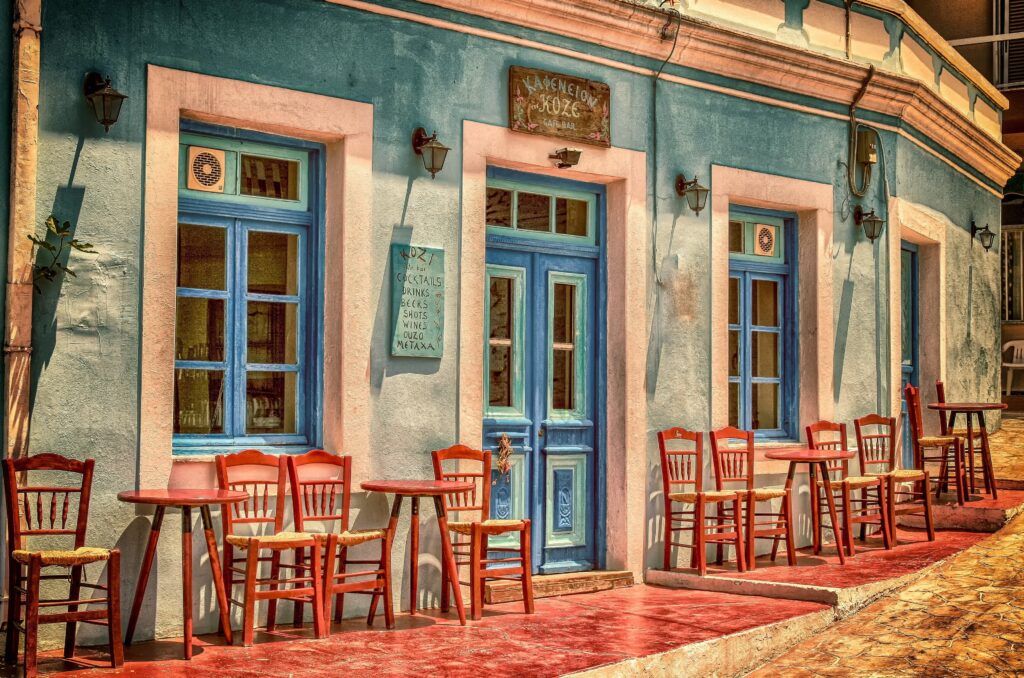
Bright blues are a tricky choice for a front door color, especially if they clash with your home’s exterior. These bold colors can create an off-putting visual dissonance, especially when paired with a more neutral or earthy-colored home. It’s vital that the front door blends harmoniously with the house’s overall look to avoid appearing mismatched.
Choosing Trendy Colors Without Considering Broad Appeal Dates Your Home Fast
While trendy colors like millennial pink or forest green may be in style now, they may not hold their appeal in a few years. Using trendy colors for a front door might seem like a great way to stand out, but it can also quickly make your home look outdated when the trend fades. Stick to timeless, universally liked colors that transcend seasons and fads.
Choosing Colors That Feel Too Personal Limits Buyer Imagination
A front door color that feels too personal, like a favorite shade of purple or a very bright yellow, can immediately close off possibilities for prospective buyers. A personalized color can make it hard for them to picture themselves living in the home. Opting for neutral or widely loved shades gives buyers a sense that the home could be theirs.
Overlooking How a Door Color Ages Can Lead Buyers to Think It’s Older
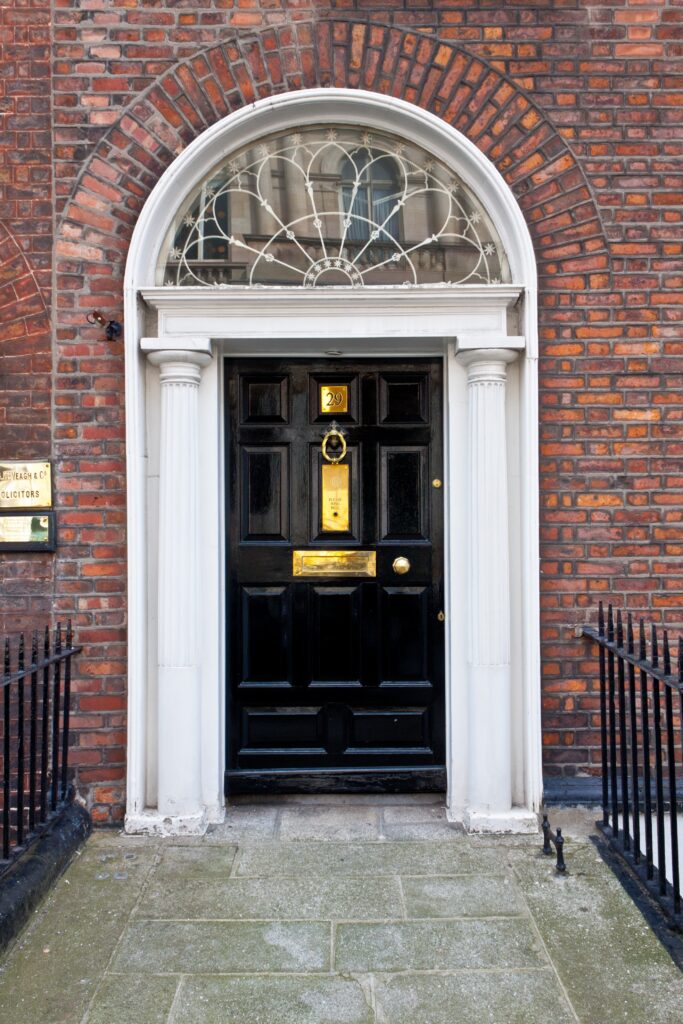
Some bold colors, such as gloss black or deep reds, tend to show their age quickly. Peeling paint, fading, or chips in the finish can make a door look unkempt, leading buyers to assume the entire house is in worse condition than it actually is.
Conclusion
The color of your front door isn’t just about making a statement; it’s a strategic choice that can have long-term effects on your home’s resale value. While personal preferences are important, when selling, it’s essential to appeal to a broader audience. By avoiding overly bold, niche, or trendy colors and opting for timeless shades that complement your home’s exterior, you’ll not only enhance its curb appeal but also increase its market value. Make sure to choose a front door color that invites buyers in and leaves them with a lasting positive impression.