Bread machines promise fresh‑baked bread with almost no effort. You pour in the ingredients, press a few buttons, and wait for that wonderfully aromatic loaf to appear. But if your results have been disappointing, dense, irregularly shaped, or flat, you might be making simple mistakes that interfere with your bread’s texture, rise, and flavor. Knowing what not to do is just as important as knowing what to do when making homemade bread.
Below are eight common mistakes many people make when using a bread maker, along with explanations of why they matter and what can go wrong when these issues are ignored.
Setting It and Forgetting It Doesn’t Work
One of the biggest misconceptions with bread machines is that once you hit start, you can completely ignore the process. A bread machine operates on a fixed timer and cannot sense whether the dough is developing properly. If the ratio of wet to dry ingredients is off or the dough hasn’t formed into a cohesive, smooth ball early in the kneading cycle, the machine will keep going anyway. That can lead to a loaf that is too dense, underdeveloped, or sunken in the middle because the yeast never had the ideal environment to activate. Checking the dough partway through and making small adjustments can make all the difference in a well‑ridden loaf or an underwhelming brick.
Adding Ingredients in the Wrong Order
The order in which ingredients are added to the bread pan matters. Most machines assume liquids go in first, followed by dry ingredients, with yeast added last on top of the pile. If this order is disrupted, the yeast may activate too early or not at the right time, leading to an improperly proofed loaf. Incorrect sequencing can lead to inconsistent rise and texture, so paying attention to which ingredient goes into the machine first, second, and last helps the entire process unfold as intended.
Ignoring the Temperature and Humidity in Your Kitchen

The environment in your kitchen plays a major role in how your dough behaves. Bread makers follow a rigid schedule, so they cannot adjust for ambient conditions. If your space is too cold or drafty, the dough might not rise sufficiently in the allocated time, leaving you with a heavy, unrisen loaf. Conversely, a hot or humid room can cause the dough to over‑rise too quickly and then collapse or develop an odd texture. Because a bread maker doesn’t monitor proofing, failing to account for room conditions can seriously affect the final bread quality.
Forgetting to Take Out the Paddles Before Baking
Many people overlook the removable kneading paddles and leave them in during the bake cycle. This leads to unpleasant holes in the bottom of your loaf and can affect the crust and crumb structure. Removing the paddles after kneading but before the final rise and bake improves the appearance and texture of the finished bread, giving you a cleaner bottom crust and a more satisfying slice.
Not Reshaping the Dough Before the Final Rise
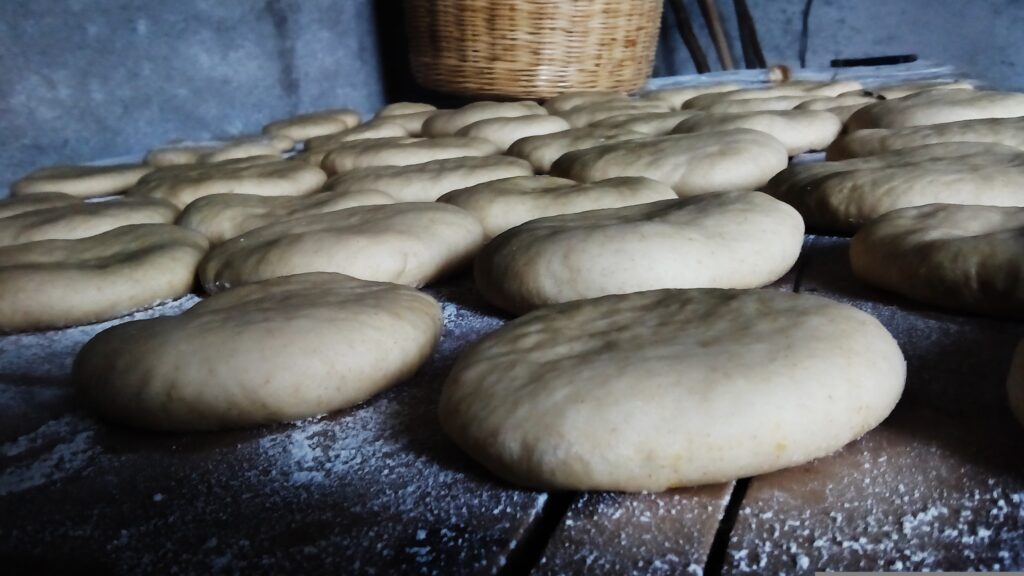
Many people trust the machine to shape the loaf perfectly on its own, but that is not always the case. If you open the lid just before the final rise and inspect the dough, you can often see whether it has evenly distributed in the pan. When it looks uneven or lopsided, taking the time to pull it out, redistribute, and reshape it before the last rise results in a much more uniform, traditional loaf shape rather than something that looks compressed or slanted.
Using Recipes Not Designed for Your Machine
Bread makers often come with a recipe booklet tailored to that specific model. These recipes take into account the machine’s timing, heat distribution, and loaf size. Using a recipe developed for a different method, such as oven baking or one not intended for a bread machine, can lead to unpredictable outcomes. While experimenting with new recipes is part of the fun, relying on machine‑specific instructions in the early stages helps you understand how your particular model performs.
Skipping Accurate Flour Measurement
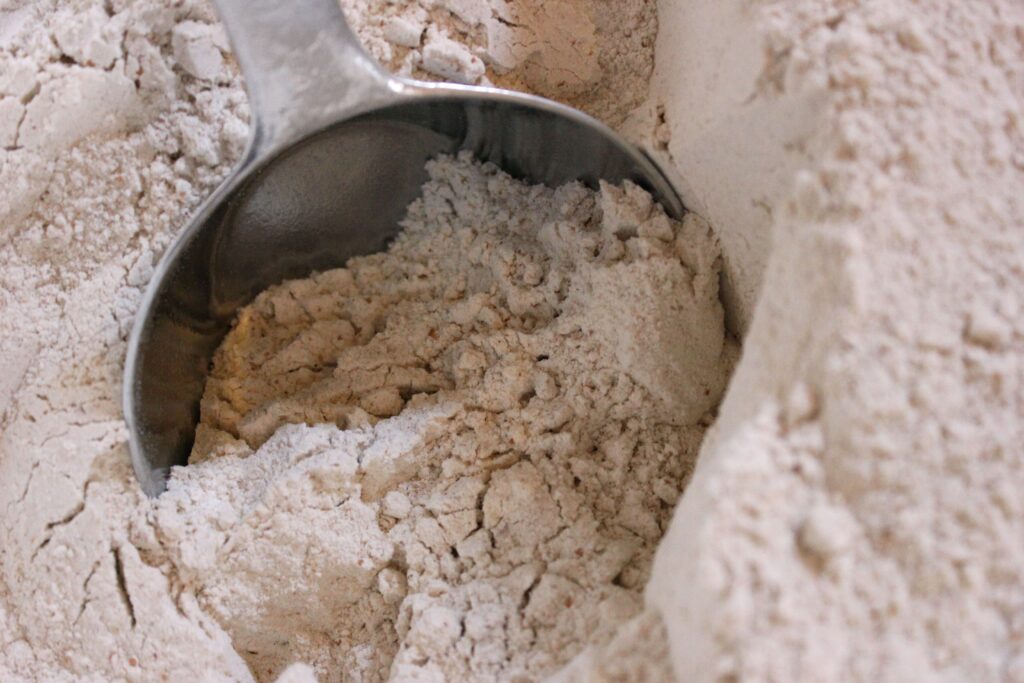
Precise measurements are vital when baking. Using cups and spoons instead of weighing your flour introduces variability. Even slight differences in how flour is scooped or packed into a cup can result in too much or too little flour, which throws off the balance of the dough. A loaf with too much flour will be dense and heavy, whereas too little can make it gummy or poorly structured. Using a scale to weigh ingredients gives much better consistency and reduces the trial-and-error many beginners face.
Making Substitutions Without Understanding Their Impact
It’s tempting to swap ingredients to suit taste or dietary preferences, but not all substitutions behave the same in bread dough. Different flours absorb varying amounts of liquid, and swapping in ingredients like honey or applesauce alters the dough’s hydration. Unless you understand and compensate for these changes, your bread may not rise properly or may collapse because the ratios are imbalanced. Beginners are best served by following tested recipes closely before experimenting with substitutes.
Conclusion
Bread makers can simplify the bread-baking process, but they are not foolproof. Avoiding these common mistakes, from casually trusting the timer to misunderstanding ingredient roles, can dramatically improve the loaves you produce. By paying attention to dough development, measuring ingredients accurately, following recipe guidelines, and understanding your machine’s specific features, you can enjoy consistently delicious homemade bread. With just a bit more care and attention, your bread maker can deliver the perfectly baked loaf you hoped for every time.