Composting is an environmentally friendly way to recycle organic waste, improve your soil, and reduce landfill waste. However, when not managed correctly, compost piles can become a haven for unwanted pests.
From rodents to raccoons, these creatures are attracted by improper composting methods. The good news is that these issues are often caused by simple mistakes, and with a few adjustments, you can keep your composting process clean and pest-free. Below, we highlight eight common composting mistakes and offer practical solutions to fix them.
Storing Food Scraps for Too Long
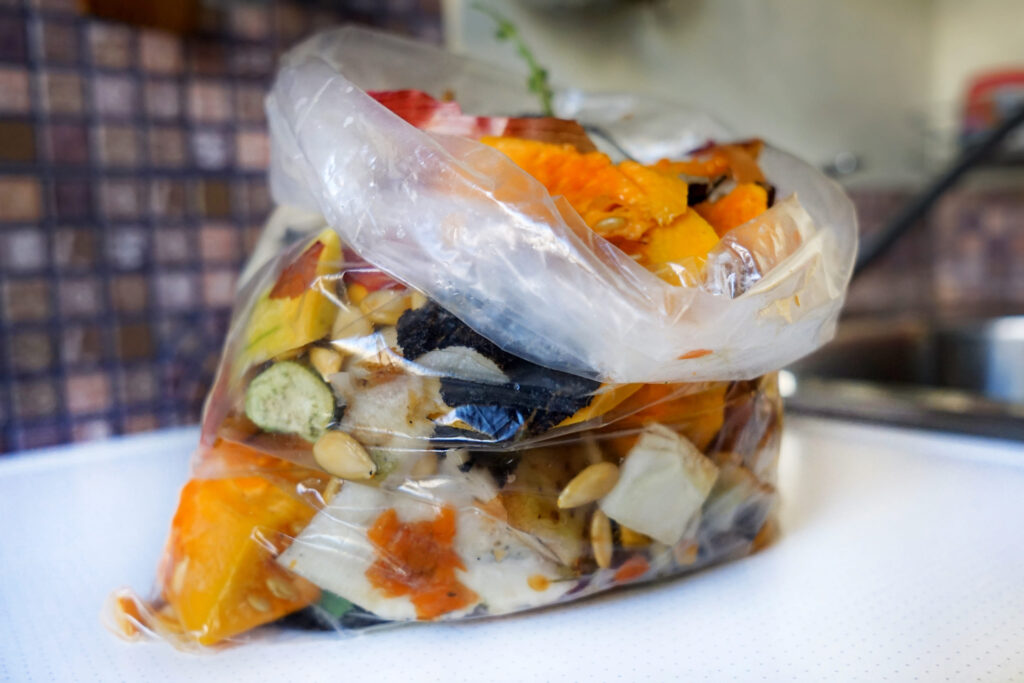
Storing food scraps in a container on the counter or in the fridge for extended periods may seem convenient, but it can lead to rotting and attract flies or fruit gnats. When you eventually add the scraps to the compost, the accumulated odor can also attract larger pests.
Fix It: Empty your food scrap container into the compost pile regularly, preferably once a week. Use a countertop compost bin with a charcoal filter to control odors in the meantime. By emptying your container frequently, you’ll prevent unpleasant smells and keep pests at bay.
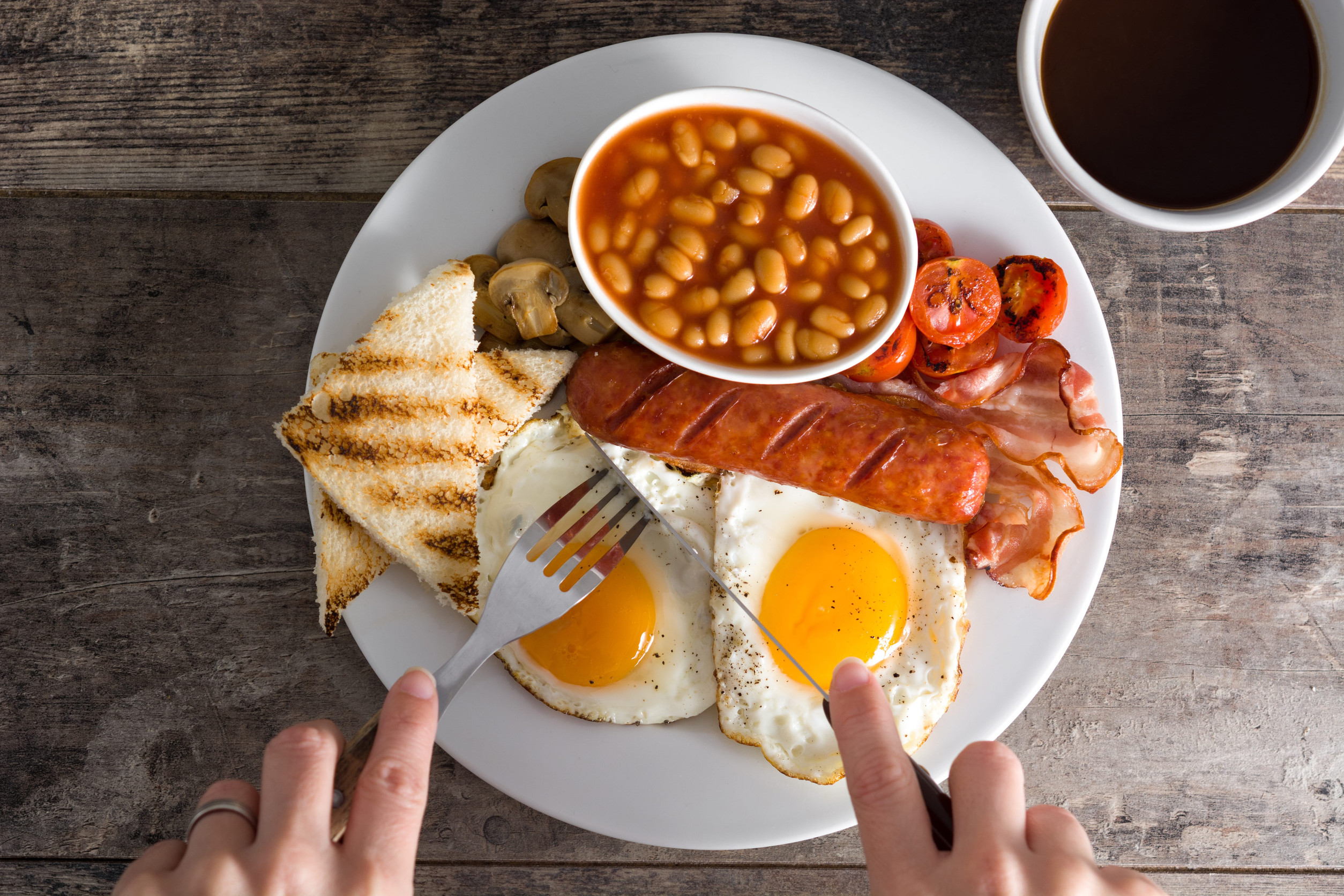
Adding Meat, Dairy, and Oily Foods
One of the easiest ways to attract pests to your compost pile is by adding meat, dairy, and greasy foods. These items emit strong odors as they decompose, attracting rodents, raccoons, and other scavengers. Additionally, they can cause unpleasant odors, creating a nuisance in your garden.
Fix It: Stick to compost-friendly items such as fruit and vegetable scraps, coffee grounds, and yard waste. Adhere to the “greens and browns” rule: mix nitrogen-rich kitchen scraps (greens) with carbon-rich materials like leaves, straw, or cardboard (browns). This balance not only helps maintain an odor-free pile but also promotes efficient decomposition
Poor Moisture Management
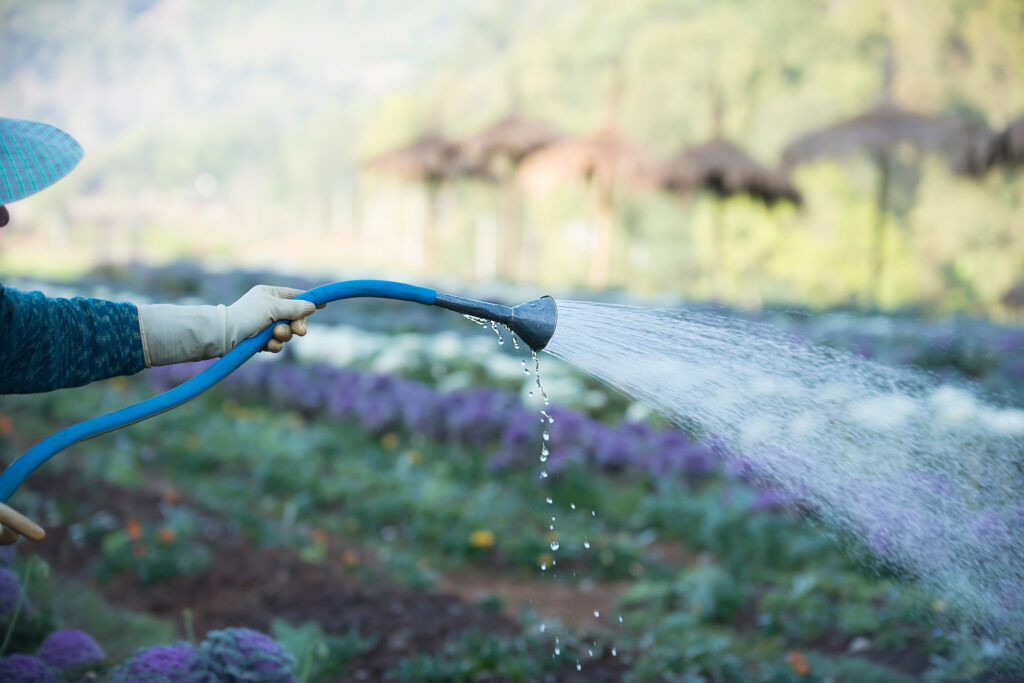
Moisture levels play a crucial role in composting. Too much moisture leads to a soggy, smelly pile that attracts flies and other pests, while too little moisture slows decomposition and invites ants. Achieving the right moisture balance is essential for maintaining a healthy compost system.
Fix It: Your compost pile should feel like a wrung-out sponge—moist but not dripping. If your pile is too wet, add more carbon-rich materials, such as cardboard or dry leaves, to absorb excess moisture. If it’s too dry, sprinkle water over it while turning the pile. Regular turning also ensures proper moisture levels and reduces the risk of pest infestations.
Leaving Food Scraps Exposed
When food scraps are left exposed on top of the compost pile, they become an easy target for pests such as flies, raccoons, and other stray animals. A pile of vegetable peels or fruit waste may seem harmless, but it can quickly turn into a pest magnet.
Fix It: Always bury food scraps under a layer of browns, such as shredded newspaper, dried leaves, or soil. This not only hides the food from curious critters but also helps minimize odors. Keep a small container of dry leaves near your compost bin for easy access.
Composting Cooked Foods
Composting cooked foods such as pasta, rice, and vegetables is a common mistake. These foods often contain oils, fats, and seasonings that attract pests and create strong odors, making them unsuitable for composting.
Fix It: Avoid adding cooked foods to your compost pile. Stick to raw kitchen scraps like fruit peels, vegetable trimmings, and eggshells. If you’re using a specialized composting method, such as bokashi composting, check the guidelines to see if cooked foods are allowed.
Ignoring Early Signs of Pests
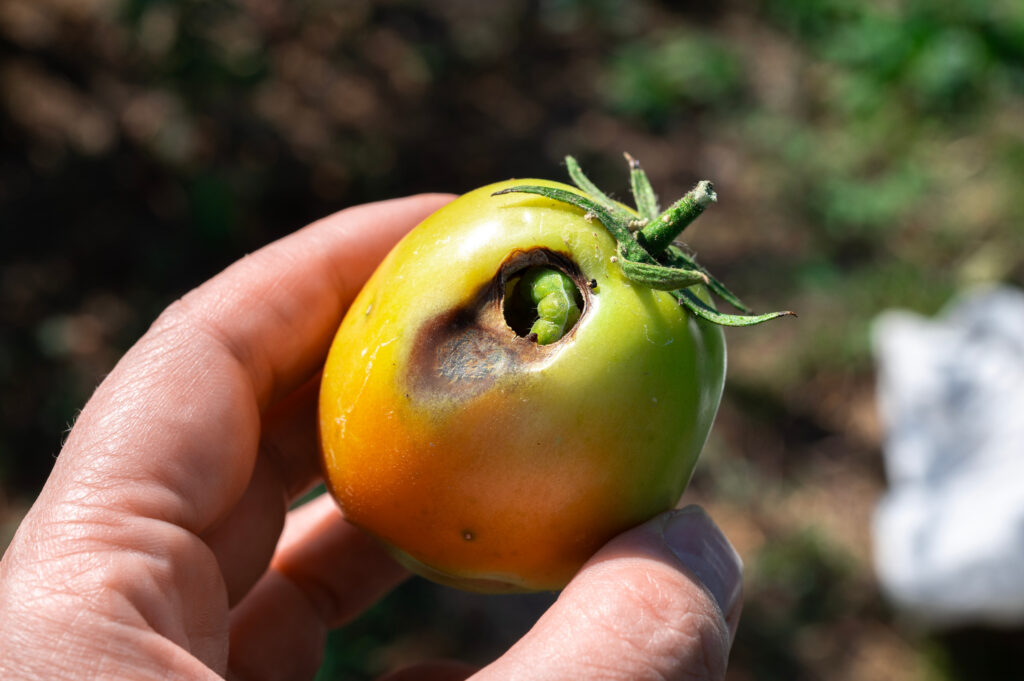
If you notice signs of pests near your compost pile, such as overturned scraps, burrowed soil, or an increase in flies, it’s a clear indication that something needs to be addressed. Ignoring these early warning signs allows the problem to escalate.
Fix It: Act swiftly at the first sign of pests. Reinforce your compost bin with secure barriers, adjust moisture levels, and ensure food scraps are properly buried. By taking prompt action, you can prevent larger infestations and maintain a healthy composting system.
Failing to Turn the Pile Regularly
A compost pile that isn’t turned regularly can develop anaerobic conditions, slowing down decomposition and leading to foul odors that attract pests. The accumulation of gases from decomposing organic matter can signal to animals that food is nearby.
Fix It: Turn your compost pile at least once a week to introduce air and accelerate the breakdown of organic material. Use a compost aerator to make turning easier. Regular turning not only speeds up the composting process but also prevents the growth of anaerobic conditions that attract pests.
Placing the Compost Bin Too Close to the Garden
Placing your compost bin directly next to your garden beds may seem convenient, but it creates a direct pathway for pests to move from your compost to your crops. This proximity can result in unwanted pests invading your garden.
Fix It: Position your compost bin at least 10-15 feet away from your vegetable garden. This distance reduces the likelihood of pests moving from the compost pile to your crops. By placing your bin farther from the garden, you can help safeguard your plants from pests.
Conclusion
Composting is a valuable and eco-friendly practice, but it requires careful management to prevent pest issues. By avoiding common composting mistakes such as adding meat or dairy, leaving food scraps exposed, or failing to manage moisture levels, you can maintain a healthy and pest-free compost pile.
Regularly turning the pile, monitoring for early signs of pests, and keeping the compost at an appropriate distance from your garden will further help ensure your composting efforts are successful.