Hydration is one of the most talked-about health topics, and for good reason. We all know the importance of drinking enough water, but many are unaware that certain foods that are commonly believed to help with hydration might actually have the opposite effect. Some of these foods may dehydrate you, cause bloating, or simply not live up to the expectations they’ve garnered over time. In this article, we’ll delve into 8 popular hydration foods that might actually be doing more harm than good.
Coconut Water
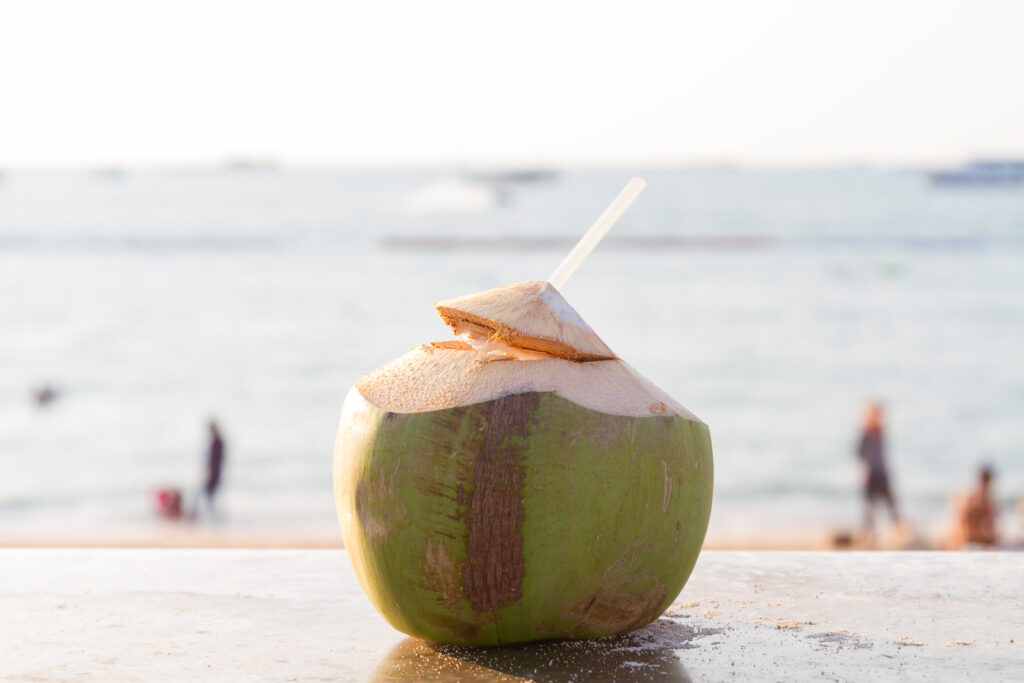
Coconut water is often considered the ultimate hydrating beverage, praised for its electrolyte content and natural sweetness. However, while it’s packed with potassium, it can be high in sugar and sodium. Excessive consumption of coconut water may not be as hydrating as it’s marketed to be, and it may even lead to a spike in blood sugar levels. Moreover, drinking it in place of plain water could contribute to increased calorie intake, potentially negating its purported health benefits.
Why It Could Be Harmful:
- High sugar content could contribute to spikes in blood sugar.
- Excessive sodium can lead to increased water retention.
- Not a substitute for plain water in terms of hydration.
Fruit Juices
Fruit juices are often considered hydrating due to their high water content. However, they can be a double-edged sword. Most fruit juices are loaded with added sugars and preservatives, which can cause your body to experience a temporary surge in hydration but ultimately leave you feeling parched. The natural sugars and the lack of fiber in fruit juices can also lead to a sugar crash, exacerbating dehydration.
Why It Could Be Harmful:
- High sugar content leads to a dehydration effect over time.
- A lack of fiber means your body doesn’t absorb water as effectively.
- Added preservatives can irritate the digestive system.
Salty Foods

Salt is necessary for hydration, but too much can have the opposite effect. While salt helps your body retain water, consuming too much sodium can cause your body to retain excess fluid, leading to bloating, puffiness, and feelings of dehydration. Salty snacks like chips, processed foods, and restaurant meals tend to be high in sodium and can be counterproductive to staying hydrated.
Why It Could Be Harmful:
- Excessive sodium causes water retention, leading to bloating and discomfort.
- It can exacerbate the feeling of thirst, rather than relieve it.
- High-sodium snacks and meals often lead to rapid dehydration afterward.
Caffeinated Beverages
Caffeinated drinks like coffee, soda, and energy drinks are often consumed as quick hydration solutions, but they may actually contribute to dehydration. While caffeine does provide a short-term boost in energy, it is also a diuretic, which means it increases urination and can cause your body to lose more fluid than it gains. Over time, excessive caffeine intake can leave you feeling more dehydrated than before.
Why It Could Be Harmful:
- Caffeine acts as a diuretic, leading to increased urination.
- It can cause a temporary energy boost, followed by fatigue and dehydration.
- Consuming too much caffeine can disrupt sleep, further dehydrating the body.
Alcohol

While it might seem obvious, alcohol is often misunderstood in terms of hydration. People may drink alcohol believing it’s hydrating, especially in mixed drinks with fruit juice or soda. However, alcohol is a potent diuretic that can quickly dehydrate you. In fact, the more alcohol you drink, the more your body excretes water, which can lead to dehydration, dry skin, and even headaches the next day.
Why It Could Be Harmful:
- Alcohol acts as a diuretic, leading to dehydration.
- Increases the frequency of urination, causing fluid loss.
- Often consumed with sugary mixers, which can exacerbate dehydration.
Cucumber
Cucumber is often hailed as one of the most hydrating foods due to its high water content. While it’s true that cucumbers are mostly water, they are also low in electrolytes and nutrients that actually support hydration. While they can help maintain a certain level of hydration, they don’t offer the full spectrum of benefits that other hydrating foods like watermelon or celery can.
Why It Could Be Harmful:
- While high in water content, a cucumber lacks electrolytes and essential minerals for true hydration.
- It can cause bloating in some people due to its high fiber content.
- Not as hydrating as other alternatives like watermelon or leafy greens.
Tomatoes
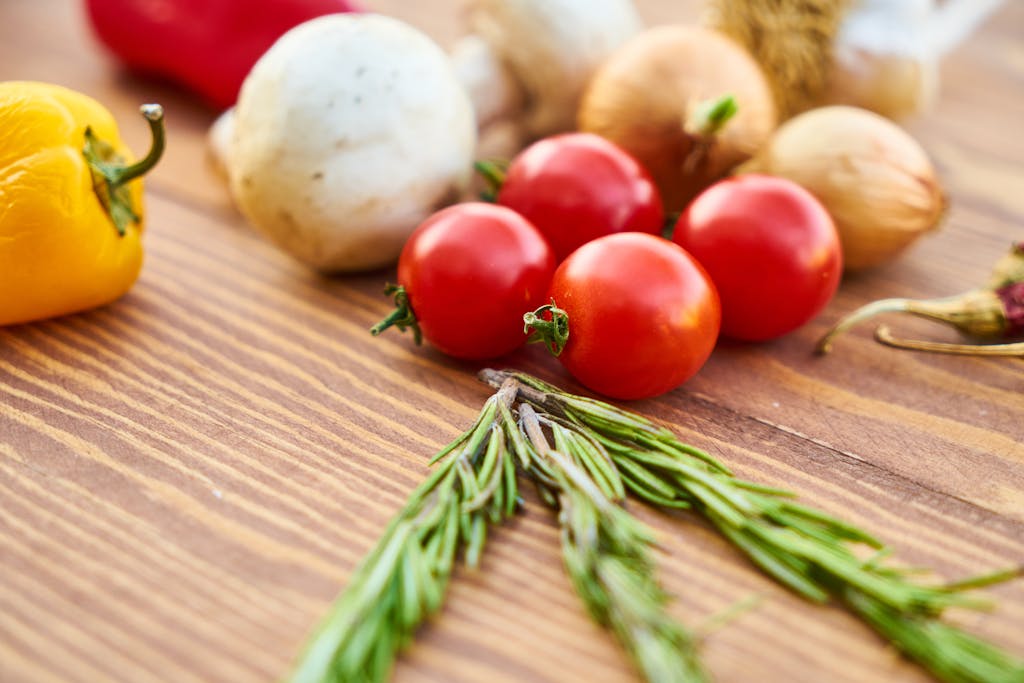
Tomatoes are often included in lists of hydrating foods due to their juicy flesh. They are rich in water and vitamins, but also contain acids that may irritate sensitive stomachs. For some people, tomatoes can cause digestive discomfort, such as bloating or acid reflux. This digestive upset can leave you feeling less hydrated, as your body’s ability to process and absorb water is compromised.
Why It Could Be Harmful:
- High acidity can irritate the stomach, leading to digestive discomfort.
- Not ideal for people with acid reflux or sensitive digestive systems.
- It can cause bloating, negating any potential hydrating benefits.
Water-Rich Fruits
Many fruits, such as watermelon, oranges, and strawberries, are often recommended for hydration because they are packed with water. While they are certainly a good source of hydration, relying solely on fruits for hydration can lead to imbalances in your electrolyte levels. Fruits tend to lack the sodium and potassium levels needed to maintain optimal hydration, especially during physical activity or hot weather.
Why It Could Be Harmful:
- Can lack the essential electrolytes needed for hydration, especially during exercise.
- Overconsumption can lead to a sugar overload, causing energy crashes.
- Not suitable as the primary source of hydration in the absence of electrolytes.
Conclusion
While many foods are marketed as hydrating, not all are equally effective at quenching your thirst and maintaining healthy hydration levels. Foods like coconut water, fruit juices, and alcohol can lead to dehydration or digestive upset over time, while others, like tomatoes and cucumbers, may not provide the full spectrum of hydration benefits your body truly needs. To stay properly hydrated, it’s essential to focus on foods that provide both water and essential electrolytes, such as potassium and sodium. Consider adding more leafy greens, berries, and water-rich vegetables to your diet, and always complement these foods with adequate water intake to stay truly hydrated.